Alcohol is a part of many social gatherings and celebrations. For some people, it remains just that—a way to enjoy with friends or family. But for others, it can slowly turn into a harmful habit without them even realizing it. This slow shift from casual drinking to dependency is dangerous, and that’s why understanding the early signs of alcohol addiction is so important.
At Aarogya Sewa Samiti, we believe that recognizing these signs early can save someone from years of health problems, broken relationships, and emotional pain. The sooner you notice the changes, the sooner you can take steps to prevent the situation from getting worse.
Why Early Detection Matters
Many people think alcohol addiction happens overnight. In reality, it builds up quietly over time. At first, it might look like normal drinking—one or two drinks at parties, maybe a drink after work. But slowly, the body and mind begin to depend on it.
By spotting the early signs of alcohol addiction, you can take action before the problem becomes severe. Early intervention makes recovery easier, both physically and emotionally.
Early detection also helps prevent the negative effects of long-term alcohol use, such as liver damage, heart problems, and mental health issues like anxiety and depression. It allows families and friends to provide support and encourages the person struggling with alcohol to seek professional help sooner. Recognizing the problem early increases the chances of successful recovery and reduces the risk of severe consequences that can impact work, relationships, and overall quality of life.
Sign 1: Increasing Tolerance
One of the first early signs of alcohol addiction is when someone needs more alcohol to feel the same effects. In the beginning, one or two drinks may be enough to feel relaxed or happy. But as the body gets used to alcohol, the same amount no longer works. This means the person starts drinking more to achieve the same feeling.
Increasing tolerance might seem harmless at first, but it’s actually a warning that the body is adapting to alcohol—and that’s not a good thing.
Sign 2: Drinking Becomes a Daily Habit
If drinking shifts from an occasional activity to something that happens every day, it’s a clear warning signal. Some people might start having a drink every evening “to relax,” but over time, they can’t imagine ending the day without alcohol.
When this happens, it’s no longer just a choice—it’s becoming a need. This is one of the early signs of alcohol addiction that should not be ignored.
Sign 3: Neglecting Responsibilities
Another subtle change is when a person starts skipping work, college classes, or important tasks because of drinking. They may stay out late drinking and struggle to wake up the next morning, or they might skip activities they once enjoyed.
If alcohol starts affecting studies, job performance, or family commitments, it’s a sign that it’s taking control.
Sign 4: Hiding Drinking Habits
A person who is developing a drinking problem may start hiding how much they drink. They might keep bottles hidden in their room or lie about the number of drinks they had. This secretive behavior is often due to guilt or fear of judgment.
Hiding drinking is one of the early signs of alcohol addiction that shows the person is aware something is wrong—but they may not be ready to admit it.

Sign 5: Mood Changes and Irritability
Alcohol affects the brain, and mood swings are common even in the early stages of dependency. You might notice someone becoming easily irritated, sad, or anxious when they can’t drink. They may seem restless or uneasy until they have alcohol.
If someone’s emotional balance depends on drinking, it’s a strong warning sign.
Sign 6: Losing Interest in Hobbies
Before addiction sets in, a person may start losing interest in things they once loved—sports, music, reading, or spending time with friends. Alcohol starts taking up more and more of their time, and other activities no longer feel enjoyable.
This gradual withdrawal from hobbies is a common early sign of alcohol addiction.
Sign 7: Drinking in Risky Situations
When someone starts drinking before driving, during work hours, or in other dangerous situations, it’s a serious concern. Even if they say, “It’s just one drink,” this behavior shows poor judgment and a growing dependence.
Sign 8: Blackouts and Memory Lapses
In the early stages, a person might occasionally forget parts of the night after drinking. These memory lapses, called blackouts, happen because alcohol disrupts how the brain stores information.
If blackouts start becoming more frequent, it’s a clear sign that alcohol is harming brain function.
Sign 9: Defensive Behavior About Drinking
If you try to talk to someone about their drinking and they become angry or defensive, that’s another warning. They may try to change the topic, laugh it off, or accuse you of overreacting.
Defensiveness often appears when the person deep down knows there’s a problem.
Sign 10: Physical Withdrawal Symptoms
When the body becomes dependent on alcohol, even missing a single drink can cause symptoms like shaking hands, sweating, headaches, or nausea. These are withdrawal symptoms, and they’re one of the strongest early signs of alcohol addiction.
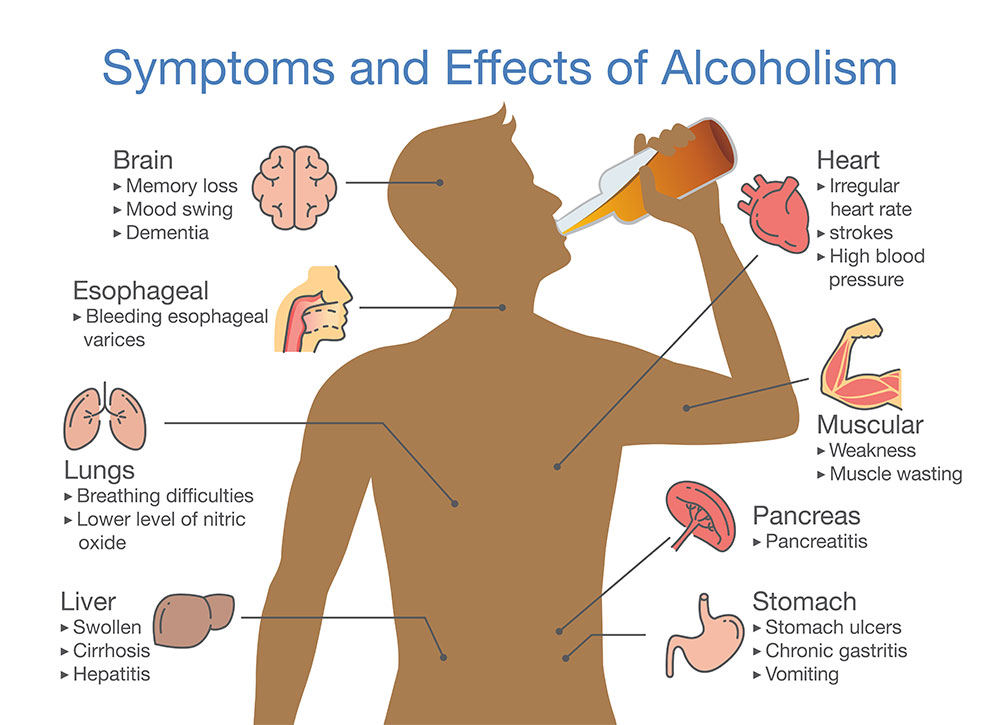 The Connection Between Early Signs and Long-Term Risks
Ignoring these signs can lead to serious health issues:
-
Liver damage
-
Heart problems
-
Brain damage
-
Mental health disorders like depression and anxiety
But catching the problem early can make recovery faster and less painful.
Why People Miss the Early Signs
Many people overlook these changes because they happen gradually. Friends may think the person is just “enjoying life” or “going through a phase.” Sometimes, family members don’t want to admit there’s a problem because it’s painful to face the truth.
But denial can be dangerous. By the time the problem becomes obvious, the person may already be deeply addicted.
How to Approach Someone You Care About
If you notice the early signs of alcohol addiction in a friend or family member, approach them with care:
-
Choose the right time – Speak when they are sober and calm.
-
Use gentle language – Avoid blaming or shaming.
-
Express concern – Tell them you care about their health and future.
-
Offer support – Help them find counseling or rehabilitation services.
Sometimes, people won’t listen right away. That’s okay. The important thing is to plant the seed of awareness.
Steps to Prevent Addiction
If you’re worried about yourself or someone else:
-
Limit drinking to social occasions.
-
Set a limit and stick to it.
-
Keep alcohol out of your daily routine.
-
Find healthy ways to relax, like exercise or hobbies.
-
Seek professional help early.
 The Role of Rehab Centers
Professional rehabilitation centers play a key role in helping people overcome addiction. They provide medical care, counseling, and a safe environment for recovery. The earlier you seek help, the better the chances of a full recovery.
Conclusion
The early signs of alcohol addiction are easy to miss but dangerous to ignore. From increasing tolerance and daily drinking to hiding habits and withdrawal symptoms, these warnings show that alcohol is starting to control a person’s life.
If you notice these signs in yourself or someone you care about, remember—seeking help is not a sign of weakness, but of strength. At Aarogya Sewa Samiti, we believe everyone deserves a second chance at a healthy, happy life. That’s why many families trust us as the best Nasha Mukti Kendra in Dehradun to guide their loved ones toward recovery.
Don’t wait for the problem to get worse. Take the first step today and reclaim your future.