Teenage years are a time of growth, excitement, and curiosity. But they are also a period when young people are more vulnerable to making risky choices. One of the biggest influences during this stage is peer pressure—the urge to fit in with friends, classmates, or social groups. Unfortunately, this pressure can sometimes lead to dangerous habits, including peer pressure and substance abuse.
At Aarogya Sewa Samiti, we have seen many teenagers who never thought they would fall into such habits, but slowly became trapped because of the people they surrounded themselves with. To understand the link between peer pressure and substance abuse, we must first know what these terms mean, how they are connected, and what can be done to protect our youth.
Understanding Peer Pressure and Substance Abuse
Peer pressure is when you feel pushed to do something because your friends or the group around you is doing it.
-
It can be direct – for example, when a friend says, “Just try smoking once, it’s cool!”
-
Or it can be indirect – when you feel left out if you don’t join in, even if nobody forces you directly.
Substance abuse means using harmful or illegal things like cigarettes, alcohol, or drugs in a way that can hurt your health, studies, relationships, and future.
When these two come together – peer pressure and substance abuse – it becomes very dangerous, especially for teenagers. This is because teens are still learning how to make their own choices, and sometimes friends’ opinions feel stronger than family advice.
Why Teenagers Fall into This Trap
-
Wanting to Fit In
Teenagers often want to be liked and accepted. If their group is drinking or smoking, they may feel they have to join in to “belong.” -
Fear of Being Left Out
No one likes to feel left alone. Sometimes, even if a teen doesn’t want to try substances, they may say “yes” just to avoid being called boring or different. -
Curiosity
Many teenagers are curious about how things like alcohol or drugs feel. Peer pressure makes this curiosity stronger. -
Believing It’s Normal
If everyone around you is doing it, it can seem like it’s a normal part of growing up—even though it’s not.
How It Affects Teenagers
-
Health Problems: Smoking, drinking, or drug use can damage the brain, lungs, and liver. For teenagers, whose bodies are still growing, the damage can be worse.
-
Poor Studies: Addiction makes it hard to focus on school, leading to lower marks and missed opportunities.
-
Broken Trust: Parents and teachers may lose trust if they find out about substance abuse.
-
Future Risks: Substance abuse can lead to serious addiction, accidents, or even legal trouble.
How to Say “No” to Peer Pressure
-
Be Confident: Learn to say, “No, I don’t want to,” without feeling guilty.
-
Choose Friends Wisely: Good friends won’t force you into harmful habits.
-
Find Safe Activities: Sports, hobbies, and clubs give positive ways to spend time.
-
Talk to Someone: If you feel stuck, speak to a parent, teacher, or counselor.

Why Teenagers Are More Affected
Teenagers are at a stage where they are figuring out their identity. They want to be liked, accepted, and respected by their friends. This makes them more likely to say “yes” even when they know something is wrong. The brain of a teenager is still developing, especially the part that controls decision-making and self-control.
Because of this, peer pressure and substance abuse often go hand-in-hand in high schools and colleges. A simple “just try it once” can turn into a harmful habit before the person even realizes it.
How Peer Pressure Leads to Substance Abuse
1. The Desire to Fit In
No one wants to be the odd one out in a group. When a group of friends is experimenting with smoking, alcohol, or drugs, it becomes hard to say no. The fear of being judged or laughed at makes many teenagers agree to try substances even if they are uncomfortable.
2. Influence from Popular Groups
In schools and colleges, certain groups are considered “cool” or popular. If these groups engage in risky behaviors, others may feel that copying them will increase their own popularity. This is one of the most common ways peer pressure and substance abuse start.
3. Misleading Information
Many teenagers believe myths like “drugs make you more creative” or “alcohol helps you relax.” Such false ideas are often spread by peers who want others to join in, without revealing the real dangers involved.
4. Fear of Rejection
Sometimes, teenagers feel that if they don’t participate in substance use, they will lose friends or be excluded from social gatherings. This fear can be strong enough to make them ignore their own values.

The Emotional Side of Peer Pressure
Peer pressure and substance abuse are not always about wanting to have fun. Sometimes, teenagers use substances because they are struggling with emotions like loneliness, stress, or family problems. If their friends suggest using substances as an escape, it may feel like an easy solution—at least in the moment.
Unfortunately, this temporary escape leads to bigger problems: addiction, poor grades, health issues, and broken relationships. What started as a way to “feel better” ends up creating more pain.
The Role of Social Media
In today’s world, social media plays a huge role in shaping teenage behavior. Seeing influencers or celebrities using alcohol or vaping in glamorous ways can normalize substance use. In group chats, teenagers may pressure each other with memes, videos, or dares.
This creates a virtual version of peer pressure and substance abuse, where even those who are not physically present feel pushed into harmful behaviors.
Signs a Teenager Might Be Experiencing Peer Pressure and Substance Abuse
Parents, teachers, and friends should watch for warning signs such as:
-
Sudden changes in behavior or friend circles
-
Drop in academic performance
-
Secretive actions and lying about whereabouts
-
Mood swings or irritability
-
Physical signs like red eyes, smell of smoke, or sudden weight changes
Recognizing these early signs is important to prevent the situation from getting worse.
How to Resist Peer Pressure and Avoid Substance Abuse
Teenagers can take several steps to protect themselves from the trap of peer pressure and substance abuse:
-
Build Self-Confidence – The stronger your self-esteem, the easier it is to say no.
-
Choose Friends Wisely – Spend time with people who respect your choices.
-
Practice Saying No – Have a few ready responses like “I’m not into that” or “No thanks, I’m training for sports.”
-
Stay Busy with Positive Activities – Join sports, music, or volunteer groups to reduce idle time.
-
Seek Support – Talk to a trusted adult, counselor, or support group when feeling pressured.
The Role of Parents and Schools
Parents should maintain open communication with their children, without judgment or anger. This creates a safe space where teenagers can share their problems.
Schools can organize awareness programs and invite experts to talk about the dangers of peer pressure and substance abuse. Role-play activities can also help students practice how to handle real-life situations.
When to Seek Professional Help
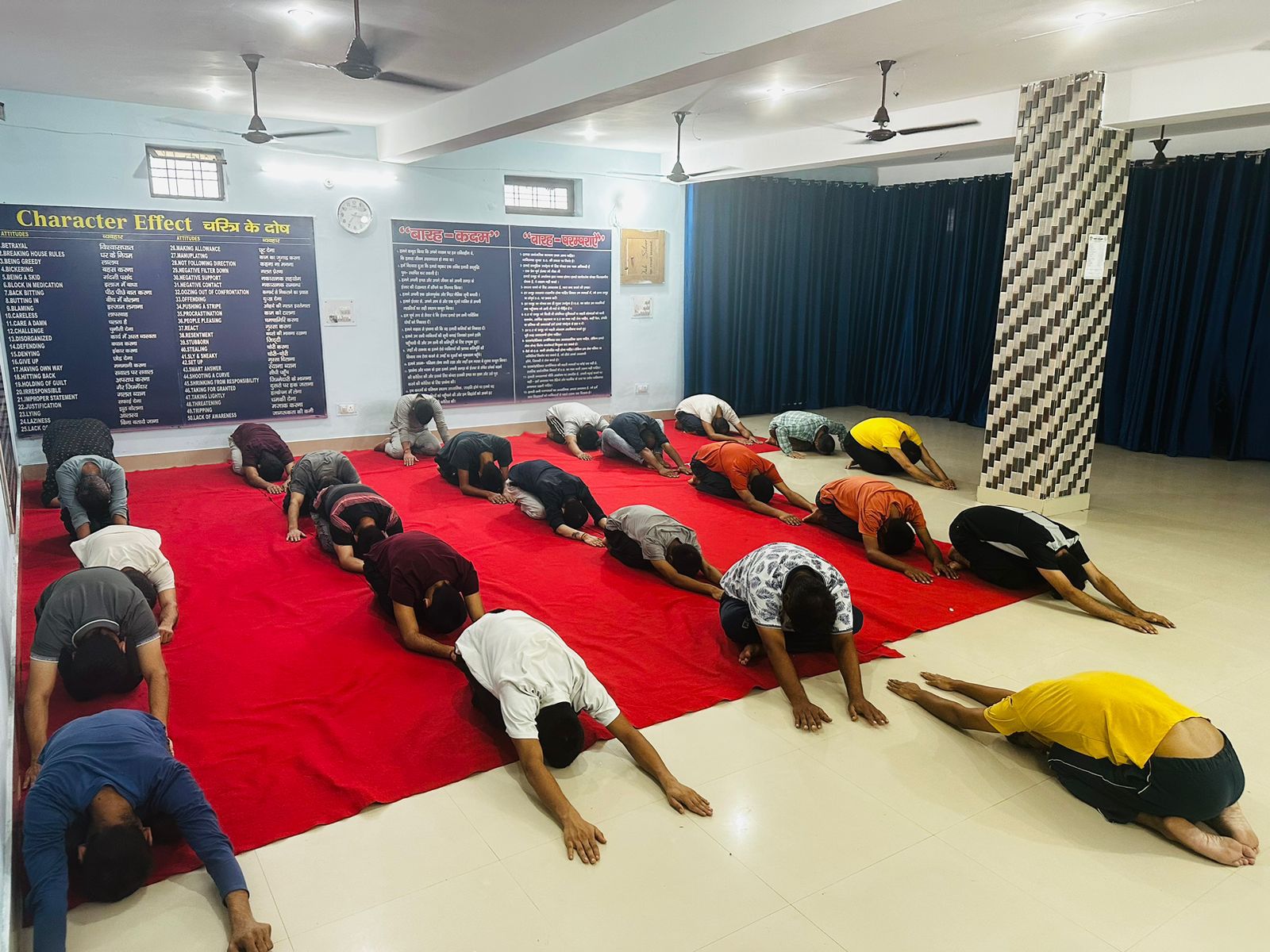
If a teenager has already started abusing substances, it’s important not to wait. Professional counseling, medical detox, and rehabilitation programs can help them recover before it’s too late. Organizations like Aarogya Sewa Samiti provide structured programs to help teenagers break free from addiction and rebuild their lives.
Conclusion
Peer influence is not always bad—it can also inspire positive change. But when it comes to peer pressure and substance abuse, the consequences can be life-changing in the worst way. By spreading awareness, encouraging open conversations, and offering support, we can protect our teenagers from this dangerous path.
If you or someone you know is struggling, remember that the best Nasha Mukti Kendra in Dehradun can provide guidance, treatment, and hope for a healthier future.