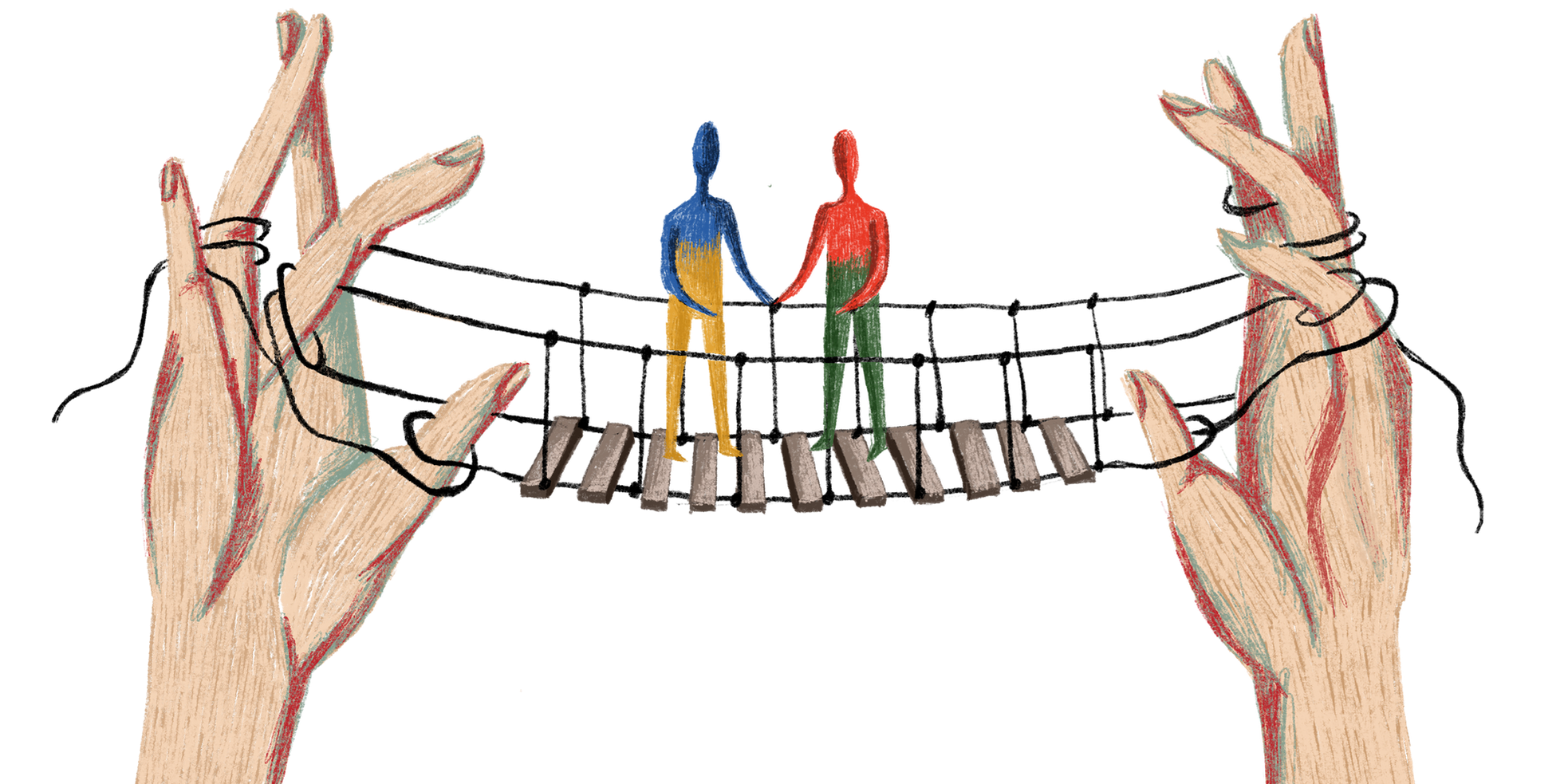
Peer support in addiction recovery means getting help from someone who has been where you are. These are people who have battled addiction themselves and come out stronger. Their experiences help others feel understood, accepted, and encouraged.
Unlike formal therapy, peer support in addiction recovery comes from a place of shared struggle. It’s not about giving advice—it’s about sharing real stories, listening, and walking side-by-side on the road to recovery. At Aarogya Sewa Samiti, we believe that this human connection is one of the most powerful tools for building strength and hope in recovery.
Understanding Peer Support
At its core, peer support means getting help from people who have gone through the same struggle. In addiction recovery, it involves individuals who have battled substance abuse sharing their experiences, challenges, and successes with others currently facing the same path.
Unlike professional therapy, which is based on clinical methods, peer support is grounded in empathy, shared understanding, and lived experience. This makes it unique and powerful, because people often feel truly heard and understood when talking to someone who has “been there.”
The Power of Shared Experience Healing
When someone struggling with addiction talks to a person who has been there, a strong connection is made. This is called shared experience healing. It builds trust quickly and helps the person feel less alone.
In many cases, hearing “I’ve been through this too, and I made it out” can be more powerful than any lecture. This honest connection is one of the biggest strengths of peer support in addiction recovery.
Addiction Peer Mentorship: Guiding with Experience
Addiction peer mentorship is when a recovered person helps someone who is still struggling. These mentors are not just supporters—they are guides. They help with real-life challenges like managing triggers, staying away from bad influences, and finding purpose in daily life.
Mentors who provide peer support in addiction recovery often stay in touch every day. Their help isn’t just emotional—it’s practical and full of hope.
Sober Living Support: A Step Toward a Drug-Free Life
After rehab or detox, staying sober is the next big challenge. That’s where sober living support plays a big role. Living in a healthy, drug-free environment, surrounded by people who understand the struggle, helps prevent relapse.
Peer support in addiction recovery includes this stage too. Whether it’s through group homes, recovery communities, or one-on-one check-ins, sober environments give strength to keep going.
Mutual Aid Recovery Groups: Healing Together
Mutual aid recovery groups are a powerful form of peer support in addiction recovery. These include meetings like 12-step programs or local support circles where people share their stories, struggles, and victories.
In these groups, no one judges you. Everyone is working toward the same goal: staying sober and living a better life. It creates a feeling of belonging that many people never had before.
Recovery Coaching: A Partner in Progress
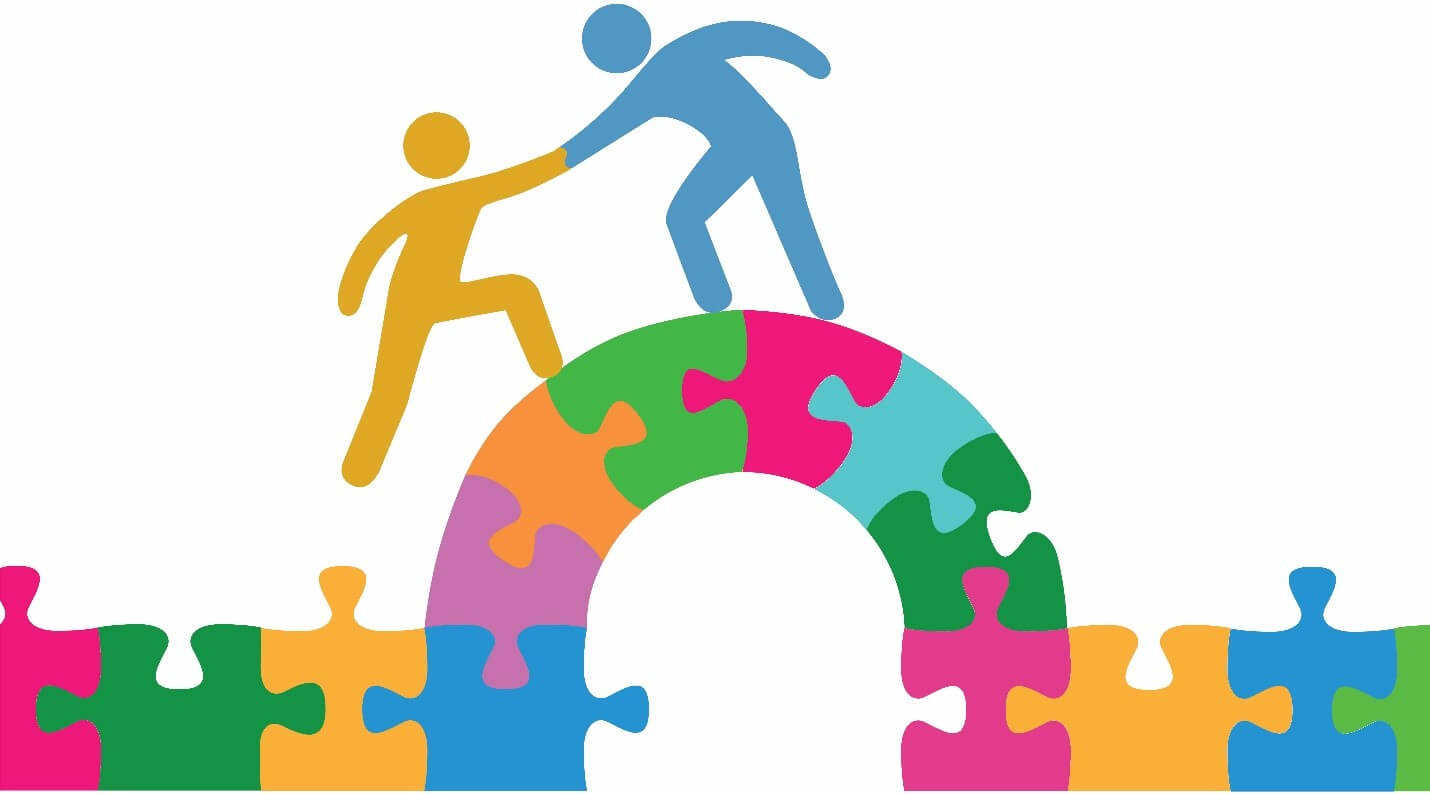
Recovery coaching is another growing part of peer support in addiction recovery. A recovery coach doesn’t tell you what to do—they work with you to set goals and overcome obstacles.
With someone by your side who has walked the same road, every step forward feels more possible. Recovery coaching helps build routines, find jobs, rebuild relationships, and stay motivated.
Why Peer Support Matters in Recovery
Recovery from addiction is rarely a straight road. There are moments of progress, but also relapses, doubts, and emotional struggles. Many individuals feel isolated, ashamed, or misunderstood, which can make the journey harder. Peer support helps break this isolation.
When people hear stories of survival and success from peers, they realize recovery is possible. It creates a sense of belonging, builds trust, and reduces the stigma around addiction. Most importantly, it shows that no one has to fight alone.

Substance Abuse Peer Support: A New Beginning
Substance abuse peer support changes lives. It’s not just about stopping drug use—it’s about rebuilding yourself from the inside out. When someone offers their hand and says, “I believe in you,” it can start a new chapter of hope and healing.
Peer support in addiction recovery shows people that they are not broken—they are brave, and they are not alone.
A Message to Teens and Young Adults Struggling with Drugs
If you’re reading this and feel stuck in addiction, please know this: You are not alone, and change is possible. Many others have stood where you are and found a better way through peer support in addiction recovery.
At Aarogya Sewa Samiti, we welcome you with open hearts and open minds. Our team and mentors are here to guide you, listen to you, and support you without judgment.
Emotional Benefits of Peer Support
Peer support is not just about staying drug-free; it also helps heal emotionally. People in recovery often struggle with guilt, shame, or loneliness. Talking to peers who understand removes these heavy feelings.
Through shared laughter, encouragement, and emotional validation, peer support helps rebuild confidence and self-worth. It reminds individuals that they are not broken—they are human, and they are capable of change.
Practical Benefits of Peer Support
In addition to emotional healing, peer support offers practical guidance for daily challenges. Peers can share tips on handling cravings, avoiding triggers, finding work, or reconnecting with family.
This kind of practical advice is valuable because it comes from real experience, not just theory. Hearing how someone else overcame a specific struggle makes the solution feel achievable.
Peer Support and Relapse Prevention
Relapse is one of the biggest concerns in addiction recovery. Many people fall back into substance abuse when they feel overwhelmed or alone. Peer support plays a critical role in relapse prevention.
By staying connected with peers, individuals have someone to call during tough times, someone who can remind them of their progress and encourage them to keep moving forward. This network of accountability and care reduces the risk of slipping back into old habits.
Building Hope Through Peer Support
The journey to recovery is about more than just avoiding drugs or alcohol—it’s about rebuilding life with purpose, joy, and hope. Peer support helps create this hope by showing real examples of people who turned their lives around.
Seeing someone who was once addicted but is now living a fulfilling, sober life inspires others to believe in their own potential. This belief often becomes the strongest force pushing them toward lasting recovery.
Peer Support for Teens and Young Adults
Younger people struggling with addiction often feel misunderstood by adults or professionals. For them, peer support can be especially powerful. When they meet peers closer to their age who have walked the same road, they feel more comfortable opening up.
This type of support helps break denial, build trust, and create a foundation for long-term recovery among the youth.
A Lifeline for Families
Addiction affects not just individuals but also families. Parents, spouses, and children also need healing and guidance. Through peer support, families can connect with others who understand their pain. This shared strength helps them stand strong and support their loved ones without losing hope.

Conclusion: Find Your Strength With Us
Recovery is not a straight line. It has ups and downs, but with peer support in addiction recovery, the path becomes clearer and stronger. Whether you need addiction peer mentorship, sober living support, or mutual aid recovery, we are here to walk with you.
If you or someone you love is struggling with substance abuse, reach out to the best rehab center in Dehradun—Aarogya Sewa Samiti. Together, we can build a future free from addiction.