Overcoming addiction is one of the most challenging journeys in life. Even after completing a recovery program, many people face the constant struggle of staying away from old habits. One of the biggest hurdles in this process is learning how to avoid addiction triggers. These triggers can be emotional, social, or environmental, and they often remind individuals of their past substance use. If not managed carefully, they can lead to relapse.
At Aarogya Sewa Samiti, we understand the difficulties people face in recovery, and that is why guidance on avoiding these triggers becomes so important. In this article, we will discuss effective strategies on how to avoid addiction triggers, the importance of self-awareness, and how to build a lifestyle that supports long-term recovery.
Understanding What Triggers Are
Before you learn how to avoid addiction triggers, it’s important to understand what they actually are. Triggers are situations, emotions, or memories that spark cravings and tempt you to return to addictive behaviours. They can be:
-
External triggers: People, places, parties, or events linked with past substance use.
-
Internal triggers: Stress, sadness, loneliness, anger, or even boredom.
Knowing the difference helps you prepare better responses. By recognizing your own triggers, you take the first step in mastering how to avoid addiction triggers.
Why Learning How To Avoid Addiction Triggers Is Important
Relapse often doesn’t happen suddenly; it starts with small reminders and emotions that grow stronger if not managed. Learning how to avoid addiction triggers is important because:
-
It reduces the chances of relapse.
-
It builds confidence in your recovery journey.
-
It creates healthier coping mechanisms.
-
It allows you to take control of your life again.
By making this a priority, you are protecting the progress you have already made.

Practical Steps on How To Avoid Addiction Triggers
1. Identify Personal Triggers
The first step in learning how to avoid addiction triggers is to list out the specific situations that make you feel vulnerable. For example, meeting old friends who still use substances, visiting places where you consumed alcohol, or even certain songs and smells that remind you of the past.
Writing them down and becoming conscious of them makes it easier to create strategies.
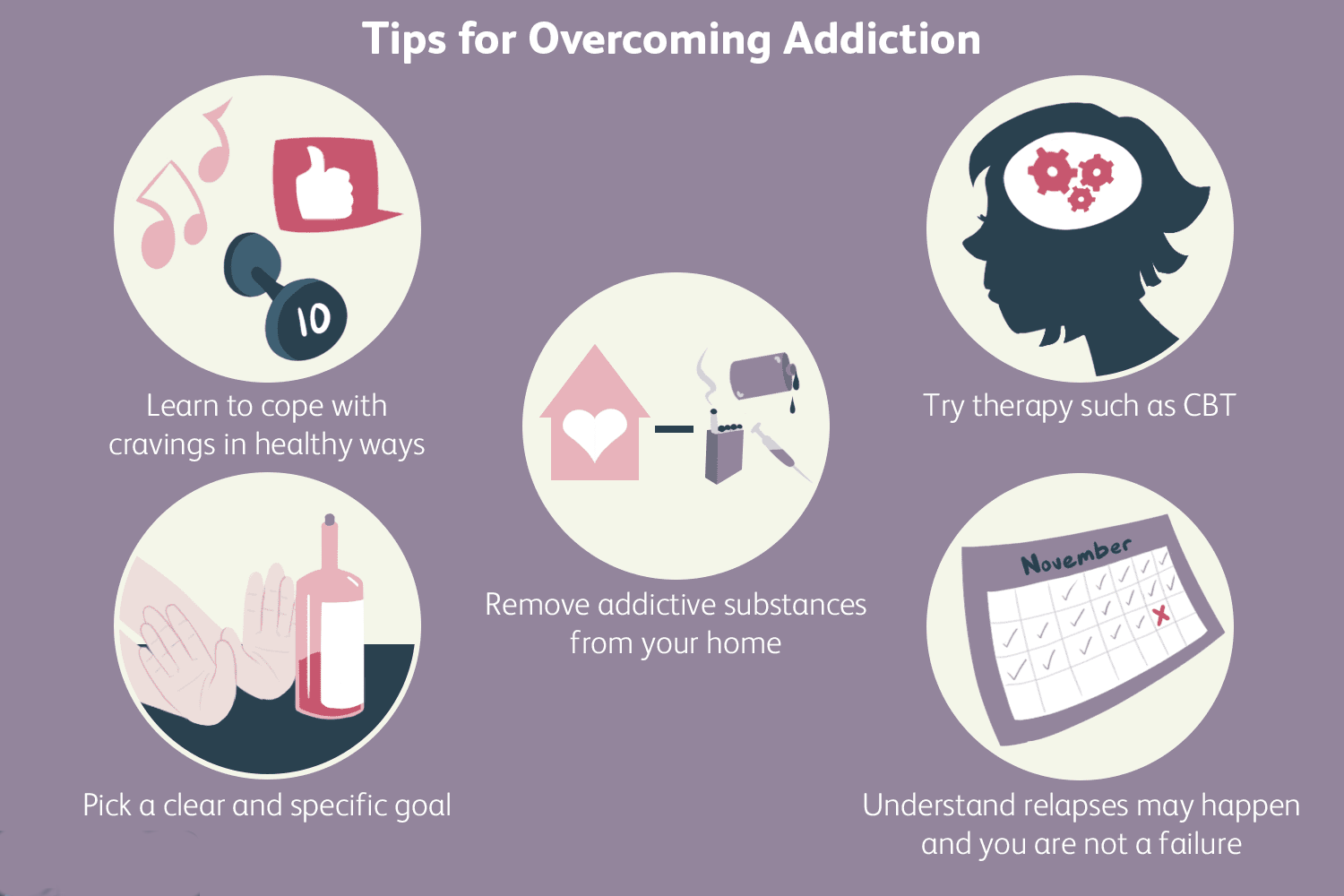
2. Change Your Environment
If your environment keeps exposing you to old habits, it becomes difficult to resist. Part of how to avoid addiction triggers is about making lifestyle changes. This could mean:
-
Avoiding bars or parties where substances are easily available.
-
Spending more time in safe, supportive spaces.
-
Creating a new daily routine that fills your time with positive activities.
3. Build a Support System
Recovery is not a journey you should take alone. A strong support system is essential in learning how to avoid addiction triggers. Surround yourself with people who encourage sobriety and understand your struggles. These can be family members, supportive friends, or recovery groups.
Having someone you can call when you feel a craving is one of the most powerful ways to manage triggers.
4. Practice Stress Management
Many people fall back into addiction due to stress. Learning how to avoid addiction triggers often means finding healthy ways to handle pressure. Some helpful methods include:
-
Meditation and breathing exercises.
-
Physical activities like yoga, walking, or gym workouts.
-
Creative outlets such as painting, writing, or music.
These activities calm the mind and provide alternatives when urges appear.
5. Replace Old Habits with New Ones
One of the most effective strategies in how to avoid addiction triggers is replacing harmful habits with meaningful ones. If you previously used substances in the evening, replace that time with something fulfilling like cooking, reading, or learning a new skill.
The brain forms new associations over time, making it easier to let go of the past.
6. Learn to Say No
Peer pressure is one of the strongest external triggers. Learning how to avoid addiction triggers also means practicing how to say no firmly but politely. You don’t owe anyone an explanation for your recovery choices. Standing strong in such moments keeps you committed to your long-term goals.
7. Seek Professional Guidance
Sometimes, willpower alone is not enough. Professional therapy or counseling can guide you on how to avoid addiction triggers by providing coping techniques tailored to your personality and lifestyle. Cognitive-behavioral therapy (CBT), for instance, helps in identifying negative thought patterns and replacing them with healthier ones.
Emotional Awareness and Triggers
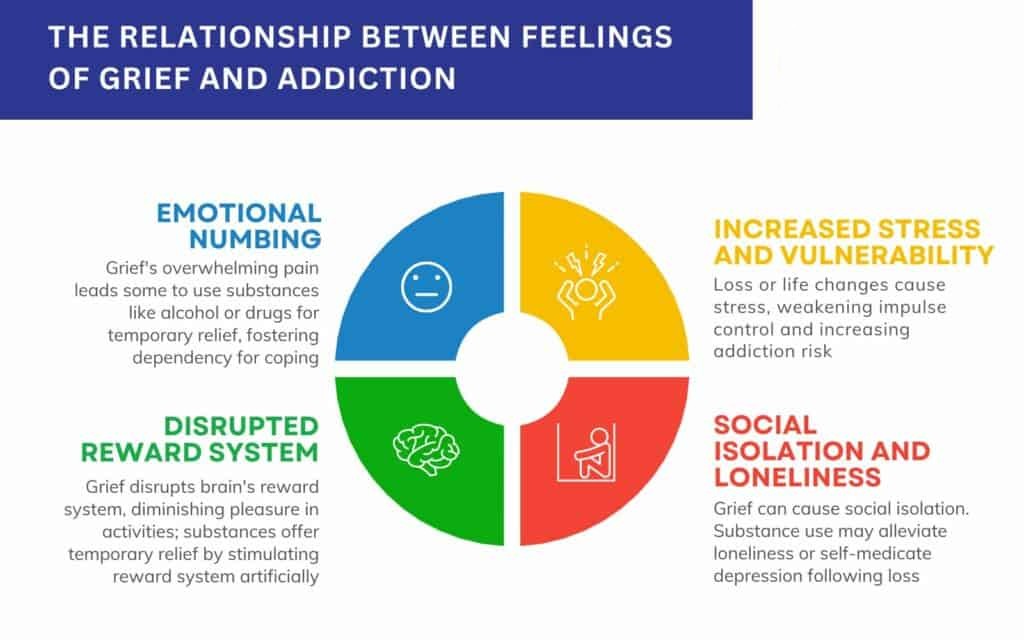
Emotions are powerful. Many people turn to substances when dealing with sadness, anger, or loneliness. Part of how to avoid addiction triggers is staying in tune with your emotional health. Journaling, therapy, and talking to trusted individuals can help you process emotions instead of suppressing them.
When you learn to recognize your feelings early, you gain more control over your actions.
Long-Term Lifestyle Changes
Learning how to avoid addiction triggers is not just about short-term fixes. It requires long-term commitment to building a life that supports sobriety. This includes:
-
Maintaining a regular sleep schedule.
-
Eating healthy, balanced meals.
-
Staying active through physical fitness.
-
Setting personal goals and working toward them.
A healthy lifestyle strengthens both the body and mind, making it easier to stay away from addiction.
The Role of Mindfulness
Mindfulness plays a major role in how to avoid addiction triggers. By staying present in the moment, you can observe your thoughts without letting them control you. When a craving comes, instead of reacting immediately, pause, breathe, and remind yourself that urges are temporary.
This small shift in awareness can prevent relapse and give you confidence in your journey.
How Family Can Help in Avoiding Triggers
Family support is one of the strongest weapons in recovery. Loved ones can help you understand how to avoid addiction triggers by:
-
Encouraging you to stay away from harmful environments.
-
Helping create a stress-free home environment.
-
Joining family therapy sessions for better communication.
When families work together, the recovery journey becomes less lonely and more hopeful.

Overcoming Setbacks
Sometimes, despite your best efforts, you might face setbacks. This does not mean you have failed. Part of learning how to avoid addiction triggers is accepting mistakes as lessons. Instead of feeling guilty, analyze what caused the slip, talk to a counsellor, and strengthen your strategy.
Every step forward, no matter how small, counts in your recovery.
Conclusion
Staying away from addiction is a lifelong commitment, and one of the most important parts of this journey is understanding how to avoid addiction triggers. By identifying personal triggers, changing your environment, building a support system, and practicing mindfulness, you can create a life free from addiction.
If you or someone you know is struggling, professional help is always available. Aarogya Sewa Samiti provides support and guidance to individuals in their recovery journey. For those seeking a trusted Rehab Centre in Dehradun, we are here to stand by you every step of the way, helping you rebuild life with strength, hope, and dignity.