Recovery from addiction is a complex journey, and for many, the path is not limited to substance abuse alone. A large number of individuals face another hidden challenge — mental health issues that co-exist with addiction. This condition is known as dual diagnosis, and addressing it is not just important but essential for true healing. At Aarogya Sewa Samiti, we emphasise a holistic and integrated approach, especially for those battling both addiction and mental health disorders.
Aarogya Nasha Mukti Kendra has long recognised that untreated mental health conditions often fuel substance use and vice versa. That’s why we prioritise identifying and treating both conditions simultaneously. Our recovery programs are built to ensure patients don’t just get sober but also gain emotional stability, mental clarity, and a strong foundation for long-term well-being.
This article explores the importance of acknowledging and treating dual diagnosis in recovery, why it’s often overlooked, and how comprehensive care can lead to lasting change. Whether you’re a family member, healthcare provider, or someone struggling with addiction, understanding dual diagnosis can change the recovery outcome entirely.
Understanding What Dual Diagnosis Really Means:
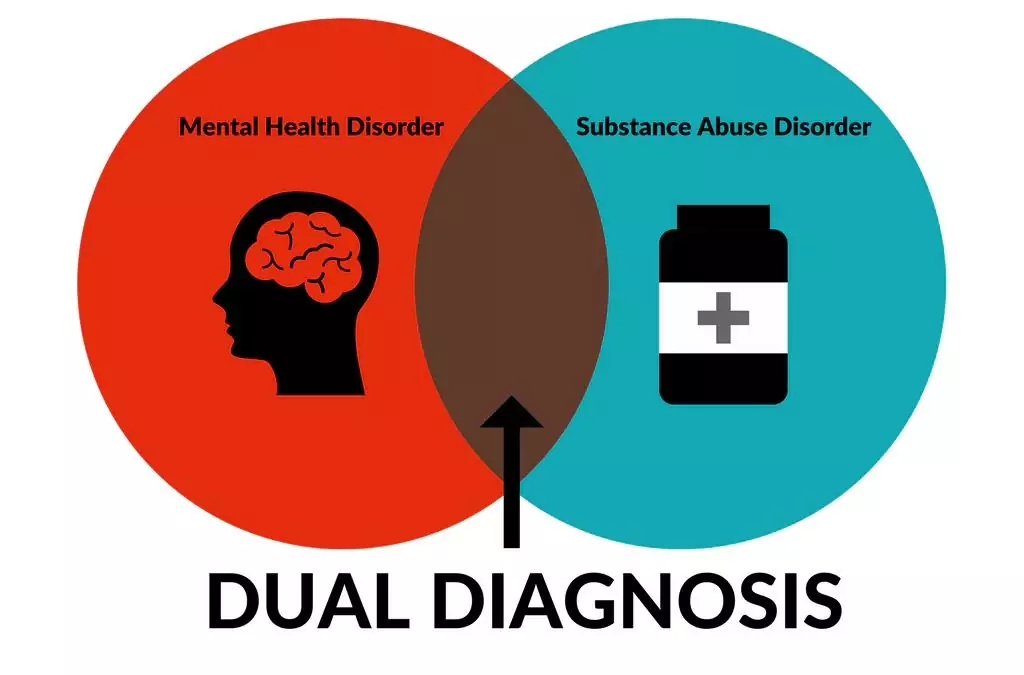
Dual diagnosis refers to a condition where a person suffers from both a substance use disorder and a co-occurring mental health issue. Common combinations include depression and alcohol abuse, anxiety and opioid addiction, or bipolar disorder and cocaine use. Both conditions interact, making the treatment process more complex and multifaceted.
Unfortunately, many individuals enter rehab without being properly assessed for underlying mental illnesses. As a result, their recovery is incomplete, and they often relapse. This is why addressing dual diagnosis is not optional—it’s necessary for real recovery.
At Aarogya nasha mukti kendra, we conduct thorough psychological evaluations at the time of intake to ensure that no underlying mental health issues go undiagnosed. We believe that recognising dual diagnosis early can significantly impact the effectiveness of treatment and the sustainability of sobriety.
Why Dual Diagnosis is Often Overlooked
There are several reasons why dual diagnosis is frequently missed or mismanaged. First, symptoms of mental illness and substance abuse often overlap—making it hard to distinguish which condition came first. Second, stigma and lack of awareness around mental health may prevent individuals from disclosing their emotional struggles.
Traditional rehab programs that treat only addiction fail to offer solutions for people with dual diagnosis. This is one of the primary reasons relapse rates are high in individuals who were never treated for their co-occurring mental health disorders.
Moreover, not every treatment centre is equipped with trained mental health professionals who can provide psychiatric care alongside addiction treatment. This is where centres like Aarogya Rehab stand apart, offering a structured, clinical, and therapeutic environment tailored specifically for dual diagnosis patients.
Treating Both Conditions: A Holistic Approach
Recovery from dual diagnosis requires a carefully integrated treatment plan that addresses both the addiction and the mental health disorder simultaneously. At Aarogya Rehab, we offer:
-
Integrated Therapy: Individual and group therapy sessions focused on both substance abuse and mental health.
-
Medication Management: When appropriate, psychiatric medications are prescribed to stabilise mood or reduce anxiety and depression.
-
Behavioural Therapies: Such as CBT (Cognitive Behavioural Therapy) and DBT (Dialectical Behavioural Therapy), which are effective for managing thoughts and behaviours linked to both disorders.
-
Family Counselling: Addiction and mental health impact the whole family. Family therapy helps rebuild trust and improve communication.
This level of coordinated care ensures that both disorders are not only treated but also monitored closely, reducing the risk of relapse and long-term complications.
The Risks of Untreated Dual Diagnosis
Leaving dual diagnosis untreated can have serious consequences. These may include:
-
Increased risk of relapse
-
Poor physical health and chronic conditions
-
Legal and financial troubles
-
Suicidal thoughts or behaviours
-
Damaged relationships and isolation
When one condition is ignored, the other worsens. A person who suffers from untreated depression may use drugs or alcohol to self-medicate, and continued substance use will exacerbate mental illness. This dangerous cycle can only be broken when both conditions are acknowledged and addressed together.
At Aarogya Nasha Mukti Kendra, we are committed to interrupting this cycle and guiding individuals toward total healing—not just temporary sobriety.
Real Stories: When Treatment Meets Understanding
We have seen numerous clients at Aarogya Sewa Samiti transform their lives after finally receiving proper dual diagnosis treatment. One young man, who had struggled for years with anxiety and alcoholism, was finally able to maintain long-term sobriety after he began therapy for his anxiety disorder. Another client battling PTSD and heroin addiction is now two years clean and working as a peer counsellor.
These stories are not rare—they’re reminders that recovery is possible when both parts of the problem are treated with equal care and attention.

Building a Sustainable Life in Recovery
Recovery from dual diagnosis does not end when someone leaves rehab. It’s a continuous process that includes aftercare, support networks, and lifestyle changes. Follow-up counselling, support groups, and regular psychiatric check-ups play a crucial role in sustaining progress.
Aarogya Sewa Samiti ensures every client walks away with a personalised aftercare plan that includes mental health support, relapse prevention tools, and access to ongoing therapy. We don’t just aim for sobriety; we aim for total wellness and long-term emotional health.
Final Thoughts
In the landscape of addiction recovery, the presence of dual diagnosis is more common than most people realise. Treating only the addiction without addressing the mental health issue is like putting a bandage on a wound that requires stitches. Comprehensive care is not just better—it’s essential.
If you or someone you love is facing both addiction and emotional health challenges, don’t settle for partial treatment. Turn to the Best Nasha Mukti Kendra in Dehradun, Aarogya Sewa Samiti, where recovery is more than detox—it’s a total life transformation. Our team is committed to supporting individuals through every step of their dual diagnosis journey, ensuring that they emerge not just sober—but stronger, healthier, and more self-aware.