Nicotine withdrawal symptoms typically begin within a few hours after quitting and peak around the third day. Common symptoms include intense cravings, irritability, anxiety, headaches, difficulty sleeping, restlessness, increased appetite, and mood swings. These symptoms usually last 3 to 4 weeks, gradually easing as the body adjusts to the absence of nicotine.
Nicotine Withdrawal Symptoms
Quitting nicotine is one of the toughest battles a person can fight, not because of lack of willpower, but because Nicotine Withdrawal Symptoms affect the brain, body, and emotions all at once. If you’ve tried quitting before and found yourself irritated, restless, unable to sleep, or overwhelmed by sudden cravings — you’re not alone. This experience is universal, and it does not mean you’re weak. It simply means your body is healing.
At Aarogya Sewa Samiti, Leading Nasha Mukti Kendra In Dehradun, we work closely with individuals who are fighting nicotine dependence, and every recovery journey shows one truth: withdrawal discomfort is temporary, but the benefits of quitting last forever. If you ever feel stuck, confused, or unsure about how to handle Nicotine Withdrawal Symptoms.
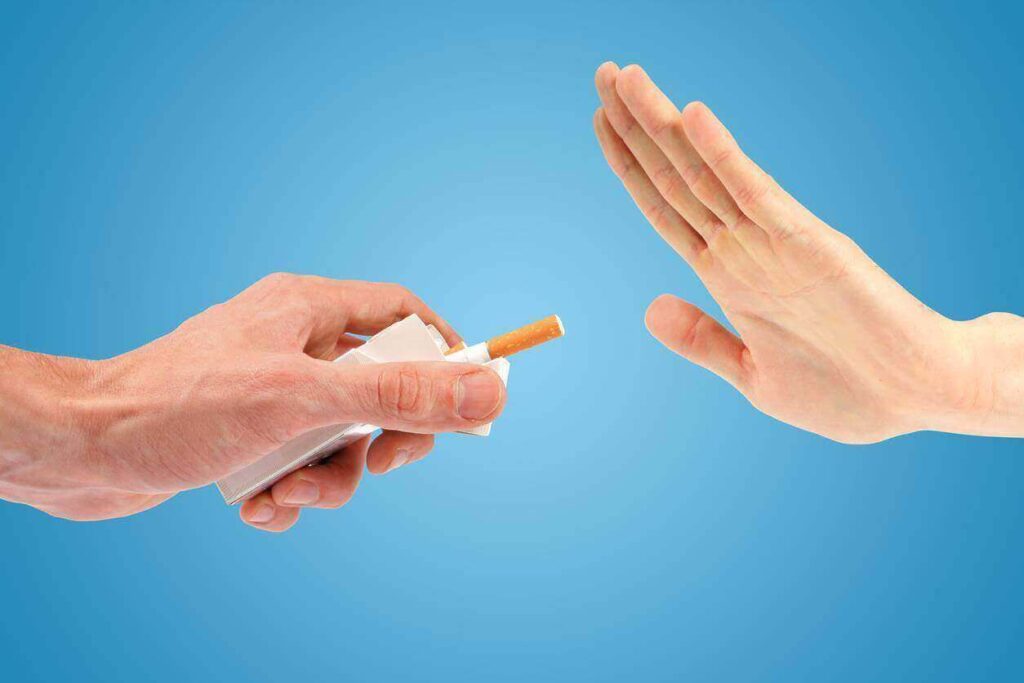
What Are Nicotine Withdrawal Symptoms?
Nicotine Withdrawal Symptoms are the changes your mind and body go through after stopping cigarettes, tobacco, or vaping devices. Because nicotine creates dependency in the brain’s reward centres, when you stop supplying it, the brain reacts with discomfort and urges.
Why Nicotine Creates Such Strong Dependence
Nicotine is one of the fastest-acting addictive substances. Within seconds of inhaling, nicotine reaches the brain and releases dopamine — your “feel good” chemical.
Over time, your brain starts demanding nicotine to maintain normal function.
So when you quit, Nicotine Withdrawal Symptoms appear as your brain adjusts back to a healthier, natural balance.
How Long Do Nicotine Withdrawal Symptoms Last?
The timeline varies, but generally:
- Day 1–3: Most intense cravings
- Week 1–2: Irritability, headaches, restlessness
- Week 3–4: Mood swings reduce
- After 1 Month: Major physical symptoms ease
- 2–3 Months: Psychological cravings may still appear
Remember: Every day without nicotine is one step closer to freedom.
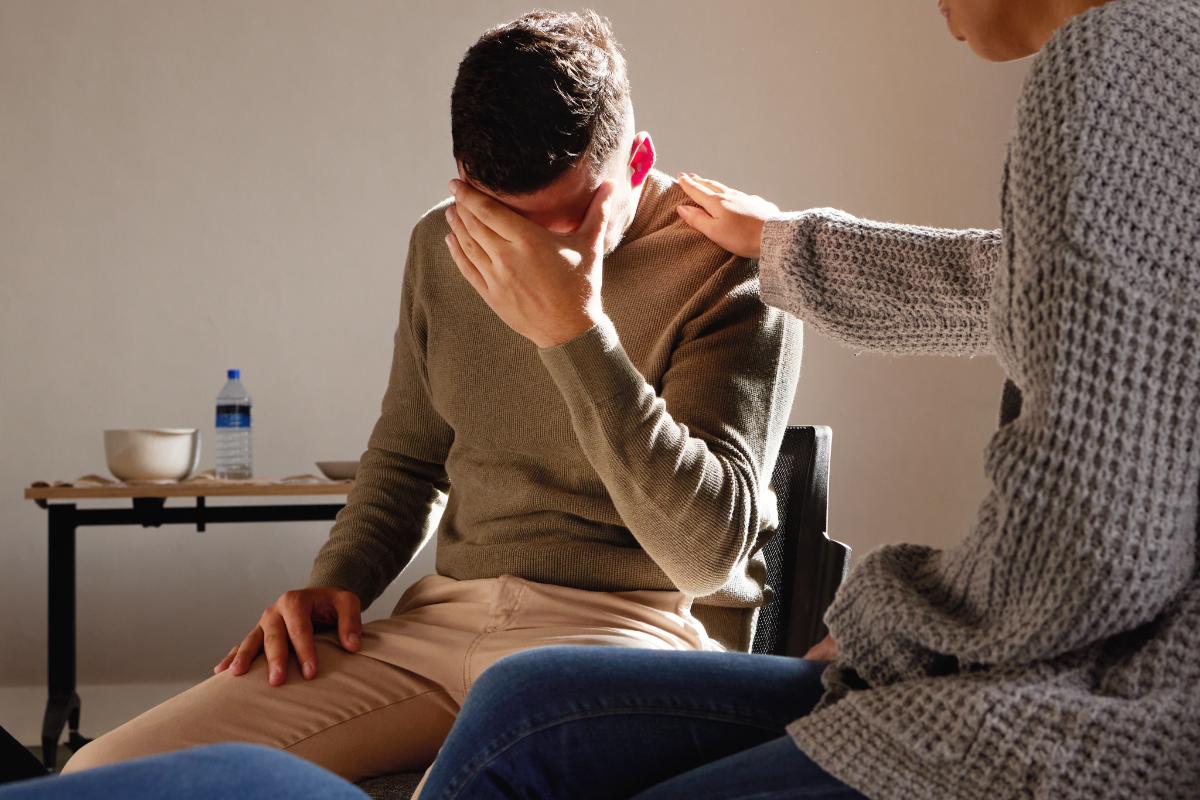
Common Physical Nicotine Withdrawal Symptoms
Nicotine Withdrawal Symptoms show up physically because your body is repairing itself. Some common signs include:
- Headaches: Due to changes in blood flow and oxygenation.
- Fatigue: Nicotine artificially boosts alertness; without it, the body feels tired.
- Increased Appetite: Your metabolism adjusts when nicotine is removed.
- Digestive Changes: Constipation or nausea can occur temporarily.
- Sleep Disturbances: Insomnia or vivid dreams are very common during early withdrawal.
Emotional and Psychological Nicotine Withdrawal Symptoms
These are often the hardest part of quitting:
- Irritability
- Anxiety
- Sudden anger or frustration
- Mood swings
- Feeling empty or bored
These symptoms occur because the brain must relearn how to regulate dopamine naturally.

Behavioural Symptoms to Watch For
Many people use nicotine during specific emotional or routine moments.
You may notice:
- Urge to smoke after meals
- Cravings when stressed
- Desire to vape when alone
- Habit cravings (phone + cigarette, driving + cigarette)
These are learned behaviours, and breaking them takes time.
The Stages of Nicotine Withdrawal
Understanding these stages helps you prepare mentally.
- Stage 1 — The Crash (0–72 hours): Strong cravings, irritability, headaches.
- Stage 2 — Adjustment Phase (Week 1–2): Mood swings decrease; sleep improves.
- Stage 3 — Psychological Phase (Weeks 3–4): Habit-based cravings appear occasionally.
- Stage 4 — Freedom Phase (1–3 months): The body begins functioning normally without nicotine.
Every stage is a step closer to becoming nicotine-free.
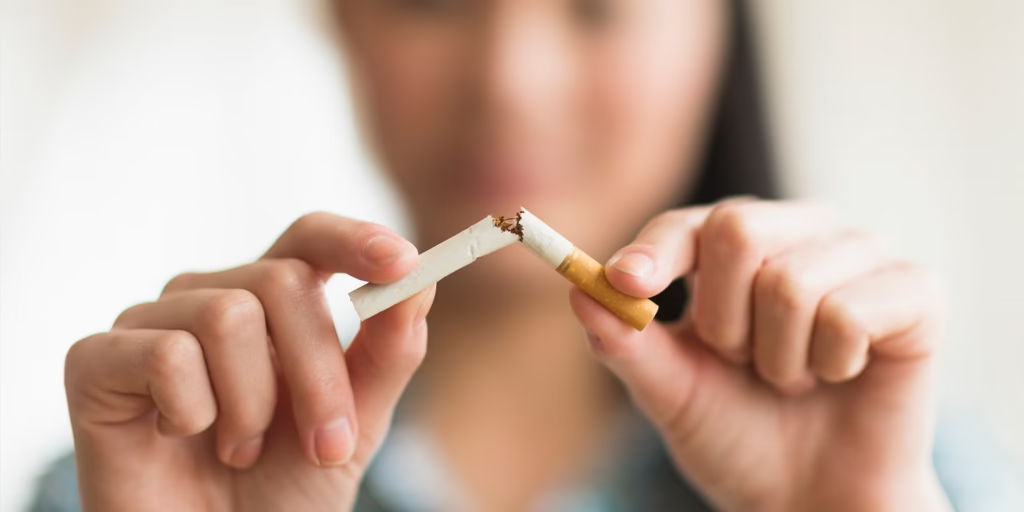
Proven Ways to Manage Nicotine Withdrawal Symptoms
Here are expert-backed strategies used at Aarogya Rehab:
1. Water Therapy
Hydration flushes out nicotine from the bloodstream faster.
2. Healthy Snacks
Cravings last only 3–5 minutes.
Keep nuts, fruits, gum, or roasted chana handy.
3. Deep Breathing Exercises
A 5-second inhale + 5-second exhale reduces craving intensity instantly.
4. Delay Technique (The 5-Minute Rule)
When cravings hit, delay for 5 minutes — they pass 90% of the time.
5. Mindfulness & Meditation
These reduce stress-based Nicotine Withdrawal Symptoms.
6. Physical Activity
Walking for even 10 minutes cuts cravings by 50%.
7. Avoid Triggers
Stay away temporarily from:
-
smokers
-
stressful arguments
-
alcohol
-
late nights
8. Nicotine Replacement Options
(Only if prescribed)
-
gums
-
patches
-
lozenges
9. Journaling
Write your triggers, emotions, and wins.
10. Support System
Talking to a counsellor or support group is proven to reduce relapse risk.
Daily Routine to Reduce Nicotine Withdrawal Symptoms
A simple routine we recommend at Aarogya:
-
Morning: Lemon water + deep breathing
-
Noon: Light walk + healthy meal
-
Evening: Herbal tea instead of smoking breaks
-
Night: Early sleep schedule, calming activities
This reduces stress, inflammation, and cravings.

What You Should NOT Do During Withdrawal
Avoid:
-
staying near smokers
-
excessive caffeine
-
skipping meals
-
isolating yourself
-
overthinking slip-ups
-
believing cravings will last forever
They don’t — your body heals every day.
When to Seek Professional Help
You should consider support if:
- cravings feel uncontrollable
- Symptoms last more than 6 weeks
- You relapse repeatedly
- Withdrawal affects work, mood, or relationships
Quitting without help is possible but much harder. A rehab environment provides structure, counselling, and emotional support.
How Aarogya Rehab Helps Individuals Quit Nicotine
At Aarogya Rehab, our team uses evidence-based methods to manage Nicotine Withdrawal Symptoms:
- counselling & therapy
- behavioural modification
- relapse prevention training
- emotional support groups
- lifestyle & nutrition plans
Many guests tell us quitting nicotine was easier once they had proper guidance.
Conclusion — Your Freedom Journey Starts Today
Nicotine Withdrawal Symptoms may feel overwhelming, but they are temporary signs of the body healing from addiction. With the right strategies, support system, and guidance, every craving becomes weaker and your determination becomes stronger.
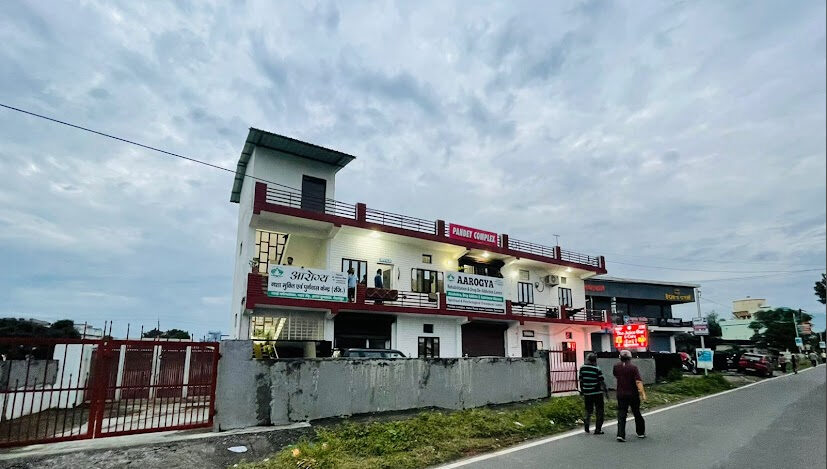
If you or your loved one is looking for structured help in quitting nicotine, Aarogya Rehab Dehradun stands as the best rehab centre in Dehradun, offering compassionate care and evidence-based treatment. A healthier, smoke-free life begins with one brave step — and you’re already on that path.