Alcohol detox safely clears alcohol from the body while managing withdrawal risks like tremors and seizures under medical care. It stabilises patients, preventing dangers and preparing for lasting therapy. Aarogya Sewa Samiti, Nasha Mukti Kendra in Dehradun, delivers guided detox with family support—empowering you toward a brighter, sober future today.
What Is Alcohol Detox
Alcohol detox is the first and most crucial step toward recovery, especially for individuals who have been dependent on alcohol for months or years. Detoxification helps the body eliminate alcohol while managing withdrawal symptoms safely. At Aarogya Rehab, we guide patients through a medically supervised alcohol detox process, ensuring physical safety, emotional stability, and long-term recovery readiness.
In India, organisations working in public health, such as Arogya Sewa Samiti, Dehradun, highlight how alcohol addiction has become a major concern, affecting both young and older adults. Their advocacy emphasises the need for medically supervised alcohol detox because sudden withdrawal without professional help can be dangerous and even life-threatening. Understanding the detox timeline helps individuals and families know what to expect and how to prepare for recovery.
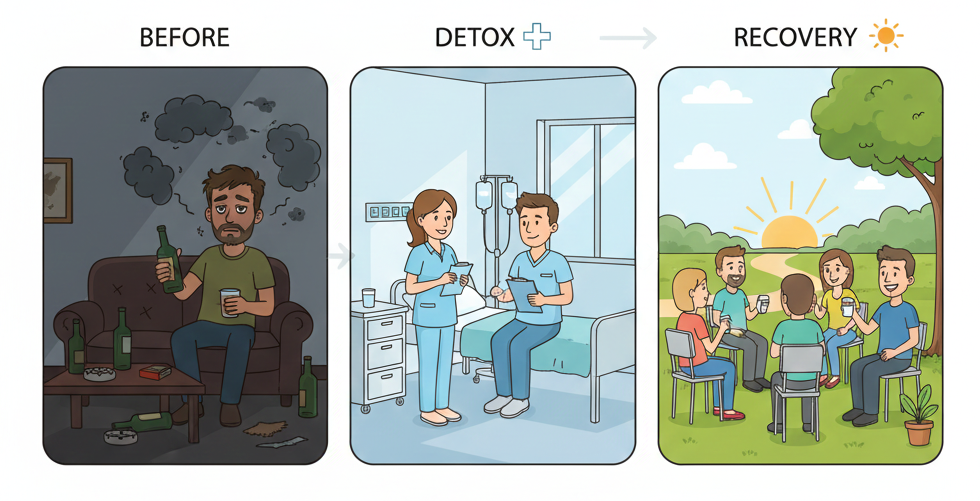
This detailed guide explains the stages, symptoms, timeline, and care involved in alcohol detox at an Indian rehabilitation centre.
Understanding Alcohol Detox and Why It’s Necessary
Alcohol detox is a structured medical process designed to help the body safely eliminate alcohol while minimising withdrawal complications. When someone stops drinking after long-term heavy consumption, the body reacts intensely because alcohol has altered brain chemistry, especially neurotransmitters associated with relaxation and reward.
Why Alcohol Detox Is Critical:
-
Prevents severe withdrawal symptoms
-
Protects vital organs from shock
-
Stabilises mental health
-
Reduces craving intensity
-
Prepares the mind and body for therapy
Alcohol withdrawal can range from mild anxiety to severe complications such as delirium tremens (DTs).
Factors That Influence the Alcohol Detox Timeline
Every patient’s detox journey is unique. The recovery timeline depends on:
-
Duration of alcohol use
-
Quantity and frequency of consumption
-
Age and physical health
-
Co-occurring mental health issues
-
Previous withdrawal history
-
Nutritional health and liver functioning

The Complete Alcohol Detox Timeline at an Indian Rehab
A professional alcohol detox program takes place in medically supervised settings with constant monitoring. Below is a stage-by-stage explanation of what patients can expect.
Stage 1 — Early Withdrawal Symptoms (6–12 hours after last drink)
The earliest signs of withdrawal typically start within 6 hours.
During this stage of alcohol detox, the most common symptoms include:
- Anxiety
- Irritability
- Tremors
- Sweating
- Nausea or mild vomiting
- Difficulty sleeping
- Rapid heartbeat
These symptoms may not look severe initially, but they indicate the body’s dependency. Patients are monitored regularly at this stage.
Medical interventions may include:
- Hydration
- Vitamin therapy (especially B1/thiamine)
- Mild sedatives, if needed
The purpose is to stabilise the body before symptoms intensify.
Stage 2 — Peak Withdrawal Symptoms (24–48 hours)
This is the most intense phase of detox, where symptoms peak.
Typical symptoms include:
- High blood pressure
- Profuse sweating
- Confusion
- Heightened anxiety
- Mood swings
- Insomnia
- Severe tremors
- Headaches
For some individuals, hallucinations may appear around this stage. Medical professionals closely track vital signs to ensure safety.
Interventions include:
- Detox medication
- Anticonvulsants
- Sedatives for extreme agitation
- Nutritional supplements
- Oxygen support if required
In Indian rehabs, this stage is handled cautiously because complications can escalate quickly without medical monitoring.
Stage 3 — Severe Withdrawal & Risk Phase (48–72 hours)
This is the most critical part of alcohol detox, especially for individuals with long-term heavy use. During this period, the risk of delirium tremens (DTs) is highest.
Symptoms of Severe Withdrawal:
-
Hallucinations
-
Fever
-
Seizures
-
Extreme agitation
-
Disorientation
-
Heart irregularities
-
High body temperature
Delirium tremens can be fatal without proper care. This is why alcohol detox must be supervised in a rehab environment rather than attempted at home.
Medical intervention may involve:
- Intravenous fluids
- ICU-level monitoring
- Sedation
- Oxygen therapy
- 24/7 nursing support
Indian rehab centres are equipped to handle severe withdrawal, ensuring patient safety through every stage.
Post-Acute Withdrawal Syndrome (PAWS): Weeks to Months
Even after the physical symptoms settle, individuals may face lingering psychological and emotional symptoms known as Post-Acute Withdrawal Syndrome.
This phase of alcohol detox can last weeks or months.
Common PAWS symptoms include:
- Sudden mood swings
- Fatigue
- Anxiety
- Memory issues
- Difficulty focusing
- Cravings
- Sleep disturbances
PAWS requires psychological support, therapy, lifestyle change, and long-term follow-up. It’s a crucial focus in rehabilitation-based alcohol detox programs.
Medical Support During Detox at an Indian Rehab
A structured alcohol detox involves a multidisciplinary medical team:
- Doctors specialising in addiction medicine
- Psychiatrists
- Trained nurses
- Clinical psychologists
- Nutritionists
- Counsellors
Their combined effort ensures the detox process is safe, comfortable, and effective.
Common Interventions:
- Monitoring vital organs
- Managing electrolyte balance
- Preventing seizures
- Relieving anxiety
- Ensuring adequate nutrition
- Sleep management
- Preventing dehydration
Detox is not just about eliminating alcohol—it’s about restoring the entire physiological system.
Psychological Therapy During Alcohol Detox
Chemicals may leave the body within days, but the mind requires deeper healing. Psychological therapies are incorporated alongside for sustainable recovery.
Key Therapies Include:
- Cognitive Behavioural Therapy (CBT)
- Motivational Interviewing
- Relapse Prevention Therapy
- Trauma Counselling
- Family Therapy
- Mindfulness Meditation
Emotional stability reduces the intensity of withdrawal and helps individuals stay committed to sobriety.
Nutritional Support During Alcohol Detox
Long-term alcohol use severely damages nutritional levels, especially vitamins and minerals. A structured detox includes:
- Vitamin B1 (Thiamine)
- Vitamin B6
- Magnesium
- Folate
- Hydration therapy
- High-protein meals
- Fruits and vegetables are rich in antioxidants
These help the body recover faster and reduce withdrawal intensity.
Holistic Therapies in Alcohol Detox
Indian rehabs often blend modern medicine with traditional wellness methods.
Holistic therapies used during alcohol detox include:
- Yoga for relaxation
- Pranayama for breath control
- Meditation
- Art therapy
- Music therapy
- Massage therapy
- Nature therapy
- Journaling and expressive writing
These improve mental stability, reduce cravings, and help individuals manage anxiety.

Life After Alcohol Detox: What Comes Next?
Detox is only the first step for long-term recovery:
1. Residential Rehabilitation: Intensive therapy, structure, and routine.
2. Counselling & Relapse Prevention: Learning to identify triggers.
3. Family Counselling: Repairing relationships affected by addiction.
4. Skill Development: Helping individuals regain confidence.
5. Aftercare Planning: Follow-ups, tele-counselling, and support groups.
Alcohol detox prepares individuals for these deeper healing stages.
Conclusion: Safe Recovery Begins With a Guided Alcohol Detox
A supervised alcohol detox is essential for safe, comfortable, and successful withdrawal. Attempting detox at home can be extremely dangerous due to the risk of seizures, hallucinations, and life-threatening complications. With professional medical monitoring, psychological support, and holistic care, individuals can begin their recovery journey with confidence and stability.
For those seeking structured detox care rooted in compassion and scientific treatment in Dehradun or places nearby, the Aarogya Sewa Samiti, the best rehab centre in Dehradun, can offer a safe and supportive environment for lasting recovery and transformation.