Drug addiction treatment follows a structured, evidence-based path that helps individuals regain physical, emotional, and social stability. Understanding the stages of drug rehabilitation prepares families and individuals for the journey ahead and reduces uncertainty about what to expect. Below is a clear and comprehensive breakdown of each phase, written in a practical and easy-to-apply format to support informed decision-making.
Stages of Drug Rehabilitation
The stages of drug rehabilitation form the backbone of modern de-addiction treatment models. Rehab is not a single event—it is a step-by-step transformation that rebuilds the mind, body, and identity of the person struggling with addiction. At Aarogya Sewa Samiti, we emphasize emotional safety, scientific therapies, and long-term habit restructuring.
Building upon this foundation, the initial phase often involves medically-assisted detoxification, which manages acute withdrawal symptoms safely under professional supervision, clearing the body of the addictive substance and preparing the individual for deeper therapeutic work. Following detox, the focus shifts to intensive inpatient or outpatient therapy, utilising evidence-based approaches like Cognitive Behavioural Therapy (CBT) and motivational interviewing to address the root causes of the addiction, develop crucial coping mechanisms, and prevent relapse by teaching clients how to navigate triggers and high-risk situations.
Finally, the aftercare planning stage is critical, ensuring a successful transition back to daily life through ongoing support groups, sober living arrangements, and continued individual counselling to solidify the long-term commitment to recovery. This article explains each stage in detail, helping individuals and families understand how recovery truly works and why each phase matters.

Stage 1: Awareness and Acceptance
The first stage of drug rehabilitation begins long before someone enters a treatment centre. Awareness is the turning point—the moment when a person realises:
-
“Something is wrong.”
-
“I cannot control this anymore.”
-
“I need help.”
-
Acknowledges the damage caused by substance use
-
Feels fear about losing health, relationships, career, or dignity
-
Realises their life is not in their control
-
Hints that they need support but feel ashamed
Families often play a critical role here. Compassion, not confrontation, encourages acceptance. Without self-awareness, no amount of external pressure works.
Stage 2: Motivation and Readiness
In this stage, individuals experience a mix of fear, hope, and confusion. They may ask questions:
-
“Will rehab help me?”
-
“What will happen inside?”
-
“Can I rebuild my life?”
This stage of drug rehabilitation focuses on strengthening motivation. At Aarogya Rehab, counsellors use Motivational Interviewing (MI) to reduce resistance and increase willingness.
-
Reduce denial
-
Build trust
-
Boost confidence to start treatment
-
Prepare emotionally for detox and withdrawal
Once readiness is achieved, the person moves to formal admission.
Stage 3: Detoxification (Detox)
Detox is one of the most crucial stages of drug rehabilitation because it addresses physical dependence. It usually lasts 7–14 days, depending on the substance.
-
Remove harmful substances from the body
-
Stabilise physical health
-
Manage withdrawal symptoms safely
-
Medical monitoring
-
Hydration and nutritional support
-
Medication-assisted treatment when required
-
Supportive counseling
Detox alone is NOT recovery—it simply prepares the brain and body for deeper psychological healing.
Stage 4: Withdrawal Management
Withdrawal can be physically painful and emotionally challenging. This stage ensures the person remains safe and stable.
-
Anxiety
-
Insomnia or excessive sleep
-
Irritability
-
Sweating or chills
-
Mood swings
-
Cravings
Rehab centres provide clinical supervision, therapeutic support, and structured routines to reduce discomfort. Proper withdrawal management prevents early relapse and builds confidence for the next phase.
Stage 5: Psychological Therapy and Counselling
Once the physical body is stable, the stages of drug rehabilitation shift to psychological treatment. This is the heart of recovery.
-
CBT (Cognitive Behavioural Therapy)
-
DBT (Dialectical Behavioural Therapy)
-
Trauma-informed therapy
-
Family Therapy
-
Motivational Enhancement Therapy
-
Relapse Prevention Therapy
-
Explore the root causes of addiction
-
Correct distorted thought patterns
-
Heal trauma or emotional wounds
-
Build healthier coping mechanisms
-
Strengthen emotional stability
This stage often lasts 1–3 months, depending on the severity of addiction.
Stage 6: Behavioural Modification & Skill Building
Addiction destroys discipline, routines, and self-control. This stage focuses on building new patterns.
-
Sleep-wake cycle
-
Time management
-
Social behavior
-
Anger management
-
Stress tolerance
-
Impulse control
-
Morning routines
-
Meditation and yoga
-
Fitness and nutrition
-
Journaling
-
Communication skills
-
Occupational skill enhancement
Aarogya Rehab emphasises habit formation because long-term recovery depends on consistent daily routines.
Stage 7: Group Therapy and Peer Support
Group therapy provides a sense of belonging—something many individuals lose during addiction.
-
Reduces isolation
-
Builds accountability
-
Helps individuals learn from others
-
Improves communication skills
-
Provides motivation and hope
Stages of drug rehabilitation are not just about personal transformation but also social connection and community rebuilding.
Stage 8: Family Involvement and Education
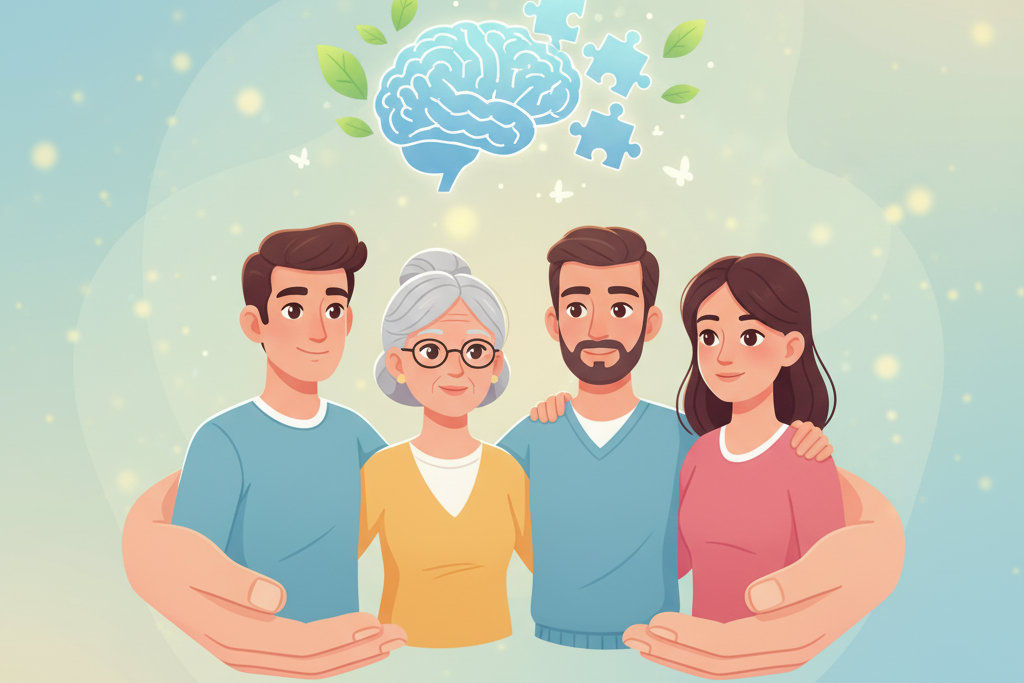
Addiction affects the entire family. Therefore, one of the essential stages of drug rehabilitation is family healing.
-
Understanding addiction as a disease
-
Setting boundaries
-
Communication training
-
Learning triggers and relapse signs
-
Eliminating unhealthy patterns at home
When families heal together, relapse rates drop significantly.
Stage 9: Relapse Prevention Planning
Relapse does not mean failure—it is a risk that must be managed. This stage builds a powerful relapse prevention plan.
-
Identifying personal triggers
-
Building coping strategies
-
Recognizing warning signs
-
Strengthening emotional resilience
-
Assigning accountability partners
Individuals also learn the difference between:
-
Emotional relapse
-
Mental relapse
-
Physical relapse
Prevention begins with self-awareness and timely intervention.
Stage 10: Social Reintegration
Rehab isn’t the end—life after rehab is where true recovery begins.
-
Returning to work or studies
-
Repairing relationships
-
Restoring financial discipline
-
Re-entering society confidently
This is one of the most sensitive stages because individuals face real-world stressors for the first time without substances.
Supportive aftercare is essential here.
Stage 11: Aftercare, Continued Therapy, and Support Groups
The final stage of drug rehabilitation is long-term support.
-
Weekly therapy sessions
-
Support group meetings (AA/NA)
-
Continued psychiatric care if required
-
Follow-up assessments
-
Tele-counselling
Aftercare reduces relapse risk by reinforcing healthy habits and providing emotional stability.
Long-Term Growth and Identity Rebuilding
Beyond the official stages of drug rehabilitation, individuals evolve into a stronger version of themselves. The goal is not just to quit drugs but to:
-
Build self-respect
-
Find purpose
-
Strengthen identity
-
Develop healthy relationships
-
Lead a meaningful, productive life
With holistic treatment, people rediscover confidence, dignity, and emotional balance.
Rehabilitation as a Journey of Self-Discovery and Emotional Evolution
One of the most overlooked aspects of the stages of drug rehabilitation is the profound emotional and psychological transformation that takes place as individuals move through structured care. Recovery is not simply about removing substances; it is about rediscovering the parts of oneself that were lost, ignored, or suppressed during addiction. Rehab becomes a place of personal rebirth—where individuals learn to understand who they truly are without the influence of drugs.
Conclusion
Understanding the stages of drug rehabilitation helps individuals and families approach treatment with clarity and confidence. Each stage is designed to rebuild the mind, body, and lifestyle step-by-step.
For those seeking recovery support, the best Rehab center in Dehradun – Aarogya Sewa Samiti can offer structured programs, compassionate care, and long-term guidance for sustainable healing.