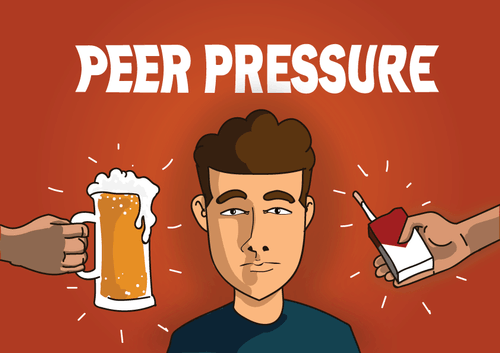
Peer pressure and addiction are closely connected, especially among teenagers and young adults. Many people start using alcohol, drugs, or cigarettes to fit in, avoid rejection, or feel accepted socially. Over time, occasional use can turn into dependency. Awareness, guidance, and professional support can help prevent or recover from peer-influenced addiction.
Peer Pressure and Addiction: How Influence Leads to Substance Abuse
Peer groups shape how we speak, behave, and even think. Sometimes, these influences are positive—but other times, they push individuals toward harmful habits. The relationship between peer pressure and addiction is often hidden, subtle, and gradual. By the time a person realises the impact, dependency may have already begun.
Addiction rarely starts with intent. Instead, it begins with curiosity, social acceptance, or the fear of being left out. Understanding this psychological link is one of the most powerful steps in healing, awareness, and prevention.At Arogya Rehabilitation Centre Dehradun, we see many individuals who never planned to develop dependency, yet slowly slipped into substance use because of social pressure or the need to fit in. By the time self-awareness develops, the addiction may already feel overwhelming and difficult to break.
What Makes Peer Pressure So Powerful?
Many people give in to peer influence because of emotional and psychological needs. The connection between peer pressure and addiction often begins with:
- Fear of rejection
- Social approval
- Insecurity
- Curiosity
- The need to belong
Humans naturally seek acceptance. When acceptance is tied to substance use, the risk of addiction increases dramatically.
How Peer Pressure Triggers Addiction
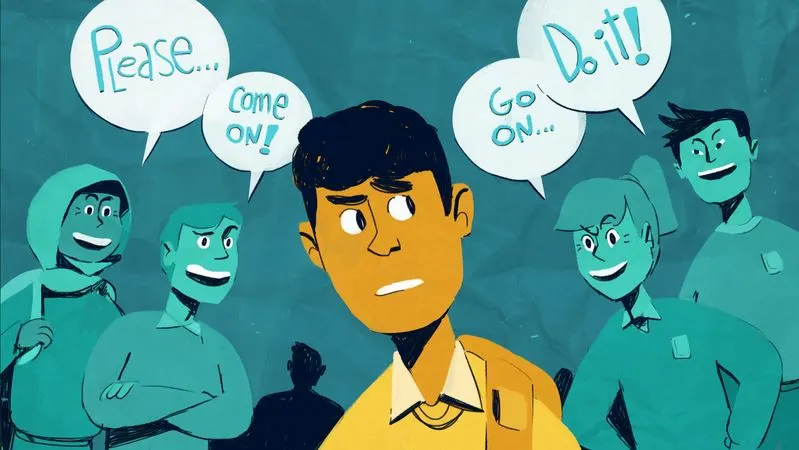
Most individuals do not begin using substances intentionally. The cycle typically begins with statements like:
“Try it once.”
“It’s harmless.”
“Everyone does it.”
At this stage, peer pressure and addiction start merging. The person doesn’t see the risk—they only see belonging, validation, and identity.
Direct vs Indirect Peer Pressure
Peer influence can be obvious or silent. Both forms contribute heavily to addiction.
1. Direct Peer Pressures
This includes verbal persuasion, teasing, dares, or emotional manipulation.
Examples:
- “Don’t be boring.”
- “Prove you belong with us.”
Direct pressure is more noticeable and easier to identify.
2. Indirect Peer Pressure
This form is subtle. No one tells someone to use a substance; instead, they imitate others.
Example:
Sitting in a group where everyone smokes may make a person feel obligated to join.
This is where peer pressure and addiction become deeply intertwined without conscious awareness.
Why Teenagers and Young Adults Are More Vulnerable
Adolescence is a time when identity is fragile and belonging matters more than logic. The brain is still developing, especially the decision-making centre, which makes teens more sensitive to peer influence.
For young adults, triggers may include:
- College culture
- Stress from studies or career
- A desire to seem confident or independent
These life phases make the connection between peer pressure and addiction especially strong.

Signs a Person Is Influenced by Peer Pressure
If someone is slipping into harmful habits due to social influence, they may show:
- Sudden personality shifts
- New or secretive friend groups
- Lack of interest in family or old hobbies
- Financial issues without explanation
- Increased irritability or withdrawal
Recognising these early signs helps prevent long-term dependency.
The Emotional Cost of Peer-Driven Addiction
Addiction caused by peer influence carries emotional weight. As awareness grows, individuals often feel:
- Shame
- Regret
- Confusion
- Loss of identity
- Loneliness
This emotional burden may make quitting harder, keeping the cycle between peer pressure and addiction alive.
Breaking Free From Peer-Induced Addiction
Freedom begins with awareness and action. Recovery requires both emotional strength and professional support.
1. Identify the Source
Understanding how peer pressure and addiction became linked helps separate the behaviour from the self.
2. Change the Social Circle
Recovery is almost impossible while staying in the same triggering environment.
3. Seek Professional Assistance
Therapy and rehabilitation provide structure, guidance, and emotional healing.
Effective treatment may include:
- Cognitive Behavioural Therapy (CBT)
- Motivational counselling
- Detox programs
- Life skill development
- Relapse-prevention strategies
4. Build a New Identity
Replacing old habits with positive ones empowers recovery.
New identities may be shaped through:
- Fitness
- Creative hobbies
- Education
- Support groups
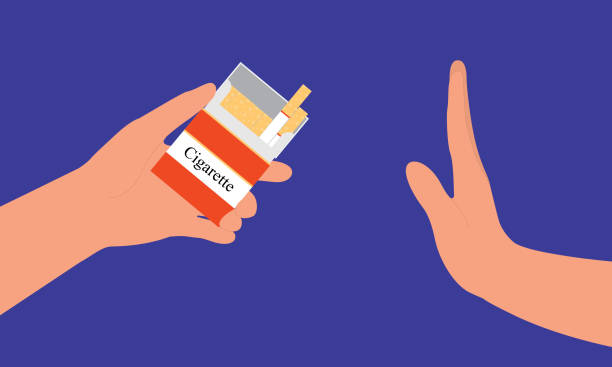
5. Develop Boundaries
Saying “no” confidently helps dissolve the influence of peer pressure.
The Role of Rehabilitation in Recovery
Rehabilitation centres offer a safe, supportive environment where individuals learn to rebuild their lives. A structured program doesn’t just detox the body—it strengthens the mind, restores confidence, and replaces toxic influence with a healthy support system.
This makes rehabilitation a key solution when peer pressure and addiction have already progressed into dependency.
Preventing Peer Pressure-Based Addiction
Prevention begins with:
- Education
- Healthy communication
- Supportive family environments
- Awareness of emotional triggers
Teaching children and young adults how to say “no” without fear” can prevent years of suffering.
Conclusion
The connection between peer pressure and addiction is powerful, but not permanent. Awareness, guidance, the right environment, and compassionate support can break the cycle. Whether someone is at the beginning of influence or deeply affected by addiction, recovery is always possible.
If you or someone you care about is struggling and searching for help, Arogya Rehabilitation Centre offers guidance, treatment, and long-lasting recovery strategies. We are proud to be recognised as the best addiction detox centre in Dehradun, helping individuals rebuild a healthier future with dignity and support.