Addiction is more than physical dependence on alcohol or drugs. It also affects emotions, thoughts, behaviors, and relationships. Many people believe that simply stopping substance use is enough to recover. However, lasting recovery requires addressing the emotional and psychological causes of addiction. This is where therapy plays a vital role.
Understanding How Therapy Helps Break the Cycle of Addiction can encourage individuals to seek professional treatment and build a healthier future. Therapy provides a safe space to understand personal challenges, develop healthy coping skills, and prevent relapse. At Aarogya Rehab, managed by Aarogya Sewa Samiti, therapy is an important part of every rehabilitation program, helping individuals achieve long-term recovery.
Understanding the Cycle of Addiction
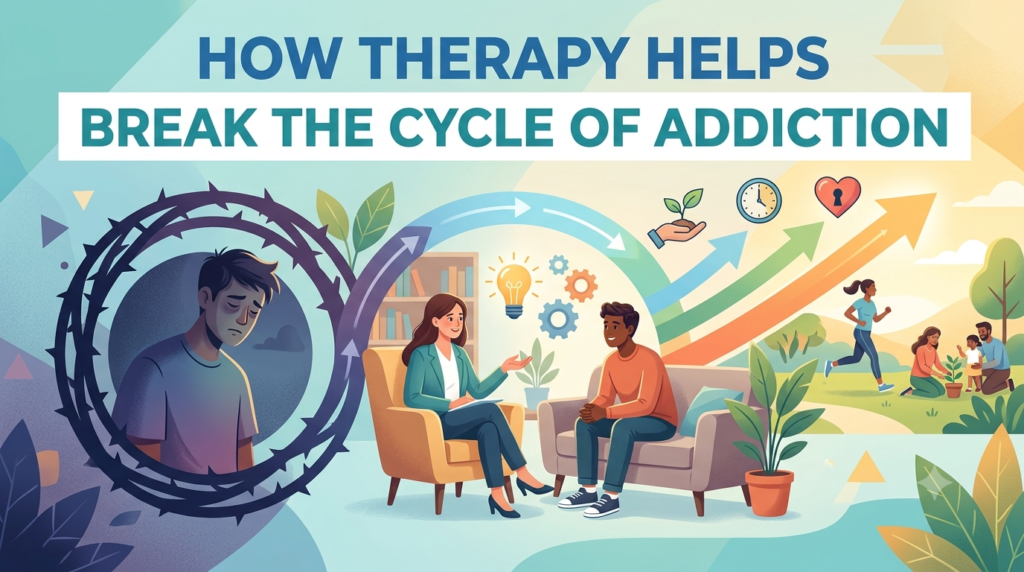
Addiction often follows a repeating pattern known as the addiction cycle.
A person may experience stress, emotional pain, or difficult situations that lead to substance use. Temporary relief follows, but as the effects wear off, guilt, anxiety, or cravings return. The individual then uses alcohol or drugs again, repeating the cycle.
This cycle usually includes:
- Emotional triggers
- Cravings
- Substance use
- Temporary relief
- Negative consequences
- Feelings of guilt or shame
- Repeat substance use
Breaking this pattern requires more than willpower. It requires professional guidance, emotional healing, and practical coping strategies.
Why Therapy Is Essential During Recovery
Therapy helps individuals understand the reasons behind their addiction instead of focusing only on the symptoms.
Many people use alcohol or drugs to cope with:
- Stress
- Anxiety
- Depression
- Trauma
- Loneliness
- Relationship problems
- Low self-esteem
Therapists help patients identify these underlying issues and replace unhealthy behaviors with healthier ways of managing emotions.
Treating the emotional causes greatly improves the chances of lasting recovery.

“Personal counselling helps individuals address the emotional causes of addiction”
Benefits of Therapy in Addiction Treatment
Therapy offers many long-term benefits beyond helping people stop using substances.
Some important benefits include:
- Improved emotional health
- Better stress management
- Increased self-confidence
- Stronger communication skills
- Healthier relationships
- Better decision-making
- Reduced relapse risk
These positive changes help individuals rebuild their lives with confidence.
Types of Therapy Used in Rehabilitation
Professional rehabilitation programs use different types of therapy based on each person’s needs.
Individual Therapy
Private counselling sessions allow patients to discuss personal struggles, emotional challenges, and recovery goals in a confidential setting.
Group Therapy
Group sessions encourage participants to share experiences, support one another, and realize they are not alone in recovery.
Family Therapy
Family counselling strengthens communication, rebuilds trust, and teaches loved ones how to support long-term recovery.
Each type of therapy contributes to lasting emotional healing.
Therapy Helps Identify Triggers
Every individual has different situations that increase the risk of substance use.
These triggers may include:
- Stress
- Financial problems
- Social pressure
- Family conflict
- Anxiety
- Depression
- Certain places or people
Therapists help individuals recognize these triggers before they lead to relapse.
Patients also learn healthier ways to respond without turning to alcohol or drugs.
Developing Healthy Coping Skills
One of the biggest goals of therapy is replacing unhealthy habits with positive coping strategies.
Therapists teach practical techniques such as:
- Deep breathing
- Mindfulness
- Problem-solving
- Emotional regulation
- Time management
- Healthy communication
- Goal setting
These skills help individuals handle life’s challenges with confidence and resilience.
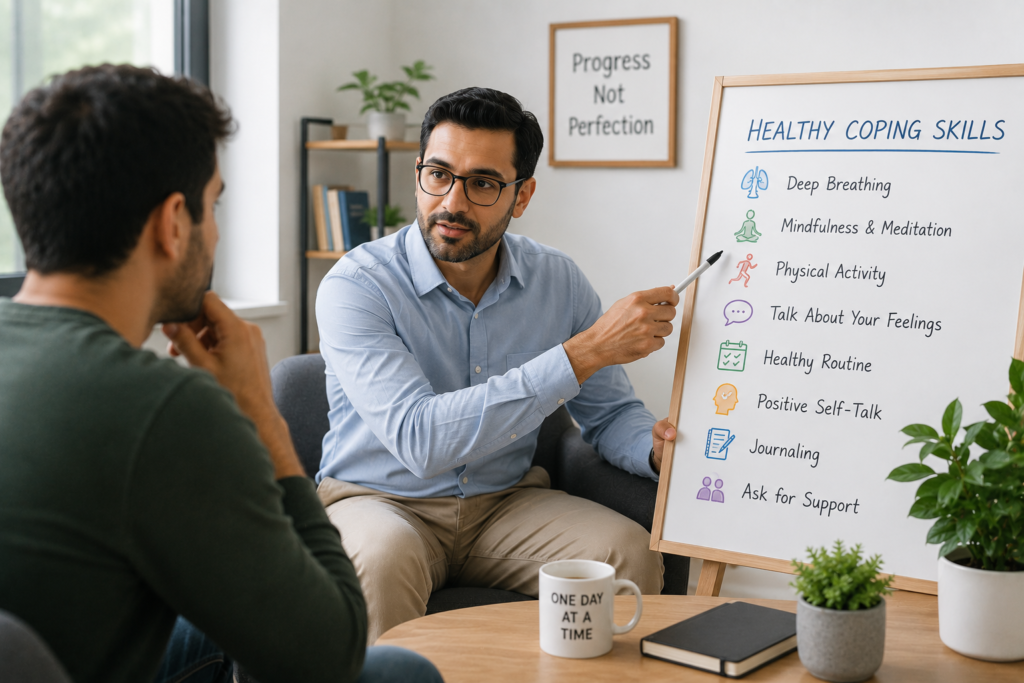
“Every coping skill learned in therapy is another step toward a healthier, addiction-free future”
Therapy Improves Mental Health
Many people with addiction also struggle with mental health challenges.
Professional therapy helps manage conditions such as:
- Anxiety
- Depression
- Emotional trauma
- Low self-esteem
- Chronic stress
Addressing mental health and addiction together creates a stronger foundation for recovery.
Patients begin to understand themselves better while developing healthier emotional responses.
How Aarogya Rehab Uses Therapy
At Aarogya Rehab, operated by Aarogya Sewa Samiti, therapy is integrated into personalized treatment plans designed to meet each patient’s unique needs.
Professional therapists work closely with individuals through counselling, behavioral therapies, family sessions, wellness activities, and relapse prevention education, ensuring comprehensive care throughout every stage of rehabilitation.
Building Confidence Through Therapy
Addiction often affects a person’s confidence and self-worth. Many individuals entering rehabilitation struggle with feelings of guilt, shame, or failure. Therapy helps replace these negative beliefs with positive thinking and realistic goals.
Through regular counselling sessions, individuals learn to:
- Accept past mistakes without losing hope.
- Focus on personal growth.
- Build healthy self-esteem.
- Develop positive habits.
- Celebrate small achievements.
- Believe in their ability to recover.
As confidence grows, individuals become more motivated to maintain a healthy, addiction-free lifestyle.
Therapy Strengthens Relationships
Addiction often damages relationships with family members, friends, and colleagues. Broken trust and poor communication can continue even after substance use stops.
Therapy helps repair these relationships by encouraging honesty, empathy, and healthy communication.
Family therapy can help loved ones:
- Understand addiction.
- Express feelings openly.
- Rebuild trust.
- Improve communication.
- Create a supportive home environment.
Healthy relationships provide emotional support that strengthens long-term recovery.
Preventing Relapse Through Therapy
One of the greatest benefits of therapy is learning how to prevent relapse. Recovery is an ongoing process, and individuals may face situations that challenge their commitment to sobriety.
Therapists help patients create a relapse prevention plan by teaching them to:
- Identify personal triggers.
- Recognize early warning signs.
- Manage cravings.
- Practice healthy coping skills.
- Reach out for support when needed.
- Maintain structured daily routines.
These strategies improve confidence and reduce the likelihood of returning to substance use.
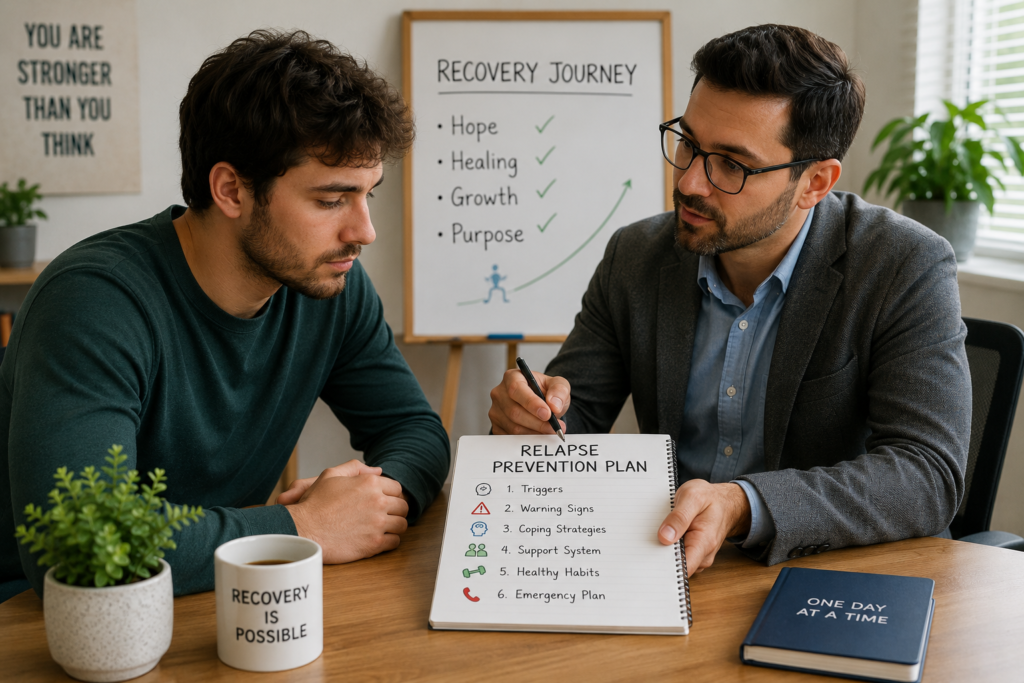
“Early support and relapse prevention planning help individuals stay focused on recovery”
The Role of Holistic Therapies
Along with counselling, holistic wellness activities help improve physical and emotional well-being. These therapies reduce stress and encourage healthier lifestyles.
Common wellness activities include:
- Yoga
- Meditation
- Physical exercise
- Healthy nutrition
- Relaxation techniques
- Mindfulness practices
These activities complement professional therapy and support long-term recovery.
How Aarogya Rehab Supports Lasting Recovery
At Aarogya Rehab, managed by Aarogya Sewa Samiti, therapy is combined with comprehensive addiction treatment to support every stage of recovery.
Patients benefit from:
- Medical detoxification
- Individual counselling
- Group therapy
- Family counselling
- Yoga and meditation
- Wellness programs
- Relapse prevention education
- Aftercare support
Every treatment plan is personalized to help individuals overcome addiction, improve emotional health, and rebuild meaningful lives.
Recovery Is a Journey of Growth
Healing from addiction takes time, patience, and commitment. Therapy helps individuals understand that setbacks do not define their future. Instead, every counselling session, healthy decision, and positive habit becomes another step toward a better life.
With continued professional support, people learn to face challenges with confidence rather than turning to alcohol or drugs. This mindset creates lasting change and encourages lifelong recovery.
Conclusion
Understanding How Therapy Helps Break the Cycle of Addiction highlights the importance of treating both the physical and emotional aspects of addiction. While medical detoxification addresses physical dependence, therapy helps individuals understand the underlying causes of substance use, develop healthier coping strategies, strengthen relationships, and reduce the risk of relapse.
At Aarogya Rehab, operated by Aarogya Sewa Samiti, therapy is an essential part of personalized rehabilitation programs. Through professional counselling, family therapy, group support, wellness activities, and ongoing aftercare, individuals receive the guidance they need to achieve lasting recovery.
Breaking the cycle of addiction is possible. With the right treatment, compassionate support, and personal commitment, every individual has the opportunity to rebuild a healthier, happier, and addiction-free future.
Frequently Asked Questions (FAQs)
1. Why is therapy important in addiction treatment?
Therapy helps individuals understand the emotional and psychological causes of addiction while teaching healthy coping skills that support long-term recovery.
2. What types of therapy are used during rehabilitation?
Common therapies include individual counselling, group therapy, family therapy, behavioral therapy, and wellness-based approaches such as mindfulness and meditation.
3. Can therapy help prevent relapse?
Yes. Therapy teaches individuals how to identify triggers, manage cravings, develop healthy routines, and respond to stressful situations without using substances.
4. Does family therapy improve recovery outcomes?
Yes. Family therapy strengthens communication, rebuilds trust, and helps loved ones provide positive support throughout the recovery journey.
5. How does Aarogya Rehab use therapy in rehabilitation?
Aarogya Rehab, managed by Aarogya Sewa Samiti, combines therapy with medical detoxification, wellness programs, family counselling, relapse prevention, and aftercare to provide comprehensive addiction treatment.