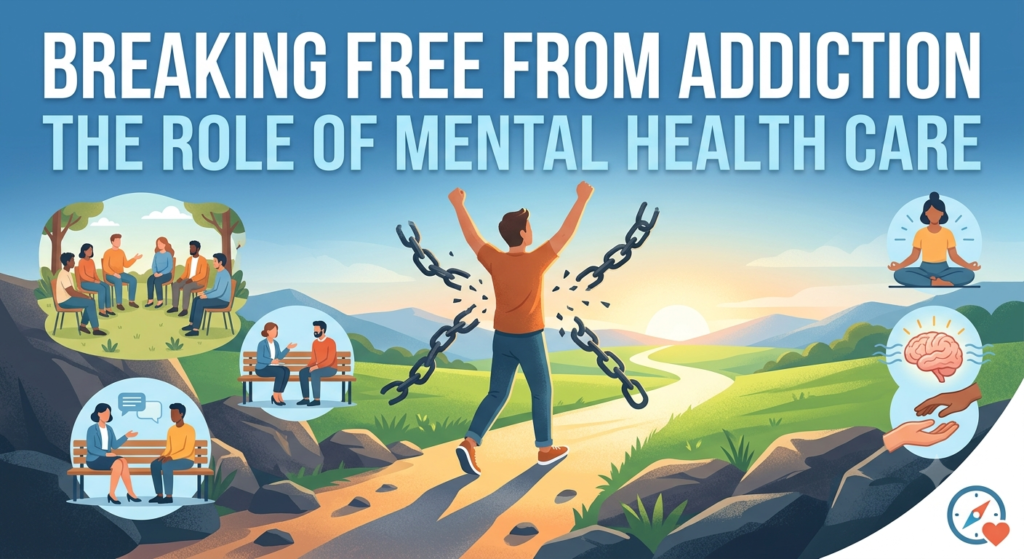
Addiction is a serious condition that affects millions of people worldwide. It impacts physical health, emotional well-being, relationships, careers, and overall quality of life. While many people think addiction is only about alcohol or drugs, mental health plays an equally important role in both the development and recovery of substance abuse. Breaking Free from Addiction: The Role of Mental Health Care is about understanding this connection and providing the right support at the right time. At Aarogya Sewa Samiti, comprehensive rehabilitation programs focus on treating both addiction and mental health to help individuals achieve lasting recovery.
Understanding Addiction
Addiction is a chronic medical condition that changes how the brain functions. It affects decision-making, self-control, and emotional balance. As substance use continues, the body becomes dependent, making it difficult for individuals to stop without professional treatment.
Many people struggling with addiction also experience emotional pain, stress, anxiety, or depression. These mental health challenges often increase the risk of substance abuse, creating a cycle that becomes difficult to break without expert care. This is why mental health care is a vital part of every successful recovery journey.
The Connection Between Mental Health and Addiction
Mental health and addiction are closely linked. People facing emotional difficulties sometimes turn to drugs or alcohol as a temporary way to escape their problems. Although substances may provide short-term relief, they often make mental health conditions much worse over time.
Conditions commonly associated with addiction include:
- Anxiety disorders
- Depression
- Post-traumatic stress disorder (PTSD)
- Bipolar disorder
- Chronic stress
- Low self-esteem
- Emotional trauma
Professional rehabilitation addresses both conditions together instead of treating addiction alone. At Aarogya Rehab, integrated treatment plans help individuals recover physically and emotionally.

“Professional Therapist Conducting One-on-One Counseling”
Why Mental Health Care Matters in Recovery
Mental health care helps individuals understand the reasons behind their addiction rather than simply focusing on stopping substance use. Therapy encourages people to recognize emotional triggers, develop healthier coping skills, and rebuild confidence.
Without proper mental health support, unresolved emotional struggles may increase the chances of relapse. Treating both addiction and psychological well-being creates a stronger foundation for long-term recovery.
Some important benefits include:
- Better emotional stability
- Improved stress management
- Reduced anxiety and depression
- Healthier relationships
- Greater self-confidence
- Stronger decision-making abilities
These improvements help individuals maintain sobriety while building a healthier lifestyle.
Common Causes of Substance Abuse
Substance abuse rarely develops because of a single reason. Usually, several personal, social, and psychological factors contribute to addiction.
Some common causes include:
- Peer pressure
- Family conflicts
- Childhood trauma
- Academic or workplace stress
- Mental health disorders
- Easy access to addictive substances
- Social isolation
- Poor coping mechanisms
Recognizing these causes allows healthcare professionals to create personalized treatment plans that address each individual’s unique circumstances.
Recognizing the Early Warning Signs
Early identification can prevent addiction from becoming more severe. Family members and friends should pay attention to behavioral and emotional changes that may indicate substance abuse.
Common warning signs include:
- Frequent mood swings
- Sudden weight changes
- Poor concentration
- Loss of interest in hobbies
- Declining work or academic performance
- Secretive behavior
- Financial problems
- Sleep disturbances
- Increased tolerance to substances
Seeking professional help during the early stages often leads to better recovery outcomes.
How Professional Rehabilitation Makes a Difference
Professional rehabilitation provides individuals with a structured and supportive environment where recovery becomes possible. Medical professionals, psychologists, counselors, and therapists work together to create individualized treatment plans based on each person’s needs.
At Aarogya Sewa Samiti, rehabilitation goes beyond treating addiction. The focus is on helping individuals regain physical health, emotional balance, confidence, and life skills necessary for independent living.
Treatment programs may include medical detoxification, psychological counseling, behavioral therapy, family support, wellness activities, and relapse prevention planning. Every step is designed to promote lasting recovery rather than temporary improvement.
Individual Counseling Builds Emotional Strength
One-on-one counseling is one of the most effective parts of addiction treatment. During therapy sessions, individuals learn to identify negative thought patterns, emotional triggers, and behaviors that contribute to substance abuse.
Professional counselors help patients replace unhealthy habits with positive coping strategies. Over time, individuals gain confidence in managing stress, resolving conflicts, and making healthier decisions without depending on addictive substances.
Group Therapy Encourages Shared Healing
Group therapy gives individuals the opportunity to connect with others facing similar challenges. Sharing experiences in a safe and supportive environment reduces feelings of loneliness and builds confidence during recovery.
Listening to success stories and learning from others helps participants stay motivated. Group sessions also improve communication skills, emotional awareness, and accountability. At Aarogya Rehab, group therapy is guided by trained professionals who ensure every participant feels respected and encouraged throughout the recovery process.
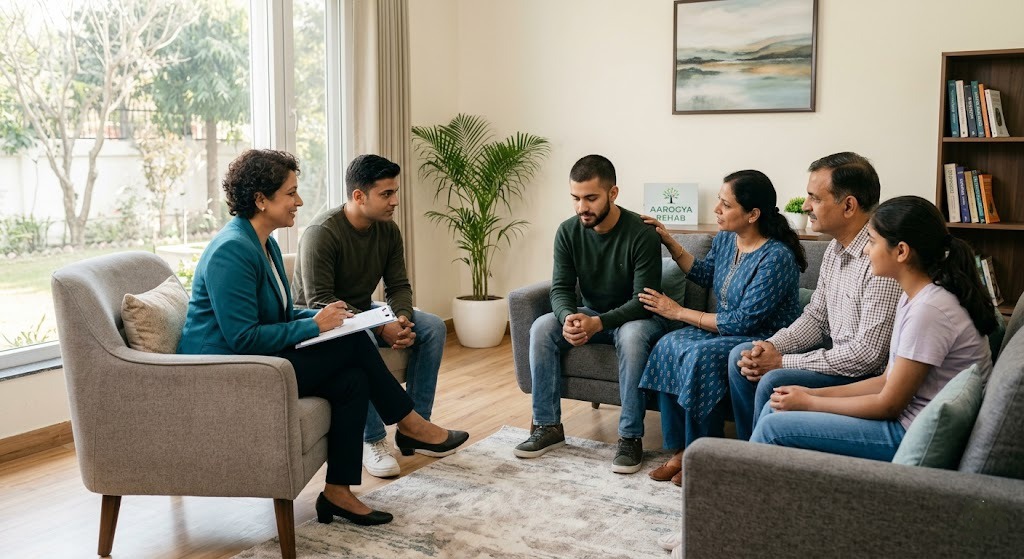
“Family counseling session during addiction treatment”
Family Support Strengthens Recovery
Addiction affects the entire family, not just the individual. Parents, spouses, siblings, and children often experience emotional stress while trying to help their loved one. Including family members in treatment creates a stronger support system and improves recovery outcomes.
Family counseling teaches effective communication, healthy boundaries, and ways to provide encouragement without enabling harmful behaviors. It also helps rebuild trust that may have been damaged during active addiction. At Aarogya Sewa Samiti, family participation is considered an important part of comprehensive rehabilitation.
Preventing Relapse Through Continuous Care
Recovery is an ongoing journey that continues even after formal treatment ends. Returning to daily life may bring stress, social pressure, or emotional triggers that increase the risk of relapse. Preparing for these situations helps individuals maintain long-term sobriety.
Effective relapse prevention strategies include:
- Identifying personal triggers.
- Attending regular counseling sessions.
- Following a structured daily routine.
- Practicing stress management techniques.
- Joining recovery support groups.
- Maintaining healthy eating and exercise habits.
- Seeking professional guidance whenever needed.
These habits strengthen confidence and reduce the chances of returning to substance use.
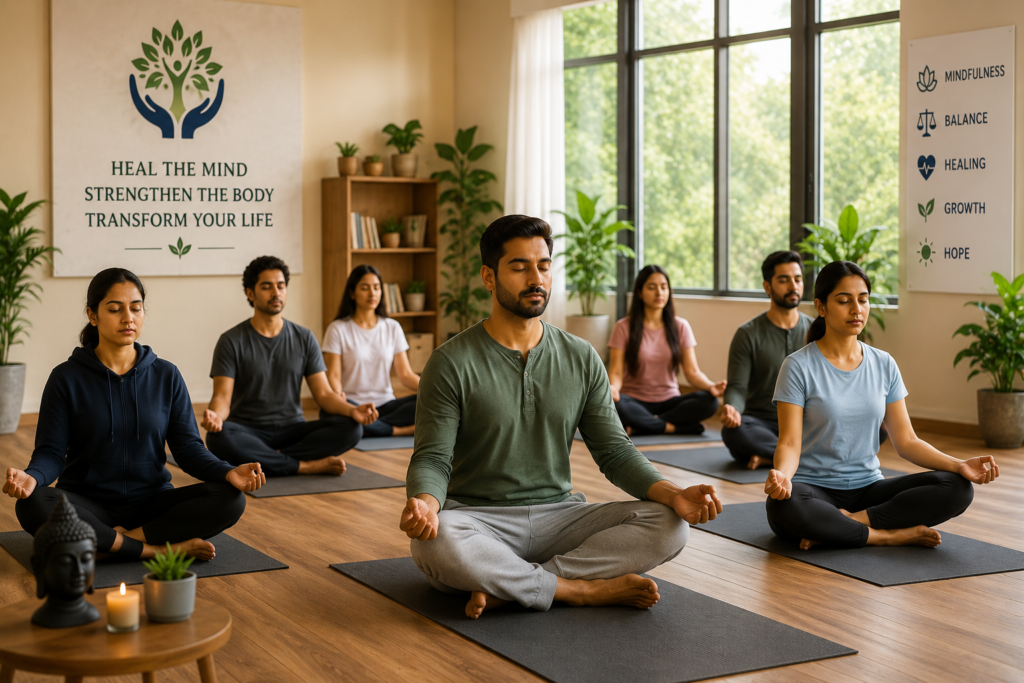
“Mental wellness is an essential part of recovery, helping individuals find balance, clarity, and inner strength”
Building a Healthy Life After Rehabilitation
Long-term recovery involves creating positive routines that support both physical and mental health. Individuals are encouraged to develop hobbies, pursue education or employment, rebuild relationships, and participate in meaningful activities that improve their overall quality of life.
Healthy habits such as regular exercise, balanced nutrition, adequate sleep, mindfulness, and social support contribute significantly to emotional stability. These lifestyle improvements help individuals remain focused on their recovery goals while enjoying a more fulfilling and independent future.
Why Choose Aarogya Sewa Samiti?
Choosing the right rehabilitation centre is an important decision for anyone seeking recovery. Aarogya Sewa Samiti provides compassionate care designed to address both addiction and mental health needs. The experienced team at Aarogya Rehab understands that every person’s journey is unique and requires individualized attention.
The rehabilitation programs emphasize medical care, psychological counseling, behavioral therapies, family involvement, and continuous aftercare. By treating the whole person rather than only the addiction, the centre helps individuals develop healthier coping skills, restore confidence, and build a strong foundation for lifelong recovery.
Frequently Asked Questions
Can addiction recovery be successful?
Yes. With professional treatment, counseling, family support, and commitment, many individuals achieve long-term recovery and lead healthy, productive lives.
Why is mental health treatment necessary during rehabilitation?
Mental health conditions often contribute to addiction. Treating emotional challenges alongside substance abuse improves recovery outcomes and lowers the risk of relapse.
How long does rehabilitation take?
The duration depends on the individual’s condition, treatment needs, and recovery progress. Every treatment plan is personalized.
Can families participate in rehabilitation?
Yes. Family counseling helps improve communication, rebuild trust, and create a supportive environment that encourages lasting recovery.
Conclusion
Breaking Free from Addiction: The Role of Mental Health Care begins with recognizing that addiction is more than physical dependence. Emotional well-being, psychological support, and healthy coping strategies are equally important for lasting recovery. Professional rehabilitation provides individuals with the guidance, structure, and encouragement needed to overcome addiction and rebuild their lives.
At Aarogya Sewa Samiti, every individual receives compassionate care focused on healing the mind, body, and spirit. Through personalized treatment plans, counseling, wellness activities, and ongoing support, Aarogya Rehab helps people move beyond addiction toward a healthier and more hopeful future. Seeking professional help today can be the first step toward lifelong recovery, renewed confidence, and a better quality of life.