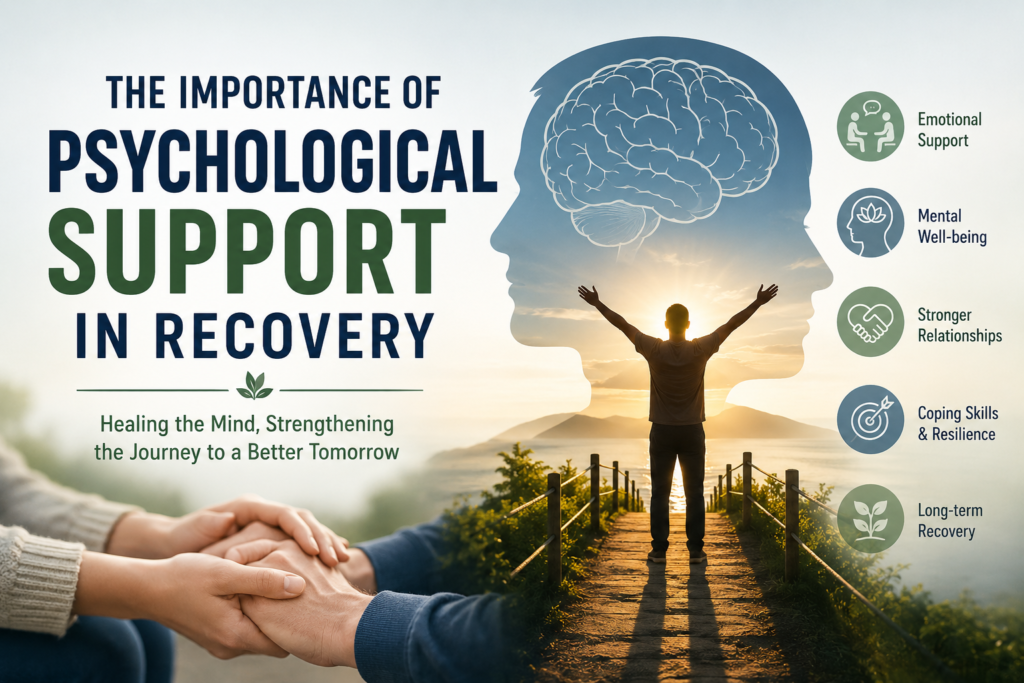
Recovery from addiction is not only about stopping alcohol or drugs. It is also about healing the mind, emotions, and behaviors that contributed to addiction in the first place. Many people believe that detoxification alone is enough, but lasting recovery requires much more than physical healing. Psychological Support in Recovery plays a vital role in helping individuals understand themselves, manage emotions, and build a healthier future.
People struggling with addiction often carry emotional pain, stress, trauma, anxiety, or depression. These issues can remain even after the body becomes free from addictive substances. Without proper mental health support, the chances of relapse increase. This is why professional counseling and therapy are essential parts of a successful recovery journey.
Aarogya Rehab, operated under Aarogya Sewa Samiti, believes that treating addiction means caring for both the body and the mind. Through personalized therapy, emotional support, and professional guidance, individuals receive the tools they need to rebuild their lives with confidence and hope.
Why Mental Health Matters During Recovery
Addiction affects the brain, emotions, relationships, and daily life. Many people use substances to escape difficult feelings rather than face them. Once substance use stops, these emotions often return with greater intensity.
Without emotional support, people may experience:
- Anxiety and excessive worrying
- Depression and sadness
- Anger and frustration
- Feelings of guilt or shame
- Low self-esteem
- Difficulty trusting others
Psychological Support in Recovery helps individuals understand these emotions instead of avoiding them. Learning healthy ways to cope creates a stronger foundation for lifelong sobriety.
Understanding Psychological Support
Psychological support includes different therapies and counseling methods that help individuals improve their mental and emotional well-being. Instead of only treating addiction symptoms, psychological care addresses the deeper reasons behind substance use.
This support helps people recognize unhealthy thought patterns, improve decision-making, and develop positive habits. As emotional health improves, maintaining sobriety becomes easier and more sustainable.
Professional therapists also teach practical skills that patients can continue using long after rehabilitation ends.
Common Emotional Challenges During Recovery
Recovery is a journey filled with both successes and challenges. Emotional struggles are completely normal during this process.
Some common difficulties include:
- Cravings for alcohol or drugs
- Mood swings
- Fear of failure
- Stress from rebuilding life
- Loneliness
- Relationship conflicts
- Financial worries
- Social pressure
Without proper guidance, these emotions can become overwhelming. Psychological Support in Recovery teaches healthier responses so that emotional difficulties do not lead back to addiction.
The Connection Between Addiction and Mental Health
Many individuals experience both addiction and mental health disorders at the same time. This condition is often called co-occurring disorders or dual diagnosis.
Examples include:
- Addiction with depression
- Addiction with anxiety disorders
- Addiction with trauma-related conditions
- Addiction with panic disorders
- Addiction with obsessive thoughts
Treating only addiction without addressing mental health often leaves the root problems unresolved. At Aarogya Rehab, experienced professionals work to identify these underlying conditions so every individual receives comprehensive care.
Integrated treatment improves long-term recovery and supports overall well-being.
How Counseling Supports Recovery
Counseling provides a safe and confidential environment where individuals can openly discuss their thoughts and feelings without fear of judgment.
During counseling sessions, patients learn how to:
- Express emotions in healthy ways
- Build confidence
- Identify triggers
- Handle stress effectively
- Improve communication skills
- Set realistic recovery goals
- Strengthen motivation
Regular counseling creates accountability while helping individuals stay focused on their recovery journey.
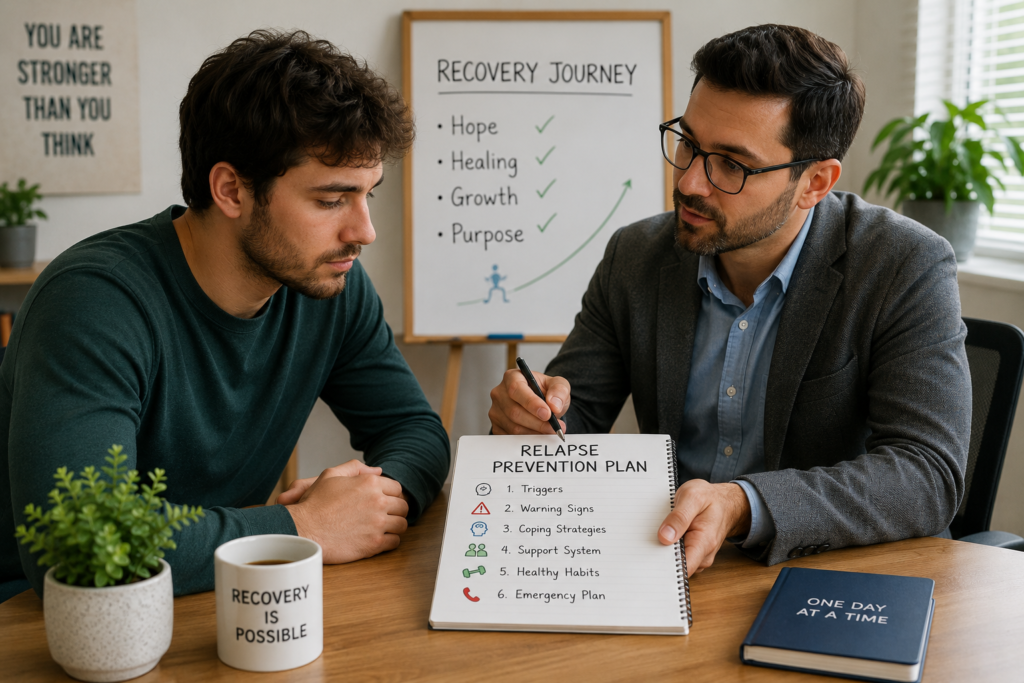
“Honest conversations with trained professionals build confidence, emotional strength, and long-term recovery”
Building Healthy Coping Skills
One of the biggest reasons people relapse is the lack of healthy coping mechanisms. When life becomes stressful, returning to substance use may seem like the easiest solution.
Therapy helps replace harmful habits with healthier alternatives such as:
- Deep breathing exercises
- Meditation
- Journaling
- Physical exercise
- Creative hobbies
- Time management
- Positive self-talk
- Problem-solving techniques
These practical skills empower individuals to face life’s challenges without depending on addictive substances.
Recognizing Personal Triggers
Every individual has unique triggers that may increase the desire to use alcohol or drugs. These triggers may be emotional, social, environmental, or psychological.
Common triggers include:
- Stress at work
- Family conflicts
- Negative friendships
- Loneliness
- Financial pressure
- Celebrations involving alcohol
- Emotional pain
- Past traumatic experiences
Through Psychological Support in Recovery, individuals learn to recognize these triggers early and create practical plans to avoid or manage them safely.
Developing Emotional Resilience
Recovery is not about avoiding problems; it is about learning how to respond to them in healthier ways. Emotional resilience allows people to recover from setbacks without losing hope.
Therapists encourage individuals to:
- Accept temporary difficulties
- Practice patience
- Celebrate small achievements
- Learn from mistakes
- Maintain realistic expectations
Over time, emotional resilience becomes one of the strongest protections against relapse.
The Role of Family in Psychological Recovery
Addiction rarely affects only one person. It impacts parents, spouses, children, siblings, and close friends as well. Families often experience stress, confusion, disappointment, and emotional pain while watching a loved one struggle with substance use. Healing these relationships is an important part of long-term recovery.
Psychological Support in Recovery includes family counseling sessions that help rebuild trust and improve communication. Family members learn about addiction, understand the recovery process, and discover healthy ways to support their loved one without enabling harmful behaviors. When the family heals together, the recovery journey becomes stronger and more stable.
Group Therapy Creates a Sense of Belonging
Many people recovering from addiction feel isolated or believe that no one understands what they are going through. Group therapy helps remove this feeling by bringing together individuals who share similar experiences and recovery goals.
During group sessions, participants can:
- Share personal experiences openly.
- Learn from others’ recovery journeys.
- Receive encouragement and motivation.
- Build healthy friendships.
- Improve communication and social skills.
- Develop confidence in expressing emotions.
Listening to others often reminds people that recovery is possible and that they are never alone. These supportive relationships continue to provide strength even after formal treatment ends.
Cognitive Behavioral Therapy (CBT) in Recovery
One of the most effective approaches used during addiction treatment is Cognitive Behavioral Therapy (CBT). This therapy focuses on identifying unhealthy thoughts and replacing them with positive and realistic thinking patterns.
CBT helps individuals:
- Recognize negative thought patterns.
- Challenge harmful beliefs.
- Control impulsive behaviors.
- Reduce anxiety and stress.
- Improve decision-making.
- Build healthier daily habits.
At Aarogya Rehab, CBT is often included as part of personalized treatment plans because it equips individuals with practical tools they can use throughout life.
Managing Stress Without Substance Use
Stress is one of the most common reasons people return to alcohol or drugs after treatment. Daily responsibilities, work pressure, family concerns, and financial challenges can become overwhelming if healthy coping methods are not developed.
Psychological Support in Recovery teaches individuals how to manage stress through positive techniques instead of turning to addictive substances. These may include relaxation exercises, guided meditation, mindfulness practices, regular physical activity, and structured daily routines.
Learning to stay calm during difficult situations increases confidence and reduces the risk of relapse.
Building Self-Esteem and Self-Confidence
Many individuals entering rehabilitation struggle with feelings of failure, guilt, or low self-worth. Addiction often damages confidence, making it difficult for people to believe they can build a better future.
Therapists encourage individuals to recognize their strengths instead of focusing only on past mistakes. Small achievements during recovery, such as maintaining sobriety, improving relationships, or learning new skills, gradually restore confidence.
As self-esteem improves, people become more motivated to continue making healthy choices and achieving long-term recovery goals.
Addressing Trauma During Recovery
For many individuals, addiction develops as a way of coping with painful life experiences. Childhood trauma, abuse, grief, violence, or major emotional losses may remain unresolved for years. If these experiences are ignored, emotional pain can continue to trigger substance use.
Professional therapists create a safe and supportive environment where individuals can process traumatic experiences at their own pace. Healing from trauma helps reduce emotional distress and supports lasting recovery.
At Aarogya Sewa Samiti, compassionate mental health professionals understand the importance of treating both addiction and the emotional wounds that often accompany it.
Developing Healthy Daily Habits
Recovery becomes easier when individuals establish positive routines that support both physical and mental well-being. Therapy encourages people to create structured schedules that promote balance and stability.
Healthy daily habits include:
- Following a regular sleep schedule.
- Eating nutritious meals.
- Exercising consistently.
- Practicing mindfulness.
- Attending counseling sessions.
- Spending time with supportive people.
- Avoiding high-risk situations.
- Setting achievable personal goals.
These habits improve emotional health and reinforce the progress made during treatment.
Preparing for Life After Rehabilitation
Completing a rehabilitation program is a significant achievement, but recovery continues long after leaving the treatment center. Returning to everyday life can present new challenges, including workplace stress, social situations, and old environments associated with addiction.
Psychological Support in Recovery prepares individuals for these real-life situations by helping them develop relapse prevention strategies, improve problem-solving skills, and strengthen emotional resilience. Continued counseling and aftercare programs provide ongoing guidance, ensuring that individuals remain motivated and connected to a strong support system.
With proper preparation and professional support from Aarogya Rehab, individuals are better equipped to maintain sobriety and confidently move forward toward a healthier, more fulfilling life.
The Importance of Aftercare and Continuous Support
Recovery does not end after completing a rehabilitation program. Maintaining sobriety requires continuous effort, regular guidance, and a reliable support system. Many individuals face new challenges after returning to their daily lives, making aftercare an essential part of successful recovery.
Psychological Support in Recovery continues through follow-up counseling, support groups, relapse prevention planning, and regular mental health check-ups. These services help individuals stay motivated, manage emotional challenges, and strengthen the healthy habits developed during treatment.
Consistent professional support reduces the risk of relapse and encourages individuals to remain focused on their long-term recovery goals.
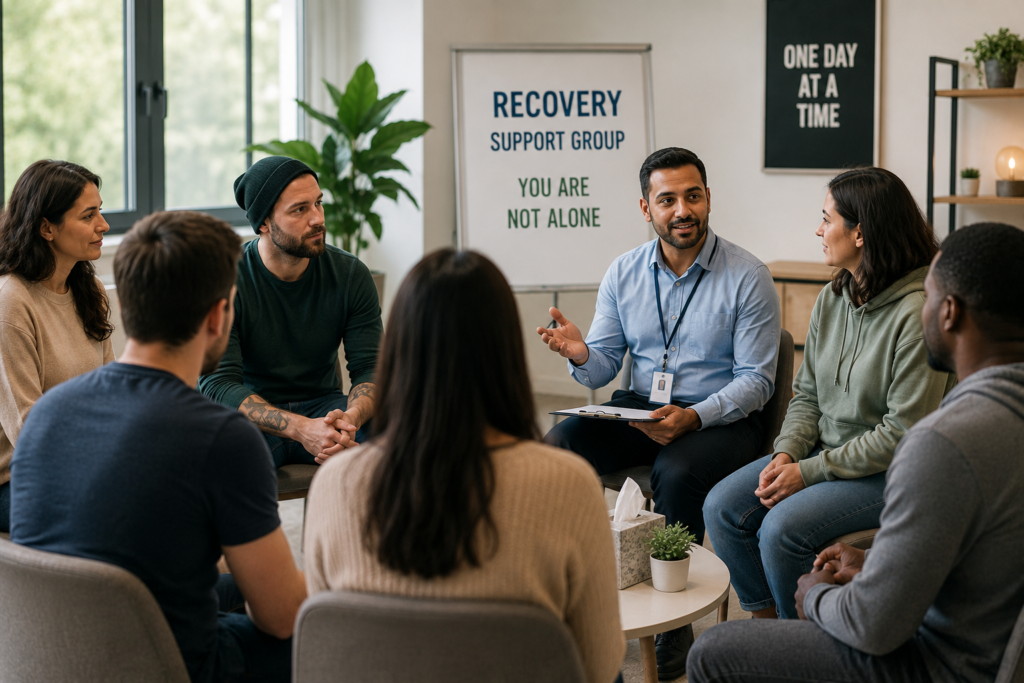
“Ongoing counseling and support groups help individuals maintain long-term recovery and emotional well-being”
Tips to Strengthen Mental Health During Recovery
Every person can take simple steps to improve emotional well-being and protect their recovery journey.
Some helpful practices include:
- Attend counseling sessions regularly.
- Stay connected with supportive family members and friends.
- Practice mindfulness or meditation every day.
- Exercise regularly to improve mood.
- Follow a healthy and balanced diet.
- Get enough sleep each night.
- Avoid people and places linked to past substance use.
- Celebrate every recovery milestone, no matter how small.
- Seek professional help whenever emotional difficulties arise.
Small daily efforts create lasting positive changes and improve overall quality of life.
Why Choose Aarogya Rehab?
Choosing the right rehabilitation center can make a significant difference in recovery outcomes. A professional treatment environment provides not only medical care but also emotional guidance, structured therapy, and long-term support.
At Aarogya Rehab, operated by Aarogya Sewa Samiti, every recovery plan is designed according to the individual’s unique needs. The experienced team understands that addiction affects every aspect of life and therefore offers comprehensive care that addresses physical, emotional, psychological, and social well-being.
The center focuses on helping individuals rebuild confidence, strengthen family relationships, develop healthy coping skills, and prepare for a successful future free from addiction.
Signs That Someone May Need Psychological Support
Recognizing the need for professional help at an early stage can prevent addiction from becoming more severe.
Some common warning signs include:
- Persistent sadness or hopelessness.
- Anxiety that interferes with daily life.
- Frequent mood swings.
- Difficulty controlling emotions.
- Social withdrawal.
- Loss of interest in normal activities.
- Increased dependence on alcohol or drugs.
- Trouble maintaining work or family responsibilities.
Seeking help early allows individuals to receive appropriate care before these challenges become more difficult to manage.
Recovery Is a Journey of Growth
Every recovery journey is unique. There may be obstacles, setbacks, and moments of doubt, but each step forward represents meaningful progress. Healing involves learning, growing, and developing healthier ways to respond to life’s challenges.
Psychological Support in Recovery empowers individuals to understand themselves better, overcome emotional struggles, rebuild damaged relationships, and create a positive future. With determination, professional guidance, and family support, long-term recovery becomes an achievable goal rather than a distant dream.
The journey requires patience, but every positive decision strengthens confidence and moves individuals closer to lasting wellness.
Conclusion
Addiction recovery is about much more than becoming substance-free. True healing requires attention to emotional health, mental well-being, relationships, and personal growth. Psychological Support in Recovery provides individuals with the knowledge, coping strategies, and emotional strength needed to maintain sobriety and enjoy a healthier life.
Professional counseling, behavioral therapies, family involvement, group support, and ongoing aftercare all play essential roles in helping individuals overcome addiction. These services address the root causes of substance use while teaching healthier ways to manage stress, emotions, and everyday challenges.
At Aarogya Rehab, under the guidance of Aarogya Sewa Samiti, compassionate professionals are committed to supporting individuals throughout every stage of recovery. Their holistic approach combines medical treatment, psychological care, family involvement, and rehabilitation services to promote lasting transformation.
If you or someone you love is struggling with addiction, remember that seeking professional help is a courageous first step. With the right treatment, continuous support, and determination, recovery is possible, and a brighter, healthier future awaits.
Frequently Asked Questions (FAQs)
1. Why is psychological support important in addiction recovery?
Psychological support helps individuals understand the emotional causes of addiction, manage stress, prevent relapse, and develop healthy coping strategies for long-term recovery.
2. What therapies are commonly used during addiction treatment?
Common therapies include Cognitive Behavioral Therapy (CBT), individual counseling, group therapy, family counseling, motivational therapy, and relapse prevention counseling.
3. Can family involvement improve recovery outcomes?
Yes. Family counseling improves communication, rebuilds trust, strengthens relationships, and creates a supportive environment that encourages long-term sobriety.
4. Does Aarogya Rehab provide psychological counseling?
Yes. Aarogya Rehab, managed by Aarogya Sewa Samiti, provides professional psychological counseling, behavioral therapies, family support, and personalized treatment plans to support lasting recovery.
5. Can recovery continue after rehabilitation?
Absolutely. Recovery is an ongoing journey that includes aftercare, counseling, support groups, healthy lifestyle habits, and continuous psychological support to maintain long-term sobriety.