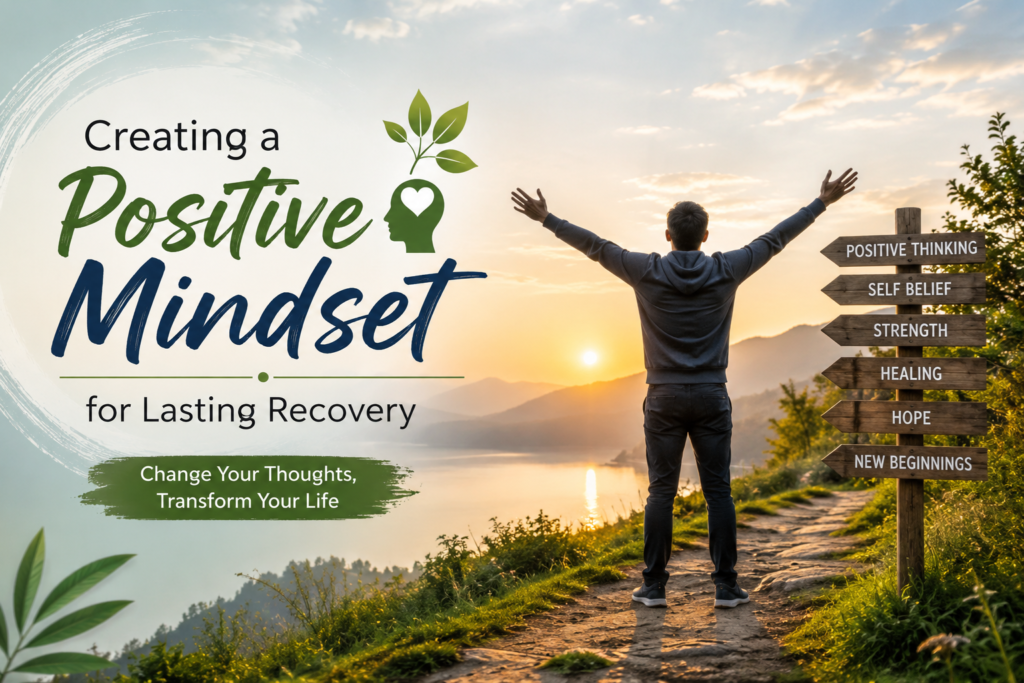
“Creating a Positive Mindset for Lasting Recovery”
Recovering from addiction is about much more than stopping the use of alcohol or drugs. It is also about changing the way we think, respond to challenges, and view ourselves. A positive mindset gives individuals the strength to overcome obstacles, stay committed to recovery, and build a healthier future. Creating a Positive Mindset for Lasting Recovery is an essential part of rehabilitation because emotional resilience helps prevent relapse and improves overall well-being. At Aarogya Rehab, operated by Aarogya Sewa Samiti, mental wellness is integrated into addiction treatment through counseling, therapy, wellness activities, and personalized recovery plans that encourage hope, confidence, and lasting change.
Why a Positive Mindset Matters in Recovery
Recovery is filled with both successes and challenges. Some days may feel easier than others, but maintaining a positive outlook helps individuals stay motivated even during difficult times. Positive thinking does not mean ignoring problems. Instead, it means believing that every challenge can be overcome with patience, determination, and the right support.
Benefits of maintaining a positive mindset include:
- Greater emotional strength.
- Increased self-confidence.
- Better stress management.
- Improved decision-making.
- Stronger motivation.
- Reduced relapse risk.
- Healthier relationships.
At Aarogya Rehab, patients learn practical techniques that help them replace negative thoughts with healthier and more encouraging perspectives.
Understanding Negative Thinking Patterns
Many people entering rehabilitation struggle with self-doubt, guilt, fear, and hopelessness. These emotions often develop after years of addiction and may continue during the early stages of recovery. If left unaddressed, negative thinking can increase stress and make recovery more difficult.
Common negative thoughts include:
- “I will never recover.”
- “I have failed too many times.”
- “Nobody understands me.”
- “My future is hopeless.”
- “I am not strong enough.”
Professional counseling helps individuals recognize these thoughts and replace them with realistic, positive beliefs that support healing and personal growth.
Building Self-Belief During Recovery
Believing in personal abilities is one of the most important steps toward long-term recovery. Every small achievement, whether attending counseling, completing detoxification, or reaching another sober day, builds confidence and strengthens motivation.
At Aarogya Rehab, healthcare professionals encourage patients to celebrate progress instead of focusing only on setbacks. This approach helps individuals understand that recovery is a journey of continuous improvement rather than perfection.
Simple ways to build self-belief include:
- Celebrating small successes.
- Setting realistic goals.
- Practicing positive self-talk.
- Learning from setbacks.
- Accepting support from others.
- Focusing on personal growth.
These habits gradually replace fear with confidence while encouraging long-term commitment to recovery.
The Power of Professional Counseling
Professional counseling plays a major role in Creating a Positive Mindset for Lasting Recovery. Therapy provides a safe environment where individuals can discuss emotions, overcome fears, and develop healthier ways of thinking.
Counselors help patients:
- Identify emotional triggers.
- Manage stress effectively.
- Improve self-esteem.
- Build healthy coping skills.
- Strengthen communication.
- Develop realistic recovery goals.
These skills help individuals face life’s challenges with confidence instead of returning to alcohol or drugs.
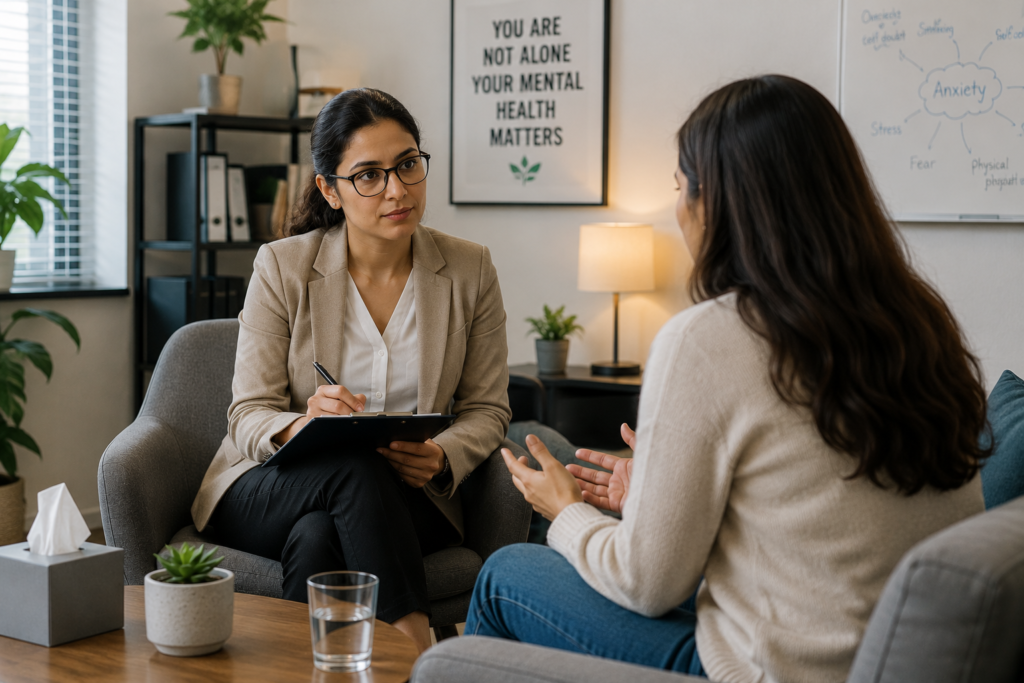
“Mental Health Professional Conducting an Initial Counseling Session”
Recovery Begins with Hope
Every recovery journey begins with a single decision to seek help. Although addiction may create emotional pain and uncertainty, hope grows stronger with professional treatment, supportive relationships, and positive daily habits.
At Aarogya Rehab, managed by Aarogya Sewa Samiti, compassionate professionals help every patient develop a healthier mindset while providing the guidance needed to build a confident, meaningful, and addiction-free future.
Practicing Gratitude Every Day
Gratitude is one of the simplest ways to build a positive mindset during recovery. Instead of focusing on past mistakes, individuals learn to appreciate the progress they make each day. Even small moments of success can improve confidence and emotional well-being.
Simple gratitude practices include:
- Writing three positive things each day.
- Thanking supportive family members.
- Celebrating recovery milestones.
- Appreciating good health.
- Recognizing personal growth.
- Focusing on future opportunities.
Practicing gratitude regularly helps reduce negative thinking while creating a stronger sense of hope and purpose.

“Healing begins with gratitude. Every positive thought is a step toward lasting recovery”
Mindfulness Helps Create Emotional Balance
Mindfulness encourages individuals to focus on the present moment instead of worrying about the past or future. It helps reduce stress, improve concentration, and strengthen emotional resilience during addiction recovery.
Common mindfulness activities include:
- Meditation.
- Deep breathing exercises.
- Mindful walking.
- Quiet reflection.
- Guided relaxation.
- Gentle yoga.
At Aarogya Rehab, mindfulness techniques are included in rehabilitation programs to help patients improve emotional stability and develop healthier responses to daily challenges.
Healthy Daily Habits Build Confidence
Positive thinking becomes easier when individuals take care of their physical health. Healthy routines improve energy levels, reduce stress, and create a structured lifestyle that supports long-term recovery.
Helpful daily habits include:
- Eating nutritious meals.
- Drinking enough water.
- Exercising regularly.
- Getting adequate sleep.
- Following a daily schedule.
- Spending time outdoors.
- Limiting unhealthy distractions.
These simple habits improve both physical and mental well-being while supporting a healthier lifestyle.
Setting Realistic Goals for Recovery
Recovery is more successful when individuals set achievable goals instead of expecting immediate perfection. Reaching small milestones creates confidence and keeps motivation high throughout the recovery journey.
Examples of healthy recovery goals include:
- Attending every counseling session.
- Maintaining daily routines.
- Practicing relaxation exercises.
- Building healthier relationships.
- Learning new skills.
- Remaining committed to sobriety.
At Aarogya Rehab, patients work closely with counselors to develop realistic recovery goals that encourage steady personal growth.
Family Support Encourages Positive Thinking
A supportive family can make a significant difference during addiction recovery. Encouragement, understanding, and healthy communication help individuals feel accepted while reducing feelings of loneliness and self-doubt.
Family counseling helps:
- Rebuild trust.
- Improve communication.
- Resolve misunderstandings.
- Create healthy boundaries.
- Strengthen emotional support.
Aarogya Rehab, operated by Aarogya Sewa Samiti, encourages family participation because positive relationships play an important role in building confidence and maintaining long-term recovery.
Developing Emotional Resilience
Recovery is a lifelong journey, and difficult situations will continue to arise. Emotional resilience allows individuals to recover from setbacks without losing hope or returning to substance use.
Healthy ways to strengthen resilience include:
- Accepting challenges as learning opportunities.
- Seeking professional support when needed.
- Practicing patience.
- Maintaining healthy friendships.
- Staying committed to personal goals.
- Celebrating every achievement.
These habits help individuals develop confidence while maintaining a positive outlook even during challenging times.
Preventing Relapse Through Positive Thinking
A positive mindset does not eliminate challenges, but it changes how individuals respond to them. Learning healthy coping strategies, recognizing emotional triggers, and seeking support early all reduce the risk of relapse.
At Aarogya Rehab, comprehensive rehabilitation programs combine counseling, wellness activities, mental health care, and relapse prevention education to help individuals remain emotionally strong and committed to lifelong recovery.
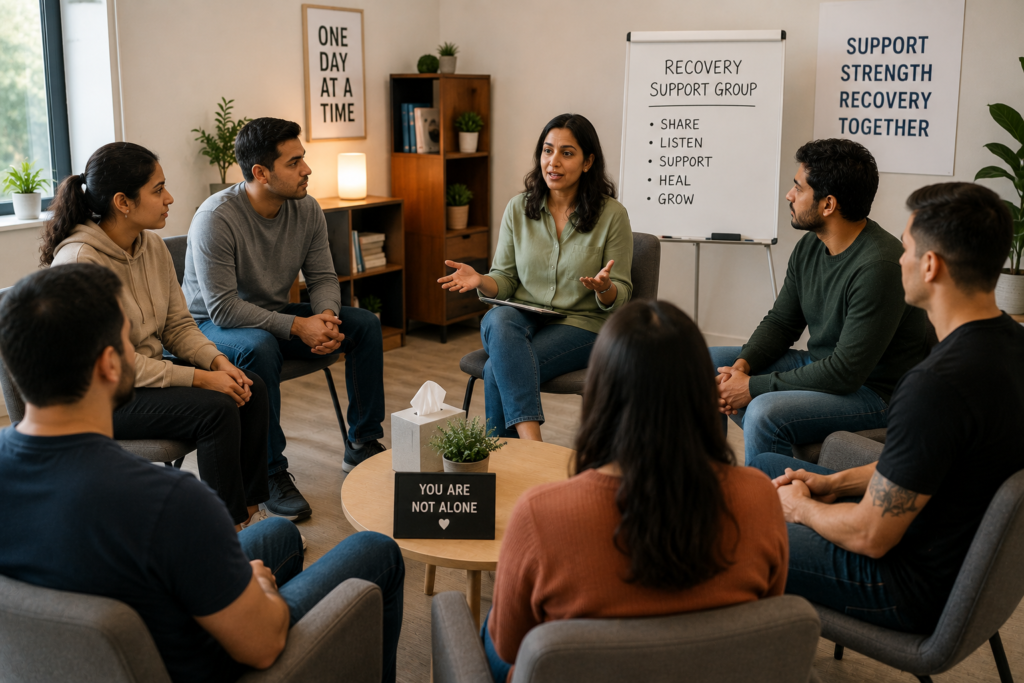
“Healing is easier when no one walks the journey alone. Group counseling encourages connection, resilience, and lasting recovery”
Every Positive Thought Builds a Better Future
Every encouraging thought, healthy habit, and positive decision strengthens recovery. With compassionate care, professional guidance, and continued determination, individuals can overcome addiction while creating a future filled with hope, confidence, and emotional well-being.
The Importance of Aftercare
Recovery does not end after completing a rehabilitation program. Maintaining a positive mindset requires continuous support, healthy routines, and regular follow-up care. Aftercare helps individuals remain motivated while reducing the chances of relapse.
Common aftercare services include:
- Individual follow-up counseling.
- Recovery support groups.
- Family counseling sessions.
- Mental health check-ups.
- Wellness and fitness programs.
- Relapse prevention guidance.
- Lifestyle coaching.
At Aarogya Rehab, aftercare is an important part of recovery because ongoing encouragement helps patients continue building emotional strength, confidence, and a healthy lifestyle.
Choosing the Right Rehabilitation Centre
Selecting the right rehabilitation centre can make a significant difference in long-term recovery. A quality rehabilitation centre should provide personalized care that addresses both addiction and mental health while creating a safe and supportive environment.
When choosing a rehabilitation centre, look for:
- Qualified doctors and therapists.
- Safe medical detoxification.
- Individualized treatment plans.
- Mental health support.
- Family counseling.
- Wellness and holistic therapies.
- Relapse prevention education.
- Comprehensive aftercare services.
Aarogya Rehab, managed by Aarogya Sewa Samiti, provides compassionate, evidence-based rehabilitation programs that focus on healing the body, mind, and emotions. Every patient receives personalized care designed to support lasting recovery and improve overall well-being.
Living with Hope and Purpose
A positive mindset allows individuals to see opportunities instead of obstacles. Recovery is not about becoming perfect; it is about making healthier choices every day and continuing to move forward despite challenges.
By practicing gratitude, maintaining healthy habits, seeking professional guidance, and surrounding themselves with supportive people, individuals develop the confidence needed to build meaningful, addiction-free lives.
Every positive choice strengthens emotional resilience and brings lasting recovery closer.
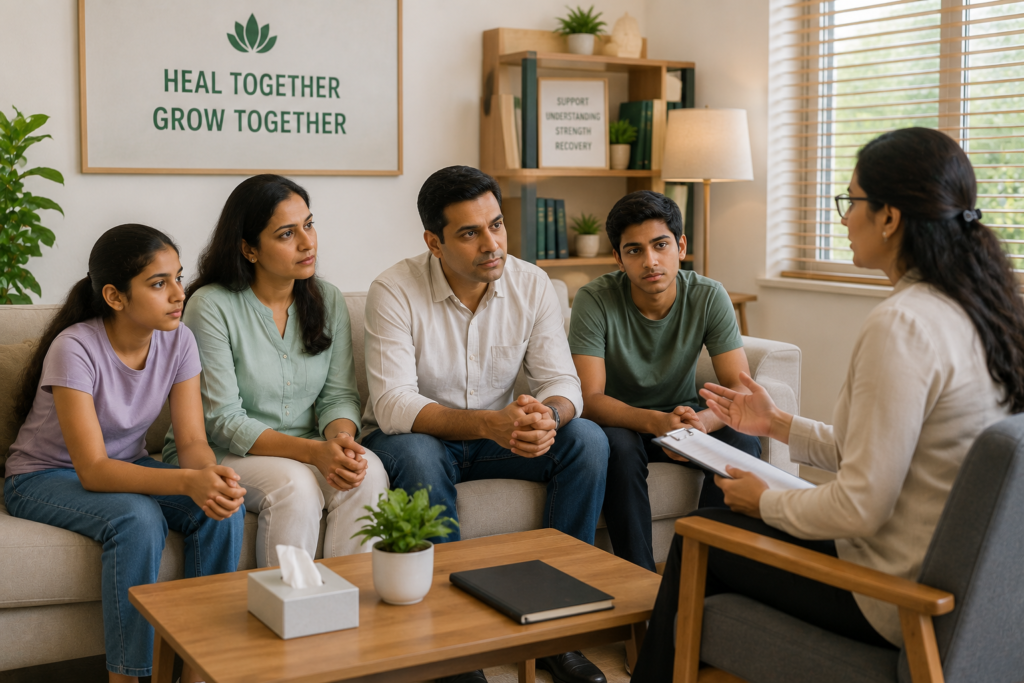
“Family counseling strengthens communication, rebuilds trust, and creates a supportive foundation for lasting recovery from addiction”
Conclusion
Creating a Positive Mindset for Lasting Recovery is one of the most valuable steps in overcoming addiction and building a healthier future. Positive thinking helps individuals manage stress, overcome setbacks, improve emotional well-being, and remain focused on recovery goals. Combined with professional counseling, healthy habits, supportive relationships, and continued determination, a positive mindset creates the foundation for lifelong healing.
At Aarogya Rehab, managed by Aarogya Sewa Samiti, every rehabilitation program is designed to strengthen both mental and physical well-being. Through compassionate care, evidence-based therapies, wellness activities, family involvement, and long-term aftercare, patients receive the support they need to rebuild their confidence and create meaningful, addiction-free lives.
Recovery is a journey of hope, courage, and personal growth. Every positive thought, every healthy decision, and every step forward brings individuals closer to lasting recovery and a brighter future.