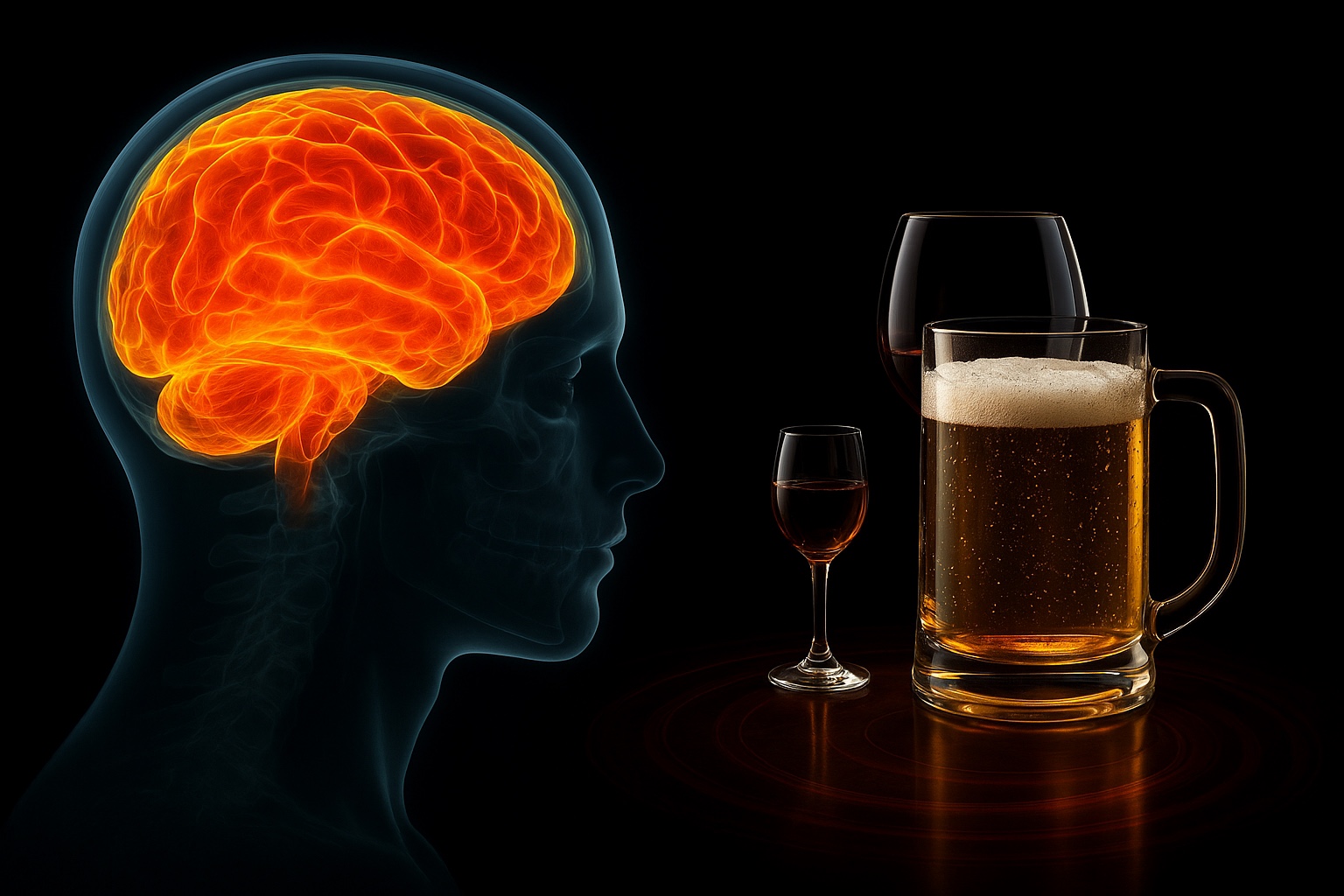
Alcohol and Brain Health is especially important for young people because the brain is still developing during teenage and college years. Drinking alcohol can disrupt communication between brain cells, weaken memory, reduce focus, and slow decision-making. Alcohol also lowers sleep quality, which prevents proper brain recovery. Over time, these effects can negatively impact learning, academic performance, and emotional control in young minds.
Understanding Alcohol and Brain Health
Alcohol is a substance that directly affects the brain. Once consumed, it quickly enters the bloodstream and reaches the brain, where it begins to interfere with normal brain activity. Alcohol and Brain Health are closely connected because alcohol changes how brain cells communicate and how the brain processes information. Awareness and education initiatives supported by Aarogya Sewa Samiti, Dehradun help promote healthier choices and protect brain well-being.
For students, this can mean difficulty concentrating in class, remembering lessons, or staying mentally sharp during exams.
How Alcohol Disrupts Brain Cell Communication
One of the most serious effects of alcohol is how it interferes with brain signals.
Alcohol Disrupts Communication Between Brain Cells
-
Alcohol slows down message delivery between neurons
-
Brain signals become weaker and less accurate
-
Reaction time and understanding decrease
Brain cells rely on fast communication to support learning and focus. When alcohol disrupts this process, thinking becomes slower and less clear. Over time, repeated disruption can harm Alcohol and Brain Health, especially in young learners.
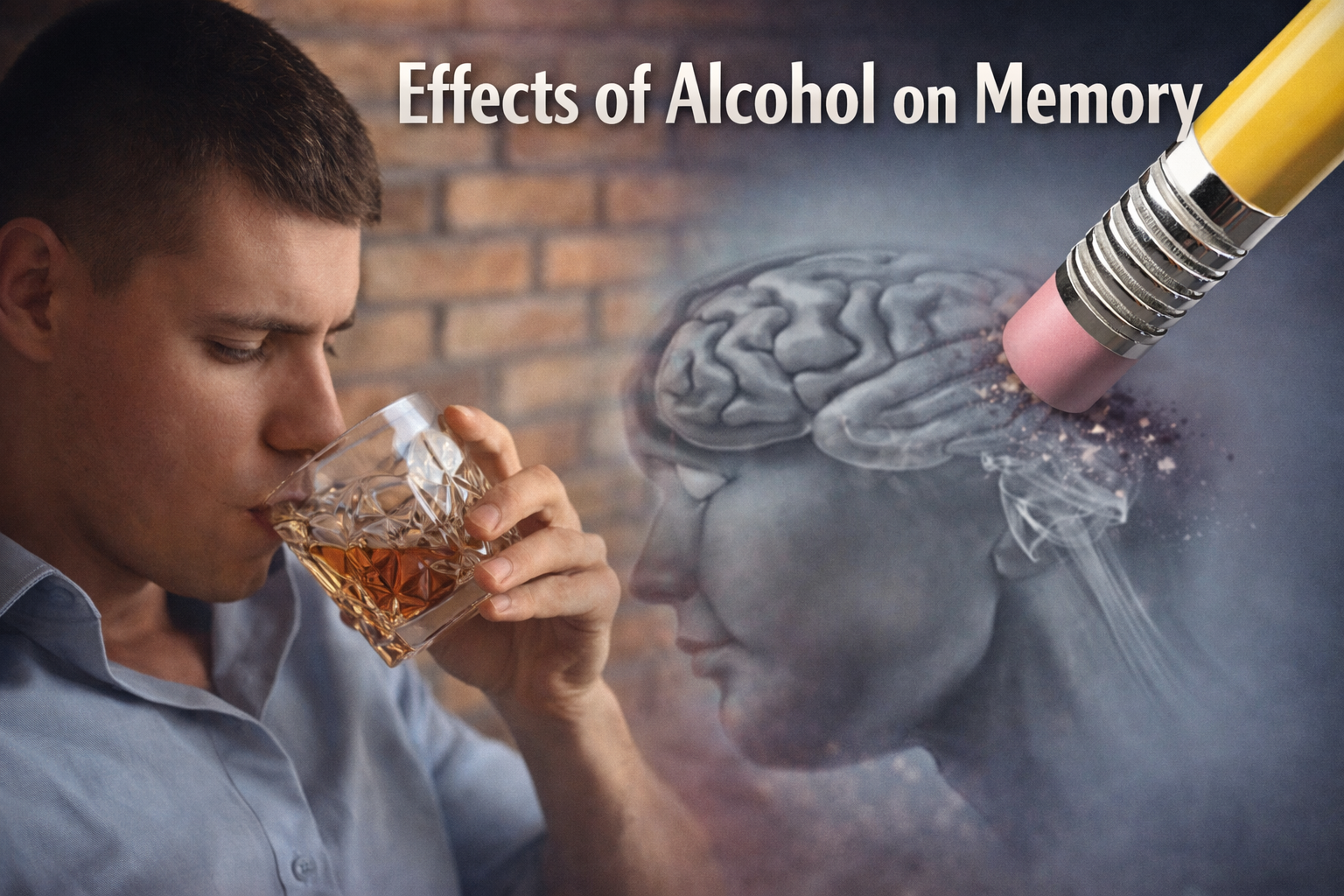
Effects of Alcohol on Memory
Memory is essential for academic success. Alcohol directly interferes with the part of the brain responsible for forming memories.
Short-Term Memory Problems
-
Forgetting recent lessons
-
Trouble recalling conversations
-
Difficulty learning new topics
Long-Term Memory Risks
-
Reduced ability to retain information
-
Weaker learning performance
-
Increased mental fatigue
Alcohol prevents the brain from storing information properly. This makes studying harder and weakens Alcohol and Brain Health over time.
Alcohol and Focus in Daily Student Life
Focus is needed for studying, attending lectures, and completing assignments. Alcohol reduces attention and mental control.
Impact on Concentration and Decision-Making
-
Short attention span
-
Poor judgment
-
Increased distractions
Even small amounts of alcohol can reduce focus the next day. This directly affects Alcohol and Brain Health, making academic performance suffer.
Alcohol, Sleep, and Brain Recovery
Sleep is when the brain repairs itself and strengthens memory.
Sleep Quality Decreases With Alcohol Use, Reducing Brain Recovery
-
Less deep sleep
-
Interrupted rest
-
Poor memory consolidation
Although alcohol may cause drowsiness, it damages sleep quality. Without proper sleep, the brain cannot recover fully. Poor sleep combined with alcohol weakens Alcohol and Brain Health significantly.
Why Young Brains Are More at Risk
Young Brains Are More Vulnerable to Alcohol-Related Damage
The human brain continues developing until the mid-20s.
-
Brain structure is still forming
-
Emotional control is developing
-
Learning systems are maturing
Alcohol disrupts normal brain development. Damage during this stage can have long-lasting effects on Alcohol and Brain Health, impacting memory, focus, and emotional balance for years.

Long-Term Risks of Alcohol on the Brain
Continued alcohol use during student years can lead to long-term problems.
Possible Long-Term Effects
-
Cognitive decline
-
Emotional instability
-
Increased anxiety and stress
These risks show why protecting Alcohol and Brain Health early is essential for a successful future.
Can the Brain Recover from Alcohol Effects?
The brain has the ability to heal, especially when harmful habits are stopped early.
Ways the Brain Can Recover
-
Reducing or stopping alcohol intake
-
Getting quality sleep
-
Eating nutritious food
-
Staying mentally active
Early lifestyle changes improve brain recovery. Protecting Alcohol and Brain Health during school and college years leads to better long-term mental performance.
Practical Steps for Students to Protect Brain Health
Students can take simple steps to protect their brains.
Healthy Habits to Follow
-
Avoid binge drinking
-
Prioritize sleep before exams
-
Manage stress through exercise or hobbies
-
Stay hydrated and eat balanced meals
These habits support Alcohol and Brain Health and improve academic success.
Benefits of Avoiding Alcohol During Studies
-
Better concentration
-
Stronger memory
-
Improved emotional control
-
Higher academic confidence
Avoiding alcohol helps maintain Alcohol and Brain Health and supports long-term goals.
Conclusion
School and college years shape the future. Protecting Alcohol and Brain Health during this time supports learning, confidence, and emotional balance. Alcohol may seem harmless, but its effects on memory, focus, and sleep can quietly hold students back. Choosing healthy habits today builds a stronger, smarter tomorrow — with awareness and guidance supported by Aarogya Sewa Samiti, Dehradun.

Frequently Asked Questions (FAQs)
1. How does alcohol affect students’ memory?
Alcohol interferes with memory formation, making it harder to retain lessons and study effectively.
2. Can occasional drinking still harm brain health?
Yes. Even occasional drinking can reduce sleep quality and next-day focus, especially in young brains.
3. Why are students more affected by alcohol than adults?
Because their brains are still developing, alcohol causes deeper and longer-lasting effects.
4. Does quitting alcohol improve brain function?
Yes. The brain can recover when alcohol use is reduced or stopped early.
5. How can students stay social without alcohol?
By choosing activities like sports, clubs, creative hobbies, or group study sessions.