
Alcohol is often seen as a way to relax, socialize, or escape stress—especially among school-going and college-going students. But what many don’t realize is the deep connection between alcohol and mental health. While drinking may feel like temporary relief, it can silently worsen anxiety, deepen depression, and seriously disturb sleep patterns.
At Nasha Mukti Kendras across India, mental health issues linked to alcohol are becoming increasingly common among young people. This article explains the real relationship between alcohol and mental health, focusing on anxiety, depression, and sleep, in a clear, student-friendly, and practical way.
Alcohol and Mental Health
How Alcohol Affects the Brain and Mental Health
Alcohol is a central nervous system depressant. It interferes with brain chemicals responsible for mood, stress response, and sleep regulation.
What Happens in the Brain
-
Temporarily increases dopamine (short-term pleasure)
-
Suppresses glutamate (slows brain activity)
-
Disrupts serotonin balance (affects mood stability)
With repeated use, these changes lead to emotional imbalance and mental health disorders.
Alcohol and Anxiety
Many students drink to calm nerves before exams, social events, or presentations. In reality, alcohol often increases anxiety.
Does Alcohol Cause Anxiety?
Yes. Alcohol may reduce anxiety initially, but as its effects wear off, many people experience anxiety after drinking alcohol.
Common symptoms include:
-
Racing thoughts
-
Restlessness or panic
-
Rapid heartbeat
-
Sweating and uneasiness
-
Anxiety the next day (“hangxiety”)
Why Anxiety After Drinking Alcohol Happens
-
Reduced natural GABA production
-
Rebound of stress hormones
-
Poor sleep intensifies anxiety
Alcohol and Depression
The relationship between alcohol and depression is serious and well documented. Each condition fuels the other.
Alcohol as a Depressant
Alcohol lowers serotonin and dopamine over time, leading to:
-
Persistent sadness
-
Low motivation
-
Emotional numbness
Drinking Alcohol With Depression
Many students drink to escape low mood, but this creates a dangerous cycle:
-
Feeling depressed
-
Drinking alcohol for relief
-
Mood worsens afterward
-
Increased dependence on alcohol
This pattern often results in alcohol addiction combined with depression.
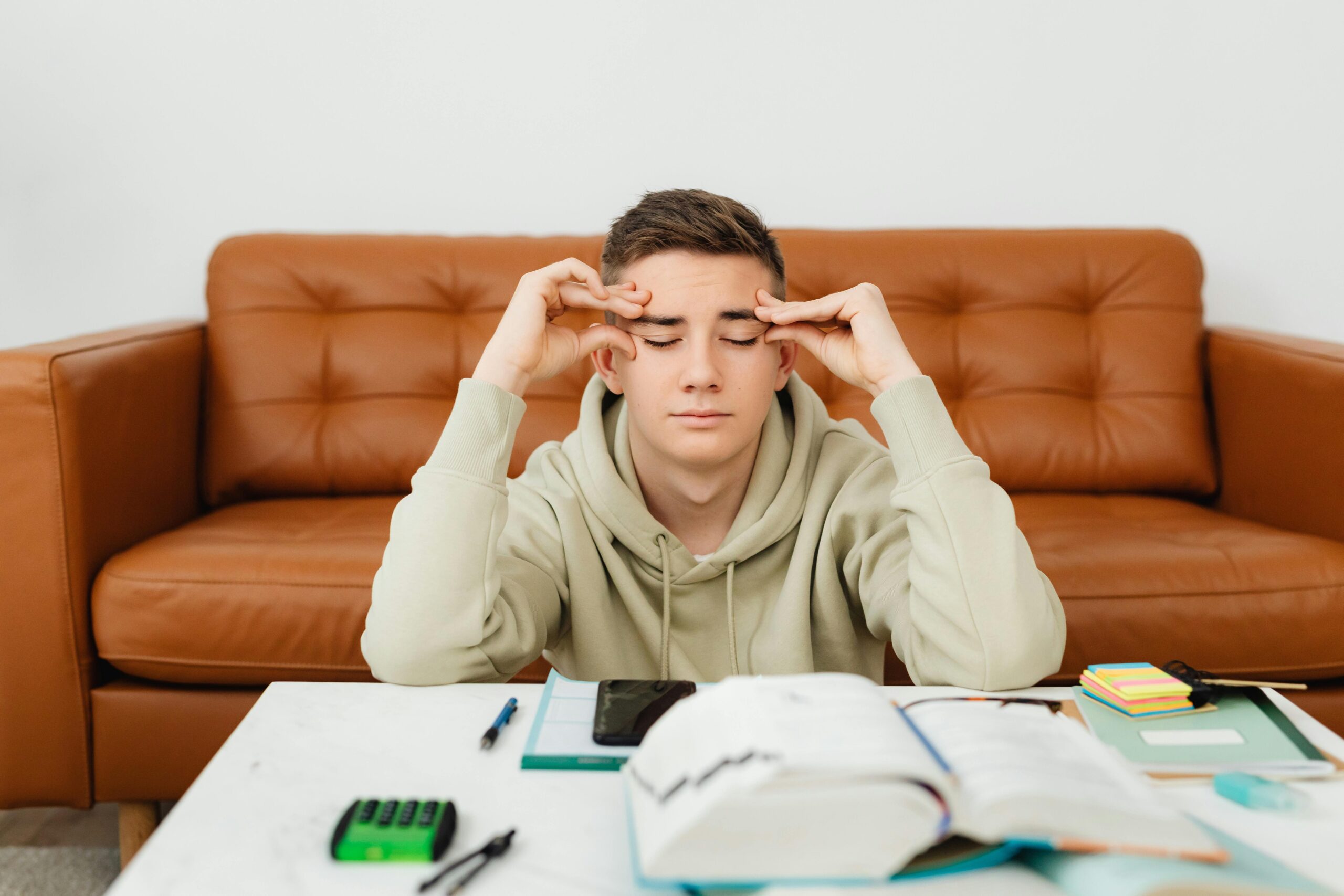
Warning Signs
-
Loss of interest in studies
-
Social isolation
-
Irritability or anger
-
Negative or self-harming thoughts
Nasha Mukti Kendras frequently treat individuals facing both depression and alcohol dependence.
Alcohol and Sleep
How alcohol affects sleep
-
Suppresses REM sleep
-
Causes frequent night awakenings
-
Leads to morning fatigue
-
Increases long-term insomnia risk
Alcohol and REM Sleep
REM sleep supports:
-
Emotional regulation
-
Memory formation
-
Stress processing
Alcohol disrupts this stage, leaving the brain mentally exhausted.
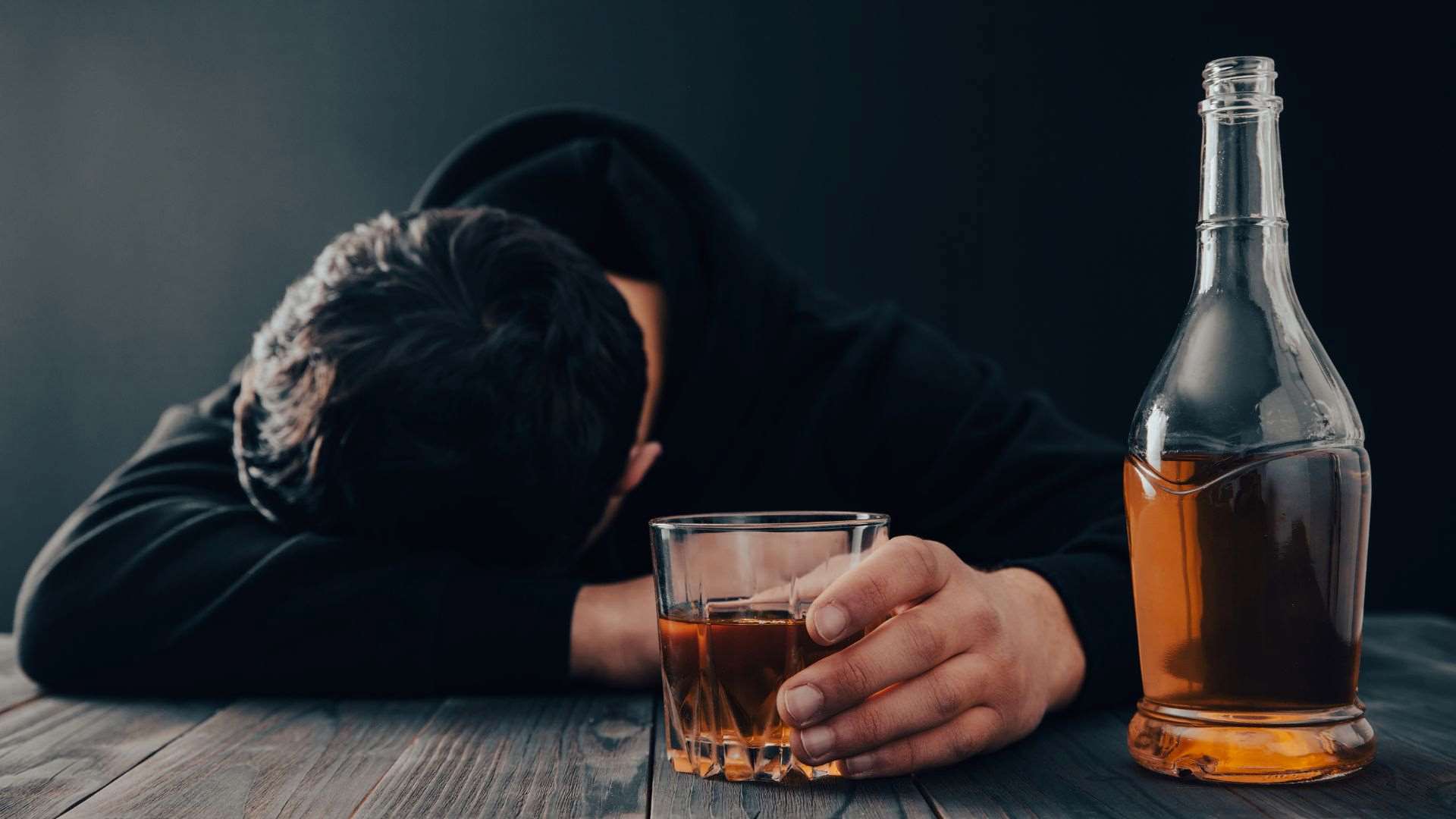
Why Students Are at Higher Risk
School and college students face:
-
Academic pressure
-
Peer influence
-
Social expectations
-
Limited mental health awareness
Alcohol amplifies these stressors.
Common student myths
-
“Alcohol helps me sleep before exams”
-
“Everyone drinks, so it’s safe”
-
“It reduces stress”
All of these are false and harmful beliefs.
Long-Term Mental Health Consequences of Alcohol
Continued alcohol use can lead to:
-
Chronic anxiety disorders
-
Clinical depression
-
Sleep disorders
-
Poor academic performance
-
Long-term addiction
Early awareness prevents lifelong consequences.
Can Reducing Alcohol Improve Mental Health?
Yes—significantly.
Benefits include
-
Improved mood
-
Reduced anxiety
-
Better sleep quality
-
Sharper focus and memory
-
Greater emotional control
Many students notice positive mental changes within weeks of stopping alcohol.
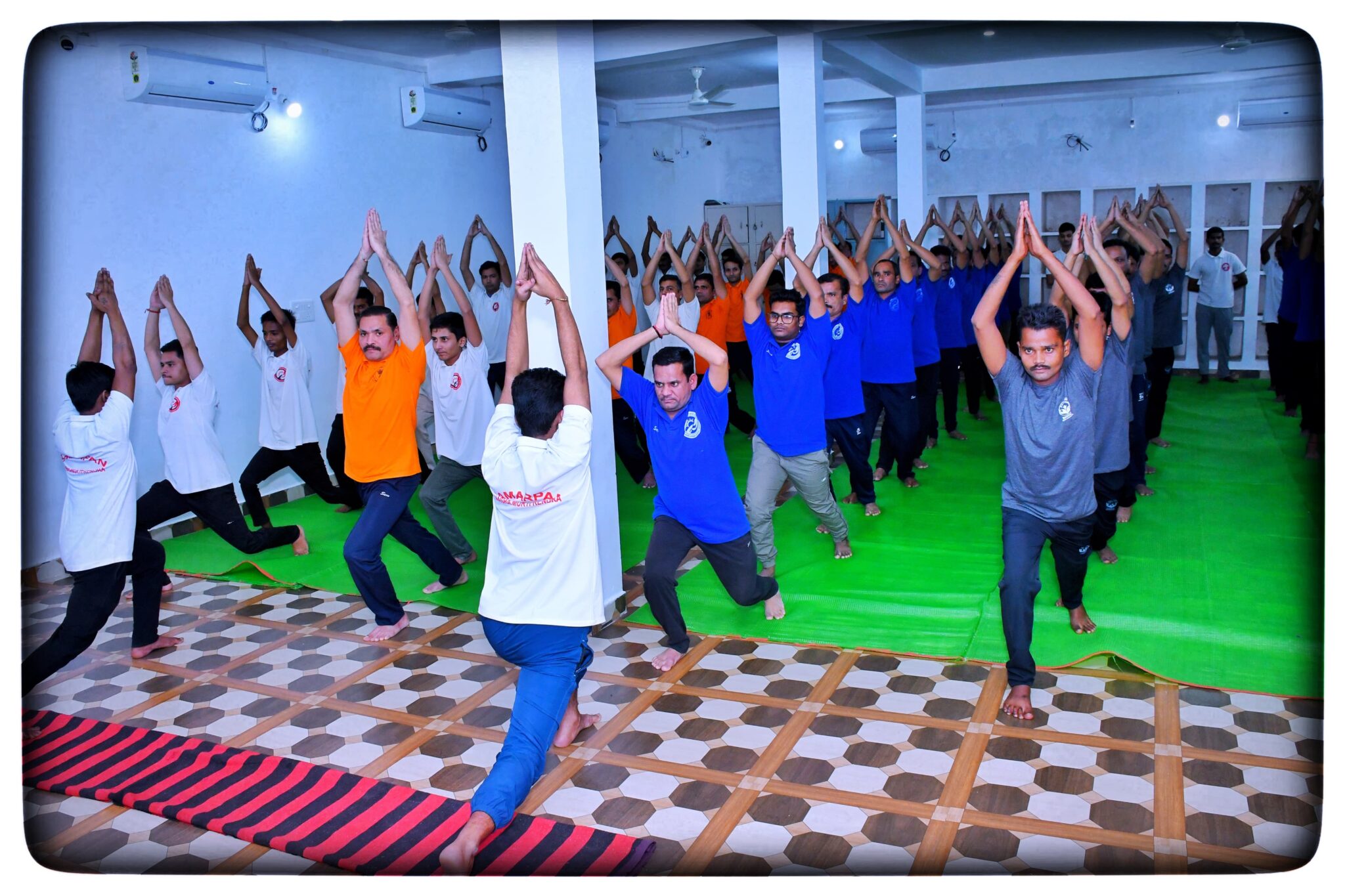
Role of Nasha Mukti Kendra in Mental Health Recovery
Comprehensive care includes
-
Safe medical detox
-
Psychological counseling
-
Anxiety and depression treatment
-
Sleep recovery programs
-
Student-focused rehabilitation
Early intervention leads to long-term recovery.
Summary
Key points to remember
-
Alcohol worsens anxiety and depression
-
It damages sleep quality
-
Students are especially vulnerable
-
Recovery is possible with timely support
If you or someone you know is struggling, contact a trusted Nasha Mukti Kendra today.
Protect your mental health, education, and future.
Frequently Asked Questions
Can alcohol cause anxiety even if I drink occasionally?
Yes. Even occasional drinking can trigger anxiety after drinking alcohol, especially in stressed individuals.
What is the relationship between alcohol and depression?
Alcohol worsens depression by disrupting brain chemistry and emotional balance.
Does alcohol really help with sleep?
No. Alcohol harms sleep quality and reduces REM sleep despite making you feel sleepy.
Can stopping alcohol improve mental health?
Yes. Many people experience improved mood, reduced anxiety, and better sleep within weeks.
When should a student seek help from a Nasha Mukti Kendra?
If alcohol affects mood, sleep, behavior, or studies, professional help should be sought immediately.