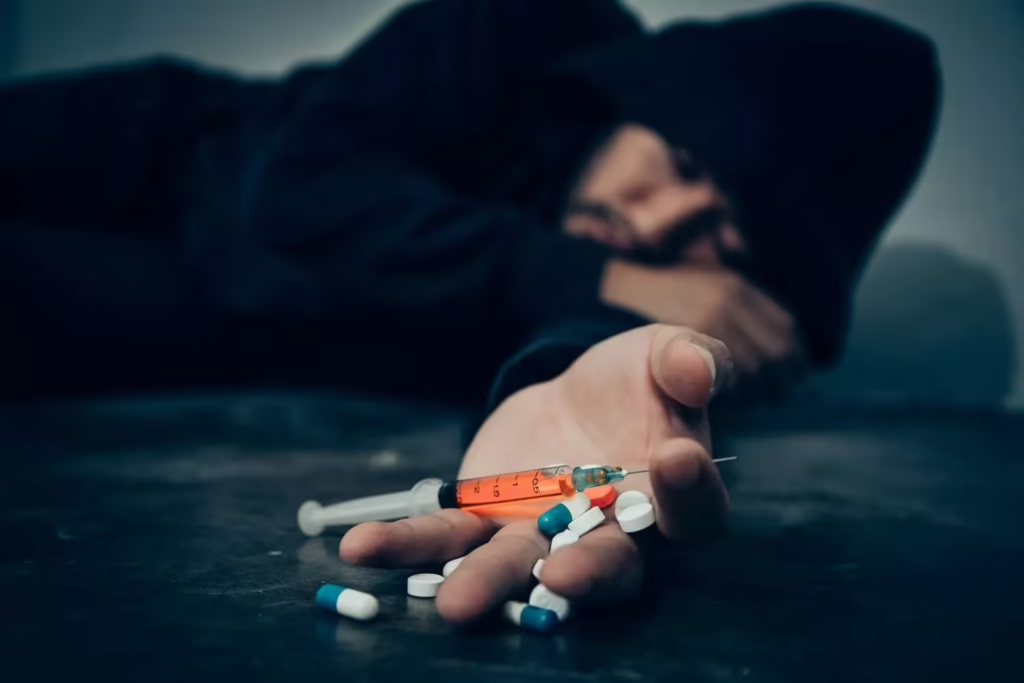
Many school and college students grow up hearing that addiction happens because of bad choices or weak character. This belief creates fear, shame, and silence. In reality, Drug Addiction a medical problem, is how doctors and health experts understand it today.
Learning the truth helps young people replace judgment with knowledge. When addiction is seen through a medical lens, students feel safer talking about it, asking questions, and seeking help when needed.
Understanding addiction correctly is the first step toward prevention, compassion, and recovery.
Drug Addiction as a Medical Problem
Because the brain is involved, stopping becomes difficult without support. This is why addiction needs treatment, not punishment. Seeing Drug Addiction a medical problem, helps students understand that professional care is important for recovery.
How Addiction Affects the Brain
The brain has a reward system that helps us feel pleasure and motivation. Drugs interfere with this system. Over time, the brain starts depending on substances to feel normal.
Effects on the brain include:
- Reduced ability to focus
- Poor decision-making
- Emotional imbalance
This scientific explanation shows why Drug Addiction a medical problem, should be treated just like other health conditions.
Drug Addiction Is Not a Moral Failure
One of the most harmful myths is that addiction happens because someone lacks discipline or values. The truth is clear: Drug Addiction a medical problem, and not a sign of bad character.
Blaming someone for addiction:
- Increases guilt and shame
- Pushes people away from help
- Worsens mental health
When students understand that addiction is not a moral failure, they become more empathetic and supportive toward others.
Causes of Drug Addiction
There is no single cause behind addiction. Drug Addiction a medical problem, develops due to a mix of biological, emotional, and social factors.
Common causes include:
- Stress and anxiety
- Peer pressure
- Family environment
- Emotional pain or trauma
- Lack of awareness
Knowing the causes helps students make informed decisions and avoid risky situations.
Why Students Are More Vulnerable
Teenagers and college students are at higher risk because their brains are still developing. During this stage, stress, curiosity, and peer influence can have a strong impact.
Risk factors for students:
- Academic pressure
- Social comparison
- Desire to fit in
- Emotional confusion
Understanding Drug Addiction a medical problem, at a young age helps prevent long-term harm.
Drug Addiction and Mental Health
There is a strong connection between drug addiction and mental health. Many young people struggle with anxiety, depression, or low self-esteem, which can increase the risk of substance use.
Mental health issues often linked to addiction:
- Depression
- Anxiety disorders
- Stress and burnout
- Loneliness
Treating mental health alongside addiction improves recovery and emotional balance.
Symptoms and Warning Signs
Early signs of addiction are often ignored. Recognizing them can save lives. Since Drug Addiction a medical problem, symptoms appear in both behavior and emotions.
Warning signs may include:
- Sudden mood changes
- Drop in academic performance
- Isolation from friends or family
- Loss of interest in hobbies
Early support leads to better outcomes.
Drug Addiction Treatment
Because Drug Addiction a medical problem, treatment should be professional and supportive. Recovery is possible with the right care and guidance.
Common treatment steps:
- Medical assessment
- Detoxification under supervision
- Counseling and therapy
- Mental health support
- Family involvement
Treatment focuses on healing the brain and rebuilding healthy habits.
Role of Counseling and Therapy
Counseling helps students understand emotions, triggers, and stress. Therapy teaches healthy coping skills and emotional control.
Benefits of counseling:
- Improved self-awareness
- Better stress management
- Stronger emotional stability
This approach supports recovery and long-term growth.
Importance of Family and Social Support
Family and friends play a key role in recovery. When loved ones understand that Drug Addiction a medical problem, they respond with care instead of blame.
Supportive environments:
- Reduce stress
- Encourage treatment
- Improve confidence
No one should face addiction alone.
Prevention Through Education
Education is one of the strongest tools against addiction. When students learn facts instead of myths, they make safer choices.
Preventive steps include:
- Mental health education
- Open conversations at school and home
- Stress-management skills
- Positive peer influence
Awareness protects futures.
Benefits of Understanding Addiction Medically
Viewing Drug Addiction a medical problem, creates positive change at every level.
Key benefits:
- Reduced stigma
- Earlier help-seeking
- Better mental health outcomes
- Healthier communities
Knowledge replaces fear with confidence.
Role of Schools and Colleges
Educational institutions can create safe spaces for students. When schools treat addiction as a health issue, students feel supported.
Helpful actions include:
- Counseling services
- Awareness programs
- Teacher training
- Peer support groups
This approach builds trust and resilience.
Long-Term Impact of Early Help
Early treatment prevents serious consequences. Students who receive timely support experience better health, academic success, and emotional strength.
Long-term benefits include:
- Improved self-esteem
- Stable relationships
- Better life opportunities
Early care changes lives.
Conclusion: Hope, Healing, and Understanding
Addiction does not define a person’s worth or future. Understanding drug addiction as a medical problem helps students, families, and society respond with empathy and science instead of judgment. Seeking timely support from a trusted Nasha Mukti Kendra in Dehradun, can provide professional treatment, counseling, and a structured path toward lasting recovery.
With education, compassion, and proper care, recovery is always possible. Young people deserve understanding, support, and the chance to build a healthy, meaningful life. No one is beyond help, and hope always exists.