
Choosing a Healthy Lifestyle After Alcohol is one of the most powerful decisions a young person can make. For school-going and college-going students, alcohol may appear to reduce stress or help with social pressure, but over time it damages health, focus, emotional stability, and future goals.
Recovery is not just about quitting alcohol. It is about rebuilding life with healthy habits, structured routines, and positive coping strategies. This article explains simple, practical steps that support life after alcohol recovery and help students achieve long-term wellness after alcohol in a sustainable way.
Healthy Lifestyle After Alcohol – Simple Habits for Long-Term Wellness
A healthy lifestyle after alcohol focuses on balance across physical health, mental clarity, emotional strength, and social well-being. When these areas improve together, recovery becomes stronger and long-lasting.
Why a Healthy Lifestyle After Alcohol Matters for Students
Teenagers and young adults are still developing mentally and physically. Alcohol use during this stage can interfere with brain development, academic performance, and emotional growth. Adopting a healthy lifestyle after alcohol helps reverse many of these effects. This awareness and support are promoted by Aarogya Sewa Samiti, Dehradun.
Key benefits include:
-
Improved focus and memory
-
Better academic performance
-
Emotional stability and reduced mood swings
-
Stronger immunity and physical health
-
Increased confidence and self-control
For students, these improvements directly support success in education and future careers.
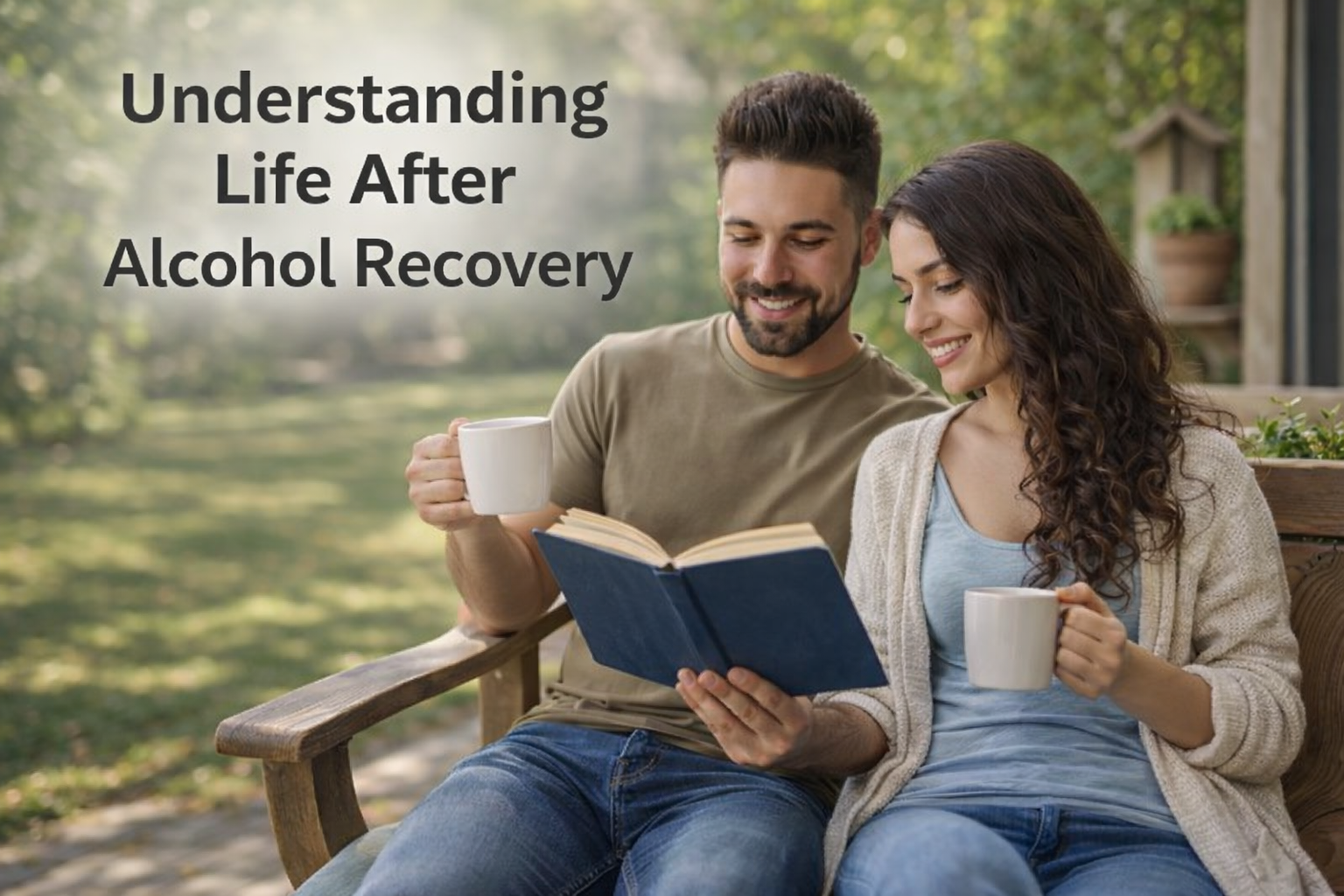
Understanding Life After Alcohol Recovery
Life after alcohol recovery is not about restriction or loss. It is about clarity, control, and growth. Many young people fear recovery will be dull or isolating, but with healthy habits, life becomes more meaningful and structured.
Life after alcohol recovery allows students to:
-
Regain control over daily routines
-
Build healthier friendships
-
Discover new interests and talents
-
Develop emotional resilience
With the right guidance, recovery becomes empowering rather than limiting.
Healthy Habits After Quitting Alcohol
Building a healthy lifestyle after alcohol starts with small, consistent habits that support long-term wellness after alcohol.
1. Establish a Structured Daily Routine
Alcohol disrupts sleep cycles, study patterns, and motivation. A fixed routine restores discipline and stability.
Simple steps include:
-
Sleeping and waking up at consistent times
-
Setting specific study and rest hours
-
Including time for physical activity and relaxation
A structured routine reduces stress and lowers relapse risk.
2. Focus on Nutritious Eating
Alcohol depletes essential nutrients needed for brain and body health. Nutrition plays a vital role in recovery.
Healthy food choices include:
-
Fresh fruits and vegetables
-
Whole grains and lean proteins
-
Adequate water intake
Proper nutrition supports mental clarity, energy levels, and emotional balance.
3. Prioritize Physical Activity
Exercise is one of the most effective healthy habits after quitting alcohol.
Benefits include:
-
Natural stress and anxiety reduction
-
Improved sleep quality
-
Better mood and self-discipline
-
Increased confidence
Activities like walking, yoga, sports, or cycling are ideal for students.
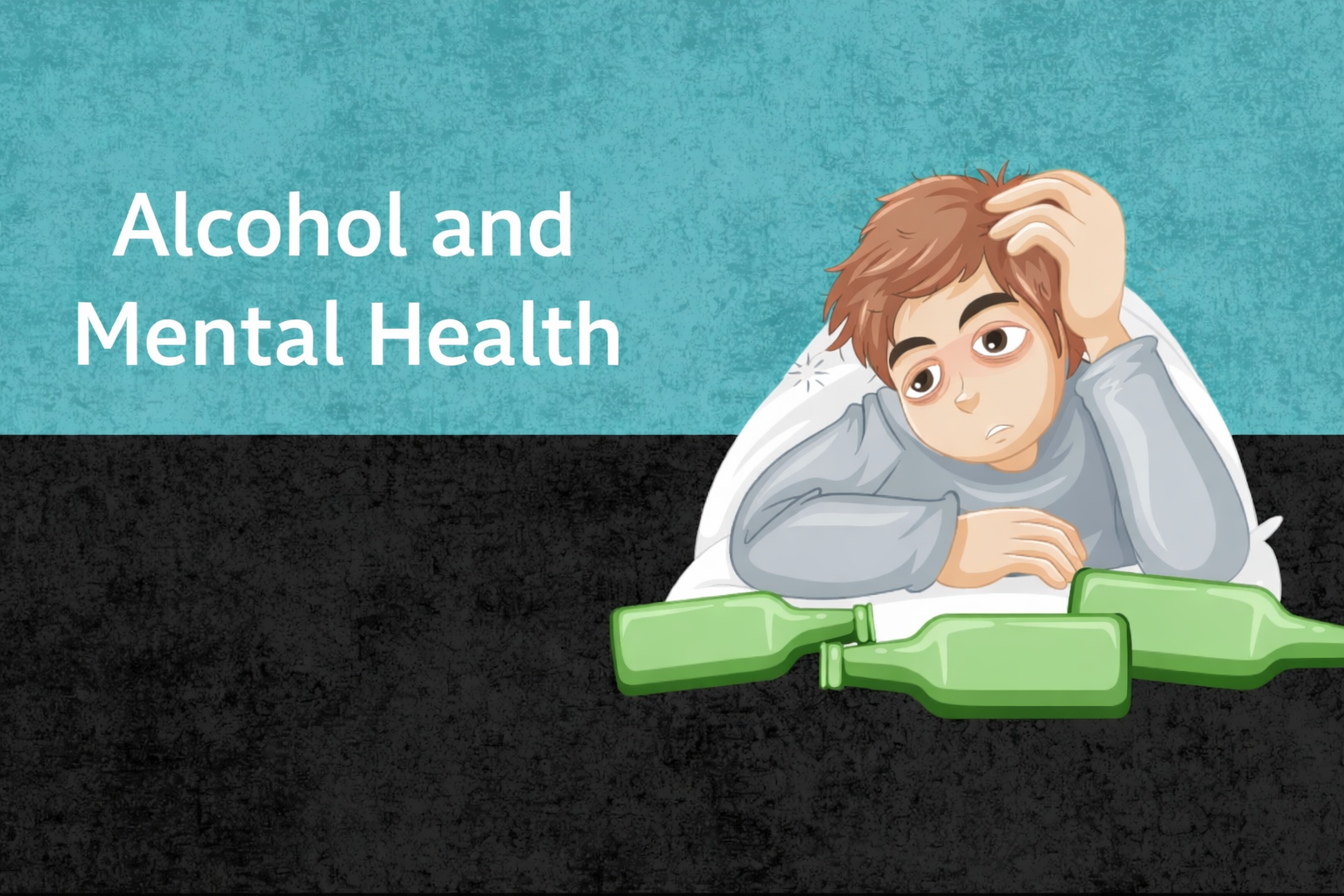
Mental Wellness in a Healthy Lifestyle After Alcohol
Mental well-being is central to recovery, especially for students dealing with academic pressure and social expectations.
Practice Stress Management and Mindfulness
Stress is a common trigger for alcohol use. Learning to manage it is essential.
Helpful techniques include:
-
Deep breathing exercises
-
Meditation or prayer
-
Writing thoughts in a journal
These practices build emotional awareness and support long-term wellness after alcohol.
Limit Digital Overuse
Excessive screen time can increase anxiety and disrupt sleep.
Healthy digital habits include:
-
Setting daily screen-time limits
-
Avoiding phones before bedtime
-
Replacing scrolling with reading or outdoor activities
A calm and focused mind supports better recovery outcomes.
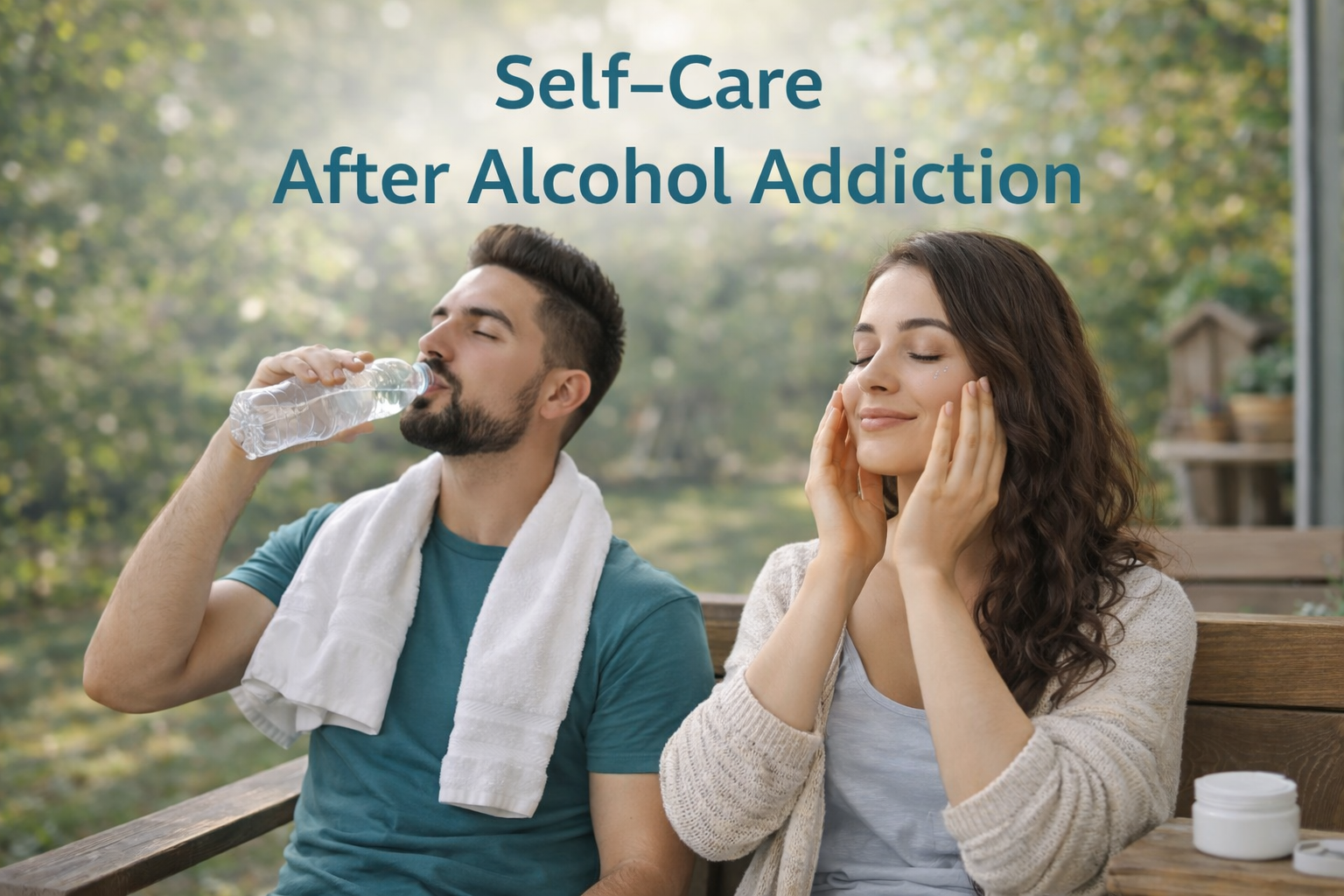
Self-Care After Alcohol Addiction
Self-care after alcohol addiction is a critical part of healing. Many students experience guilt or low self-esteem during recovery, but self-care helps rebuild confidence.
Emotional Self-Care
Emotional healing takes time and support.
Effective self-care practices include:
-
Speaking with a counselor or mentor
-
Expressing emotions through writing or art
-
Practicing self-compassion and patience
Recognizing progress strengthens motivation and self-worth.
Social Self-Care and Healthy Relationships
Peer influence plays a major role during school and college years.
Choose relationships that:
-
Respect sobriety
-
Encourage positive habits
-
Provide emotional support
Avoiding alcohol-centered environments is a smart step toward a healthy lifestyle after alcohol.
Role of Counseling and Support Systems
Professional support is often essential for sustained recovery.
Support from a Nasha Mukti Kendra can include:
-
Individual counseling
-
Emotional and psychological care
-
Relapse prevention strategies
-
Family education and involvement
These systems help students stay focused and motivated.
Academic and Career Growth After Alcohol Recovery
One of the most noticeable benefits of life after alcohol recovery is improved academic focus.
Positive changes include:
-
Better attendance and performance
-
Improved memory and concentration
-
Clear goal-setting for future careers
A healthy lifestyle after alcohol allows students to rediscover ambition and direction.
Preventing Relapse Through Healthy Choices
Relapse prevention is about preparation, not fear.
Practical prevention tips:
-
Identify personal triggers
-
Maintain daily routines
-
Stay connected to support systems
-
Practice self-care after alcohol addiction consistently
Consistency is the foundation of long-term wellness after alcohol.
Long-Term Wellness After Alcohol – Building a Strong Future
Long-term wellness after alcohol is achieved by maintaining physical health, mental strength, emotional balance, and supportive relationships.
Over time, healthy habits become natural, confidence grows, and life becomes purposeful and stable. This holistic approach to recovery is supported by Nasha Mukti Kendra in Dehradun.
Summary and Call to Action
A Healthy Lifestyle After Alcohol empowers students to rebuild their lives with clarity, confidence, and strength. By adopting healthy habits after quitting alcohol, focusing on self-care after alcohol addiction, and committing to long-term wellness after alcohol, young individuals can create a healthier future.
If you or someone you care about is struggling, reach out to a trusted Nasha Mukti Kendra today. Early support can change a life.
Frequently Asked Questions
How long does it take to adjust to a healthy lifestyle after alcohol?
Most students notice physical and mental improvements within a few weeks of following consistent healthy habits.
Can students fully recover from alcohol addiction?
Yes. With early intervention, counseling, and structured routines, full recovery is achievable.
Why is self-care after alcohol addiction important?
Self-care helps heal emotional stress, build self-esteem, and reduce relapse risk.
Does exercise help in alcohol recovery?
Yes. Exercise improves mood, sleep, focus, and discipline, supporting recovery.
When should someone approach a Nasha Mukti Kendra?
When alcohol affects health, studies, or relationships, seeking help early improves outcomes.