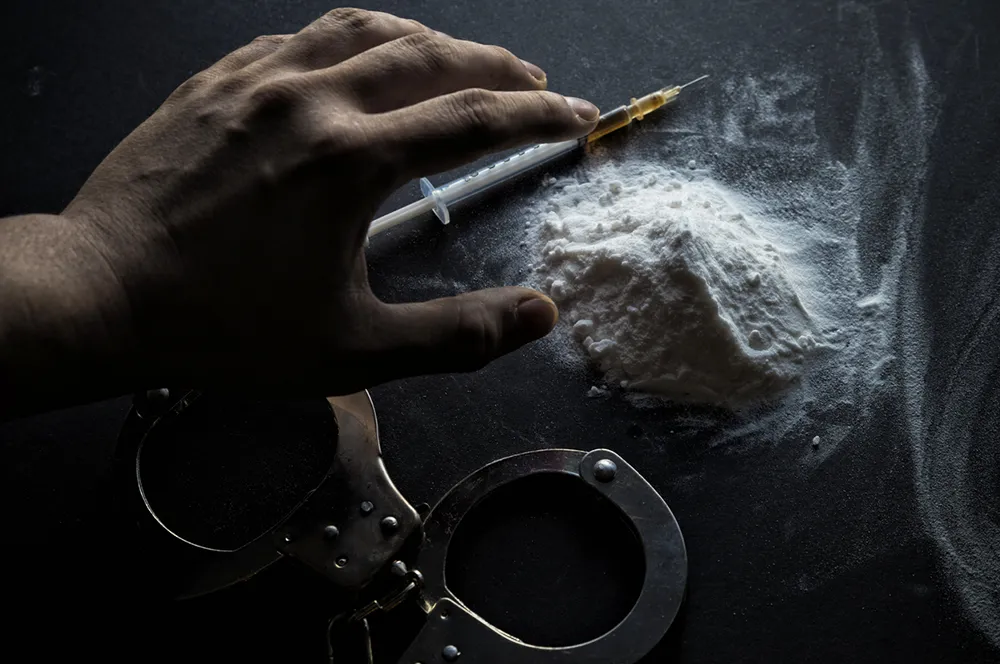
Drug addiction is a chronic brain disorder where a person cannot control their drug use despite harmful consequences. It affects thinking, behavior, emotions, and physical health.
Students often search online to understand addiction when they notice changes in a friend or classmate.
How to Help a Person Who Is Addicted to Drugs
Understanding Drug Addiction
Before learning how to help a person who is addicted to drugs, it is important to understand what addiction really means.
Drug addiction is not just a bad habit. It is a medical and psychological condition where a person becomes dependent on substances despite harmful consequences.
Common Causes of Drug Addiction in Students
-
Peer pressure
-
Academic stress
-
Family problems
-
Curiosity and experimentation
-
Depression or anxiety
-
Social media influence
When you understand the causes, it becomes easier to know how to help a person who is addicted to drugs in the right way.
Signs and Symptoms of Drug Addiction
Recognizing early signs is crucial when thinking about how to help a person who is addicted to drugs.
Physical Signs
-
Red or glassy eyes
-
Sudden weight loss
-
Poor hygiene
-
Sleep problems
Emotional and Behavioral Signs
-
Mood swings
-
Isolation from friends and family
-
Drop in academic performance
-
Secretive behavior
-
Financial problems
If you notice multiple signs, it may be time to take action and learn seriously how to help a person who is addicted to drugs.
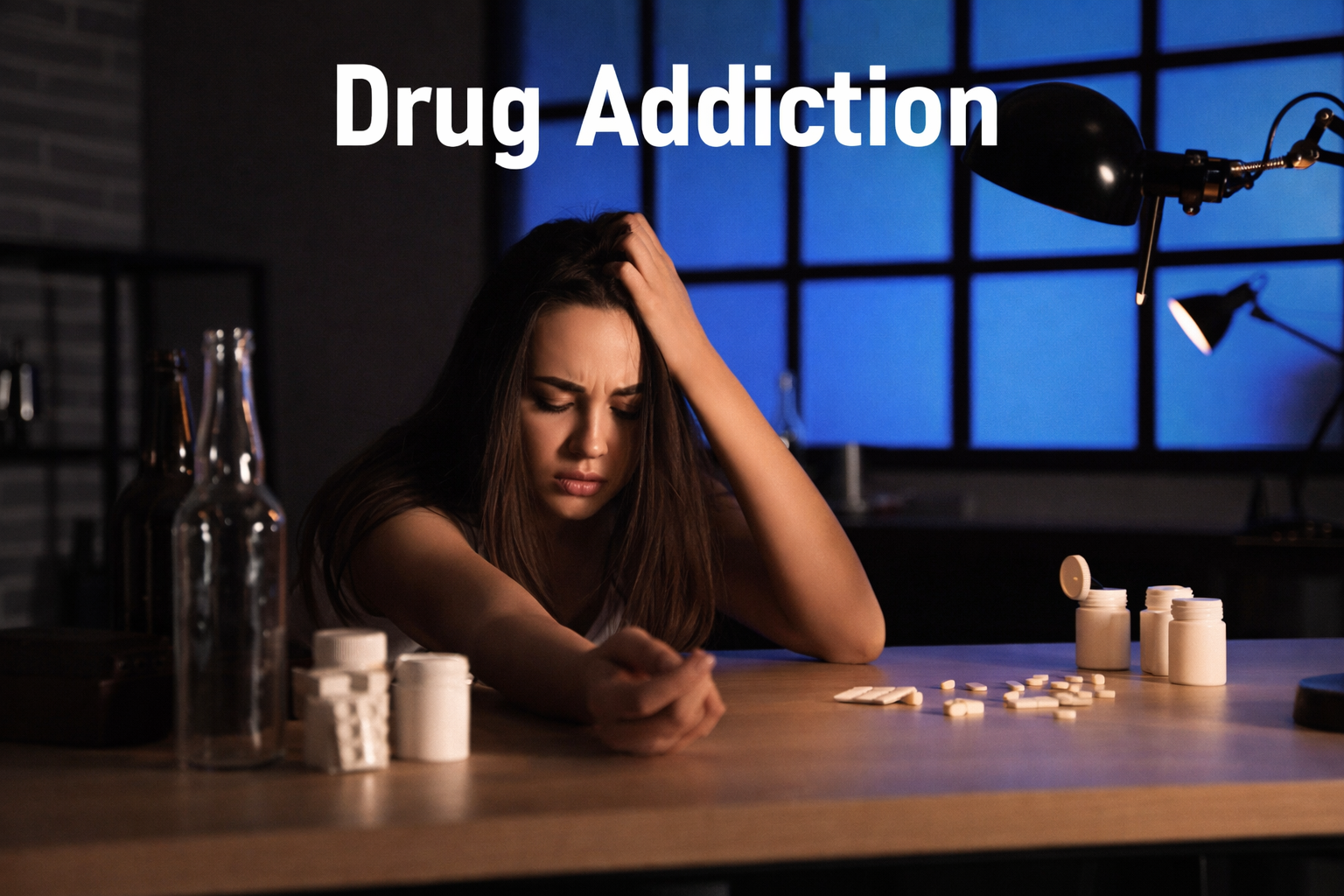
How to Help a Person Who Is Addicted to Drugs
This section explains clearly how to help a person who is addicted to drugs using safe and supportive methods.
1. Stay Calm and Avoid Judging
Do not shout or blame. Addiction already causes guilt and shame.
If you truly want to know how to help a person who is addicted to drugs, start with compassion, not anger.
2. Educate Yourself About Addiction
Learn about drug addiction help resources and treatment options.
Understanding the science behind addiction strengthens your ability in how to help a person who is addicted to drugs effectively.
3. Choose the Right Time to Talk
Talk when they are sober and calm.
Use simple sentences like:
-
“I care about you.”
-
“I am worried about your health.”
Communication plays a major role in how to help a person who is addicted to drugs.
4. Encourage Professional Help
Addiction often requires medical treatment. Suggest:
-
Drug rehabilitation centre
-
Counseling for drug addiction
-
School or college counselor
-
Nasha Mukti Kendra
Professional support is one of the strongest solutions in how to help a person who is addicted to drugs.
5. Involve Trusted Adults
If you are a school or college student, do not handle everything alone.
Talk to:
-
Parents
-
Teachers
-
School counselor
-
Guardians
Seeking help shows maturity and responsibility in understanding how to help a person who is addicted to drugs safely.
Knowing what to avoid is equally important in how to help a person who is addicted to drugs.
-
Do not give them money
-
Do not hide their addiction
-
Do not threaten or shame them
-
Do not ignore the problem
Wrong actions can make addiction worse instead of solving it.
Importance of Family Support in Addiction Recovery
Family support in addiction recovery increases the chance of success.
When families:
-
Offer emotional support
-
Attend therapy sessions
-
Create a safe home environment
Recovery becomes more stable.
Strong support systems are a key part of how to help a person who is addicted to drugs long-term.

Drug Addiction Treatment Options
Understanding treatment options helps students searching online for answers.
1. Detoxification (Detox)
Removes harmful substances from the body under medical supervision.
2. Counseling and Therapy
Helps identify emotional triggers and coping strategies.
3. Rehabilitation Programs
Structured programs at a drug rehabilitation centre.
4. Support Groups
Groups like NA (Narcotics Anonymous) provide peer support.
Choosing the right treatment is essential when planning how to help a person who is addicted to drugs responsibly.
How Students Can Protect Themselves
While learning how to help a person who is addicted to drugs, also protect your own mental health.
-
Set boundaries
-
Avoid enabling behavior
-
Focus on your studies
-
Seek emotional support
-
Practice stress management
Helping someone does not mean sacrificing your own well-being.
Long-Term Recovery and Relapse Prevention
Recovery is a journey, not a one-time event.
Relapse can happen, but it does not mean failure. Continuous encouragement, therapy, and healthy habits are necessary.
Long-term recovery planning is another essential step in understanding how to help a person who is addicted to drugs effectively and sustainably.
Benefits of Early Intervention
Taking action early has many benefits:
-
Prevents serious health damage
-
Improves academic performance
-
Reduces risk of overdose
-
Protects mental health
-
Strengthens relationships
The earlier you learn how to help a person who is addicted to drugs, the better the chances of recovery.
Role of Schools and Colleges
Educational institutions play an important role.
They can provide:
-
Awareness programs
-
Mental health counseling
-
Anti-drug campaigns
-
Safe reporting systems
Students searching on Google for guidance often need trustworthy information. Schools can help spread awareness about how to help a person who is addicted to drugs responsibly.
Conclusion
Learning how to help a person who is addicted to drugs is not about controlling someone — it is about guiding them toward a healthier life.
If you truly want to understand how to help a person who is addicted to drugs, remember these key principles:
-
Stay calm
-
Avoid judgment
-
Encourage professional help
-
Involve trusted adults
-
Protect your own well-being
Every small step matters. Recovery is possible. Many people have overcome addiction with the right support.
If you were searching online to understand how to help a person who is addicted to drugs, know this: your concern shows strength, maturity, and courage.
With compassion, education, and proper support from Nasha Mukti Kendra in Dehradun, change is always possible.
Frequently Asked Questions (FAQ)
1. How do I talk to a friend who is addicted to drugs?
Choose a calm moment, speak kindly, avoid blaming language, and express concern. Encourage professional help and involve trusted adults if needed.
2. Can drug addiction be cured?
Addiction can be treated successfully with therapy, medical care, and long-term support. Recovery is possible with commitment and guidance.
3. Should students handle addiction problems alone?
No. Students should always involve parents, teachers, or counselors for safe and proper support.
4. What is the first step in helping someone addicted?
The first step is understanding the problem and approaching the person with compassion and without judgment.
5. How long does recovery take?
Recovery time varies. It can take months or years depending on the person, substance, and treatment plan.