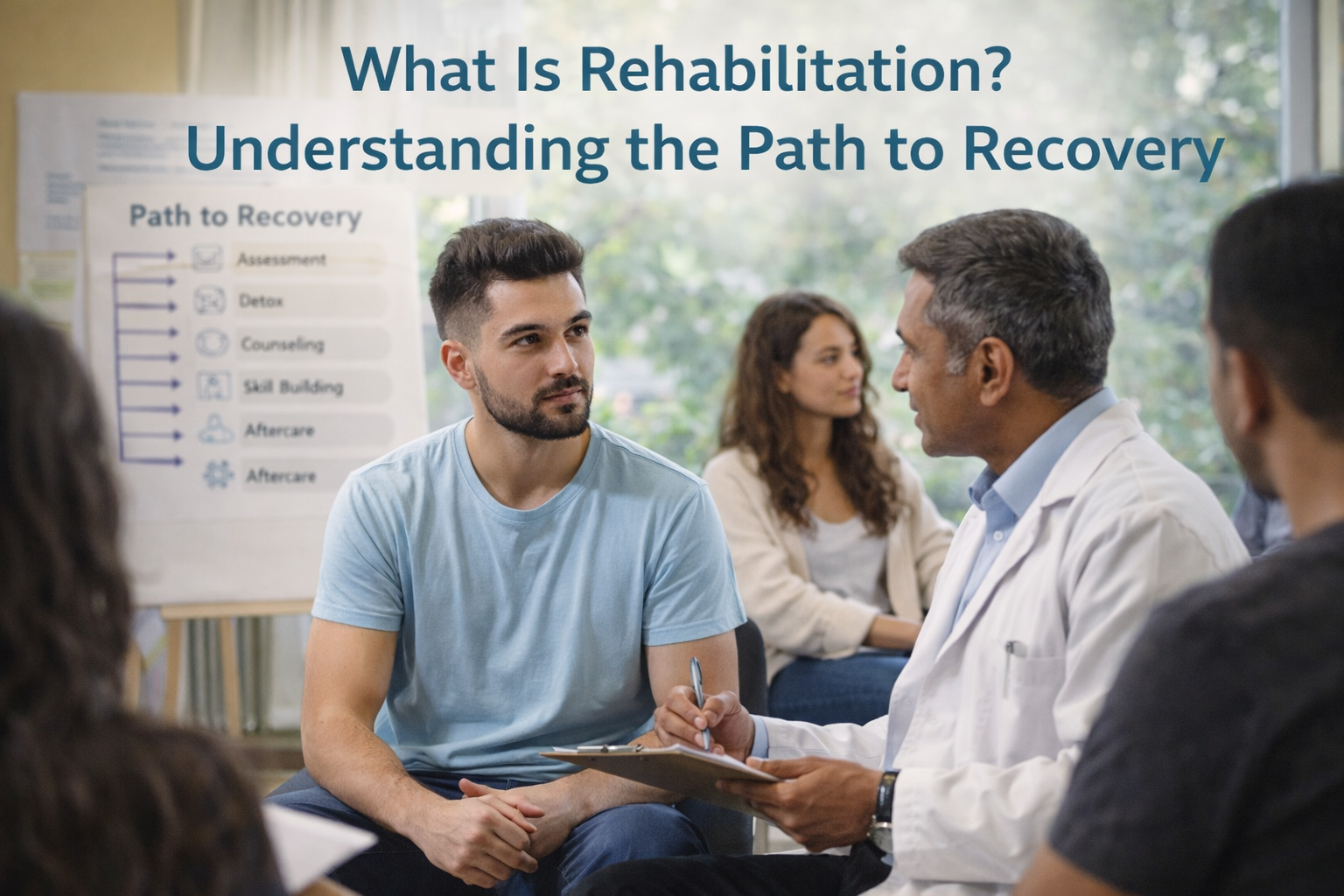
What Is Rehabilitation? Understanding the Path to Recovery is a question many students, families, and individuals ask when facing addiction or harmful habits. Rehabilitation is not just about stopping substance use—it is about rebuilding life, restoring health, and regaining control with professional guidance.
For school-going and college-going students, early exposure to alcohol or substances can affect mental development, academic performance, and emotional stability. Understanding rehabilitation helps break myths and encourages timely support. This article explains what rehabilitation is, how the rehabilitation process works, and why it is essential for a successful path to recovery, especially in cases of alcohol rehabilitation.
Rehabilitation? Understanding the Path to Recovery
Rehabilitation is a structured and professional process designed to help individuals overcome addiction, harmful behaviors, or mental health challenges. It focuses on healing the mind, body, and behavior to support long-term recovery.
Rehabilitation is not punishment or isolation—it is treatment, care, and education that empowers individuals to live substance-free and purposeful lives, as supported by Aarogya Sewa Samiti Dehradun.
What Is Rehabilitation?
Rehabilitation is a medical, psychological, and social support system that helps individuals recover from addiction and regain normal functioning in daily life.
Key goals of rehabilitation include:
-
Stopping substance dependence safely
-
Improving physical and mental health
-
Building emotional strength
-
Developing healthy habits and coping skills
-
Preventing relapse
Rehabilitation addresses not just addiction but also the root causes such as stress, peer pressure, trauma, or emotional imbalance.
Why Rehabilitation Is Important for Students and Young Adults
Teenagers and young adults are still developing mentally and emotionally. Substance use during this stage can cause long-term damage.
Common effects of alcohol and substance use on students include:
-
Reduced concentration and memory
-
Poor academic performance
-
Emotional instability
-
Anxiety and depression
-
Risky behavior and relationship issues
Rehabilitation provides early intervention, helping students return to studies, rebuild confidence, and choose a healthier path.
The Rehabilitation Process Explained
The rehabilitation process follows a step-by-step approach, customized to each individual’s needs.
-
Assessment and Evaluation
Doctors and counselors assess physical health, mental condition, addiction severity, and personal background to design a personalized treatment plan. -
Detoxification (If Required)
Detox removes harmful substances from the body under medical supervision, managing withdrawal symptoms safely. -
Therapy and Counseling
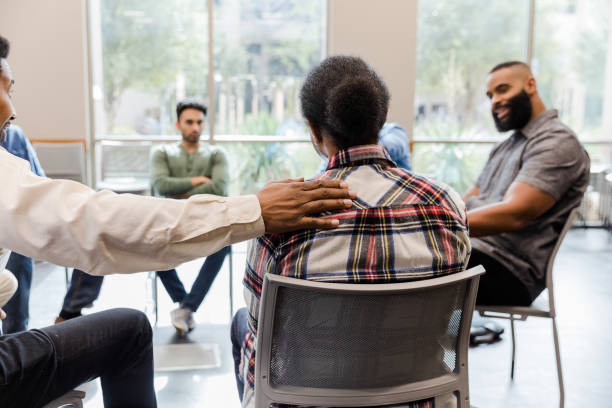
This includes individual counseling, group therapy, family therapy, and behavioral therapy to address emotional triggers and unhealthy patterns. -
Skill Development and Lifestyle Changes
Individuals learn stress management, emotional control, time management, and healthy routines. -
Aftercare and Relapse Prevention
Follow-up counseling, support groups, and lifestyle guidance help maintain long-term recovery.
Understanding the Path to Recovery
The path to recovery is a continuous journey. Rehabilitation builds the foundation, while commitment and consistency lead to lasting change.
Recovery focuses on:
Understanding the Path to Recovery begins with strengthening the core areas of life that support long-term wellness and stability.
Physical wellness
Physical wellness focuses on healing the body through proper nutrition, regular exercise, adequate sleep, and medical care. As the body recovers, energy levels improve and individuals feel stronger and more motivated to continue understanding the path to recovery.
Mental clarity
Mental clarity develops when the mind is free from the effects of alcohol or substances. Rehabilitation helps improve focus, decision-making, and concentration, allowing individuals to think clearly and move forward with confidence while understanding the path to recovery.
Emotional balance
Emotional balance involves managing stress, anxiety, anger, and sadness in healthy ways. Counseling and therapy play a key role in teaching emotional control, which is essential for understanding the path to recovery and maintaining long-term stability.
Positive relationships
Positive relationships with family, friends, and support groups create a strong foundation for recovery. Healthy communication and trust help individuals feel supported and encouraged as they continue understanding the path to recovery.
Personal growth
Personal growth means rediscovering goals, building self-confidence, and developing new skills. Recovery allows individuals to find purpose, rebuild their identity, and move toward a meaningful life while truly understanding the path to recovery.
With the right support, individuals regain control and build a meaningful future.
Alcohol Rehabilitation – A Specialized Approach
Alcohol rehabilitation addresses both physical dependency and psychological addiction.
Key elements include:
-
Safe alcohol detox
-
Craving management
-
Emotional and behavioral counseling
-
Education about alcohol’s effects
-
Relapse prevention planning
Alcohol rehabilitation helps individuals understand the impact of alcohol and adopt a sober, healthy lifestyle.
Benefits of Rehabilitation
Rehabilitation provides long-term benefits such as:
-
Improved physical and mental health
-
Better academic and career focus
-
Increased self-confidence
-
Stronger family relationships
-
Reduced risk of relapse
-
A stable and purposeful life
For students, rehabilitation can be life-changing, allowing them to restart education and rebuild goals.
Common Myths About Rehabilitation
Many people avoid rehabilitation due to misconceptions.
-
Rehabilitation is only for severe addicts – False
-
Rehabilitation is a punishment – False
-
Recovery happens instantly – False
Rehabilitation is a supportive, gradual, and healing process.
Choosing the Right Rehabilitation Support
When choosing rehabilitation support, look for experienced professionals, personalized care, a safe environment, and strong aftercare services. Understanding the Path to Recovery begins with selecting a trusted Nasha Mukti Kendra Dehradun, that provides compassionate and structured recovery support. With professional guidance, individuals gain clarity and confidence while Understanding the Path to Recovery through every stage of treatment. The right rehabilitation environment strengthens commitment and long-term success by truly Understanding the Path to Recovery.
Summary
Rehabilitation is a powerful step toward healing and transformation. By understanding what rehabilitation is,the rehabilitation process, and the path to recovery, individuals—especially students and young adults—can make informed decisions for a healthier future.
If you or someone you care about is struggling with alcohol or substance use, seeking help early can change lives. Take the first step today by reaching out to a trusted Nasha Mukti Kendra and begin the journey toward recovery, confidence, and a brighter future.
Frequently Asked Questions
What is rehabilitation?
Rehabilitation is a structured treatment process that helps individuals recover from addiction by improving physical health, mental well-being, and lifestyle habits.
How long does the rehabilitation process take?
The duration varies based on individual needs and can range from a few weeks to several months.
Is alcohol rehabilitation effective?
Yes, alcohol rehabilitation is effective when combined with counseling, lifestyle changes, and continuous support.
Can students benefit from rehabilitation?
Yes, rehabilitation helps students regain focus, emotional balance, and academic stability.
What happens after rehabilitation?
After rehabilitation, aftercare support and healthy habits help maintain sobriety and prevent relapse.