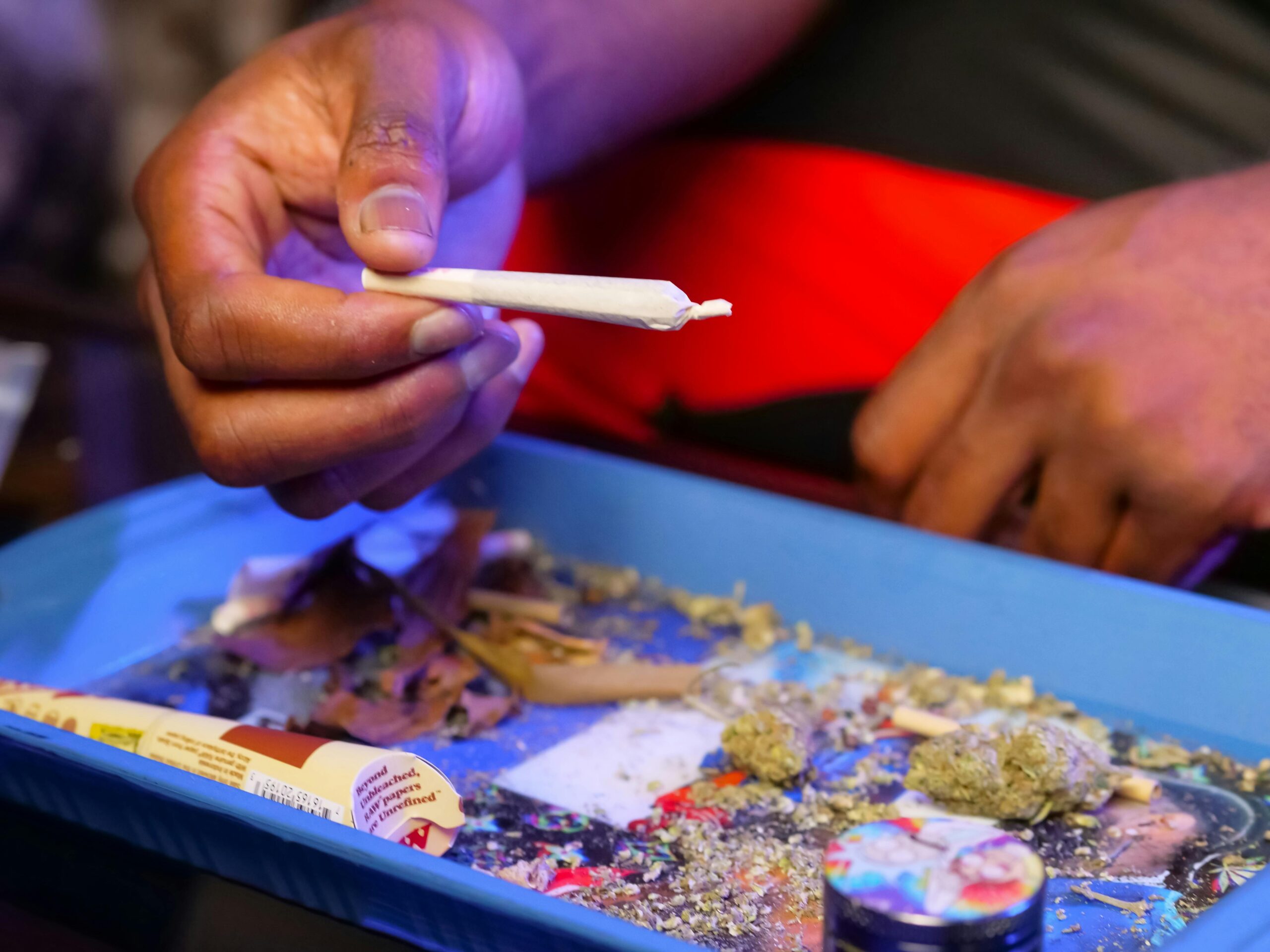
There are mainly five types of addicts: alcohol addicts, drug addicts, prescription drug addicts, behavioral addicts (like gaming or gambling), and dual diagnosis addicts (mental health and addiction combined). Each type requires different support, treatment, and understanding.
The Truth About What Type of Addicts Are There
Why Students Should Understand What Type of Addicts Are There
Teenage and college years are sensitive phases. Peer pressure, stress, exams, relationships, and social media influence decisions.
Understanding what type of addicts are there helps students:
-
Recognize risky behavior early
-
Support friends in need
-
Avoid falling into harmful habits
-
Make informed life choices
Addiction is not a “bad habit.” It is a condition that affects the brain, behavior, and emotions.
What Type of Addicts Are There?
When discussing what type of addicts are there, experts generally classify addiction into different categories based on substance and behavior.
Here are the main types:
1. Alcohol Addicts
Alcohol addiction is one of the most common problems among students.
Signs:
-
Drinking to handle stress
-
Hiding alcohol use
-
Mood swings after drinking
-
Missing classes or responsibilities
Alcohol addiction may start socially but can slowly turn into dependency.
2. Drug Addicts (Including Student Drug Abuse)
Student drug abuse is increasing in schools and colleges.
Common substances include:
-
Cannabis
-
Heroin
-
Cocaine
-
Prescription medicines
-
Synthetic drugs
Understanding what type of addicts are there includes recognizing drug dependency patterns.
Symptoms:
-
Sudden behavior changes
-
Loss of interest in studies
-
Secretive lifestyle
-
Financial problems
3. Behavioral Addicts
Not all addiction involves substances.
Behavioral addiction includes:
-
Gaming addiction
-
Social media addiction
-
Gambling addiction
-
Pornography addiction
These may look harmless but can affect academic performance and mental health.
4. Prescription Drug Addicts
Some students misuse medicines like:
-
Painkillers
-
Sleeping pills
-
Anxiety medication
They may believe these are “safe” because doctors prescribe them. But misuse leads to dependency.
5. Dual Diagnosis (Mental Health and Addiction)
Mental health and addiction are often connected.
Some students use substances to cope with:
-
Depression
-
Anxiety
-
Trauma
-
Academic stress
This is called secondary addiction or dual diagnosis. Treatment must address both mental health and addiction together.
When asking what type of addicts are there, it is important to include those struggling emotionally as well.
Causes Behind Different Types of Addiction
To fully understand what type of addicts are there, we must also explore causes.
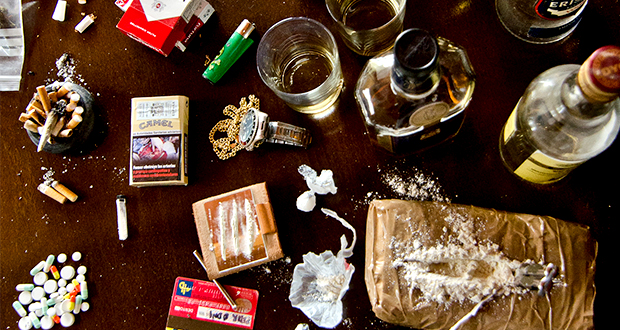
Common Causes Among Students:
-
Peer pressure
-
Curiosity and experimentation
-
Academic stress
-
Relationship issues
-
Family problems
-
Low self-esteem
-
Mental health struggles
Addiction rarely happens overnight. It usually begins with small, repeated choices.
Early Warning Signs Students Should Not Ignore
Recognizing warning signs early can prevent serious problems.
Physical Signs:
-
Red eyes
-
Sudden weight loss
-
Poor hygiene
-
Fatigue
Emotional Signs:
-
Irritability
-
Depression
-
Anxiety
-
Mood swings
Behavioral Signs:
-
Skipping classes
-
Isolation
-
Lying frequently
-
Loss of interest in hobbies
Knowing what type of addicts are there helps you connect these signs to possible risks.
Impact of Addiction on Student Life
Addiction affects every area of life.
1. Academic Performance
Low grades, missed exams, suspension.
2. Physical Health
Liver damage (alcohol addiction), brain changes, sleep problems.
3. Mental Health
Mental health and addiction often worsen each other.
4. Relationships
Family conflicts and broken friendships.
When students search what type of addicts are there, they should also understand the consequences.
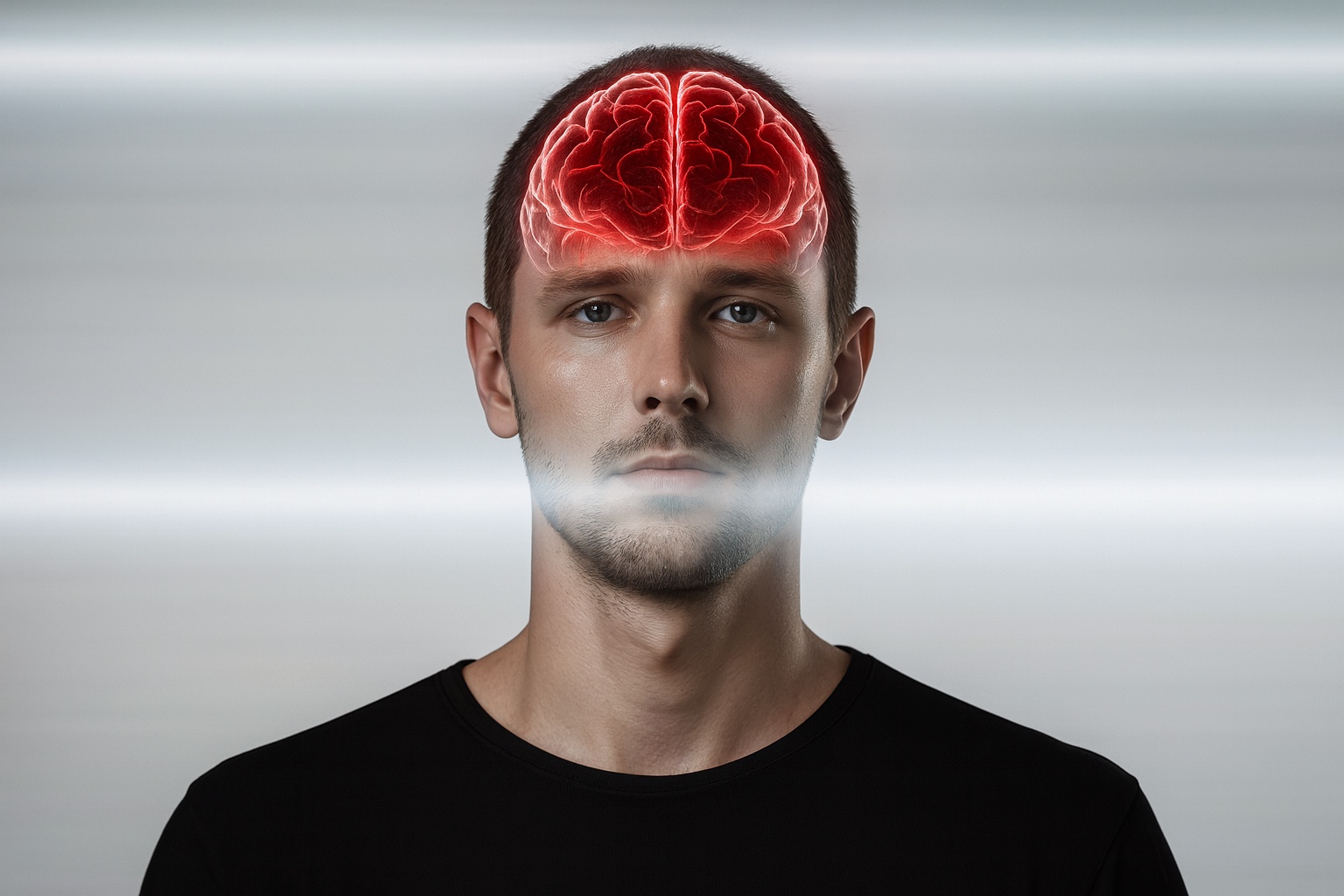
How Addiction Affects the Brain
Addiction changes brain chemistry.
It affects:
-
Decision-making
-
Memory
-
Self-control
-
Reward system
This is why addiction is not just about willpower. Professional support is often needed.
Understanding what type of addicts are there includes understanding how deeply addiction affects the brain.
What Can Students Do?
If you are worried about yourself or a friend, take action early.
1: Acknowledge the Problem
Denial makes addiction worse.
2: Talk to Someone You Trust
-
Parents
-
Teachers
-
Counselors
-
Trusted friends
3: Seek Professional Help
Rehabilitation centers and counselors specialize in treating alcohol addiction and student drug abuse.
4: Focus on Healthy Alternatives
-
Sports
-
Meditation
-
Music
-
Study groups
-
Volunteering
When thinking about what type of addicts are there, remember recovery is possible for all types.
Prevention Tips for School and College Students
Here are practical prevention strategies:
-
Choose friends wisely
-
Avoid risky environments
-
Learn stress management techniques
-
Practice saying “No” confidently
-
Stay engaged in positive activities
Understanding what type of addicts are there empowers you to avoid becoming one.
The Role of Mental Health Awareness
Mental health and addiction are closely connected.
Students should:
-
Take anxiety and depression seriously
-
Avoid self-medication
-
Seek therapy when needed
-
Practice self-care
Sometimes addiction is a symptom of deeper emotional pain.
Recognizing what type of addicts are there helps in offering compassionate support instead of judgment.

How to Help a Friend Who May Be Addicted
If your friend is struggling:
-
Do not shame them
-
Talk privately and calmly
-
Encourage professional help
-
Stay supportive but set boundaries
Addiction recovery requires patience.
When you understand what type of addicts are there, you respond with empathy instead of fear.
Benefits of Early Intervention
Early action can:
-
Prevent long-term damage
-
Improve academic success
-
Restore family trust
-
Improve mental health
-
Save lives
Students who learn what type of addicts are there are better prepared to protect themselves and others.
Conclusion: Understanding What Type of Addicts Are There Can Save Lives
Frequently Asked Questions (FAQs)
1. What type of addicts are there among students?
Students may struggle with alcohol addiction, drug addiction, prescription drug misuse, behavioral addiction, or mental health and addiction combined.
2. Is student drug abuse common in colleges?
Yes, student drug abuse is increasing due to peer pressure, stress, and easy availability of substances.
3. How are mental health and addiction connected?
Many students use substances to cope with anxiety or depression, leading to dual diagnosis conditions.
4. Can alcohol addiction start socially?
Yes. Social drinking can gradually turn into alcohol addiction if used to handle stress or emotions.
5. Can addiction be cured?
Addiction can be treated successfully with therapy, counseling, medical support, and lifestyle changes.