Youth Rehabilitation is becoming increasingly essential in India, where substance use among teenagers and young adults has seen a steady rise over the past decade. Early exposure to drugs, alcohol, gaming, or digital addiction affects not only the brain but also emotional development, academics, relationships, and personality growth.
At Aarogya Rehab, our mission is to provide science-backed, empathetic, and structured Youth Rehabilitation programs that address every aspect of a young person’s life. Organizations such as Arogya Sewa Samiti, Dehradun have emphasized the importance of community-based mental health interventions, especially for adolescents and young adults who face pressure, stress, and emotional turmoil. Understanding this need, our approach to Youth Rehabilitation focuses on deep psychological healing, behavioral correction, life-skill development, and guided reintegration.
Why Youth Rehabilitation Is Essential in Today’s World
India’s youth are vulnerable due to academic pressure, peer influence, emotional instability, relationship stress, and exposure to digital platforms that normalize substance use. Youth Rehabilitation programs are designed to break this cycle early, before addiction becomes severe or life-threatening.
Studies show that early intervention leads to better long-term outcomes in mental health and recovery. The goal of Rehabilitation is not only to free the young mind from addictive behavior but to give it the tools to thrive.
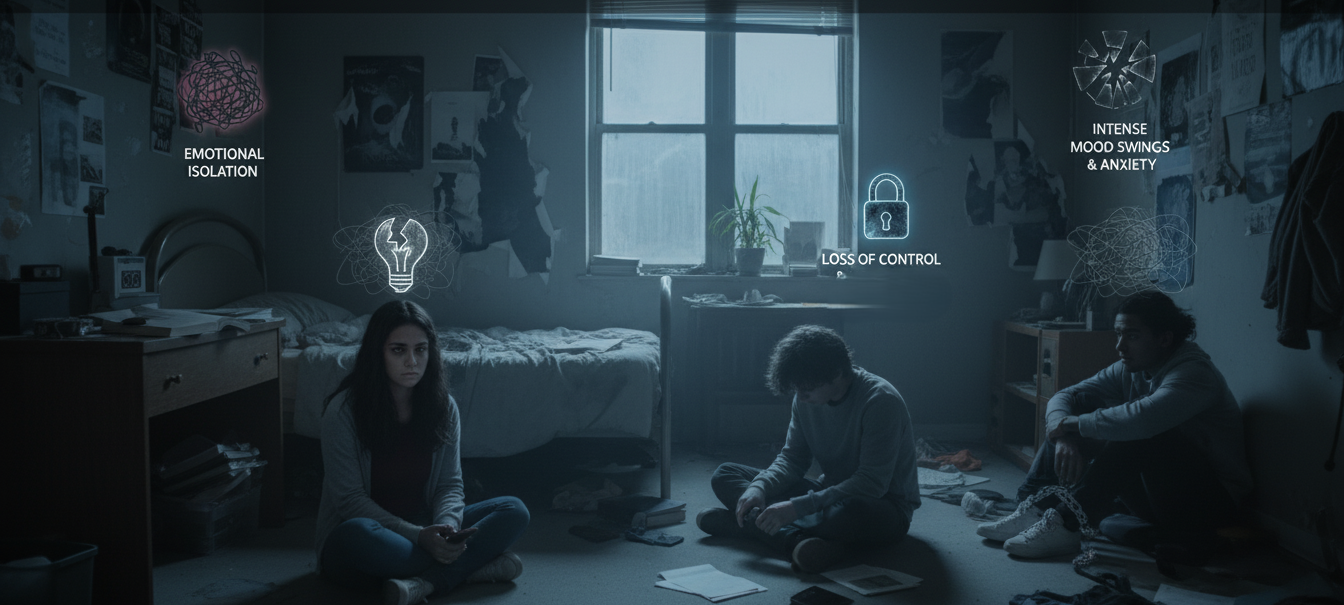
The Effects of Addiction on Young Minds
-
Impaired cognitive development
-
Emotional dysregulation
-
Poor academic performance
-
Increased aggression or withdrawal
-
Reduced motivation
-
Risky behavior
-
Suicidal thoughts in severe cases
Components of an Effective Youth Rehabilitation Program
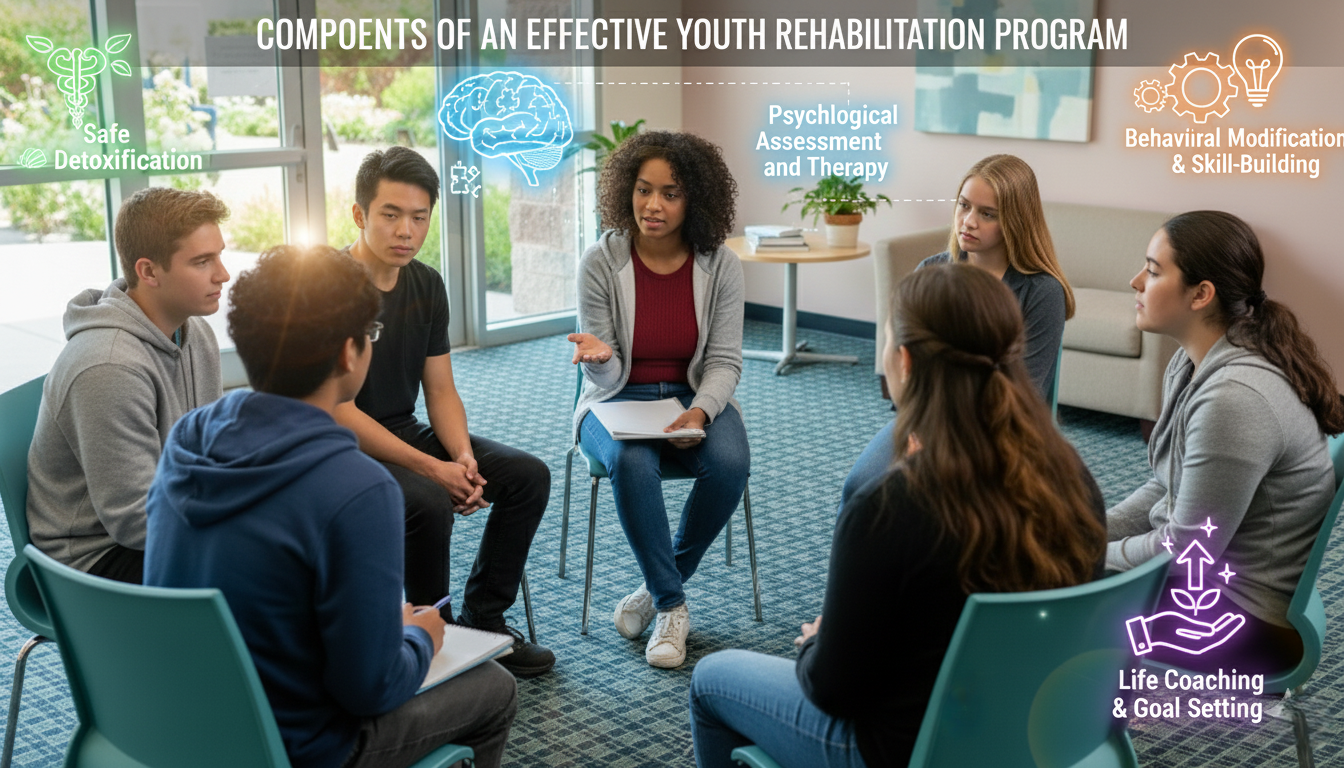
A successful Rehabilitation program must address four dimensions: physical, emotional, psychological, and social well-being. At Aarogya Rehab, we follow an integrated model tailored specifically for adolescents and young adults.
1. Safe Detoxification
Detox is the first step in Rehabilitation, allowing the body to remove harmful substances under medical supervision. Young individuals require specialized detox care due to different metabolic rates and emotional responses.
2. Psychological Assessment and Therapy
Youth often struggle with hidden psychological issues such as trauma, depression, anxiety, low self-esteem, or emotional loneliness.
Therapies used in Youth Rehabilitation include:
-
Cognitive Behavioral Therapy (CBT)
-
Dialectical Behavior Therapy (DBT)
-
Motivational Enhancement Therapy
-
Trauma-informed counselling
-
Family therapy
These therapies help young individuals understand their triggers, develop self-awareness, and build emotional resilience.
3. Behavioral Modification
Addiction in youth is closely tied to habits, peer influence, and coping styles. Youth Rehabilitation programs work on correcting thought patterns, teaching assertiveness, improving decision-making, and helping youth identify risky environments.
4. Skill-Building and Personality Development
Long-term recovery requires more than abstinence.
Skill-building modules include:
-
Communication skills
-
Career guidance
-
Time management
-
Anger management
-
Academic support
-
Leadership development
These modules transform Rehabilitation into a full personality-enhancement experience.
5. Life Coaching and Goal Setting
Young individuals benefit greatly from structured guidance. Life coaching helps them decide what they want from their future. It plays a major role in sustainable Youth Rehabilitation, as purpose-driven individuals relapse less often.
The Role of Family
Family dynamics influence recovery. Many young individuals fall into addiction due to communication gaps, emotional neglect, or unresolved childhood stress.
Youth Rehabilitation programs actively involve families because healing must occur at home as well.
Family-Focused Interventions:
-
Parental counselling
-
Relationship rebuilding sessions
-
Understanding emotional needs
-
Educating parents about addictive behavior
When families work together, the success rate of Youth Rehabilitation increases significantly.
How Peer Influence Impacts Youth Rehabilitation
Peer pressure is one of the strongest triggers for substance use. The need to belong, fit in, or appear “grown-up” often leads young individuals toward harmful choices.
Effective Youth Rehabilitation teaches:
-
Recognizing unhealthy social circles
-
Setting boundaries
-
Saying “no” confidently
-
Building healthy friendships
Group therapy also creates a safe peer environment where young individuals feel understood and supported.
Mental Health and Youth Rehabilitation
Mental health challenges often drive addiction. Anxiety, depression, ADHD, trauma, and loneliness are underlying issues for many young people.
Youth Rehabilitation integrates mental health screening and treatment, ensuring the root cause—not just the symptoms—is addressed.
Mental Health Support Includes:
-
Psychiatric evaluation
-
Medication (if necessary)
-
Therapy for emotional regulation
-
Stress management training
When mental health stabilizes, recovery becomes sustainable.
Digital Addiction and Youth Rehabilitation
Today’s youth often struggle with compulsive gaming, social media addiction, pornography addiction, and mobile dependency. These issues alter sleep, concentration, behavior, and emotional stability.
Youth Rehabilitation programs for digital addiction include:
-
Screen-time restructuring
-
Digital detox routines
-
Social skills enhancement
-
Mindfulness and grounding exercises
-
Substitution with physical and creative activities
Building Life Skills Through Youth Rehabilitation
Life skills are essential for long-term independence.
Key focus areas:
Emotional Intelligence
Understanding and managing emotions.
Problem-Solving Skills
Handling real-life situations without resorting to harmful behaviors.
Communication Skills
Expressing needs clearly and eliminating passive or aggressive communication patterns.
Critical Thinking
Making informed decisions under stress.
Stress Management
Learning healthy coping strategies like meditation, journaling, yoga, or structured exercise.
These skills empower youth to build healthier lifestyles after program completion.
Long-Term Recovery and Reintegration in Youth Rehabilitation
Recovery is not a one-time event. Reintegration into society is where transformation truly begins.
Areas of Reintegration:
-
Academic continuation
-
Career planning
-
Rebuilding friendships
-
Strengthening family relationships
-
Developing healthy hobbies
-
Enhancing self-discipline
Long-term Rehabilitation focuses on helping youth return to their regular lives stronger, clearer, and more confident.
Support After Discharge:
-
Follow-up sessions
-
Relapse prevention plans
-
Support group participation
-
Tele-counselling
-
Emotional check-ins
This ensures young individuals don’t feel alone after completing their program.
Relapse Prevention Strategies in Youth Rehabilitation
Young people are more prone to relapse due to emotional instability, peer pressure, and lifestyle challenges.
Youth Rehabilitation teaches structured relapse management plans:
Key Strategies:
-
Identifying triggers early
-
Maintaining routine
-
Staying connected to support systems
-
Practicing grounding techniques
-
Avoiding old social groups tied to addiction
-
Following a healthy lifestyle
Relapse prevention is a lifelong commitment and the backbone of successful Youth Rehabilitation.
Conclusion: A New Beginning Through Youth Rehabilitation
Rehabilitation is not just about breaking addiction—it is about rebuilding the young mind, restoring confidence, healing emotional wounds, and empowering individuals to start life again with strength and clarity. Early intervention can save futures, repair families, and help young individuals step into adulthood with resilience and purpose.
For families seeking structured care rooted in compassion and science, Aarogya Sewa Samiti, the best rehab center in Dehradun, can provide the support and guidance needed for long-term recovery and transformation.