
Chewing tobacco (also called smokeless tobacco, dip, chew) is a widespread addiction that affects millions of people around the world. At the same time, it may feel like a manageable habit, but stopping chewing tobacco is crucial — for your health, your relationships, and your future.
At Aarogya Sewa Samiti, a trusted Nasha Mukti Kendra in Dehradun, we understand how difficult it can be to quit. This guide will walk you through practical, evidence-based steps on how to stop chewing tobacco, combining medical advice, behavioural strategies, and emotional support.
How To Stop Chewing Tobacco
Quitting chewing tobacco can be tough, but it becomes easier when you follow a simple, clear plan. Choose a quit date within the next few days and prepare yourself emotionally. Try to start during a low-stress period so you can focus on your goal.
After you stop, you may experience cravings or discomfort as your body adjusts to less nicotine. This is normal withdrawal and may cause irritability, restlessness, or trouble sleeping. These feelings are temporary, and each day you resist, the urge becomes weaker.
Why Chewing Tobacco Is Addictive
Chewing tobacco contains nicotine, a powerful addictive substance that impacts both your brain and body. When you chew, nicotine is absorbed through the lining of your mouth, creating a steady supply that reinforces the habit. Over time, your brain starts to depend on that nicotine hit, making it very hard to stop.
But addiction isn’t just physical. There’s a strong psychological component too — the ritual of placing the chew, the comfort of familiar flavor, and even social habits (chewing after work or with friends) all reinforce the behavior. Understanding both these aspects is crucial in your journey to stop chewing tobacco.

2. Create a Quit Plan
Pick Your Quit Date
One of the first and most effective steps in how to stop chewing tobacco is to choose a quit date. Experts recommend picking a date within the next 1–2 weeks so you have enough time to prepare but not so much that your motivation fades. A deliberate quit day gives you a clear commitment and mental focus.
Track Your Usage & Triggers
Start keeping a chew diary for a few days leading up to your quit date:
-
How many times do you chew in a day?
-
When do you feel the strongest urge (after meals, driving, watching TV)?
-
What mood are you in (stressed, bored, relaxed) each time?
This self-monitoring helps you identify triggers — situations or feelings that lead you to reach for chew. Research (including WHO studies) shows that tracking these patterns can significantly boost success.
Clarify Your Reasons for Quitting
Ask yourself: Why do I want to stop chewing tobacco? Your reasons may include:
-
Protecting your health (gums, teeth, cancer risk)
-
Setting a positive example for your family
-
Saving money
-
Regaining control of your life
Write down your top 3–5 reasons, and place these reminders where you’ll see them often — on your mirror, wallet, phone, or workspace. AAFP experts also recommend this method.
3. Prepare to Quit
Clear Out Tobacco Products
On your quit day (or a day or two before), remove all chewing tobacco from your environment. That means not just pouches, but related paraphernalia — spit cans, tins, even lighter reminders. This out-of-sight, out-of-mind step helps reduce the temptation.
Build Your Support System
Quitting is hard, but you don’t have to do it alone. Reach out to:
-
Family and friends: Tell them about your quit plan and how they can support you.
-
Healthcare professionals: A doctor or counsellor can help guide you through medical options.
-
Support groups / quit lines: Local or national tobacco cessation helplines. Even a few counselling sessions make a huge difference (according to Cochrane reviews).
4. Coping Strategies & Healthy Substitutes
Keep Your Mouth Busy
One major challenge when you quit chewing tobacco is the oral habit — your mouth is used to having something there. Here are healthy substitutes recommended by experts:
-
Sugarless gum or lozenges
-
Sunflower seeds, hard candies, or even carrot sticks
-
Toothpicks, straws — any safe item that can mimic the act of chewing
These help divert your attention and reduce the mechanical urge to chew.
Behavioural Techniques & Mindfulness
a) Deep breathing and meditation
-
Deep breathing exercises can calm your mind and reduce the intensity of cravings.
-
Meditation, pranayama (breathing exercises), or yoga help manage stress and withdrawal symptoms, drawing from both modern psychology and traditional practices.
b) Exercise
-
Physical activity is one of the most effective natural ways to handle nicotine cravings. Even a 10-minute walk, or light workout, can make a significant difference.
-
Regular exercise also boosts your mood and accelerates the body’s healing process.
c) Healthy Diet & Hydration
-
Drink plenty of water throughout the day to flush out toxins and occupy your mouth.
-
Include fibrous fruits and vegetables in your diet; these naturally help curb cravings.

5. Medical & Therapeutic Support
Nicotine Replacement Therapy (NRT)
NRT is a medically approved way to deliver safer doses of nicotine without using tobacco. Some commonly used NRT options:
-
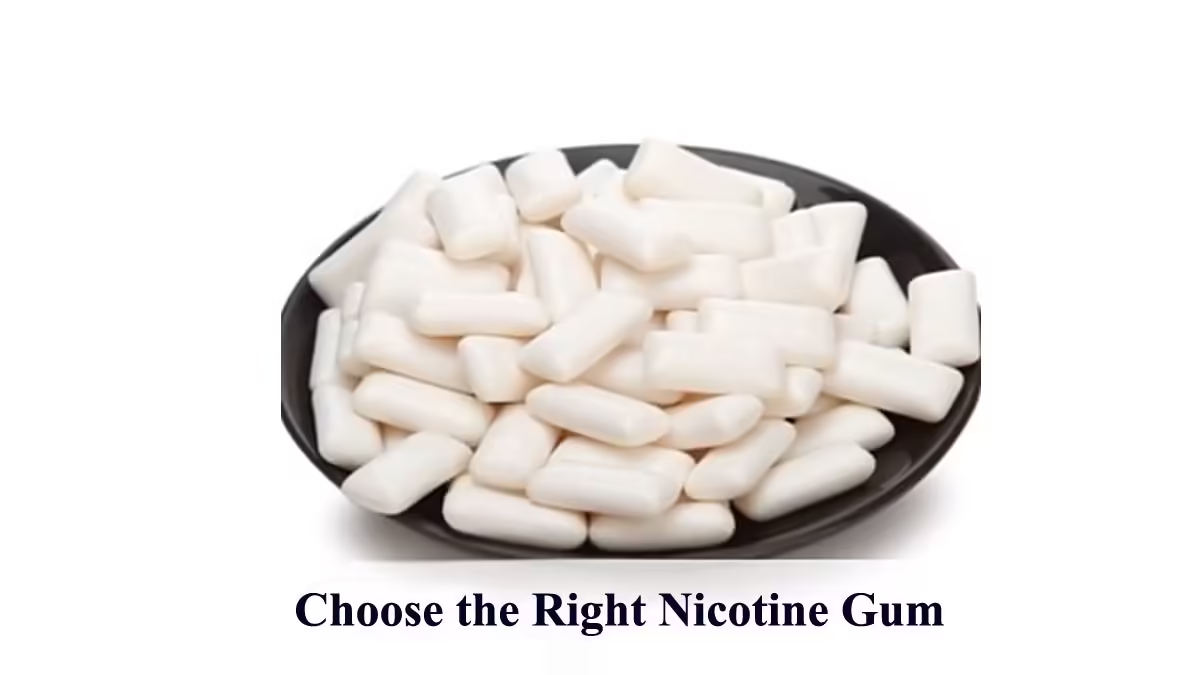
Nicotine gum: Chew slowly, then “park” the gum between your gum and cheek — repeat.
-
Nicotine patches: Provide a steady release of nicotine; sometimes used alongside gum or lozenges for cravings.
-
Lozenges or inhalers: Depending on what is locally available and recommended by your doctor.
NRT can double your chances of quitting successfully.
Prescription Medications
For some people, medications like varenicline (a nicotine receptor partial agonist) or bupropion may be helpful. These medicines can reduce withdrawal and cravings — but must be used under medical supervision.
Behavioral Counselling
-
According to Cochrane reviews, counselling (brief advice, behavioural support) improves quit rates.
-
Counsellors can help you build coping strategies tailored to your triggers, relapse prevention plan, and motivational reinforcement.
6. Managing Withdrawal & Preventing Relapse
What to Expect: Withdrawal Symptoms
When you stop chewing tobacco, your body goes through nicotine withdrawal, which can cause:
-
Irritability or mood swings
-
Difficulty concentrating
-
Sleep disturbances
-
Physical symptoms like headaches or restlessness
These symptoms are temporary but can feel intense. Knowing this in advance helps you prepare mentally.
Dealing with Triggers & Cravings
-
Identify high-risk situations (e.g., driving, after a meal, social gatherings) and plan alternatives.
-
When a craving hits, use your substitutes (gum, seeds), or use behavioral strategies like deep breathing or taking a walk.
-
Remind yourself of your written reasons for quitting — seeing your motivation in writing can anchor you.
Handling Relapse
Relapse is not uncommon. Here’s how to manage it constructively:
-
Don’t be harsh on yourself — slipping up doesn’t mean failure. Learn what triggered it.
-
Rework your plan — maybe adjust your triggers, restart NRT, or get more behavioral support.
-
Celebrate small wins — every hour, day, or week without chewing is progress.
-
Lean on your support system — talk to your counsellor, friends, or fellow quitters to understand what went wrong and how to move forward.

7. Building Long-Term Resilience
Stopping chewing tobacco is not just about quitting — it’s about staying quit. Here are strategies to strengthen your long-term success:
-
Build new, healthy habits: Replace old routines (e.g., chewing after work) with positive ones like walking, reading, or chatting with a friend.
-
Reward yourself: Use the money you save to treat yourself to something meaningful — small rewards for small milestones.
-
Ongoing support: Consider joining a support group (in person or online) or regular follow-up with a counsellor.
-
Maintain mindfulness: Continue deep breathing, meditation, or other stress-relief practices to stay centered.
8. Role of Aarogya Sewa Samiti (Nasha Mukti Kendra – Dehradun)
At Aarogya Sewa Samiti, we deeply understand the challenges of quitting chewing tobacco. Here’s how we support you:
-
Personalized Counselling
-
One-on-one sessions with addiction counsellors.
-
Behavioural therapy to identify triggers, build coping mechanisms, and prevent relapse.
-
-
Medical Supervision
-
Assessment for nicotine dependence and withdrawal.
-
Prescription-based support (when needed) for NRT or medicines like varenicline, under medical guidance.
-
-
Group Therapy & Peer Support
-
Group sessions where people share experiences, struggles, and strategies.
-
Peer accountability to boost motivation.
-
-
Aftercare & Follow-up
-
Continued support after the initial quitting phase.
-
Relapse prevention strategies.
-
Holistic wellness programs: yoga, meditation, exercise — to build healthy lifestyle habits.
-
-
Family Involvement
-
We involve family members in counselling so they understand your journey.
-
Their support can make a big difference in long-term success.
-
Conclusion
Quitting chewing tobacco — learning how to stop chewing tobacco — is a courageous journey. It takes planning, persistence, and support. But at Aarogya Sewa Samiti in Dehradun, you don’t have to do it alone.
Here’s a recap of the key steps:
-
Pick a clear quit date.
-
Track your usage & identify triggers.
-
Use substitutes and healthy strategies to manage cravings.
-
Consider medical aids like NRT or counselling.
-
Prepare for withdrawal, but know it’s temporary.
-
Build a support system you can lean on.
-
Celebrate every victory, no matter how small.
-
Stay committed through relapse and long-term follow-up.
If you’re ready to reclaim control of your life and health, reach out to Aarogya Sewa Samiti today. Our team is here to guide, support, and walk with you every step of the way. You deserve a tobacco-free life — and we are ready to help you achieve it.