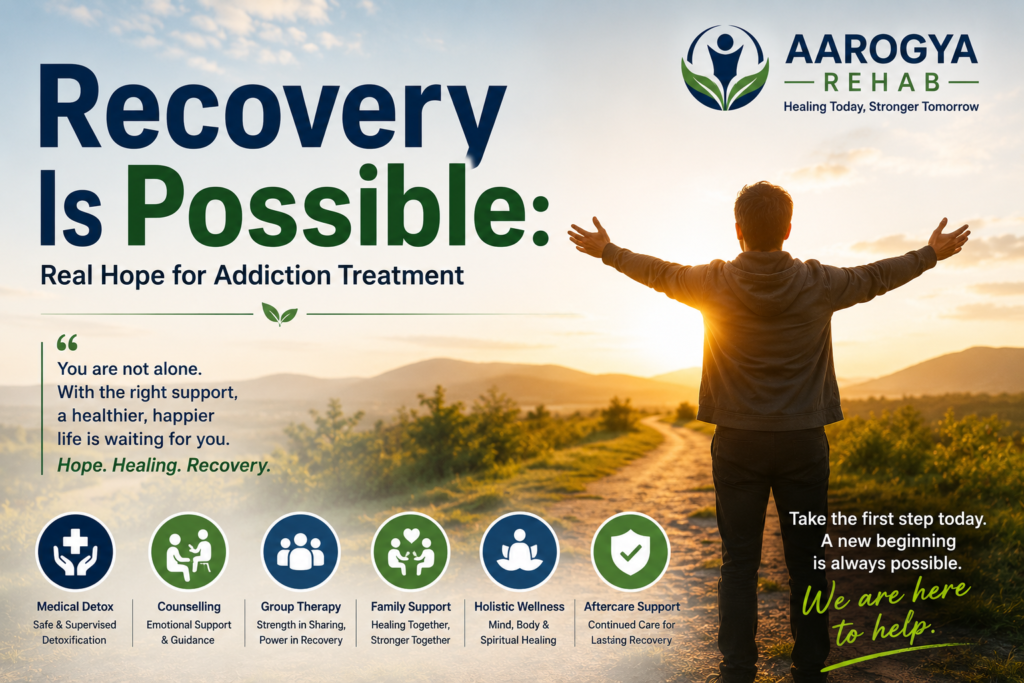
Addiction can make people feel trapped, isolated, and hopeless. It affects physical health, emotional well-being, relationships, careers, and personal goals. Many individuals believe that recovery is out of reach because they have tried to quit several times without success. The truth is that Recovery Is Possible with the right treatment, professional guidance, and continued support.
Recovery is not about becoming perfect. It is about making positive changes one step at a time. Every day without substance use is a meaningful achievement that builds a stronger future. At Aarogya Rehab, operated by Aarogya Sewa Samiti, individuals receive compassionate, evidence-based care that helps them overcome addiction and regain control of their lives.
Understanding Addiction
Addiction is a chronic health condition that affects the brain and behavior. It is not simply a lack of self-control or willpower. Repeated use of alcohol or drugs changes the brain’s reward system, making it difficult to stop without professional support.
Addiction can affect anyone regardless of age, education, or background.
Common effects of addiction include:
- Physical health problems
- Emotional distress
- Anxiety and depression
- Family conflicts
- Financial difficulties
- Poor work or academic performance
- Social isolation
Understanding addiction as a medical condition helps reduce stigma and encourages people to seek treatment earlier.
Why People Lose Hope
Many people delay treatment because they believe recovery is impossible.
Some common reasons include:
- Fear of withdrawal symptoms
- Previous unsuccessful attempts to quit
- Feelings of shame or guilt
- Lack of family support
- Fear of being judged
- Uncertainty about treatment
Although these concerns are understandable, they should never prevent someone from seeking professional help.
Modern rehabilitation programs provide medical care, counselling, and emotional support throughout the recovery journey.

Early counselling helps students overcome challenges before addiction becomes more serious.
Recovery Is Possible with Professional Treatment
Professional addiction treatment focuses on healing both the body and the mind.
Recovery usually involves several important stages.
Medical Detoxification
Detox safely removes harmful substances from the body while healthcare professionals monitor withdrawal symptoms.
Counselling
Individual counselling helps patients understand the emotional causes of addiction and develop healthier coping strategies.
Group Therapy
Sharing experiences with others builds confidence, reduces isolation, and creates a strong support system.
Family Counselling
Families learn how to support recovery while rebuilding trust and improving communication.
Together, these services create a strong foundation for long-term recovery.
The Importance of Early Treatment
The earlier addiction is treated, the better the chances of successful recovery.
Seeking treatment early can help:
- Prevent serious health complications.
- Protect relationships.
- Improve emotional well-being.
- Reduce the risk of overdose.
- Improve work and academic performance.
- Build healthier habits.
Waiting for addiction to become more severe often makes recovery more difficult.
Choosing treatment today can create a healthier tomorrow.
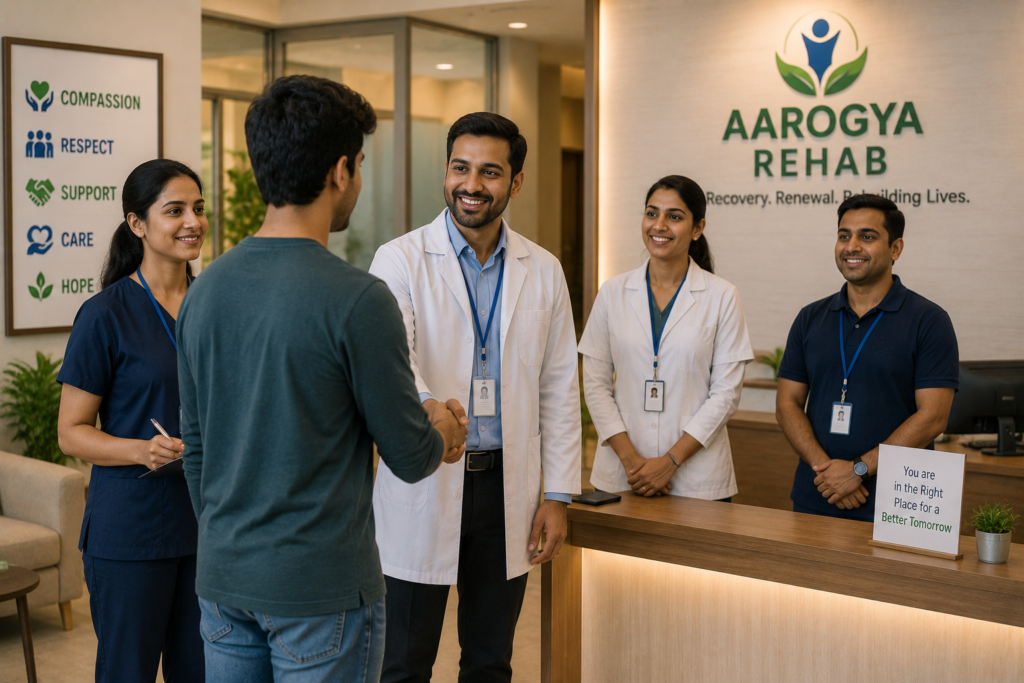
“A dedicated rehabilitation team provides personalized support from day one”
Healing the Mind Along with the Body
Detox removes harmful substances from the body, but emotional healing requires continued support.
Many individuals struggling with addiction also experience:
- Stress
- Anxiety
- Depression
- Trauma
- Low self-esteem
- Negative thinking
Professional therapy helps patients understand these challenges while developing healthier ways to manage emotions.
Healing both physical and mental health improves the chances of lasting recovery.
Healthy Habits That Support Recovery
Recovery continues long after rehabilitation.
Healthy daily routines help individuals maintain sobriety and improve overall well-being.
Positive habits include:
- Regular exercise
- Balanced nutrition
- Yoga
- Meditation
- Good sleep habits
- Time management
- Healthy friendships
- Meaningful hobbies
These lifestyle changes reduce stress while improving confidence and emotional balance.
Family Support Makes Recovery Stronger
Recovery is rarely achieved alone.
Support from family members encourages motivation, accountability, and emotional healing.
Families can help by:
- Listening without judgment.
- Encouraging treatment.
- Celebrating progress.
- Learning about addiction.
- Participating in family counselling.
- Creating a positive home environment.
Family involvement often plays an important role in long-term recovery success.
How Aarogya Rehab Supports Every Recovery Journey
At Aarogya Rehab, managed by Aarogya Sewa Samiti, recovery programs are designed to meet the unique needs of every patient.
Services include:
- Medical detoxification
- Individual counselling
- Group therapy
- Family counselling
- Yoga and meditation
- Wellness activities
- Relapse prevention planning
- Aftercare support
The compassionate rehabilitation team works closely with each individual, providing encouragement and professional guidance throughout every stage of recovery.
Overcoming Challenges During Recovery
Recovery is a journey with both successes and challenges. It is normal for individuals to experience moments of doubt, cravings, or emotional stress while adjusting to a new lifestyle. These challenges do not mean treatment has failed. Instead, they are opportunities to learn healthier coping strategies and become stronger.
Some common recovery challenges include:
- Managing cravings
- Coping with stress
- Rebuilding relationships
- Returning to work or education
- Regaining self-confidence
- Avoiding unhealthy environments
With professional guidance and family support, these challenges can be successfully managed.
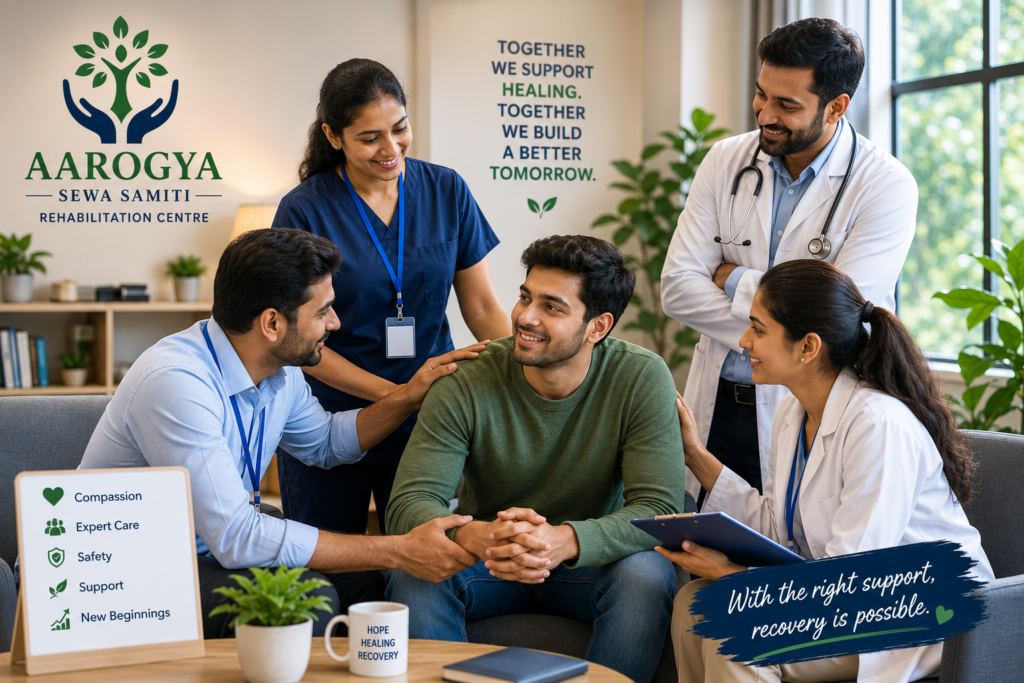
“Every successful recovery journey is built on trust, support, and professional care”
Preventing Relapse
Relapse prevention is an important part of every rehabilitation program. Learning to identify triggers and respond in healthy ways helps individuals maintain long-term sobriety.
Common relapse triggers include:
- Emotional stress
- Anxiety or depression
- Social pressure
- Financial problems
- Family conflicts
- Loneliness
- Exposure to alcohol or drugs
Helpful relapse prevention strategies include:
- Attending follow-up counselling
- Practicing yoga and meditation
- Maintaining a healthy daily routine
- Staying connected with supportive family and friends
- Participating in recovery support groups
- Seeking professional help whenever needed
Recovery is strengthened through preparation, consistency, and ongoing support.
The Importance of Aftercare
Recovery continues after leaving a rehabilitation centre. Continued support helps individuals stay focused on their goals while adjusting to daily life.
Aftercare programs may include:
- Regular counselling sessions
- Follow-up medical assessments
- Family support meetings
- Wellness activities
- Recovery monitoring
- Relapse prevention planning
These services help individuals remain motivated and reduce the risk of returning to substance use.
How Aarogya Rehab Builds Hope
At Aarogya Rehab, operated by Aarogya Sewa Samiti, every patient is treated with dignity, compassion, and respect. Recovery programs are designed to address physical health, emotional well-being, and personal growth.
Patients receive support through:
- Medical detoxification
- Personalized rehabilitation plans
- Individual counselling
- Group therapy
- Family counselling
- Yoga and meditation
- Mental wellness activities
- Long-term aftercare
The goal is not only to overcome addiction but also to help individuals rebuild confidence, restore relationships, and create a healthier future.
Small Steps Lead to Big Changes
Recovery does not happen overnight. It is built through small, consistent actions taken every day.
Examples include:
- Attending therapy sessions regularly
- Practicing healthy coping skills
- Following a structured daily routine
- Eating nutritious meals
- Exercising regularly
- Asking for help when needed
- Celebrating personal achievements
Each positive step moves an individual closer to a stable, addiction-free life.
Conclusion
Recovery Is Possible for anyone willing to seek professional help and commit to positive change. Although addiction can affect every aspect of life, it does not define a person’s future. With the right treatment, emotional support, and determination, individuals can regain their health, rebuild relationships, and achieve lasting recovery.
At Aarogya Rehab, managed by Aarogya Sewa Samiti, compassionate professionals guide patients through every stage of the recovery journey. From medically supervised detoxification and counselling to family therapy, wellness programs, relapse prevention, and aftercare, every service is designed to promote lifelong healing.
No matter how difficult addiction may seem, there is always hope. Taking the first step today can open the door to a healthier, happier, and addiction-free future.
Frequently Asked Questions (FAQs)
1. Is recovery from addiction really possible?
Yes. With professional treatment, counselling, family support, and ongoing care, many individuals achieve long-term recovery and lead healthy, productive lives.
2. Why is professional treatment important?
Professional treatment addresses both physical dependence and the emotional causes of addiction, improving the chances of lasting recovery.
3. What role does family play in recovery?
Family members provide encouragement, emotional support, accountability, and a stable environment that helps strengthen long-term recovery.
4. What is relapse prevention?
Relapse prevention teaches individuals how to recognize triggers, manage cravings, and develop healthy coping strategies to maintain sobriety.
5. How does Aarogya Rehab help individuals recover?
Aarogya Rehab, operated by Aarogya Sewa Samiti, provides medical detoxification, counselling, family therapy, wellness programs, relapse prevention, aftercare, and personalized rehabilitation plans for lasting recovery.