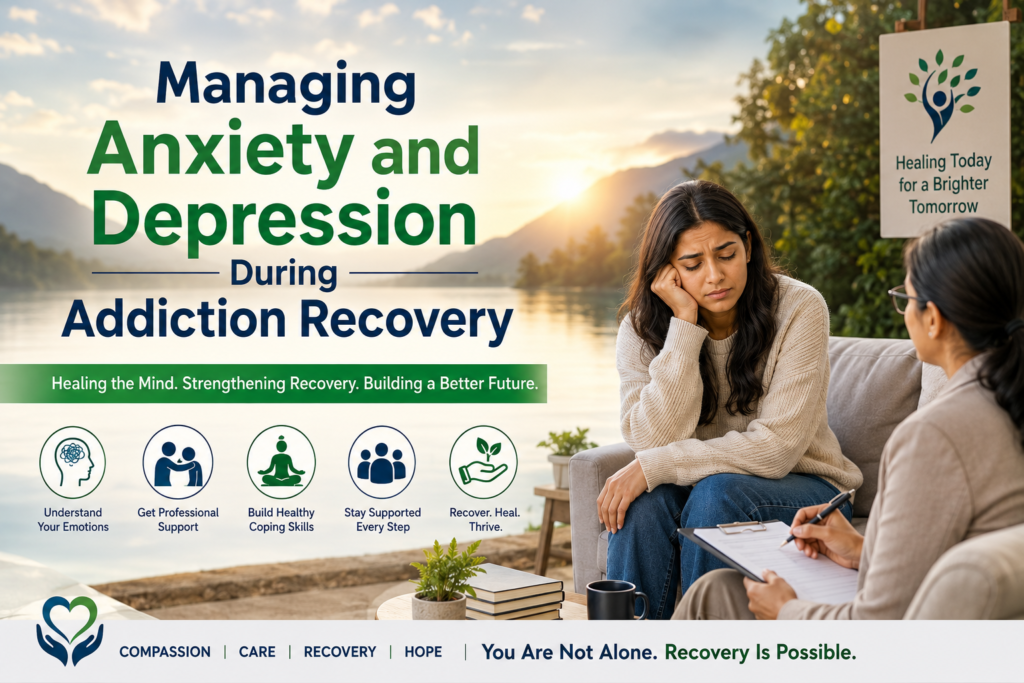
Recovering from addiction is a life-changing journey that involves much more than stopping the use of alcohol or drugs. Many individuals also experience emotional challenges such as anxiety and depression during recovery. These feelings are common because the brain and body need time to heal after prolonged substance use. Understanding Managing Anxiety and Depression During Addiction Recovery is essential for building emotional strength, preventing relapse, and achieving long-term wellness. At Aarogya Rehab, operated by Aarogya Sewa Samiti, comprehensive rehabilitation programs focus on treating both addiction and mental health, helping individuals recover with confidence and hope.
Understanding Anxiety and Depression During Recovery
Anxiety and depression are among the most common mental health conditions experienced during addiction recovery. Some individuals may have struggled with these conditions before addiction began, while others develop emotional symptoms during detoxification and early recovery.
As the brain adjusts to life without addictive substances, temporary emotional changes may occur. Professional treatment helps individuals understand these feelings while providing healthy ways to manage them.
Common symptoms include:
- Persistent sadness.
- Excessive worrying.
- Irritability.
- Low motivation.
- Difficulty sleeping.
- Poor concentration.
- Feelings of hopelessness.
- Fatigue.
Recognizing these symptoms early allows individuals to receive appropriate care before they interfere with recovery.
Why Mental Health Care Is Essential
Successful rehabilitation treats both addiction and mental health together. Ignoring anxiety or depression may increase stress, weaken motivation, and raise the risk of relapse.
Managing Anxiety and Depression During Addiction Recovery improves emotional stability while helping individuals build healthier coping skills.
Benefits of integrated mental health care include:
- Better emotional balance.
- Reduced relapse risk.
- Improved confidence.
- Healthier relationships.
- Better decision-making.
- Greater overall well-being.
At Aarogya Rehab, personalized treatment plans are designed to address each patient’s physical, emotional, and psychological needs throughout recovery.

“Mental Health Professional Conducting an Initial Counseling Session”
Common Causes of Anxiety and Depression During Recovery
Recovery brings many positive changes, but it also requires individuals to adjust to a completely new lifestyle. Emotional challenges often arise as people learn to manage stress without alcohol or drugs.
Some common causes include:
- Withdrawal symptoms.
- Fear of relapse.
- Financial concerns.
- Family relationship issues.
- Work-related stress.
- Unresolved emotional trauma.
- Social pressure.
- Lifestyle adjustments.
Understanding these challenges helps patients develop healthier responses instead of returning to substance use.
The Importance of Medical Assessment
Every individual’s emotional health is different. Before beginning treatment, healthcare professionals perform a thorough assessment to understand both addiction and mental health concerns.
The assessment may include:
- Physical health evaluation.
- Mental health screening.
- Substance use history.
- Medical history review.
- Emotional well-being assessment.
- Recovery goal planning.
This personalized approach helps create an effective rehabilitation program that supports complete healing.
Therapy Helps Restore Emotional Balance
Professional therapy is one of the most effective ways to manage anxiety and depression during addiction recovery. Counseling provides a safe and supportive environment where individuals can discuss their emotions without fear of judgment.
Therapists help patients:
- Understand emotional triggers.
- Develop healthy coping strategies.
- Build self-confidence.
- Improve communication skills.
- Set realistic recovery goals.
- Strengthen emotional resilience.
These skills help individuals respond positively to difficult situations while maintaining long-term recovery.
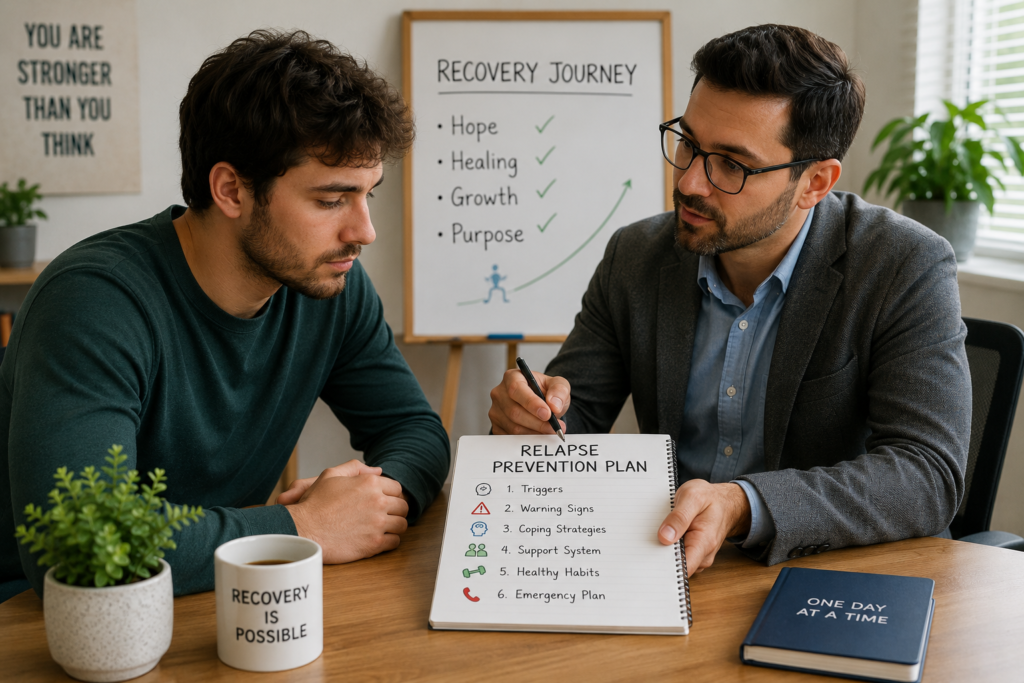
“Honest conversations with trained professionals build confidence, emotional strength, and long-term recovery”
Recovery Begins with Compassionate Care
Healing from addiction involves caring for both the mind and the body. With professional guidance, emotional support, and personalized treatment, individuals can successfully manage anxiety and depression while building a healthier future.
At Aarogya Rehab, managed by Aarogya Sewa Samiti, compassionate healthcare professionals work closely with every patient to promote emotional healing, improve mental wellness, and support lifelong recovery.
Professional Treatment Approaches for Emotional Healing
Managing anxiety and depression during addiction recovery requires a combination of medical care, counseling, and healthy lifestyle changes. Every individual responds differently to treatment, so rehabilitation programs are tailored to meet personal needs and recovery goals.
At Aarogya Rehab, operated by Aarogya Sewa Samiti, treatment plans focus on healing both addiction and mental health simultaneously. This integrated approach improves emotional stability and supports long-term recovery.
Patients may receive:
- Individual counseling.
- Group therapy.
- Family counseling.
- Behavioral therapy.
- Mental health support.
- Wellness activities.
- Relapse prevention education.
The Benefits of Group Therapy
Many individuals feel isolated while struggling with addiction and mental health challenges. Group therapy creates a supportive environment where patients can share experiences, encourage one another, and learn from people facing similar situations.
Benefits of group therapy include:
- Reduced feelings of loneliness.
- Increased emotional support.
- Better communication skills.
- Improved self-confidence.
- Motivation from shared success stories.
- Stronger commitment to recovery.
Knowing that others understand similar struggles often gives individuals hope and confidence throughout their recovery journey.
Family Support Plays an Important Role
Recovery becomes more successful when family members actively participate in the healing process. Addiction and mental health challenges affect the entire family, making education and communication essential.
Family counseling helps:
- Rebuild trust.
- Improve communication.
- Resolve conflicts.
- Understand addiction and mental health.
- Create healthy boundaries.
- Encourage positive support at home.
At Aarogya Rehab, family involvement is encouraged because a caring support system significantly improves long-term recovery outcomes.

“Family Participating in a Counseling Session at the Rehabilitation Centre”
Healthy Lifestyle Habits Improve Mental Wellness
Developing healthy daily routines can greatly reduce anxiety and depression while supporting recovery from addiction. Positive habits strengthen both physical and emotional health.
Helpful lifestyle practices include:
- Eating balanced meals.
- Exercising regularly.
- Sleeping seven to eight hours.
- Drinking enough water.
- Spending time outdoors.
- Maintaining a daily routine.
- Building healthy friendships.
- Avoiding negative influences.
These simple habits improve mood, increase energy, and help individuals remain focused on recovery goals.
Managing Stress in Healthy Ways
Stress is a common trigger for anxiety, depression, and substance cravings. Learning healthy coping strategies allows individuals to manage difficult emotions without returning to alcohol or drugs.
Effective stress-management techniques include:
- Deep breathing exercises.
- Meditation.
- Yoga.
- Journaling.
- Listening to calming music.
- Reading inspirational books.
- Speaking with a counselor.
- Practicing gratitude every day.
These techniques help individuals stay emotionally balanced while developing resilience during recovery.
Holistic Therapies Support Recovery
Modern rehabilitation programs often combine traditional counseling with holistic wellness activities that promote overall well-being. These therapies complement medical treatment and encourage emotional healing.
Common holistic therapies include:
- Yoga.
- Meditation.
- Mindfulness training.
- Physical fitness.
- Nutritional counseling.
- Relaxation exercises.
Holistic therapies reduce stress, improve concentration, strengthen emotional resilience, and enhance overall quality of life throughout recovery.
Preventing Relapse Through Emotional Awareness
Learning to recognize emotional warning signs is one of the most effective ways to prevent relapse. Anxiety, depression, frustration, loneliness, and overwhelming stress can increase the risk of returning to substance use if left unmanaged.
At Aarogya Rehab, patients learn practical relapse prevention strategies that help them identify triggers early, manage cravings, seek support when needed, and respond to life’s challenges with confidence instead of turning to alcohol or drugs.
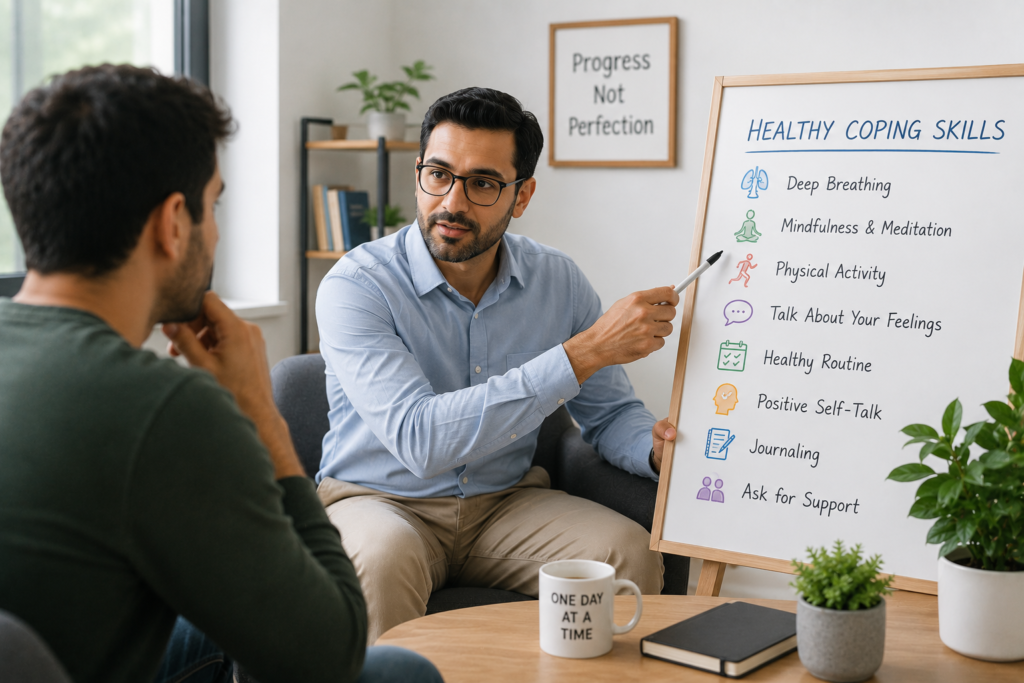
“Every coping skill learned in therapy is another step toward a healthier, addiction-free future”
Every Step Toward Emotional Healing Matters
Managing anxiety and depression is an ongoing process that becomes easier with professional guidance, supportive relationships, and healthy daily habits. Every counseling session, healthy decision, and positive coping strategy helps individuals build emotional strength while moving closer to lasting recovery.
At Aarogya Rehab, managed by Aarogya Sewa Samiti, compassionate professionals encourage every patient to celebrate progress, believe in their ability to recover, and continue building a healthier, addiction-free future.
The Importance of Aftercare
Recovery continues long after a rehabilitation program is completed. Ongoing support helps individuals maintain emotional stability while adapting to daily responsibilities without alcohol or drugs. Aftercare reduces the risk of relapse and encourages long-term personal growth.
Aftercare services may include:
- Regular counseling sessions.
- Recovery support groups.
- Family follow-up meetings.
- Mental health monitoring.
- Wellness programs.
- Lifestyle coaching.
- Relapse prevention reviews.
At Aarogya Rehab, aftercare is an essential part of treatment because continuous guidance helps patients remain motivated and emotionally strong throughout their recovery journey.
Choosing the Right Rehabilitation Centre
Finding the right rehabilitation centre is an important step toward lasting recovery. A trusted centre should provide comprehensive treatment that addresses addiction, mental health, and overall well-being in a supportive environment.
When selecting a rehabilitation centre, consider the following:
- Experienced doctors and therapists.
- Personalized treatment plans.
- Safe medical detoxification.
- Mental health services.
- Family counseling programs.
- Wellness and holistic therapies.
- Relapse prevention education.
- Long-term aftercare support.
Aarogya Rehab, managed by Aarogya Sewa Samiti, offers compassionate and evidence-based rehabilitation services that focus on healing both the body and mind. Every treatment plan is designed to meet the unique needs of each individual while promoting dignity, hope, and lifelong recovery.
Recovery Is a Journey of Emotional Strength
Healing from addiction takes patience, determination, and professional guidance. Anxiety and depression may present challenges during recovery, but they do not have to define the future. Every positive step, whether attending counseling, practicing mindfulness, rebuilding relationships, or maintaining sobriety, contributes to long-term success.
With the right support system, individuals learn to manage difficult emotions in healthy ways while developing confidence in their ability to overcome obstacles. At Aarogya Rehab, patients are encouraged to celebrate every achievement and continue building a healthier, substance-free life.
Conclusion
Managing Anxiety and Depression During Addiction Recovery is an essential part of achieving lasting freedom from substance abuse. Recovery is not only about overcoming physical dependence but also about healing emotionally, rebuilding confidence, and learning healthier ways to manage life’s challenges. With the right combination of medical care, counseling, mental health support, and lifestyle changes, individuals can successfully overcome anxiety, depression, and addiction.
At Aarogya Rehab, managed by Aarogya Sewa Samiti, every patient receives compassionate, personalized care designed to support complete recovery. Through professional therapy, wellness activities, family involvement, relapse prevention, and long-term aftercare, individuals are empowered to build healthier relationships, improve emotional well-being, and create a meaningful future free from addiction.
Recovery is a journey of hope, courage, and growth. Every step taken toward healing is a step closer to a happier, healthier, and addiction-free life.