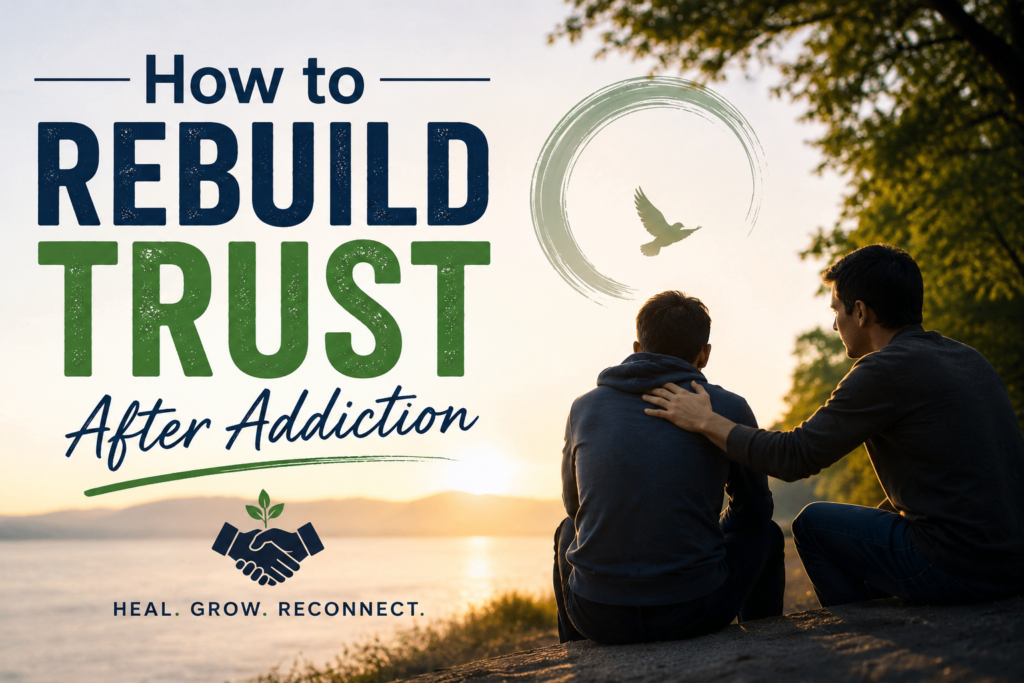
Addiction can affect much more than a person’s health. It can also change relationships with family members, friends, colleagues, and other people who care about them. Broken promises, missed responsibilities, and repeated disappointments may gradually damage the trust that once existed.
When a person begins recovery, rebuilding these relationships can become an important part of moving forward. However, rebuilding trust after addiction does not happen overnight. It requires patience, honesty, responsibility, and consistent effort from everyone involved.
The good news is that trust can be rebuilt. With time, professional support, open communication, and healthy actions, individuals can begin repairing relationships and creating a stronger foundation for their future.
Why Addiction Can Damage Trust
Addiction can change a person’s behaviour and priorities. During active addiction, an individual may make promises that they cannot keep, hide problems, withdraw from loved ones, or behave in ways that hurt people around them.
Family members may feel confused, disappointed, angry, or emotionally exhausted. They may have heard promises about change before and find it difficult to believe new promises immediately.
This is why trust may take time to return. Even when a person genuinely wants to change, loved ones may need to see consistent behaviour before they feel safe trusting again.
It is important to understand that rebuilding trust is not about demanding that others forget the past. It is about accepting what happened, taking responsibility, and showing through actions that positive change is taking place.
The First Step Is Accepting Responsibility
One of the most important steps in rebuilding trust after addiction is taking responsibility for past actions. This means acknowledging how addiction may have affected other people without making excuses or blaming others.
Taking responsibility does not mean a person should feel hopeless or permanently defined by their past. Instead, it means recognising the consequences of previous behaviour and using that understanding to make better choices.
A person in recovery can begin by:
- Acknowledging the harm caused
- Listening to loved ones without becoming defensive
- Apologising sincerely
- Accepting that forgiveness may take time
- Avoiding repeated promises that cannot be kept
- Focusing on consistent actions
A sincere apology is valuable, but actions often speak more clearly than words. Trust grows when people see positive behaviour repeated over time.

“A realistic emotional scene showing an adult sincerely apologising and listening to a family member in a peaceful home environment”
Be Honest and Open
Honesty is one of the strongest foundations of trust. During recovery, being open about feelings, challenges, and concerns can help repair damaged relationships.
This does not mean sharing every private thought with everyone. It means avoiding unnecessary secrecy and communicating honestly about important matters.
If a person is struggling emotionally, facing stress, or finding recovery difficult, speaking with a counsellor or trusted professional can be healthier than hiding the problem.
At Aarogya Sewa Samiti, counselling and psychological support are part of the recovery approach. The organisation states that its team includes doctors, psychiatrists, psychologists, counsellors, yoga professionals, nurses, and support staff who help individuals through recovery.
Professional support can also help individuals develop better communication skills and understand the emotional challenges that may affect their relationships.
Keep Small Promises
After addiction, family members may find it difficult to trust large promises about the future. Instead of making dramatic statements, it can be more helpful to focus on small commitments that can realistically be kept.
For example, a person might promise to attend a counselling session, follow a daily routine, or spend time with family. Keeping these smaller commitments consistently can gradually demonstrate reliability.
Over time, repeated positive actions can create a new pattern of behaviour. This pattern may help family members feel more confident that the changes are genuine.
Remember that trust is rebuilt through consistency. One good day may not repair years of damaged trust, but many consistent days can gradually make a meaningful difference.
Give Loved Ones Time
One of the biggest mistakes people can make during recovery is expecting immediate forgiveness. Family members may need time to process their own emotions and experiences.
Someone who has been hurt may not immediately believe that things will be different. This does not necessarily mean they do not care. It may simply mean they are protecting themselves emotionally.
During this period, patience is essential. A person in recovery should allow loved ones to express their feelings without demanding instant forgiveness or trust.
Recovery becomes stronger when individuals understand that they can control their own behaviour, but they cannot control how quickly another person heals.
Communicate Without Blame
Healthy communication can help repair relationships, but conversations about the past can sometimes become emotional. When discussing difficult experiences, it is important to avoid blaming or attacking one another.
Instead, try using calm and respectful communication. Speak about personal feelings and listen carefully to the other person’s perspective.
Helpful communication may include:
- Listening without interrupting
- Avoiding arguments when emotions are very high
- Speaking honestly but respectfully
- Accepting that people may have different feelings
- Asking questions instead of making accusations
- Taking a break if a conversation becomes overwhelming
Family counselling may also be helpful when communication has become difficult. A trained professional can provide a structured environment where family members can express concerns and work toward healthier relationships.
Show Change Through Daily Actions
A person may genuinely want to change, but loved ones often need to see that change in everyday life. This is why recovery is not only about stopping addictive behaviour. It is also about developing a healthier lifestyle and becoming more responsible.
Positive actions may include:
- Following a recovery plan
- Attending counselling sessions
- Maintaining healthy routines
- Managing stress in healthier ways
- Being responsible with daily commitments
- Spending meaningful time with family
- Asking for help when difficulties arise
At Aarogya Rehab, the recovery approach described on the website includes medical care, counselling, yoga, residential treatment, detoxification, relapse prevention, and aftercare support. These services are intended to provide structured support during different stages of recovery.

“A realistic image of an adult following a healthy daily routine, such as participating in a guided wellness or yoga session”
Understand That Recovery Takes Time
Recovery is a journey rather than a single event. The same is true for rebuilding trust after addiction. There may be positive days as well as difficult days.
A challenging day does not automatically mean that recovery has failed. However, it is important to respond to difficulties responsibly and seek appropriate support when needed.
If someone feels overwhelmed, experiences strong emotional challenges, or worries about returning to unhealthy patterns, reaching out to a professional can be an important step.
The goal is not to appear perfect. The goal is to continue making healthier choices and to learn from difficulties.
Rebuilding Trust With Children
When addiction has affected a family with children, rebuilding trust may require special patience. Children may not fully understand addiction, but they can notice changes in behaviour and family life.
Adults should communicate with children in an age-appropriate and reassuring way. They should avoid making promises they cannot keep and focus on creating a safe and stable environment.
Simple actions can be meaningful. Being present, listening, spending quality time together, and maintaining predictable routines can help children gradually feel more secure.
The most important thing is consistency. Children often respond better to reliable behaviour than to repeated promises about what will happen in the future.
The Role of Family in Recovery
Family members can play an important role in supporting recovery, but they also need to protect their own well-being. Supporting someone does not mean ignoring personal boundaries or accepting harmful behaviour.
Families can help by encouraging professional treatment, learning about addiction, and communicating clearly about expectations.
They may also benefit from family counselling when appropriate. According to the Aarogya Sewa Samiti website, the centre provides family counselling areas as part of its facilities and includes family support within its broader recovery approach.
Healthy boundaries can make relationships stronger. Everyone should understand what behaviour is acceptable and what actions may require additional support.
What If Trust Is Broken Again?
Sometimes, trust may be damaged again during the recovery process. If this happens, it is important not to give up immediately.
The individual should honestly examine what happened and seek professional guidance if necessary. Family members may also need time to understand their feelings and decide what boundaries they need.
A setback should be treated as a signal to review the recovery plan rather than as proof that change is impossible.
Professional support can help individuals identify challenges, strengthen coping skills, and make adjustments to their recovery approach.
Building a New Future Together
Rebuilding trust after addiction is about creating a new pattern of relationships. The goal is not to erase the past but to learn from it and build healthier habits for the future.
Trust grows when words and actions begin to match. It grows when apologies are followed by responsibility, promises are followed by action, and difficult conversations are handled with honesty and respect.
At Aarogya Sewa Samiti, the focus on recovery includes helping individuals develop confidence, healthier habits, emotional balance, and a stronger sense of purpose. The organisation describes its approach as combining medical care, counselling, psychological support, yoga, and a supportive environment for recovery.
With appropriate support, individuals can work toward healthier relationships while continuing their personal recovery journey.

“A realistic, hopeful image of an adult walking outdoors with a family member in a peaceful natural environment, symbolising renewed trust and a fresh beginning”
Final Thoughts
Trust after addiction can be rebuilt, but it requires patience and consistent effort. Family members may need time to heal, while the person in recovery must demonstrate change through everyday actions.
Honesty, responsibility, healthy communication, professional counselling, and reliable behaviour can gradually create a stronger foundation for relationships.
At Aarogya Rehab and Aarogya Sewa Samiti, recovery is approached as a process that goes beyond overcoming addiction. It also involves rebuilding confidence, developing healthier routines, strengthening emotional well-being, and preparing for life beyond treatment.
If you or someone you care about is struggling with addiction, seeking appropriate professional support can be an important step. Recovery may take time, but with commitment, support, and patience, a healthier and more hopeful future is possible.