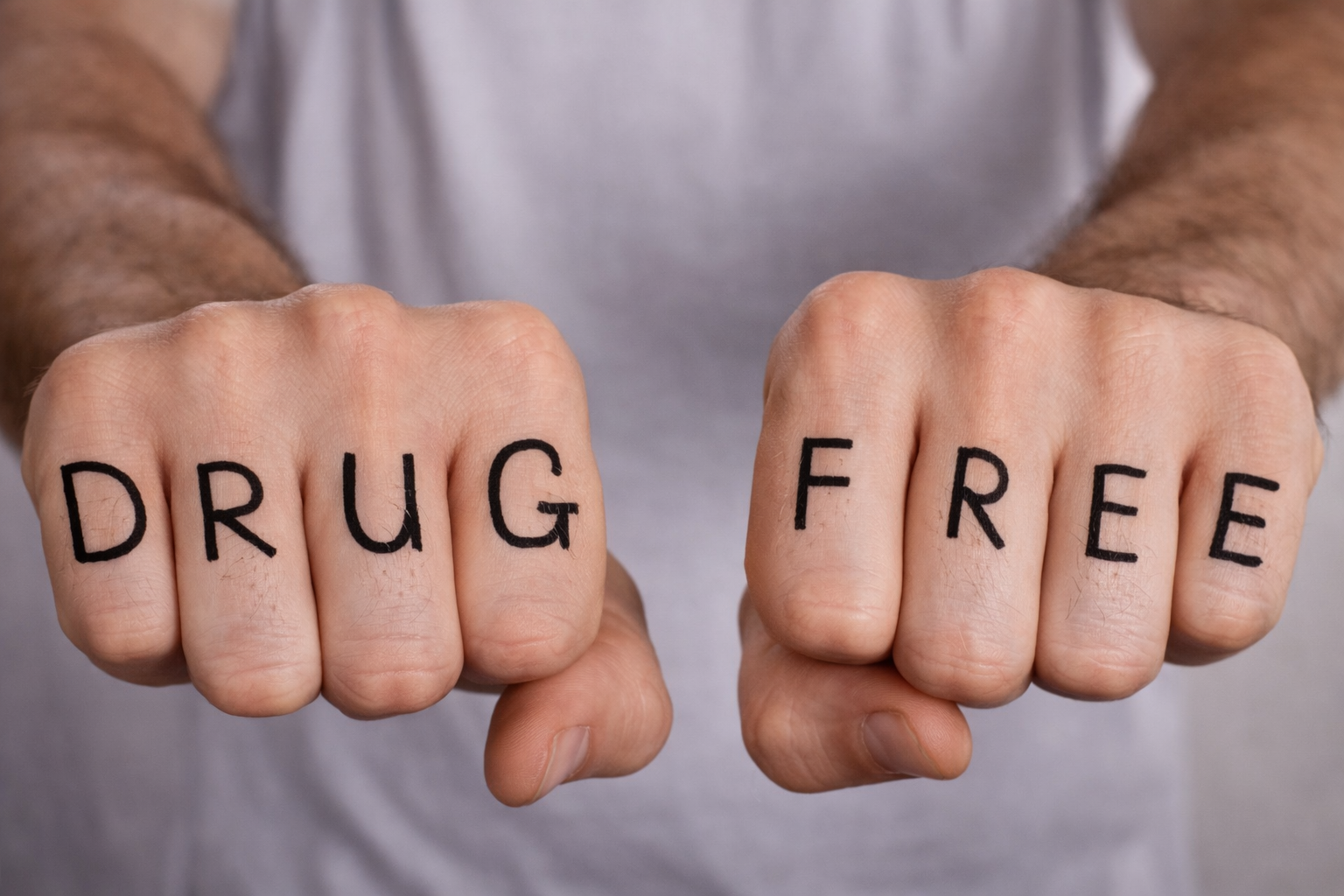
Choosing a Drug Free Life means making a conscious decision to avoid substances that harm your body, mind, and future. It reflects self-discipline, responsibility, and long-term thinking. Instead of giving in to peer pressure or temporary pleasure, you choose health, clarity, and personal growth.
For students, this choice is especially important because school and college years shape career paths, emotional stability, and lifelong habits.
Choosing a Drug Free Life:
Why Students Feel Pressured to Try Drugs
School and college life can be exciting but overwhelming. Academic competition, social expectations, and emotional changes create stress. Sometimes, students turn to substances believing they offer relief.
Common Causes
-
Peer pressure from friends
-
Academic stress
-
Curiosity and experimentation
-
Social media influence
-
Emotional struggles like anxiety or loneliness
However, short-term escape can lead to long-term problems. Understanding these triggers is the first step toward a Drug Free Life.
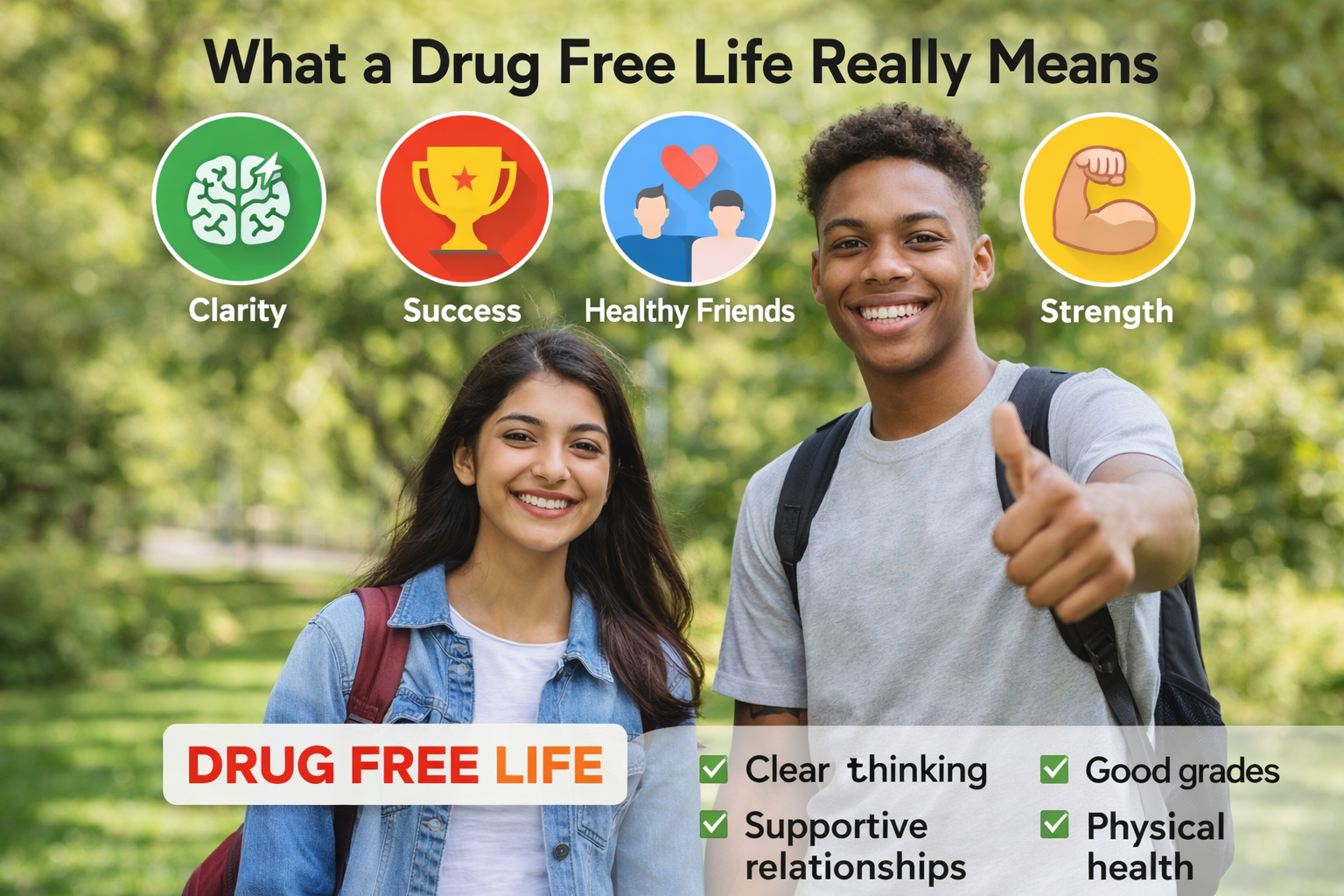
What a Drug Free Life Really Means
A Drug Free Life is not about restriction. It is about freedom. It means:
-
Clear thinking
-
Emotional stability
-
Healthy relationships
-
Strong academic performance
-
Better physical health
When you choose a Drug Free Life, you choose growth over temporary pleasure.
Early Warning Signs of Substance Use
Recognizing early symptoms can protect you or someone you care about.
Behavioral Signs
-
Sudden mood swings
-
Loss of interest in studies
-
Secretive behavior
-
Change in friend circle
Physical Signs
-
Poor sleep
-
Low energy
-
Red eyes or unusual smell
-
Drop in academic performance
If these signs appear, immediate support can help restore a Drug Free Life before addiction develops.
My Personal Turning Point
There was a time when I felt left out because I refused substances at social gatherings. It was hard to say no. But I asked myself: What kind of future do I want?
I realized success requires focus and discipline. That moment shaped my commitment to a Drug Free Life. I chose sports, reading, and mentorship over risky behavior.
The result? Better grades, stronger friendships, and self-confidence.

Benefits of Choosing a Drug Free Life
The advantages go far beyond health. Let’s explore how a Drug Free Life transforms students.
1. Improved Academic Performance
Drugs affect memory and concentration. Staying drug-free improves focus and learning ability.
2. Better Mental Health
A Drug Free Life supports emotional balance and reduces anxiety and depression risks.
3. Stronger Relationships
Trust and respect grow when you live responsibly.
4. Financial Savings
Substances are expensive. Saving money supports education and hobbies.
5. Long-Term Career Success
Employers value discipline and clean records. A Drug Free Life protects your professional future.
Practical Steps to Stay Drug Free
Living a Drug Free Life requires awareness and action.
1: Choose the Right Friends
Surround yourself with supportive and goal-oriented people.
2: Learn to Say No
Practice confident responses:
-
“No thanks, I don’t need it.”
-
“I’m focused on my goals.”
3: Manage Stress in Healthy Ways
-
Exercise
-
Meditation
-
Journaling
-
Talking to a mentor
4: Set Clear Goals
When your vision is strong, temptations feel small.
5: Seek Help Early
If you ever struggle, reach out to trusted adults or professional counselors.
These steps strengthen your commitment to a Drug Free Life.
The Role of Self-Control and Strength
Self-control is like a muscle—it grows with practice. Each time you refuse something harmful, you build inner strength.
A Drug Free Life is not about fear. It is about empowerment. It shows maturity and leadership. When others see your discipline, they respect you.
How Schools and Colleges Can Support Students
Educational institutions play an important role in promoting a Drug Free Life:
-
Awareness workshops
-
Counseling support
-
Peer mentorship programs
-
Sports and extracurricular engagement
When students feel supported, they make healthier decisions.
Overcoming Challenges
There may be moments of doubt. You may feel isolated or pressured. Remember:
-
Temporary discomfort leads to long-term success.
-
Real friends respect your decisions.
-
Strength grows through resistance.
Choosing a Drug Free Life daily builds resilience and confidence.
Self-mastery is the true power behind every Drug Free Life Strength and Self-Control. It means controlling impulses, focusing on goals, and protecting your mental and physical well-being.
Conclusion
Choosing a Drug Free Life is one of the most powerful decisions a student can make. It protects your health, sharpens your mind, and strengthens your future. While peer pressure and stress are real, your dreams are stronger. is not about missing out—it is about rising above distractions. It gives you clarity, purpose, and confidence. Every small decision matters. Start today, stay committed, and trust that your future self will thank you.
FAQ
1. Why is a Drug Free Life important for students?
A Drug Free Life helps students maintain focus, mental clarity, and emotional balance, improving academic and personal success.
2. How can I resist peer pressure?
Practice confident refusal, stay around positive friends, and remember your long-term goals.
3. What are early signs of drug use?
Mood swings, declining grades, secretive behavior, and loss of interest in activities can be warning signs.
4. Can stress lead to substance use?
Yes. Students sometimes use substances to escape stress, but healthy coping methods are more effective and safer.
5. Where can students seek help?
Students can approach school counselors, trusted teachers, parents, or professional rehabilitation centers for support.