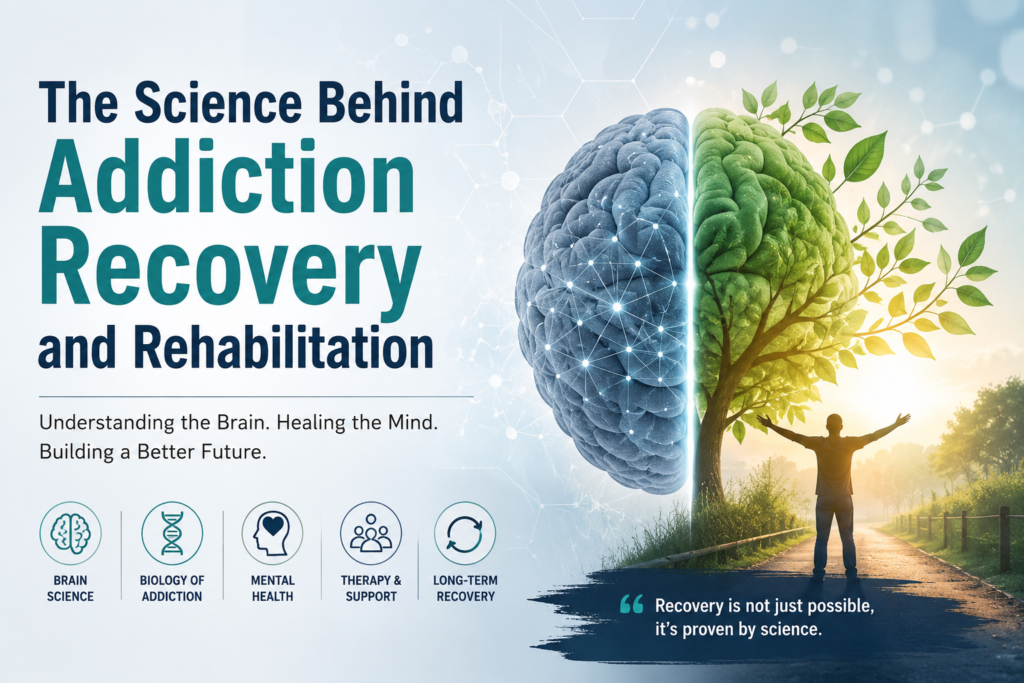
Addiction is not simply a matter of weak willpower or poor decision-making. Modern science has proven that addiction is a complex brain disorder that affects behavior, emotions, and physical health. Whether it involves alcohol, drugs, prescription medications, or other substances, addiction changes the way the brain functions and influences a person’s ability to make healthy choices.
Understanding the science behind addiction helps individuals and families realize why professional treatment is often necessary. Organizations like Aarogya Rehab, operating under Aarogya Sewa Samiti Dehradun, focus on evidence-based rehabilitation methods that support long-term recovery and healing.
Understanding How Addiction Affects the Brain
The human brain contains a reward system designed to encourage activities that support survival, such as eating, social interaction, and exercise. When a person uses addictive substances, the brain releases unusually high amounts of dopamine, often called the “feel-good” chemical.
Over time, repeated substance use changes how the brain responds to pleasure and rewards.
Some common effects include:
- Increased cravings for the substance
- Reduced self-control
- Difficulty making rational decisions
- Dependence on drugs or alcohol for pleasure
- Emotional instability and mood swings
These changes explain why addiction becomes difficult to overcome without professional assistance.
Why Addiction Is Considered a Chronic Disease
Medical experts now classify addiction as a chronic disease similar to diabetes, hypertension, or asthma. Like these conditions, addiction requires ongoing management and treatment.
Scientific research shows that addiction:
- Alters brain structure and function
- Can relapse if untreated
- Requires long-term behavioral changes
- Benefits from professional medical support
- Impacts both physical and mental health
This understanding has transformed rehabilitation approaches worldwide and reduced the stigma surrounding addiction treatment.
The Role of Neurotransmitters in Addiction
Neurotransmitters are chemical messengers that allow brain cells to communicate. Addiction interferes with several important neurotransmitters, especially dopamine.
When substances artificially increase dopamine levels, the brain begins depending on those substances to feel pleasure.
As addiction progresses:
- Natural dopamine production decreases
- Everyday activities become less enjoyable
- Motivation declines
- Depression and anxiety may develop
- Substance cravings intensify
Recovery focuses on helping the brain gradually restore its natural balance.
What Happens During Withdrawal?
When a person stops using an addictive substance, the body and brain react because they have become dependent on it. This reaction is known as withdrawal.
Withdrawal symptoms vary depending on the substance used and the severity of addiction.
Common symptoms include:
- Anxiety
- Irritability
- Sweating
- Insomnia
- Headaches
- Nausea
- Fatigue
- Mood changes
Professional rehabilitation centers monitor withdrawal carefully to ensure safety and comfort throughout the detoxification process.
The Science Behind Detoxification
Detoxification, often called detox, is usually the first stage of addiction treatment. During detox, harmful substances are removed from the body while medical professionals manage withdrawal symptoms.
Detox alone is not a cure for addiction.
Instead, it serves as the foundation for further treatment by:
- Stabilizing physical health
- Reducing withdrawal risks
- Preparing individuals for therapy
- Improving mental clarity
- Creating a safe environment for recovery
At facilities associated with Aarogya Sewa Samiti, detox is often integrated with counseling and rehabilitation planning.
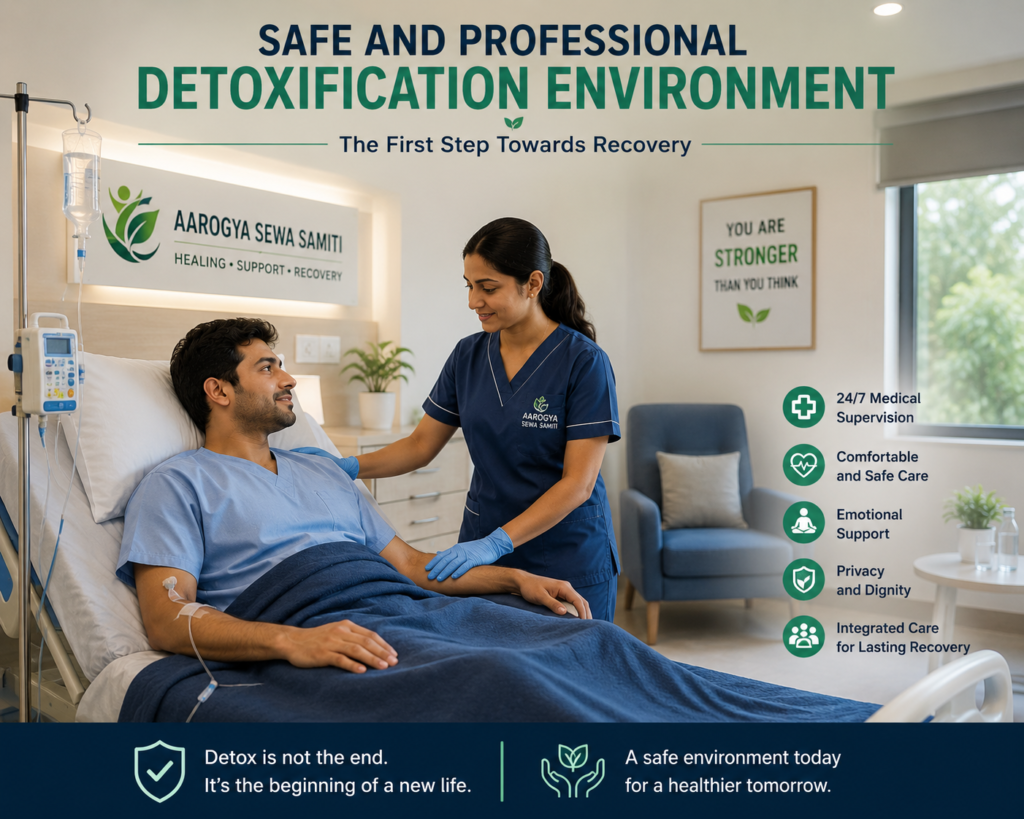
“Safe detoxification services at a rehabilitation centre help individuals begin addiction recovery with professional support”
Why Therapy Is Essential for Recovery
Addiction affects more than the body. It also impacts emotions, thoughts, relationships, and behavior patterns. This is why therapy plays a central role in rehabilitation.
Therapeutic interventions help individuals:
- Understand addiction triggers
- Develop healthy coping mechanisms
- Manage stress effectively
- Improve communication skills
- Build emotional resilience
Scientific studies consistently show that therapy significantly improves long-term recovery outcomes.
Cognitive Behavioral Therapy and Brain Rewiring
One of the most effective approaches in modern rehabilitation is Cognitive Behavioral Therapy (CBT).
CBT helps individuals identify negative thought patterns that contribute to substance use. Once recognized, these patterns can be replaced with healthier behaviors.
Benefits of CBT include:
- Better emotional regulation
- Reduced relapse risk
- Improved decision-making
- Stronger coping skills
- Enhanced self-awareness
Research demonstrates that CBT can help create lasting changes in brain function and behavior.
Family Involvement in Rehabilitation
Addiction rarely affects only one person. Family members often experience emotional stress, financial difficulties, and strained relationships.
Scientific evidence supports family involvement during treatment because it improves recovery success rates.
Family therapy can:
- Improve communication
- Rebuild trust
- Resolve conflicts
- Strengthen support systems
- Encourage long-term recovery
Many rehabilitation programs offered through Aarogya Rehab emphasize family participation as an important component of treatment.
The Connection Between Mental Health and Addiction
Mental health conditions and addiction frequently occur together. This relationship is known as co-occurring disorders or dual diagnosis.
Common mental health conditions associated with addiction include:
- Depression
- Anxiety disorders
- PTSD
- Bipolar disorder
- Chronic stress
Scientific research indicates that treating both conditions simultaneously produces better outcomes than addressing either condition alone.
Comprehensive rehabilitation programs focus on mental wellness as well as substance recovery.
How the Brain Heals During Recovery
One of the most encouraging findings in addiction science is the brain’s ability to heal. This process is known as neuroplasticity.
Neuroplasticity allows the brain to form new connections and repair damaged pathways over time.
As recovery progresses, individuals often experience:
- Improved concentration
- Better emotional control
- Enhanced memory
- Reduced cravings
- Greater motivation
The healing process may take months or years, but continuous progress is possible with proper support.
The Importance of Healthy Lifestyle Changes
Scientific studies show that healthy habits significantly improve rehabilitation outcomes.
Lifestyle improvements support brain recovery and reduce relapse risks.
Important habits include:
- Regular exercise
- Nutritious eating
- Adequate sleep
- Stress management
- Positive social interactions
These practices help strengthen both physical and mental well-being during recovery.
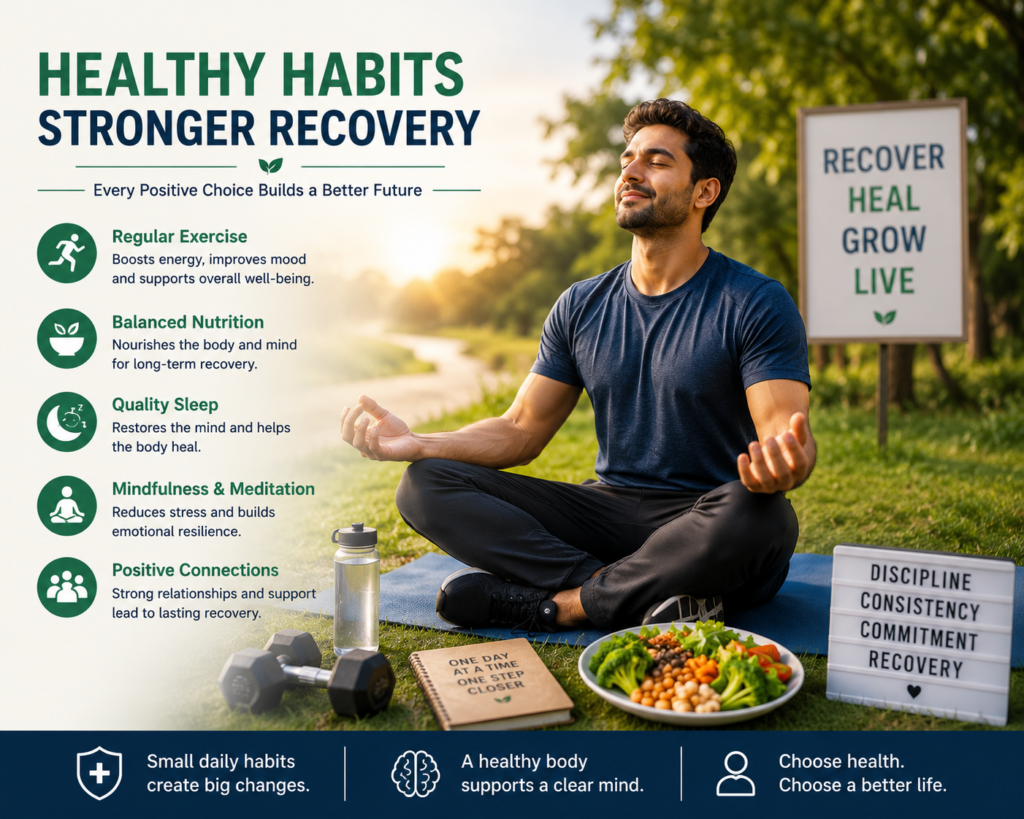
“Positive daily habits create a strong foundation for lasting addiction recovery and personal growth”
Understanding Relapse from a Scientific Perspective
Relapse does not mean treatment has failed. Scientists recognize relapse as a common part of the recovery process for many individuals.
Several factors can increase relapse risk:
- Emotional stress
- Social pressure
- Untreated mental health conditions
- Exposure to triggers
- Lack of support systems
Rehabilitation programs teach relapse prevention strategies that help individuals recognize warning signs before problems escalate.
The Role of Support Groups in Recovery
Recovery thrives when individuals feel connected and supported. Support groups provide encouragement, accountability, and shared experiences.
Research suggests that peer support can:
- Reduce feelings of isolation
- Increase motivation
- Promote healthy behaviors
- Strengthen commitment to sobriety
- Improve long-term recovery outcomes
Support networks often become an essential part of lifelong recovery.
Evidence-Based Rehabilitation Approaches
Modern rehabilitation centers rely on evidence-based treatments supported by scientific research.
These approaches commonly include:
- Medical detoxification
- Cognitive Behavioral Therapy
- Individual counseling
- Group therapy
- Family counseling
- Relapse prevention planning
- Aftercare support
Organizations such as Aarogya Rehab and Aarogya Sewa Samiti Dehradun focus on structured recovery programs that address both the physical and psychological aspects of addiction.
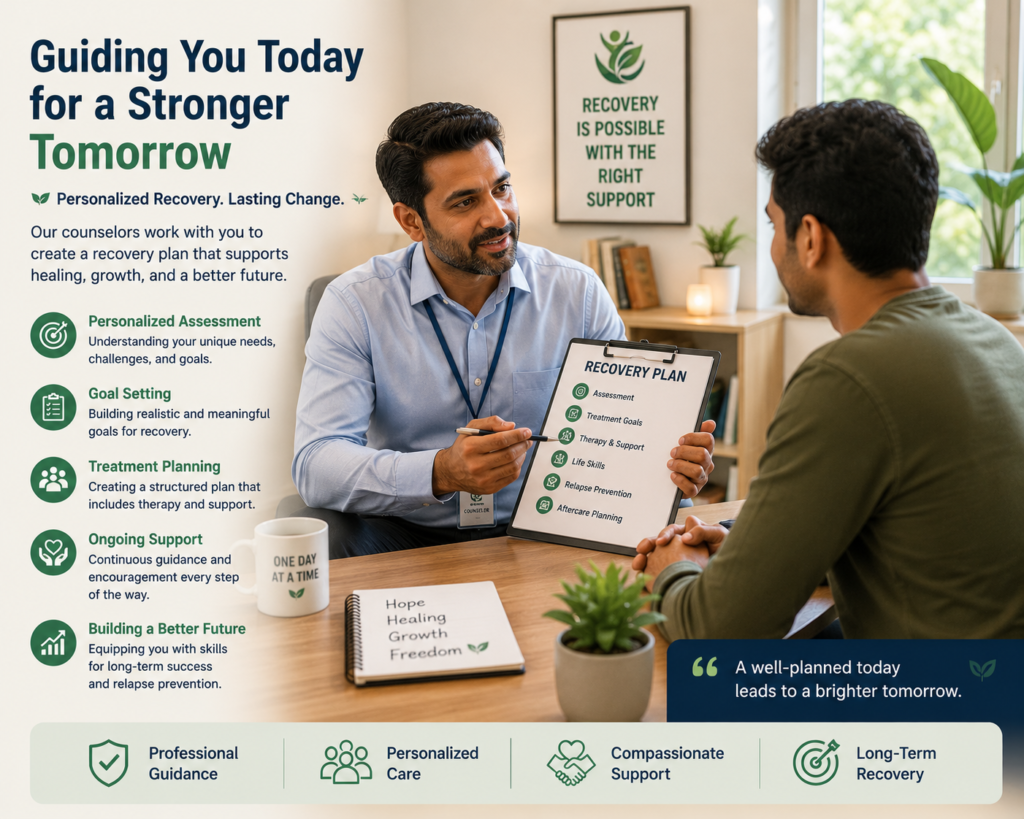
“A rehabilitation counselor working closely with a patient to develop a personalized recovery plan for long-term success”
Long-Term Recovery and Brain Wellness
Recovery is not a single event but an ongoing journey. Scientific evidence shows that continued support and healthy habits help maintain lasting sobriety.
Long-term recovery focuses on:
- Personal growth
- Emotional stability
- Healthy relationships
- Career development
- Community engagement
Each positive choice strengthens new neural pathways and supports continued healing.
Conclusion
The science behind addiction recovery and rehabilitation reveals that addiction is a complex medical condition affecting the brain, body, and behavior. Understanding the biological and psychological mechanisms involved helps remove misconceptions and encourages people to seek professional help.
With evidence-based treatment, counseling, family support, and healthy lifestyle changes, recovery is achievable. Institutions such as Aarogya Rehab, operating under Aarogya Sewa Samiti and Aarogya Sewa Samiti Dehradun, contribute significantly to helping individuals rebuild their lives through scientifically supported rehabilitation programs.
Recovery is not just about stopping substance use—it is about restoring health, rebuilding relationships, and creating a meaningful future.