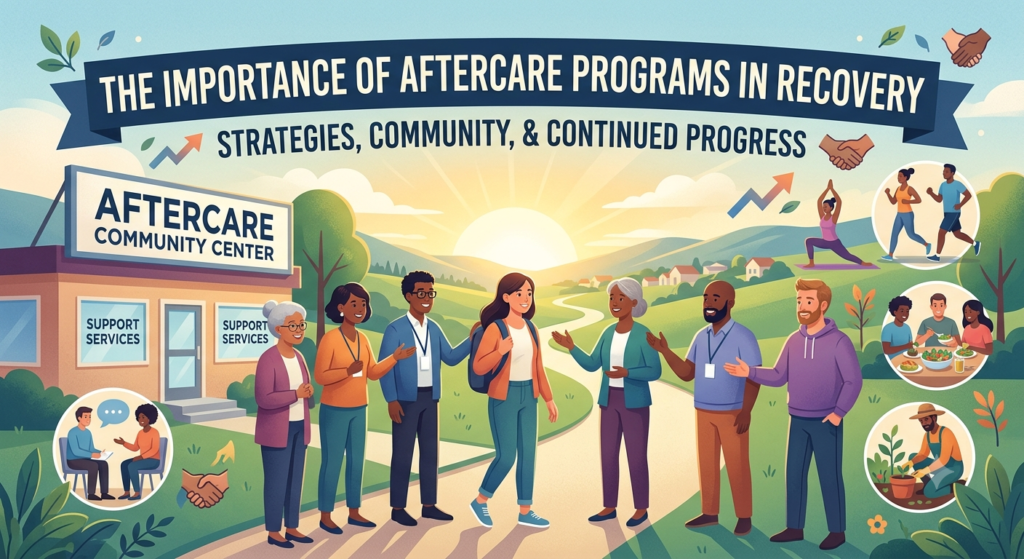
Completing addiction treatment is a major achievement, but recovery does not end when a person leaves a rehabilitation centre. The transition back to everyday life can bring new challenges, making continued support essential. This is why understanding The Importance of Aftercare Programs in Recovery is crucial for anyone seeking long-term freedom from addiction.
Aftercare programs help individuals maintain sobriety, build healthy routines, manage stress, and prevent relapse. They provide guidance and encouragement during the months and years following rehabilitation. At Aarogya Rehab, operated by Aarogya Sewa Samiti, aftercare is considered an essential part of recovery because lasting healing requires ongoing care and support.
What Is an Aftercare Program?
An aftercare program is a structured plan of continued support that begins after a person completes addiction treatment.
Its purpose is to help individuals adjust to daily life while maintaining recovery and preventing relapse.
Aftercare may include:
- Follow-up counselling
- Recovery support groups
- Family counselling
- Wellness activities
- Relapse prevention planning
- Regular progress reviews
- Lifestyle guidance
These services help individuals remain motivated and confident during long-term recovery.
Why Is Aftercare Important?
Many people believe recovery ends after rehabilitation.
In reality, the weeks and months following treatment are often when individuals face the greatest challenges.
Returning to work, reconnecting with family, managing responsibilities, and avoiding old habits can feel overwhelming without continued support.
Aftercare helps individuals:
- Stay focused on recovery goals.
- Reduce the risk of relapse.
- Build confidence.
- Strengthen healthy habits.
- Improve emotional well-being.
Continued guidance makes long-term recovery more achievable.

Common Challenges After Rehabilitation
Life after rehabilitation brings many positive opportunities, but it also requires adjustment.
Individuals may experience:
- Stress at work or school
- Emotional ups and downs
- Family responsibilities
- Financial pressure
- Social situations involving alcohol or drugs
- Feelings of loneliness
- Cravings
These challenges are normal and can be managed successfully with proper support.
Aftercare provides practical tools that help individuals respond in healthy ways.
Components of an Effective Aftercare Program
Every recovery journey is different.
For this reason, aftercare programs should be personalized to meet individual needs.
Common components include:
Individual Counselling
Private counselling sessions help individuals discuss challenges, set goals, and strengthen coping strategies.
Group Therapy
Support groups allow participants to share experiences, encourage one another, and learn from others in recovery.
Family Support
Family counselling improves communication and helps loved ones create a positive recovery environment.
Wellness Activities
Yoga, meditation, exercise, and healthy nutrition support both physical and emotional well-being.
Together, these services help maintain long-term sobriety.
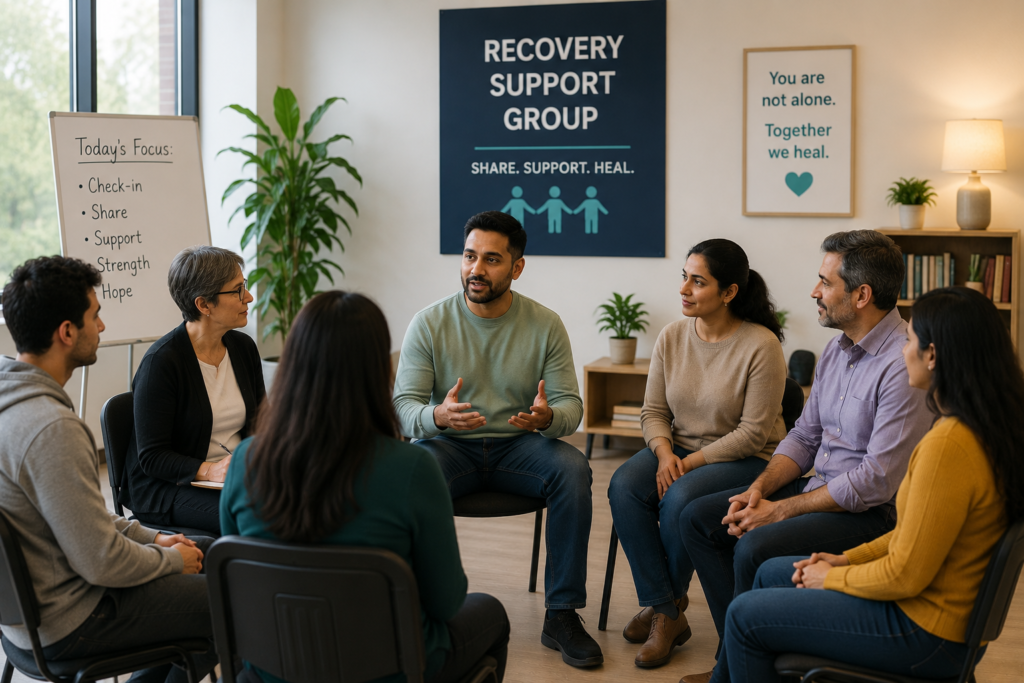
“Sharing recovery experiences builds confidence and reduces feelings of isolation”
The Role of Relapse Prevention
Preventing relapse is one of the primary goals of every aftercare program.
Relapse does not happen suddenly. It often develops gradually through unmanaged stress, emotional difficulties, or exposure to unhealthy environments.
Individuals learn how to:
- Identify personal triggers.
- Manage cravings.
- Practice healthy coping skills.
- Build supportive relationships.
- Create structured daily routines.
These skills help individuals respond confidently to difficult situations.
Healthy Habits That Support Recovery
Long-term recovery depends on developing healthy daily routines.
Positive habits improve emotional health while reducing the likelihood of returning to substance use.
Helpful lifestyle practices include:
- Regular exercise
- Balanced nutrition
- Yoga
- Meditation
- Adequate sleep
- Time management
- Healthy friendships
- Productive hobbies
These habits promote both physical and mental wellness.

“Mental wellness is an essential part of recovery, helping individuals find balance, clarity, and inner strength”
How Family Members Contribute to Aftercare
Family support remains important even after rehabilitation is completed.
Loved ones can strengthen recovery by:
- Offering encouragement.
- Listening without judgment.
- Celebrating progress.
- Participating in family counselling.
- Helping maintain healthy routines.
- Recognizing early warning signs of relapse.
Positive family involvement helps individuals remain motivated and committed to recovery.
How Aarogya Rehab Supports Long-Term Recovery
At Aarogya Rehab, managed by Aarogya Sewa Samiti, aftercare is integrated into the overall recovery process.
Patients receive ongoing guidance through follow-up counselling, wellness programs, relapse prevention planning, family involvement, and continuous encouragement, helping them successfully transition into healthy, addiction-free lives.
Building Confidence After Rehabilitation
Returning to everyday life after rehabilitation can feel challenging. Many individuals worry about handling responsibilities, rebuilding relationships, or facing situations that once encouraged substance use. An effective aftercare program helps rebuild confidence through continuous encouragement, practical guidance, and positive reinforcement.
Confidence grows when individuals:
- Achieve small daily goals.
- Maintain healthy routines.
- Attend counselling sessions.
- Strengthen communication skills.
- Celebrate personal progress.
- Stay committed to recovery.
Each achievement reminds individuals that lasting recovery is possible.
Staying Connected with a Support System
Recovery becomes stronger when individuals remain connected with people who encourage healthy choices. A reliable support system reduces feelings of loneliness and provides motivation during difficult times.
Support may come from:
- Family members
- Trusted friends
- Professional counsellors
- Recovery support groups
- Healthcare professionals
- Rehabilitation staff
Maintaining these connections creates a sense of belonging and accountability that strengthens long-term sobriety.
Recognizing Early Warning Signs of Relapse
Relapse often begins with emotional or behavioral changes before substance use occurs. Recognizing these warning signs early allows individuals to seek help before the situation becomes more serious.
Common warning signs include:
- Increased stress
- Isolation from loved ones
- Mood swings
- Skipping counselling sessions
- Loss of motivation
- Returning to unhealthy friendships
- Ignoring healthy routines
Seeking professional guidance as soon as these signs appear can prevent relapse and support continued recovery.
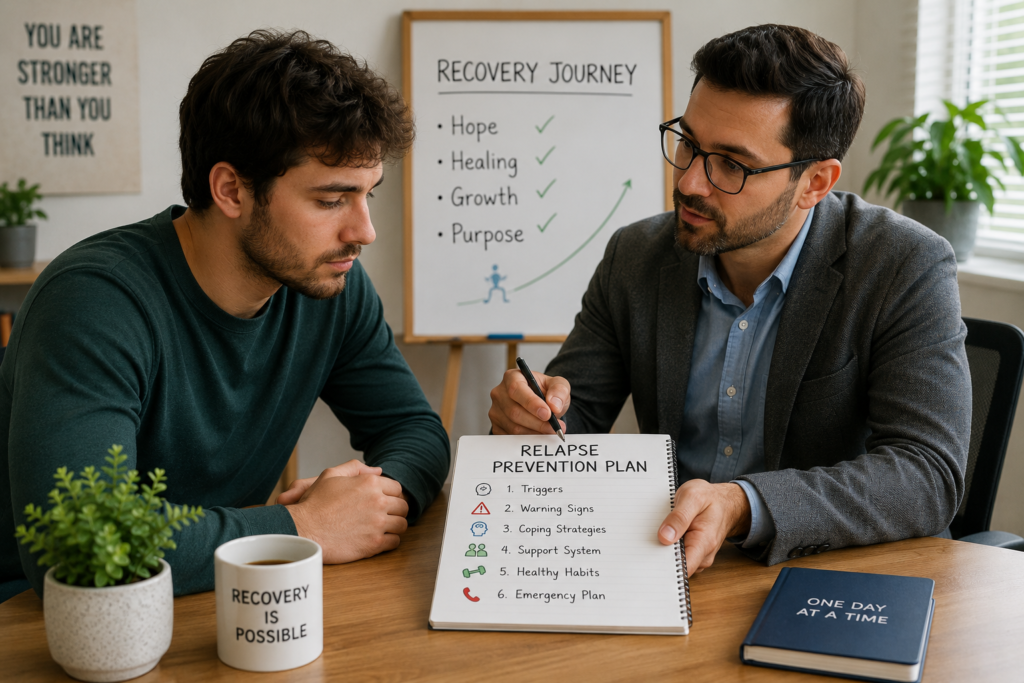
“Early support and relapse prevention planning help individuals stay focused on recovery”
How Aarogya Rehab Makes Aftercare Effective
At Aarogya Rehab, operated by Aarogya Sewa Samiti, aftercare is designed to help patients confidently transition from rehabilitation to independent living. The focus remains on long-term healing rather than short-term success.
Patients benefit from:
- Personalized follow-up plans
- Individual counselling
- Family counselling
- Wellness programs
- Yoga and meditation
- Relapse prevention education
- Recovery progress monitoring
- Emotional support
Every program is tailored to encourage healthy habits and lasting recovery.
Benefits of Long-Term Aftercare
Continuing support after rehabilitation offers many advantages that improve recovery outcomes.
Some important benefits include:
- Reduced risk of relapse
- Better emotional stability
- Improved physical health
- Stronger family relationships
- Increased self-confidence
- Healthy stress management
- Greater independence
- Long-term sobriety
These benefits demonstrate why The Importance of Aftercare Programs in Recovery extends far beyond the rehabilitation centre.
Why Consistency Matters
Recovery is built through consistent healthy choices rather than one-time achievements. Attending follow-up appointments, practicing wellness activities, and maintaining supportive relationships help individuals stay focused on their goals.
Simple daily habits such as exercising, eating nutritious meals, sleeping well, and communicating openly with family members create a strong foundation for lifelong recovery.
Consistency also helps individuals respond more effectively to unexpected challenges without returning to substance use.
Conclusion
Understanding The Importance of Aftercare Programs in Recovery helps individuals recognize that rehabilitation is only one stage of the healing journey. Continued support, healthy routines, counselling, family involvement, and relapse prevention are essential for maintaining long-term sobriety.
At Aarogya Rehab, managed by Aarogya Sewa Samiti, aftercare is an integral part of addiction treatment. Through personalized follow-up care, professional counselling, wellness activities, family support, and recovery monitoring, patients receive the guidance they need to rebuild their lives with confidence.
Recovery is a lifelong journey, but no one has to face it alone. With commitment, professional care, and ongoing encouragement, individuals can maintain lasting sobriety, improve their quality of life, and look forward to a healthier, brighter future.
Frequently Asked Questions (FAQs)
1. What is an aftercare program in addiction recovery?
An aftercare program provides continued support after rehabilitation through counselling, family support, wellness activities, relapse prevention, and follow-up care.
2. Why is aftercare important after rehabilitation?
Aftercare helps individuals adjust to daily life, manage stress, reduce relapse risk, and maintain healthy habits that support long-term recovery.
3. How long should an aftercare program last?
The duration varies for each individual. Many people benefit from continued support for several months or longer, depending on their recovery needs.
4. Can family members participate in aftercare?
Yes. Family counselling and ongoing family involvement improve communication, strengthen relationships, and provide valuable emotional support during recovery.
5. How does Aarogya Rehab support long-term recovery?
Aarogya Rehab, operated by Aarogya Sewa Samiti, provides follow-up counselling, relapse prevention planning, family counselling, wellness activities, yoga, meditation, and personalized aftercare programs to help individuals maintain lasting recovery.