
Addiction is a serious condition that affects a person’s physical health, mental well-being, relationships, career, and overall quality of life. Many families struggle to determine the right time to seek professional help for a loved one battling alcohol or drug addiction.
Often, people believe that addiction can be controlled through willpower alone. However, substance dependence changes brain function and behavior, making recovery difficult without proper treatment and support.
Recognizing the signs early and seeking professional intervention can prevent serious health complications and improve recovery outcomes.
At Aarogya Rehab, operating under Aarogya Sewa Samiti and supported by Aarogya Sewa Samiti Dehradun, individuals receive professional care designed to help them achieve long-term recovery and lead healthier lives.
What Is a Nasha Mukti Kendra?
A Nasha Mukti Kendra is a specialized rehabilitation center that helps individuals overcome addiction to alcohol, drugs, prescription medications, and other harmful substances.
These centers provide structured treatment programs that address both the physical and psychological aspects of addiction.
Services commonly offered include:
• Medical detoxification
• Individual counseling
• Group therapy
• Family counseling
• Relapse prevention planning
• Mental health support
• Yoga and meditation
• Aftercare programs
Professional treatment significantly increases the chances of long-term recovery compared to attempting recovery alone.
Why Early Admission Matters
Many families delay seeking help because they hope the individual will stop using substances on their own.
Unfortunately, addiction often worsens over time if left untreated.
Early intervention can:
- Prevent severe health problems
- Reduce emotional suffering
- Improve treatment outcomes
- Protect family relationships
- Reduce financial difficulties
- Lower the risk of overdose
The sooner treatment begins, the better the chances of successful recovery.
1. When Substance Use Becomes Frequent
One of the clearest signs that professional help is needed is increasing frequency of substance use.
An individual may start by drinking occasionally or experimenting with drugs. Over time, usage becomes more frequent and difficult to control.
Warning signs include:
• Daily alcohol consumption
• Frequent drug use
• Using substances multiple times a day
• Inability to go without substances
• Increased dependence to feel normal
These behaviors indicate that addiction may be developing and professional treatment should be considered.
2. When the Person Cannot Control Their Use
Many individuals promise themselves or their families that they will stop using alcohol or drugs.
However, addiction often makes it difficult to keep those promises.
Signs of loss of control include:
- Repeated failed attempts to quit
- Inability to reduce usage
- Constant cravings
- Returning to substances after short periods of abstinence
- Using despite negative consequences
Loss of control is one of the strongest indicators that professional rehabilitation may be necessary.
3. When Physical Health Begins to Decline
Substance abuse can seriously damage physical health.
Alcohol and drugs affect nearly every organ in the body and may cause long-term medical complications.
Physical warning signs include:
• Sudden weight loss
• Poor appetite
• Frequent illness
• Sleep disturbances
• Tremors or shaking
• Chronic fatigue
• Liver problems
• Poor personal hygiene
When addiction starts affecting physical health, immediate intervention is strongly recommended.
4. When Mental Health Problems Appear
Addiction and mental health are closely connected.
Many individuals struggling with substance abuse also experience emotional and psychological difficulties.
Common symptoms include:
- Anxiety
- Depression
- Mood swings
- Irritability
- Panic attacks
- Emotional instability
- Feelings of hopelessness
Professional rehabilitation programs address both addiction and mental health concerns simultaneously.

“Professional therapists guide individuals through emotional challenges while supporting long-term addiction recovery”
5. When Family Relationships Are Suffering
Addiction rarely affects only the individual.
Family members often experience emotional pain, stress, disappointment, and communication difficulties.
Signs that addiction is damaging relationships include:
• Frequent arguments
• Broken trust
• Social isolation
• Family conflicts
• Neglect of responsibilities
• Emotional distance
Family counseling programs offered at Aarogya Rehab help rebuild trust and improve communication during recovery.
6. When Work or Academic Performance Declines
Substance abuse often affects productivity and concentration.
Many individuals begin missing deadlines, skipping responsibilities, or struggling to perform daily tasks.
Warning signs include:
- Frequent absenteeism
- Poor job performance
- Reduced concentration
- Missed classes
- Financial instability
- Loss of employment
When addiction begins interfering with professional or academic life, it may be time to seek treatment.
7. When Risky or Dangerous Behavior Increases
Substance abuse often affects judgment and decision-making abilities.
As addiction progresses, individuals may engage in behaviors that put themselves and others at risk.
Common examples include:
• Driving under the influence
• Unsafe sexual behavior
• Physical aggression
• Risky financial decisions
• Illegal activities
• Self-harming behavior
When addiction begins creating safety concerns, immediate admission to a Nasha Mukti Kendra should be considered.
8. When Withdrawal Symptoms Appear
Withdrawal symptoms occur when the body becomes dependent on a substance and reacts negatively when use is reduced or stopped.
These symptoms can range from mild discomfort to severe medical emergencies.
Common withdrawal symptoms include:
- Sweating
- Tremors
- Nausea
- Anxiety
- Insomnia
- Irritability
- Rapid heartbeat
- Seizures in severe cases
Medical detoxification available at Aarogya Rehab helps individuals manage withdrawal safely under professional supervision.
9. When Previous Attempts to Quit Have Failed
Many individuals try to quit multiple times before seeking professional treatment.
While motivation is important, addiction often requires structured support and clinical intervention.
Signs that professional help may be necessary include:
• Repeated relapses
• Short periods of sobriety followed by substance use
• Difficulty managing cravings
• Lack of coping skills
• Emotional triggers leading to relapse
Professional rehabilitation programs provide the tools and guidance needed to overcome these challenges.
10. When Social Isolation Becomes Common
People struggling with addiction often begin withdrawing from family, friends, and social activities.
They may avoid loved ones to hide their substance use or because they feel shame about their behavior.
Warning signs include:
- Spending excessive time alone
- Avoiding social gatherings
- Losing interest in hobbies
- Reduced communication with family
- Isolation from supportive relationships
Social withdrawal often indicates that addiction has reached a level where professional intervention is needed.
11. When Financial Problems Are Increasing
Addiction can create serious financial difficulties.
As substance use increases, individuals may spend significant amounts of money on alcohol or drugs while neglecting essential responsibilities.
Common signs include:
• Unpaid bills
• Borrowing money frequently
• Excessive spending on substances
• Financial instability
• Workplace problems affecting income
• Debt accumulation
Seeking treatment early can help prevent further financial damage and restore stability.
12. When Loved Ones Express Concern
Family members and close friends often recognize addiction problems before the individual does.
When multiple people express concern about substance use, those concerns should be taken seriously.
Loved ones may notice:
- Personality changes
- Declining health
- Behavioral problems
- Emotional instability
- Relationship difficulties
- Increased substance use
Ignoring these concerns can allow addiction to progress further. Professional assessment can help determine the best course of action.
What Happens After Admission to a Nasha Mukti Kendra?
Many families feel uncertain about what happens once treatment begins.
Professional rehabilitation centers follow a structured recovery process designed to address every aspect of addiction.
Treatment may include:
• Medical evaluation
• Detoxification support
• Individual counseling
• Group therapy
• Family counseling
• Yoga and meditation
• Relapse prevention planning
• Aftercare services
Each treatment plan is tailored to meet the individual’s unique recovery needs.
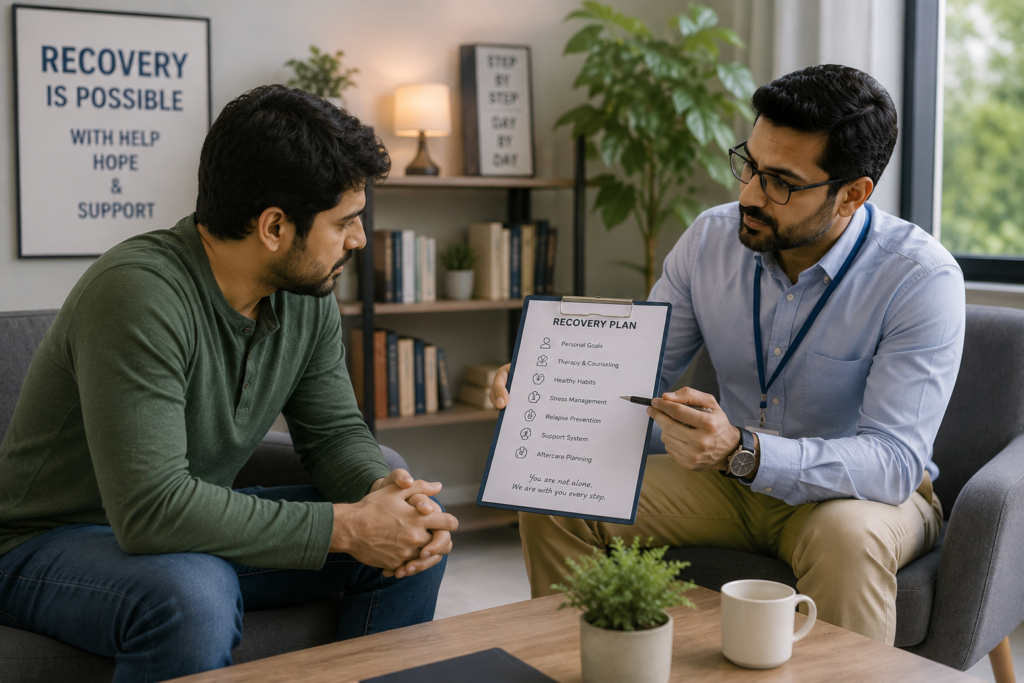
“A personalized treatment plan provides direction, accountability, and support during every stage of recovery”
How Aarogya Rehab Supports Recovery
At Aarogya Rehab, individuals receive comprehensive care focused on both immediate recovery and long-term success.
Operating under Aarogya Sewa Samiti, the center emphasizes a holistic approach that addresses physical, emotional, mental, and social aspects of addiction.
Key recovery services include:
- Medical detoxification
- Individual therapy
- Group counseling
- Family support programs
- Mental health care
- Yoga and meditation
- Relapse prevention education
- Long-term aftercare planning
The goal is not only to stop substance use but also to help individuals build healthier and more fulfilling lives.
The Importance of Family Support During Treatment
Family involvement often plays a significant role in successful recovery.
When loved ones participate in the healing process, individuals are more likely to remain motivated and committed to treatment.
Benefits of family participation include:
• Improved communication
• Rebuilding trust
• Emotional encouragement
• Better understanding of addiction
• Stronger recovery support systems
At Aarogya Sewa Samiti Dehradun, family counseling is considered an important component of sustainable recovery.
Conclusion
Recognizing the right time to seek help can make a life-changing difference for someone struggling with addiction.
If substance use is affecting physical health, mental well-being, relationships, career, finances, or overall quality of life, professional treatment should not be delayed.
The earlier an individual receives support, the greater the likelihood of successful recovery.
Through professional care at Aarogya Rehab, supported by Aarogya Sewa Samiti and Aarogya Sewa Samiti Dehradun, individuals can overcome addiction, rebuild their lives, and move toward a healthier and more hopeful future.
Seeking help is not a sign of weakness. It is the first step toward recovery, healing, and lasting change.