Recovery from addiction starts with a single decision—the courage to ask for help. For many individuals, this first step is the hardest because addiction often brings fear, shame, and uncertainty. However, choosing professional treatment opens the door to healing, hope, and a healthier future. Your Recovery Journey Begins with One Courageous Step is more than a message of encouragement; it is a reminder that lasting recovery is possible with the right support.
At Aarogya Rehab, operated by Aarogya Sewa Samiti, individuals receive compassionate, evidence-based care designed to help them overcome addiction and rebuild their lives.
Understanding Addiction as a Medical Condition
Many people still believe addiction is simply a lack of self-control. In reality, addiction is a chronic medical condition that affects the brain, emotions, and behavior. Repeated use of alcohol or drugs changes how the brain responds to pleasure, stress, and decision-making, making it difficult to stop without professional guidance.
Addiction can affect anyone regardless of age, education, or background. It may begin with occasional substance use but gradually develop into dependence that impacts physical health, relationships, work, and emotional well-being. Understanding addiction as a treatable medical condition reduces stigma and encourages individuals to seek help without fear of judgment.
Why Taking the First Step Matters
The decision to seek treatment can change a person’s life. Delaying professional care often allows addiction to become more severe, increasing the risk of health complications, relationship problems, financial difficulties, and emotional distress.
Seeking help early provides access to experienced healthcare professionals who understand the recovery process and can create a treatment plan based on individual needs.
At Aarogya Rehab, every recovery journey begins with compassion, respect, and personalized care that supports physical, emotional, and mental healing.
Recognizing the Signs That Help Is Needed
Many people living with addiction struggle to recognize how deeply substance use has affected their daily lives. Family members and close friends are often the first to notice changes in behavior.
Common warning signs include:
- Frequent mood swings
- Loss of interest in hobbies
- Poor performance at work or school
- Financial difficulties
- Sleep disturbances
- Sudden weight changes
- Increased tolerance to alcohol or drugs
- Withdrawal symptoms when substances are unavailable
- Relationship conflicts
- Secretive or isolated behavior
Recognizing these signs early allows individuals to receive professional treatment before addiction becomes more difficult to manage.
Overcoming Fear About Rehabilitation
Fear prevents many people from asking for help. Some worry about being judged, while others are uncertain about what rehabilitation involves. In reality, modern rehabilitation centres provide safe, supportive, and confidential environments where individuals receive compassionate care without criticism.
Patients are encouraged to focus on healing rather than past mistakes. Recovery professionals understand the challenges of addiction and work closely with each individual throughout every stage of treatment.
Choosing rehabilitation is not admitting defeat—it is choosing a healthier future.
What Happens During Professional Rehabilitation?
Professional rehabilitation is carefully planned to help individuals recover safely and effectively. Treatment is personalized because every person’s addiction history and mental health needs are different.
A comprehensive rehabilitation program may include:
- Medical assessment
- Safe detoxification under supervision
- Individual counseling
- Group therapy
- Family counseling
- Mental health support
- Wellness activities
- Relapse prevention education
- Aftercare planning
At Aarogya Sewa Samiti, rehabilitation programs are designed to treat the whole person rather than focusing only on substance use.
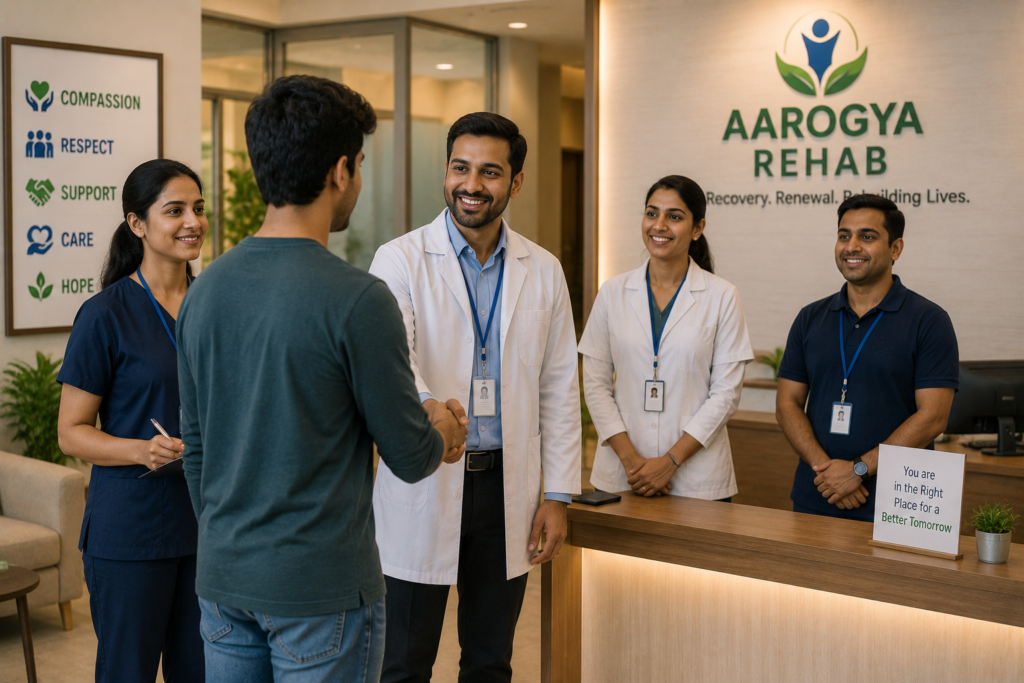
“A dedicated rehabilitation team provides personalized support from day one”
The Importance of Mental Health During Recovery
Mental health and addiction are closely connected. Many individuals use alcohol or drugs to cope with anxiety, depression, trauma, or chronic stress. Unfortunately, substance use often worsens these conditions over time.
Treating both addiction and mental health together improves long-term recovery outcomes. Counseling, therapy, and emotional support help individuals understand their triggers while developing healthier coping strategies.
By addressing the emotional causes of addiction, patients become better prepared to maintain lasting recovery after rehabilitation.
Building Hope Through Professional Support
One of the greatest benefits of professional rehabilitation is knowing that recovery does not have to happen alone. Doctors, psychologists, counselors, therapists, and support staff work together to provide continuous guidance throughout treatment.
Every small achievement, whether completing detoxification, attending therapy sessions, or rebuilding family relationships, becomes another step toward a healthier future. At Aarogya Rehab, hope is strengthened through compassionate care, evidence-based treatment, and a commitment to helping every individual achieve lasting recovery.
The Power of Family Support During Recovery
Recovery becomes stronger when family members actively participate in the healing process. Addiction often affects relationships by creating misunderstandings, broken trust, and emotional stress. When families learn about addiction and recovery, they become valuable partners in helping their loved one stay motivated.
Family counseling provides a safe space for open communication, allowing everyone to express their feelings and work toward healthier relationships. At Aarogya Rehab, family involvement is encouraged because a supportive home environment plays an important role in preventing relapse and promoting long-term recovery.
Therapy Helps Individuals Heal from Within
Therapy is one of the most effective parts of addiction treatment because it addresses the emotional and psychological causes of substance use. Instead of focusing only on stopping alcohol or drugs, therapy helps individuals understand why addiction developed and how to build healthier coping skills.
Common therapeutic approaches include:
- Individual counseling
- Group therapy
- Cognitive Behavioral Therapy (CBT)
- Family therapy
- Motivational counseling
- Stress management sessions
Each therapy session helps individuals gain confidence, improve emotional control, and prepare for life after rehabilitation.
Developing Healthy Daily Habits
Recovery is supported by healthy routines that improve both physical and mental well-being. Positive habits reduce stress, strengthen emotional resilience, and lower the risk of returning to substance use.
Healthy daily practices include:
- Eating balanced and nutritious meals.
- Exercising regularly.
- Getting enough sleep.
- Drinking plenty of water.
- Practicing mindfulness or meditation.
- Spending time outdoors.
- Maintaining a structured daily routine.
- Participating in positive hobbies.
Small lifestyle improvements practiced consistently create lasting positive changes over time.
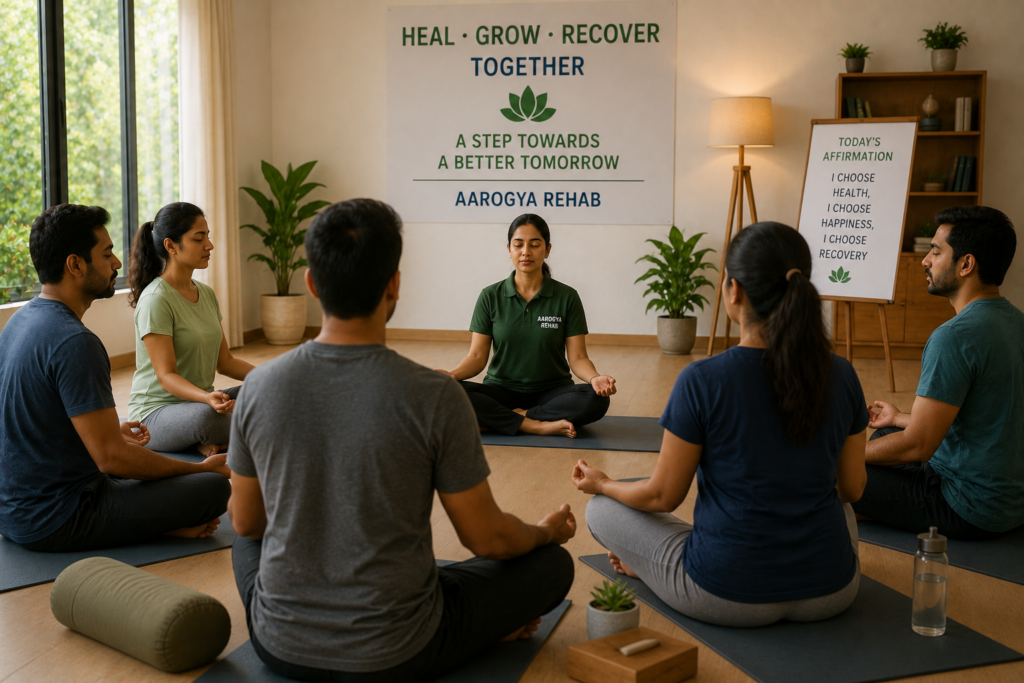
“Meditating together creates a supportive environment that promotes healing, mindfulness, and lasting recovery”
Managing Stress Without Substance Use
Stress is one of the most common triggers for addiction. Learning healthy ways to manage difficult emotions helps individuals remain focused on recovery.
Some effective stress-management techniques include:
- Deep breathing exercises.
- Meditation.
- Journaling thoughts and feelings.
- Listening to calming music.
- Walking in nature.
- Reading inspirational books.
- Speaking with a counselor.
- Spending time with supportive family members.
Practicing these techniques regularly helps individuals respond to challenges calmly instead of relying on addictive substances.
Preventing Relapse Through Preparation
Recovery is a lifelong journey, and preparing for future challenges is an important part of rehabilitation. Relapse prevention teaches individuals how to recognize personal triggers and respond with healthy coping strategies before problems become overwhelming.
Common relapse triggers include:
- Emotional stress.
- Anxiety or depression.
- Negative social influences.
- Financial problems.
- Loneliness.
- Family conflicts.
- Lack of sleep.
- Unhealthy daily routines.
Understanding these triggers allows individuals to make better decisions and seek support whenever needed.
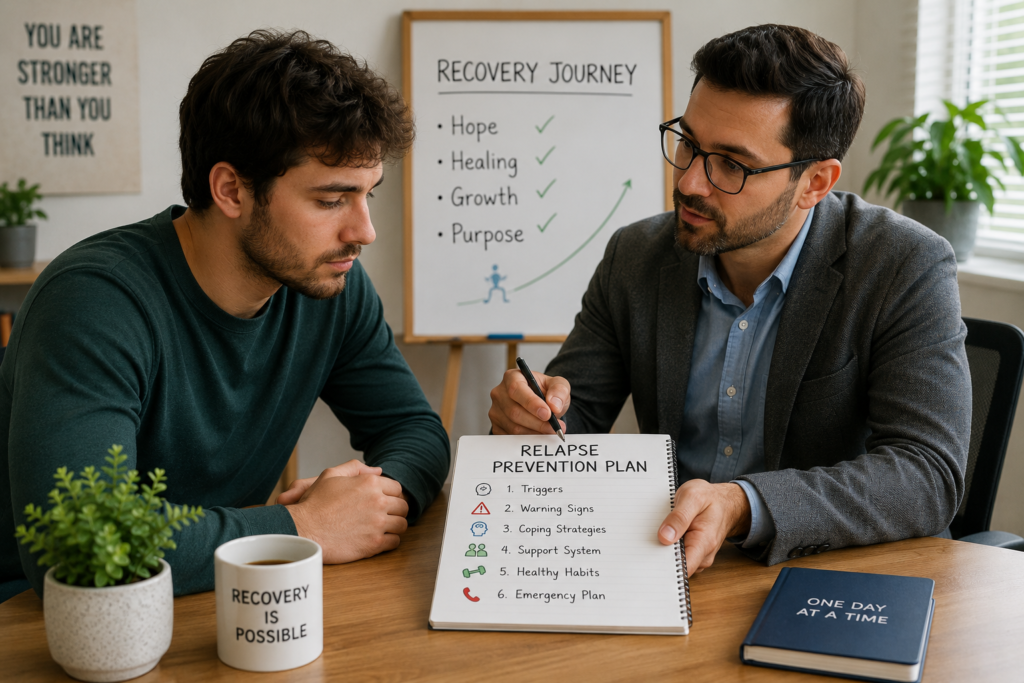
“Early support and relapse prevention planning help individuals stay focused on recovery”
The Importance of Aftercare
Completing a rehabilitation program is a major achievement, but recovery continues after leaving the treatment centre. Aftercare provides ongoing guidance, helping individuals adjust to daily life while maintaining the progress they achieved during treatment.
Aftercare services may include:
- Follow-up counseling sessions.
- Support group meetings.
- Family counseling.
- Wellness programs.
- Mental health monitoring.
- Lifestyle coaching.
- Regular recovery assessments.
At Aarogya Sewa Samiti, aftercare is viewed as an essential part of long-term recovery because continuous support increases confidence and reduces the likelihood of relapse.
Rebuilding Confidence and Self-Esteem
Many people lose confidence during active addiction because of damaged relationships, missed opportunities, or feelings of guilt. Rehabilitation helps individuals rediscover their strengths by focusing on personal growth rather than past mistakes.
Every achievement, no matter how small, contributes to rebuilding self-esteem. Completing therapy sessions, maintaining sobriety, improving physical health, and reconnecting with loved ones are all meaningful milestones that strengthen confidence.
At Aarogya Rehab, patients are encouraged to celebrate their progress while setting realistic goals for the future. With determination, guidance, and consistent effort, every step forward becomes another reason to believe in a healthier and happier life.
Choosing the Right Rehabilitation Centre
Selecting the right rehabilitation centre is one of the most important decisions in the recovery journey. A trusted centre provides not only medical treatment but also emotional support, counseling, and long-term guidance that help individuals achieve lasting recovery.
When choosing a rehabilitation centre, look for:
- Qualified doctors and counselors.
- Personalized treatment plans.
- Mental health support.
- Family counseling programs.
- Safe and comfortable facilities.
- Relapse prevention training.
- Aftercare services.
- Compassionate and confidential care.
Aarogya Rehab, operated by Aarogya Sewa Samiti, is committed to providing comprehensive rehabilitation services that address addiction, mental health, and overall well-being through a patient-centered approach.
Small Steps Create Big Changes
Recovery does not happen overnight. It is built through consistent daily efforts and positive choices. Every counseling session attended, every healthy habit developed, and every challenge overcome contributes to long-term success.
Individuals should remember that setbacks do not define failure. Instead, they provide opportunities to learn, grow, and become stronger. Professional support helps patients stay focused on their recovery goals while maintaining confidence during difficult times.
With determination and encouragement, every small step becomes meaningful progress toward a healthier future.
Hope Is Stronger Than Addiction
Addiction may seem overwhelming, but it does not have to control a person’s future. Thousands of individuals successfully recover every year by choosing professional treatment and remaining committed to their recovery plans.
Hope grows stronger with every positive decision. Building healthy relationships, improving physical health, managing emotions, and setting meaningful life goals all contribute to a fulfilling life free from substance dependence.
At Aarogya Rehab, every patient is encouraged to believe in their ability to recover and build a brighter tomorrow.
Frequently Asked Questions
Can addiction be treated successfully?
Yes. With professional rehabilitation, counseling, family support, and personal commitment, many individuals achieve long-term recovery and lead healthy, productive lives.
How long does recovery take?
Recovery is different for every individual. The duration depends on the severity of addiction, physical health, mental health, and commitment to the treatment plan. Recovery is an ongoing journey rather than a fixed timeline.
Why is counseling important during rehabilitation?
Counseling helps individuals understand the emotional causes of addiction, develop healthy coping strategies, improve decision-making, and reduce the risk of relapse.
Can family members participate in treatment?
Yes. Family counseling strengthens communication, rebuilds trust, and creates a supportive environment that encourages lasting recovery.
Conclusion
Your Recovery Journey Begins with One Courageous Step reminds us that lasting recovery starts with the decision to seek help. Although addiction can affect every part of a person’s life, professional treatment, emotional support, and healthy lifestyle changes make recovery possible. Every small step forward builds confidence, strengthens resilience, and brings individuals closer to a healthier future.
At Aarogya Rehab, a unit of Aarogya Sewa Samiti, compassionate professionals provide personalized care that addresses addiction, mental health, and overall well-being. Through medical support, counseling, family involvement, wellness activities, relapse prevention, and aftercare, individuals receive the tools they need to rebuild their lives with confidence.
If you or someone you care about is struggling with addiction, remember that seeking help is a sign of strength, not weakness. The first step may feel difficult, but it can become the beginning of a life filled with hope, healing, and new opportunities. With the right guidance and determination, recovery is not only possible—it is achievable.