Alcohol addiction is a serious problem affecting millions of people worldwide, including India. Recovery from alcohol addiction is not just about stopping drinking; it is a long and gradual process that involves physical, emotional, and psychological healing. Understanding the alcohol recovery stages can help individuals, families, and friends navigate the journey more effectively.
In this article, we will explain the 5 alcohol recovery stages, their challenges, and what individuals can expect at each stage. By understanding these stages, you can support someone struggling with alcohol addiction or prepare for your own recovery journey. At Aarogya Sewa Samiti, we are committed to guiding individuals with the right care and support through each stage of recovery, helping them move toward a healthier, substance-free life.
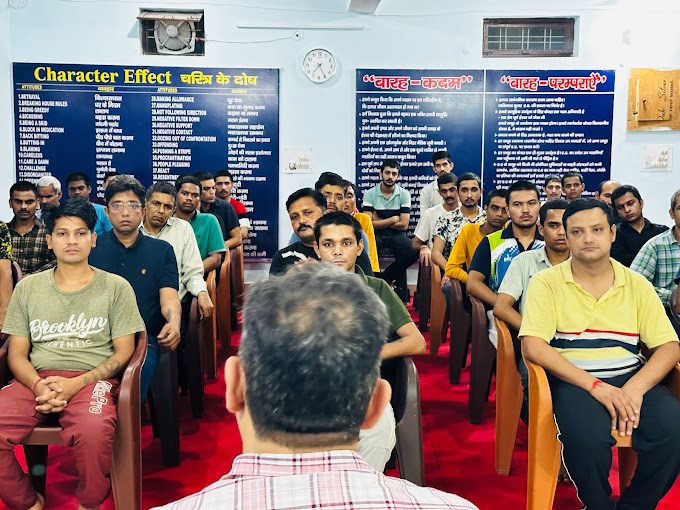
What Is Alcohol Recovery?
Alcohol recovery is the process of overcoming alcohol dependence and rebuilding a healthy, balanced life without relying on alcohol. Recovery involves more than just quitting drinking; it also includes addressing the emotional, social, and mental health aspects of addiction.
The journey through recovery can be challenging, but knowing the alcohol recovery stages helps individuals recognize progress, stay motivated, and seek appropriate support when needed.
Why Understanding Alcohol Recovery Stages Is Important
Many people fail to maintain sobriety because they do not understand the recovery process. Knowing the alcohol recovery stages helps:
-
Set realistic expectations
-
Identify challenges at each stage
-
Seek help and support early
-
Prevent relapse
-
Build long-term sobriety
Recovery is unique for every individual. While the stages may overlap, most people go through these five stages in some form.
Stage 1: Precontemplation
The first stage of alcohol recovery is precontemplation. In this stage, the person struggling with alcohol may not recognize that they have a problem. They may deny the negative effects of alcohol on their health, relationships, or work.
Key characteristics of precontemplation:
-
Denial of alcohol-related problems
-
Blaming others for issues caused by drinking
-
Minimizing the amount of alcohol consumed
-
Avoiding discussions about drinking
At this stage, friends, family, and counselors play an important role in raising awareness about the risks of alcohol. Gentle support and education can encourage individuals to move to the next stage of the alcohol recovery stages.
Challenges:
-
Resistance to change
-
Lack of motivation to seek help
-
Emotional defensiveness
Stage 2: Contemplation
In the contemplation stage, the individual begins to recognize the negative impact of alcohol on their life. They may feel conflicted about quitting because they are unsure if they are ready to make a change.
Key aspects of contemplation:
-
Awareness of drinking-related problems
-
Considering the pros and cons of quitting alcohol
-
Feeling anxiety or guilt about alcohol use
-
Seeking information about treatment options
During this stage, the person may talk to friends, family, or counselors about their concerns. They may also explore online resources or attend support group meetings. Understanding that recovery is a gradual process helps them prepare for the next step in the alcohol recovery stages.
Challenges:
-
Fear of withdrawal symptoms
-
Anxiety about life without alcohol
-
Uncertainty about treatment options
Stage 3: Preparation
The preparation stage is when the individual decides to take concrete steps toward recovery. They plan how to stop drinking and may seek professional help, such as counseling, detox programs, or rehabilitation centers.
Key actions in preparation:
-
Setting a quit date or recovery plan
-
Learning about treatment options
-
Seeking support from family and friends
-
Preparing for withdrawal symptoms
Preparation is a critical stage in the alcohol recovery stages because it bridges awareness with action. With careful planning, individuals can reduce the risk of relapse and build confidence in their ability to recover.
Challenges:
-
Fear of failure
-
Anxiety about withdrawal symptoms
-
Difficulty breaking old habits
Stage 4: Action
The action stage involves actively working to stop drinking and implement the recovery plan. This stage requires dedication, effort, and consistent support.
Key components of the action stage:
-
Participating in detox programs if necessary
-
Attending therapy or counseling sessions
-
Joining support groups like Alcoholics Anonymous (AA)
-
Practicing coping strategies to avoid triggers
During this stage, the person experiences the most significant changes in behavior and lifestyle. It is common to encounter challenges, including cravings, social pressures, and emotional difficulties. Successful navigation through this stage is a major milestone in the alcohol recovery stages.
Challenges:
-
Withdrawal symptoms such as nausea, anxiety, and irritability
-
Cravings and temptation to relapse
-
Emotional ups and downs
Stage 5: Maintenance
The maintenance stage is the final stage in the alcohol recovery stages. At this stage, the individual has stopped drinking and is focused on maintaining long-term sobriety.
Key strategies for maintenance:
-
Developing healthy routines and habits
-
Avoiding high-risk situations
-
Continuing therapy or support group participation
-
Monitoring mental and physical health
Maintenance is ongoing. Even after achieving sobriety, individuals must remain vigilant to prevent relapse. Developing a strong support network of family, friends, and professionals is crucial during this stage.
Challenges:
-
Risk of relapse during stressful situations
-
Social pressures to drink
-
Emotional triggers from past experiences

Common Challenges Across Alcohol Recovery Stages
While the alcohol recovery stages provide a roadmap, every individual faces challenges:
-
Relapse: Returning to alcohol use is common but does not mean failure. It is a part of the recovery journey.
-
Social Pressure: Friends, colleagues, or family members may unintentionally encourage drinking.
-
Mental Health Issues: Anxiety, depression, or trauma can make recovery more difficult.
-
Physical Health: Detox and withdrawal may cause discomfort or require medical supervision.
Understanding these challenges helps individuals develop strategies to overcome them. Recovery is not linear; it often involves moving back and forth between stages before achieving long-term sobriety.
How Families Can Support Recovery
Families play a vital role in the alcohol recovery stages:
-
Provide emotional support: Be patient, understanding, and encouraging.
-
Create a safe environment: Remove alcohol from the home and avoid enabling behaviors.
-
Encourage professional help: Help find treatment programs and counselors.
-
Monitor progress: Celebrate milestones and provide constructive feedback.
Support from loved ones significantly increases the chances of successful recovery.
Professional Help and Rehabilitation
While some people attempt to recover on their own, professional guidance is often essential, especially for severe addiction. Rehabilitation programs offer:
-
Supervised detox
-
Counseling and therapy
-
Peer support groups
-
Life skills and coping strategies
These services help individuals navigate all the alcohol recovery stages safely and effectively.

Conclusion
Recovery from alcohol addiction is a challenging but achievable journey. The alcohol recovery stages—precontemplation, contemplation, preparation, action, and maintenance—provide a roadmap to guide individuals through the process of quitting alcohol and rebuilding their lives.
Awareness of these stages helps individuals set realistic expectations, cope with challenges, and stay motivated. Families and communities also play a crucial role in supporting recovery. For those seeking professional guidance, choosing the best rehabilitation center in Dehradun can provide structured support and increase the chances of long-term sobriety.
Understanding the alcohol recovery stages is the first step toward a healthier, alcohol-free life. Recovery is possible, and with determination, support, and professional help, individuals can regain control of their lives and enjoy a brighter future.