
Recovery from addiction is not a journey that anyone should walk alone. When individuals begin their path toward healing, they often face emotional, psychological, and social challenges. While professional treatment and therapy are essential, another powerful factor in long-term recovery is social support systems for people in rehabilitation.
A strong support system can provide encouragement, stability, and understanding during difficult moments. When individuals feel supported by family, friends, counselors, and the community, they are more likely to stay committed to their recovery goals. Social support can help people rebuild confidence, develop healthier relationships, and maintain long-term sobriety.
At Aarogya Sewa Samiti Dehradun, we believe that recovery is not just about overcoming addiction—it is about rebuilding a life filled with purpose, connection, and emotional well-being. Through counseling, therapy, and community involvement, we help individuals strengthen social support systems for people in rehabilitation, so they can move forward with hope and resilience.
Table of Contents
ToggleUnderstanding Social Support Systems for People in Rehabilitation
Addiction recovery is a complex process that involves more than simply stopping substance use. Individuals often need to rebuild their emotional health, relationships, and daily routines. This is where social support systems for people in rehabilitation, become extremely important.
A social support system includes the people, resources, and environments that encourage positive change and provide emotional strength during recovery. These systems may include family members, friends, therapists, support groups, and community organizations.
When individuals feel supported, they are less likely to feel isolated or overwhelmed during treatment. Strong social support systems for people in rehabilitation, can help individuals stay motivated, manage stress, and avoid relapse.
Why Social Support Matters During Rehabilitation
Recovery can be a challenging process. Many individuals face feelings of guilt, shame, anxiety, or loneliness during rehabilitation. Without emotional support, these feelings may become overwhelming.
This is why social support systems for people in rehabilitation, play such a vital role in the healing process. Supportive relationships help individuals feel understood and valued, which strengthens their motivation to continue recovery.
Some important benefits of strong social support include:
-
Emotional encouragement during difficult moments
-
Reduced feelings of isolation and loneliness
-
Increased confidence and self-esteem
-
Improved mental health and coping skills
-
Greater chances of long-term sobriety
When people know they are not alone, they feel more hopeful about the future.

The Role of Family in Social Support Systems for People in Rehabilitation
Family members are often the first line of support for individuals in recovery. Their understanding, patience, and encouragement can make a meaningful difference in the rehabilitation journey.
Families who participate in social support systems for people in rehabilitation, can help their loved ones by:
-
Offering emotional encouragement
-
Attending family counseling sessions
-
Learning about addiction and recovery
-
Creating a stable and supportive home environment
Family involvement can strengthen trust and communication, helping individuals rebuild relationships that may have been damaged by addiction.
At Aarogya Sewa Samiti Dehradun, family counseling programs are designed to guide relatives on how to support recovery in healthy and constructive ways.
Friends and Peer Support in Rehabilitation
In addition to family support, friendships and peer connections can also play a powerful role in recovery. Many individuals find comfort in talking to others who have experienced similar challenges.
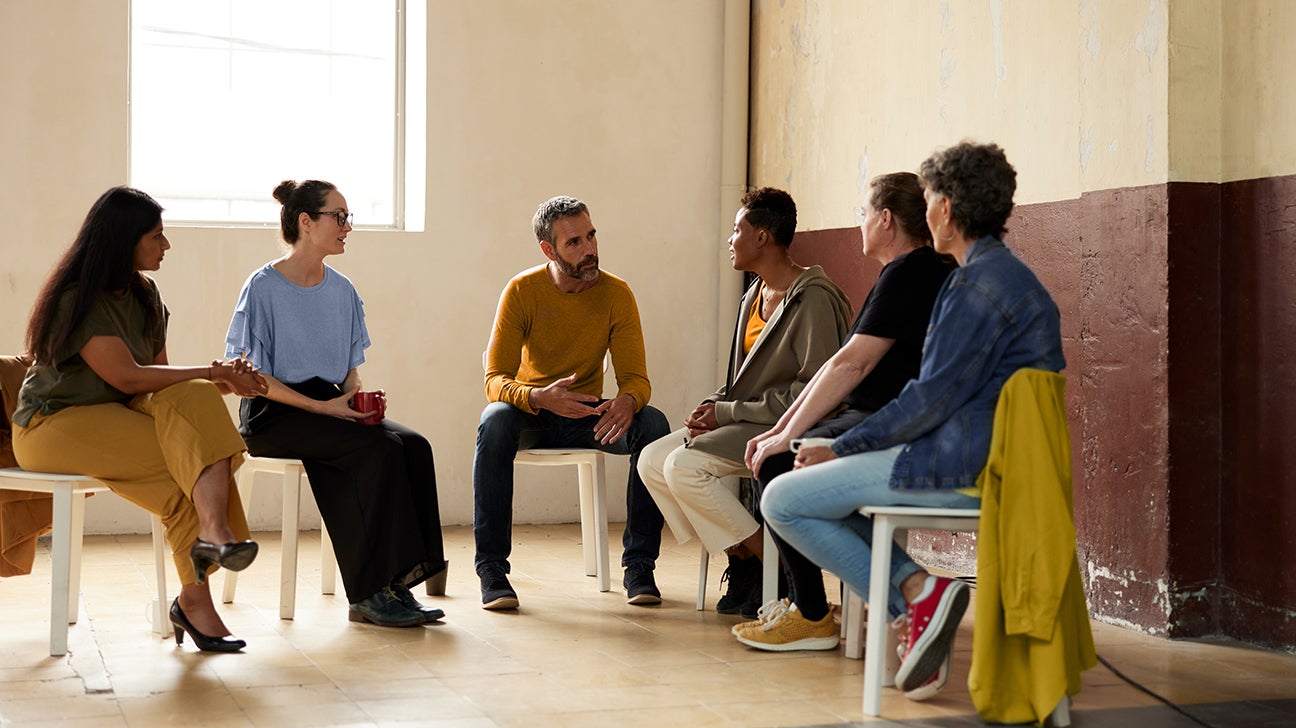
Peer groups and recovery communities are an important part of social support systems for people in rehabilitation. These groups provide a safe environment where individuals can share experiences, discuss challenges, and celebrate progress together.
Benefits of peer support include:
-
Shared understanding and empathy
-
Motivation through shared success stories
-
Opportunities for positive social interaction
-
Encouragement to stay committed to recovery
Peer support groups remind individuals that recovery is possible and that others have successfully walked the same path.
Professional Support and Counseling
While family and friends provide emotional support, professional guidance is essential for addressing the psychological aspects of addiction.
Therapists, counselors, and rehabilitation specialists form an important part of social support systems for people in rehabilitation. These professionals help individuals understand the underlying causes of addiction and develop healthier coping strategies.
Professional rehabilitation programs may include:
-
Individual counseling
-
Cognitive behavioral therapy
-
Group therapy sessions
-
Mental health support
-
Relapse prevention planning
If you want to learn more about treatment programs, you can explore the section of Aarogya Sewa Samiti Dehradun to understand how our rehabilitation programs support individuals during recovery.
Community Support and Social Reintegration
Recovery also involves reconnecting with society and rebuilding a meaningful life. Community involvement can help individuals regain confidence and develop new social connections.
Community programs are an important part of social support systems for people in rehabilitation. These programs may include:
-
Volunteer activities
-
Skill development workshops
-
employment assistance
-
wellness and lifestyle programs
Participating in community activities helps individuals feel valued and accepted, which strengthens their motivation to stay sober.
Rehabilitation centers often encourage patients to engage with positive community networks that promote healthy lifestyles.
The Importance of Support Groups in Rehabilitation
Support groups are one of the most effective ways to strengthen social support systems for people in rehabilitation. These groups allow individuals to share their experiences openly without fear of judgment.
Support groups create a sense of belonging and accountability. Members encourage each other during challenging times and celebrate milestones in recovery.
Common benefits of support groups include:
-
Emotional understanding and empathy
-
Reduced feelings of shame and guilt
-
Strong motivation to stay sober
-
Long-term friendships and connections
Being part of a supportive group can remind individuals that recovery is a shared journey.
Overcoming Social Isolation During Recovery
One of the biggest challenges during rehabilitation is social isolation. Many individuals feel disconnected from friends or society because of past behaviors related to addiction.
Building social support systems for people in rehabilitation, helps individuals overcome this isolation. Positive relationships can restore a sense of belonging and purpose.
Rehabilitation programs often focus on improving communication skills, rebuilding trust, and developing healthy social habits. These skills help individuals reconnect with their families, communities, and professional lives.
A Message for People in Rehabilitation
If you are currently in recovery or considering treatment, remember that you do not have to face this journey alone. Healing becomes easier when you are surrounded by people who care about your well-being.
Strong social support systems for people in rehabilitation, can make the recovery process more hopeful and sustainable. Support from family, friends, therapists, and communities creates a foundation for lasting change.
At Aarogya Sewa Samiti Dehradun, we are committed to helping individuals rebuild their lives through compassionate care, professional guidance, and supportive rehabilitation programs.
If you or someone you love needs guidance or treatment support, please visit our page to connect with our team and begin the journey toward recovery.
Building Long-Term Support After Rehabilitation
Recovery does not end when treatment is completed. Maintaining sobriety requires ongoing support and healthy lifestyle choices. This is why continuing social support systems for people in rehabilitation, is important even after leaving a treatment program.
Long-term recovery strategies may include:
-
Continuing therapy or counseling
-
Participating in recovery support groups
-
Maintaining healthy friendships
-
Staying involved in positive community activities
-
Practicing stress management and self-care
These strategies help individuals stay focused on their recovery goals and maintain emotional balance.
Conclusion
Addiction recovery is a life-changing journey that requires compassion, patience, and support. While professional treatment provides the foundation for healing, strong relationships and community involvement play a crucial role in sustaining long-term recovery.
Developing social support systems for people in rehabilitation, helps individuals build confidence, strengthen relationships, and overcome challenges during their recovery journey. Families, friends, counselors, and support groups all contribute to creating a safe and encouraging environment for healing.
At Aarogya Sewa Samiti Dehradun, we believe that recovery is possible when individuals are surrounded by understanding, care, and encouragement. By strengthening support networks and promoting awareness, the best rehab centre in Dehradun, we can help people rebuild their lives and move toward a healthier and brighter future.