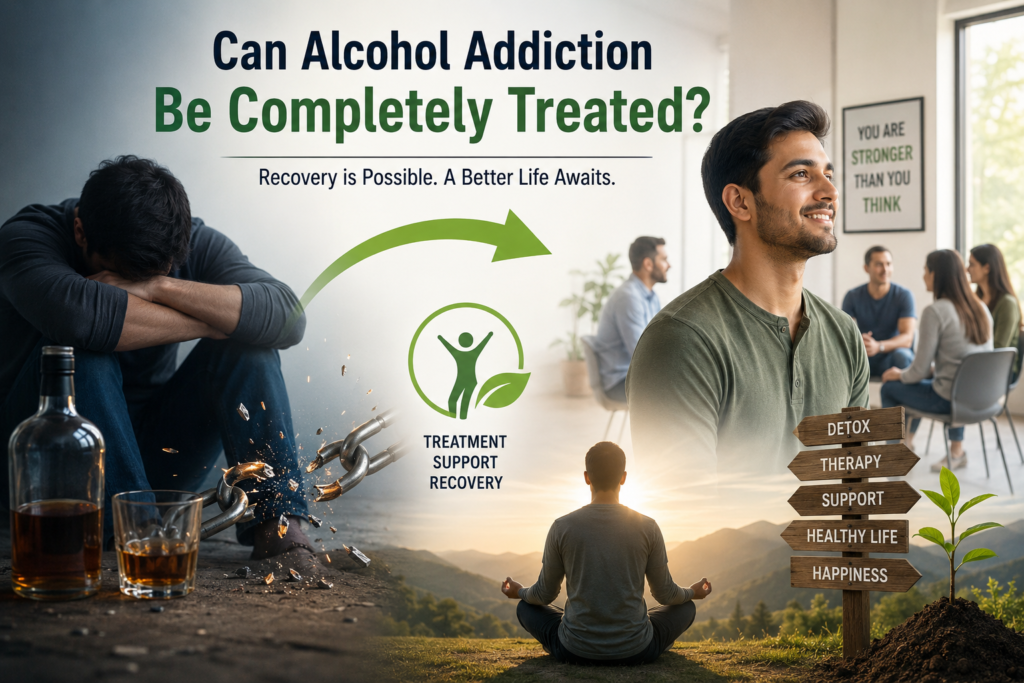
“Can Alcohol Addiction Be Completely Treated ?”
Alcohol addiction is one of the most common forms of substance dependence affecting millions of people worldwide. It can impact a person’s physical health, mental well-being, relationships, career, and overall quality of life. Many individuals and families often ask an important question: Can Alcohol Addiction Be Completely Treated?
The good news is that with proper treatment, professional support, and long-term commitment, people struggling with alcohol addiction can achieve lasting recovery and lead healthy, productive lives. While addiction is considered a chronic condition, effective treatment programs can help individuals regain control over their lives and maintain long-term sobriety.
Understanding Alcohol Addiction
Alcohol addiction, also known as Alcohol Use Disorder (AUD), is a condition where a person becomes physically and psychologically dependent on alcohol. Over time, drinking becomes difficult to control despite its harmful consequences.
People with alcohol addiction often experience strong cravings, loss of control over drinking habits, and withdrawal symptoms when they try to stop drinking.
Some common signs include:
- Drinking more alcohol than intended
- Failed attempts to quit or reduce drinking
- Strong urges or cravings for alcohol
- Neglecting work, family, or social responsibilities
- Continuing alcohol use despite health problems
- Experiencing withdrawal symptoms when not drinking
Recognizing these signs early can help individuals seek professional treatment before addiction becomes more severe.
Can Alcohol Addiction Be Completely Treated?
The answer is both yes and no, allowing individuals to live alcohol-free lives for many years. However, addiction is often considered a long-term condition that requires ongoing care and commitment.
Recovery does not simply mean stopping alcohol consumption. It involves addressing the physical, emotional, psychological, and social factors that contribute to addiction.
At Aarogya Rehab, operated under Aarogya Sewa Samiti Dehradun, treatment programs focus on helping individuals achieve long-term recovery through medical care, counseling, therapy, and continuous support.
The goal is not only sobriety but also rebuilding a healthier and more meaningful life.
Why Professional Treatment Is Important
Many people attempt to quit alcohol on their own. While some may succeed temporarily, long-term recovery often requires professional intervention.
Alcohol addiction affects brain chemistry, making it difficult for individuals to stop drinking through willpower alone.
Professional treatment offers:
- Safe detoxification
- Medical supervision
- Psychological support
- Individual counseling
- Group therapy
- Family involvement
- Relapse prevention planning
These components work together to increase the chances of successful recovery.
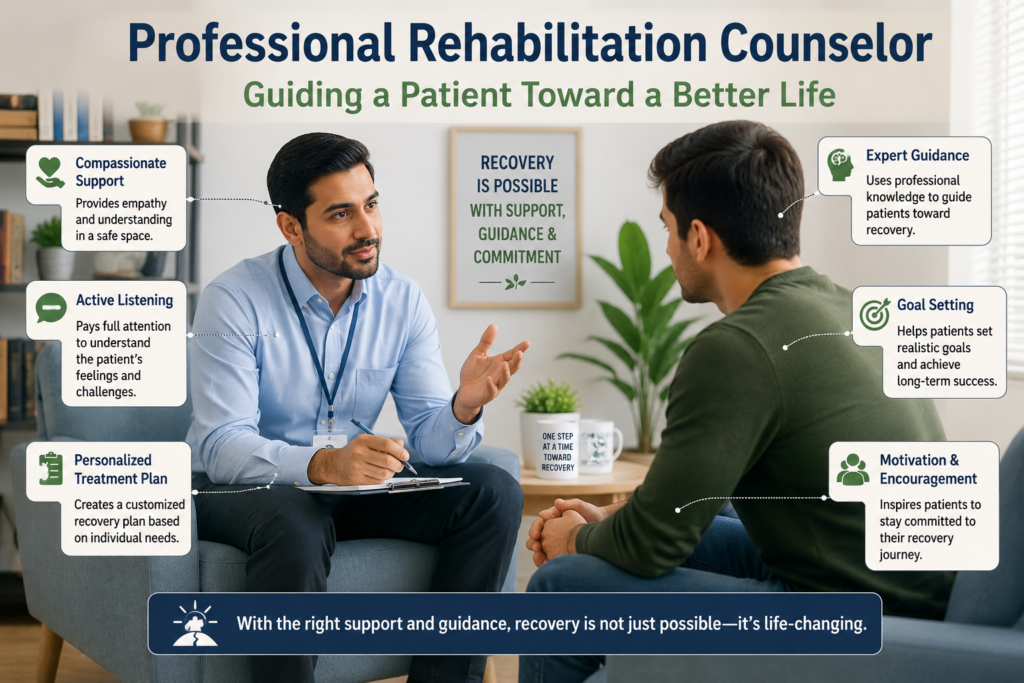
“Professional rehabilitation counselor guiding a patient”
The First Step: Medical Detoxification
For individuals with severe alcohol dependence, detoxification is usually the first stage of treatment.
During detox, the body removes alcohol and begins adjusting to functioning without it. This process can be physically challenging and sometimes dangerous if not supervised by medical professionals.
Common withdrawal symptoms include:
- Anxiety
- Sweating
- Tremors
- Nausea
- Insomnia
- Increased heart rate
- Mood changes
At Aarogya Rehab, detoxification is conducted under professional supervision to ensure patient safety and comfort throughout the process.
Detox alone is not a complete treatment, but it creates the foundation for recovery.
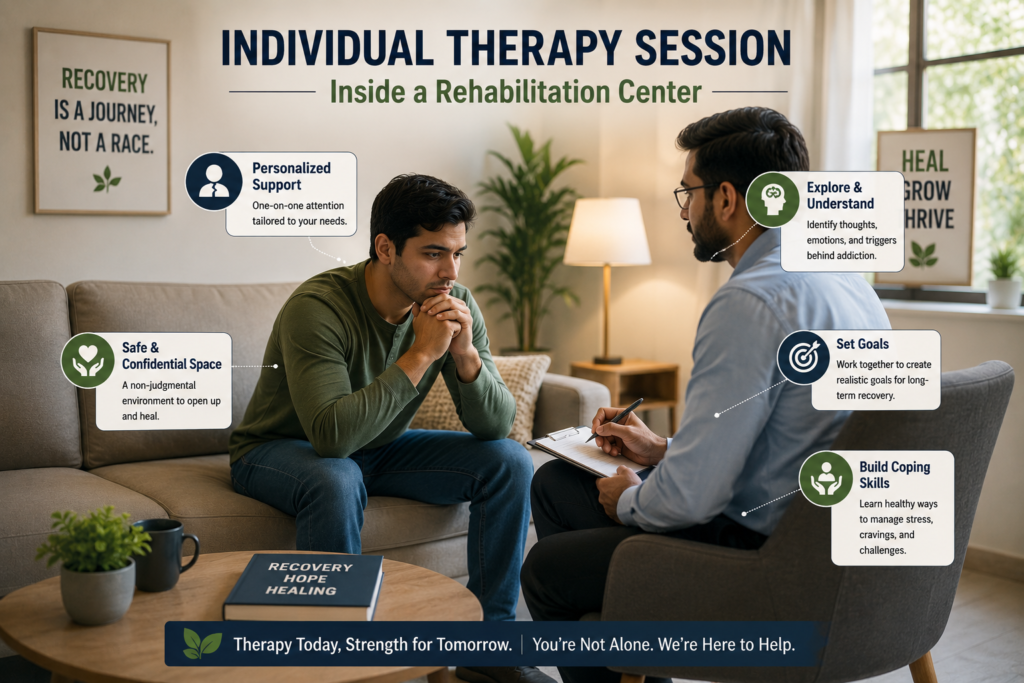
The Role of Counseling in Recovery
Counseling is one of the most effective tools in treating alcohol addiction.
Many individuals drink to cope with stress, trauma, depression, anxiety, or emotional difficulties. Counseling helps identify and address these underlying causes.
Therapists work closely with patients to:
- Understand addiction triggers
- Develop healthier coping strategies
- Improve emotional regulation
- Build self-confidence
- Strengthen decision-making skills
Regular counseling sessions help patients create lasting behavioral changes that support sobriety.
How Behavioral Therapy Helps
Behavioral therapies play a crucial role in changing destructive thought patterns and habits associated with alcohol use.
Common therapy approaches include:
- Cognitive Behavioral Therapy (CBT)
- Motivational Enhancement Therapy
- Relapse Prevention Therapy
- Mindfulness-Based Therapy
- Group Counseling Sessions
These therapies help individuals recognize negative behaviors and replace them with healthier choices.
Through therapy, patients learn practical strategies to manage cravings and avoid relapse.
The Importance of Family Support
Alcohol addiction does not affect only the individual. It also impacts family members, friends, and loved ones.
Broken trust, communication problems, emotional stress, and financial difficulties are common challenges faced by families dealing with addiction.
Family counseling helps:
- Rebuild trust
- Improve communication
- Reduce conflicts
- Educate family members about addiction
- Create a supportive recovery environment
At Aarogya Rehab Dehradun, family involvement is encouraged because a strong support system significantly improves recovery outcomes.
Can Relapse Be Prevented?
One of the biggest concerns during recovery is relapse.
Relapse does not mean treatment has failed. It simply indicates that additional support and adjustments may be necessary.
Preventing relapse involves identifying triggers and developing coping mechanisms before challenges arise.
Common relapse triggers include:
- Stress
- Social pressure
- Emotional distress
- Relationship conflicts
- Environmental cues
- Isolation and loneliness
Professional rehabilitation programs teach patients how to recognize and manage these risks effectively.
The Role of Lifestyle Changes in Recovery
Long-term recovery requires positive lifestyle changes that support physical and mental wellness.
Healthy habits help reduce cravings and strengthen resilience against relapse.
Important lifestyle changes include:
- Regular exercise
- Balanced nutrition
- Proper sleep habits
- Stress management
- Meditation and mindfulness
- Positive social connections
- Engaging hobbies and interests
Developing a healthy daily routine helps individuals maintain focus on recovery and personal growth.

“Recovering individual practicing yoga or meditation”
Why Aftercare Is Essential
Recovery does not end after completing a rehabilitation program.
Aftercare services provide ongoing support that helps individuals maintain sobriety and navigate real-life challenges.
Effective aftercare may include:
- Support group meetings
- Continued counseling
- Recovery coaching
- Family support programs
- Follow-up therapy sessions
- Community recovery resources
At Aarogya Rehab, aftercare planning is considered an important part of the recovery process because ongoing support greatly reduces relapse risks.
How Long Does Recovery Take?
There is no fixed timeline for recovery.
Every individual has unique circumstances, treatment needs, and recovery goals.
Several factors influence recovery duration:
- Severity of addiction
- Physical health condition
- Mental health status
- Family support
- Commitment to treatment
- Participation in aftercare programs
Some individuals begin experiencing significant improvements within months, while others continue strengthening their recovery over several years.
Recovery should be viewed as a lifelong journey rather than a quick solution.
Success Is Possible with the Right Support
Many people who once struggled with severe alcohol addiction have successfully rebuilt their lives through professional treatment and ongoing commitment.
Recovery can lead to:
- Improved physical health
- Better mental well-being
- Stronger family relationships
- Enhanced career opportunities
- Greater self-confidence
- Increased life satisfaction
The key is seeking help early and remaining committed to the recovery process.
Professional rehabilitation centers provide the structure, guidance, and support needed to overcome addiction successfully.

“Choose healing. Choose growth. Choose a better tomorrow”
How Aarogya Rehab Supports Alcohol Recovery
Aarogya Rehab, operating under Aarogya Sewa Samiti, offers comprehensive treatment programs designed to support individuals throughout every stage of recovery.
Their approach focuses on:
- Safe detoxification services
- Personalized treatment plans
- Individual counseling
- Group therapy sessions
- Family counseling programs
- Relapse prevention strategies
- Holistic wellness activities
- Long-term recovery support
By addressing both the physical and psychological aspects of addiction, the center helps individuals achieve sustainable recovery and improved quality of life.
Final Thoughts
So, Can Alcohol Addiction Be Completely Treated? The answer is that while addiction may require lifelong awareness and management, individuals can absolutely achieve long-term sobriety and live fulfilling, alcohol-free lives.
With professional treatment, strong family support, effective therapy, healthy lifestyle changes, and ongoing aftercare, recovery is not only possible but highly achievable.
Seeking help is the first and most important step. Treatment centers such as Aarogya Rehab and the dedicated efforts of Aarogya Sewa Samiti Dehradun provide the guidance, care, and support needed to overcome alcohol addiction and build a brighter future.