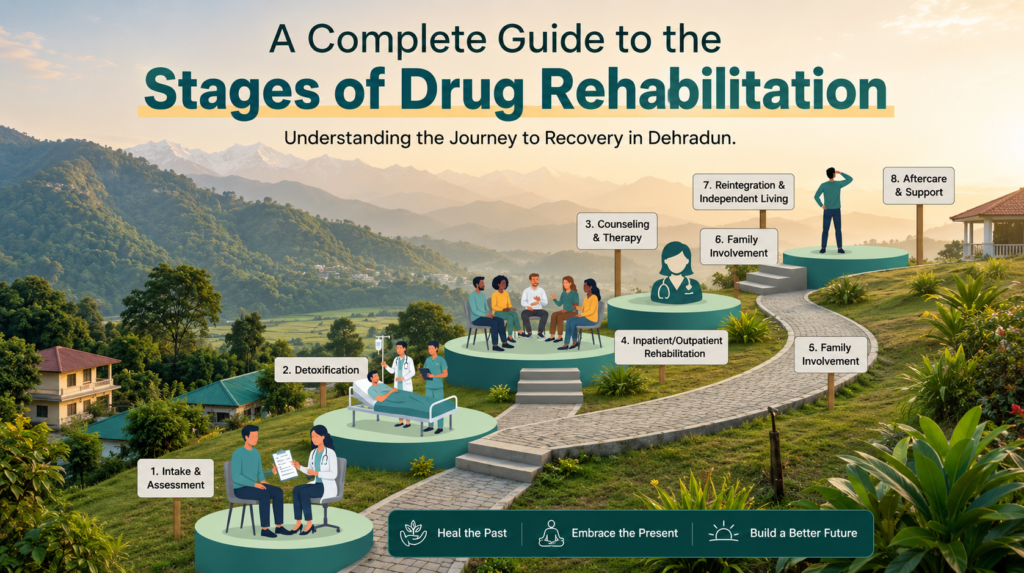
Drug addiction affects not only the individual but also their family, relationships, career, and overall well-being. Recovery is possible, but it requires commitment, professional guidance, and a structured treatment process. Understanding the Stages of Drug Rehabilitation helps patients and families know what to expect during recovery and why each phase is important.
Organizations like Aarogya Rehab, operated under Aarogya Sewa Samiti Dehradun, focus on providing comprehensive addiction treatment that addresses physical, emotional, mental, and social aspects of recovery. Effective rehabilitation is not a single event but a journey consisting of several carefully planned stages. These stages help individuals regain control of their lives and build a strong foundation for long-term sobriety.
What Are the Stages of Drug Rehabilitation?
The Stages of Drug Rehabilitation are a structured series of treatment steps designed to help individuals overcome substance dependence and maintain a healthy, addiction-free life. Each stage serves a unique purpose and contributes to long-term recovery success.
The rehabilitation journey generally includes:
- Recognition and acceptance of addiction
- Assessment and treatment planning
- Detoxification
- Therapy and counseling
- Skill development and relapse prevention
- Family involvement
- Reintegration into society
- Aftercare and long-term support
Let us explore each stage in detail.
Stage 1: Recognition and Acceptance of the Problem
Recovery begins when an individual acknowledges that substance use has become harmful and unmanageable. Many people struggling with addiction remain in denial for a long time, making this stage one of the most challenging.
Family members often play a significant role in encouraging treatment. Sometimes interventions, counseling sessions, or medical consultations help individuals understand the impact of addiction on their lives.
Acceptance is important because meaningful recovery cannot begin until a person is willing to seek help. Once this step is taken, the rehabilitation process can move forward.
Stage 2: Comprehensive Assessment and Evaluation
After admission to a rehabilitation centre, a detailed assessment is conducted. This evaluation helps healthcare professionals understand the patient’s condition and create a personalized treatment plan.
The assessment may include:
- Physical health examination
- Mental health evaluation
- Substance use history
- Family background
- Behavioral assessment
- Risk factor identification
At Aarogya Rehab, professionals focus on understanding every aspect of the patient’s condition before designing a recovery strategy. This personalized approach ensures better treatment outcomes and long-term success.
The information collected during assessment serves as the foundation for the entire rehabilitation program.
Stage 3: Detoxification and Medical Stabilization
Detoxification, commonly known as detox, is the process of removing harmful substances from the body. It is often the first clinical stage of treatment.
During detox, patients may experience withdrawal symptoms such as:
- Anxiety
- Irritability
- Sweating
- Nausea
- Insomnia
- Cravings
- Mood changes
Medical supervision is important because withdrawal symptoms can sometimes become severe depending on the substance involved.
The goal of detox is not to cure addiction but to prepare the individual for the therapeutic stages that follow. Once the body becomes stable, the patient can focus on emotional and psychological healing.
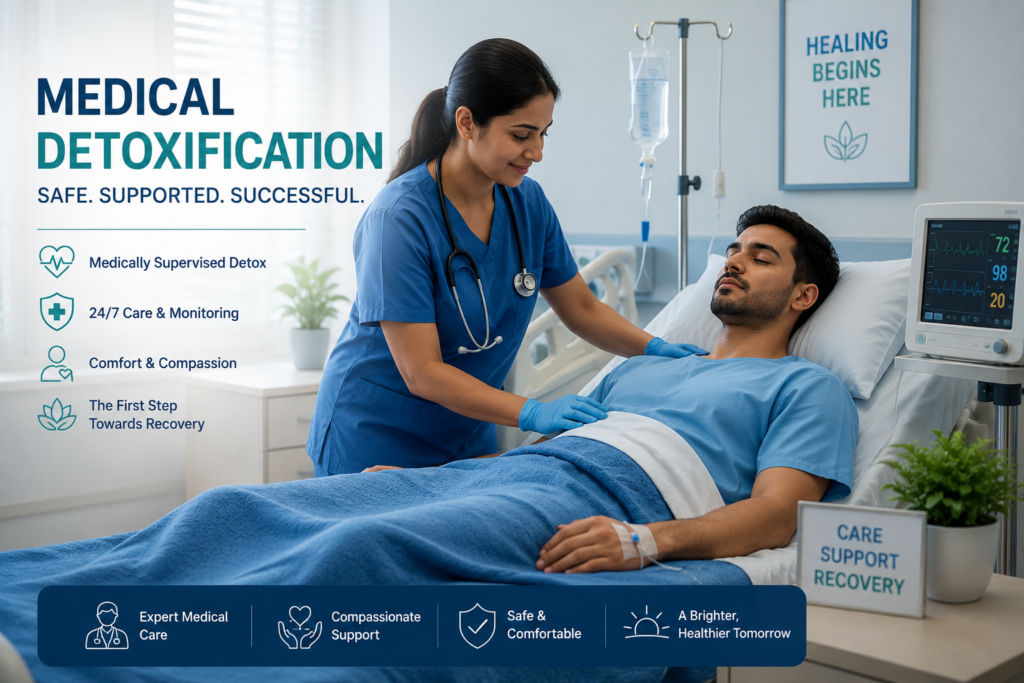
“Professional healthcare support during detox helps patients manage withdrawal symptoms safely and comfortably”
Stage 4: Psychological Therapy and Counseling
After detox, the core rehabilitation process begins. Therapy helps patients understand the underlying causes of addiction and develop healthier coping mechanisms.
Common therapeutic approaches include:
Individual Counseling
One-on-one sessions allow patients to discuss personal challenges, trauma, emotions, and triggers in a confidential environment.
Group Therapy
Group sessions provide peer support and help individuals realize they are not alone in their recovery journey.
Cognitive Behavioral Therapy (CBT)
CBT helps patients identify negative thought patterns and replace them with healthier behaviors.
Motivational Counseling
This therapy strengthens commitment to recovery and encourages positive lifestyle changes.
Professional counseling is often considered one of the most important stages because it addresses the root causes of addiction rather than just the symptoms.
Stage 5: Addressing Mental Health and Dual Diagnosis
Many individuals struggling with addiction also experience mental health conditions such as depression, anxiety, stress disorders, or trauma-related issues.
When addiction and mental health disorders occur together, it is called a dual diagnosis. Treating only the addiction while ignoring mental health challenges can increase the risk of relapse.
Comprehensive rehabilitation programs focus on:
- Emotional healing
- Mental health counseling
- Psychiatric support
- Stress management
- Behavioral therapy
Aarogya Sewa Samiti recognizes the importance of treating both addiction and mental health concerns to achieve sustainable recovery outcomes.
Integrated treatment improves emotional stability and helps patients build a healthier future.
Stage 6: Building Healthy Habits and Life Skills
Addiction often disrupts daily routines, personal responsibilities, and social functioning. Therefore, rehabilitation programs help individuals develop practical skills needed for independent living.
Patients learn:
- Time management
- Communication skills
- Problem-solving techniques
- Stress management
- Emotional regulation
- Healthy lifestyle practices
Many rehabilitation centres also include wellness activities such as yoga, meditation, fitness training, and recreational programs.
These activities improve physical health while strengthening mental resilience and self-confidence. They also provide healthier alternatives to substance use.
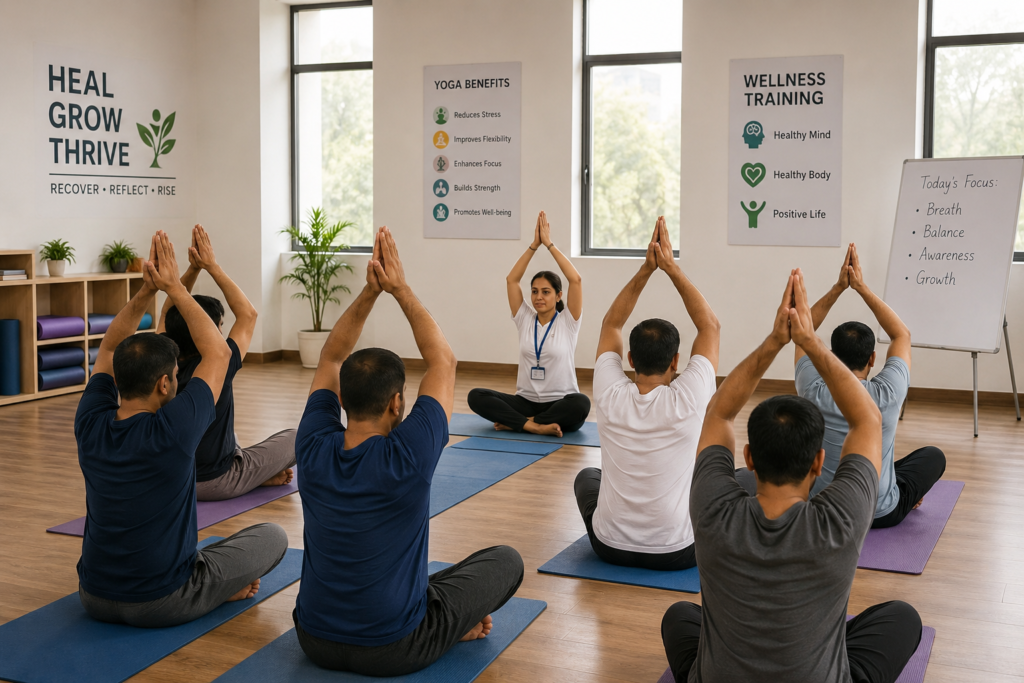
“Integrating Yoga and Wellness Training into Rehabilitation Programs”
Stage 7: Family Counseling and Relationship Healing
Addiction affects entire families. Broken trust, emotional pain, and communication problems often develop during active substance use.
Family counseling helps repair these relationships and creates a supportive environment for recovery.
Benefits of family involvement include:
- Better communication
- Increased emotional support
- Understanding addiction as a disease
- Reduced family conflicts
- Improved recovery outcomes
Family members also learn how to support recovery without enabling harmful behaviors.
Strong family support significantly improves the likelihood of maintaining long-term sobriety after treatment.
Stage 8: Relapse Prevention Training
Relapse prevention is a critical component of the Stages of Drug Rehabilitation. Patients learn how to recognize triggers and respond to challenges in healthy ways.
Common relapse prevention strategies include:
- Identifying high-risk situations
- Managing cravings
- Developing coping skills
- Building support networks
- Practicing mindfulness
- Creating emergency action plans
Recovery is a lifelong process, and relapse prevention training equips individuals with tools to maintain sobriety outside the treatment environment.
The more prepared a person is, the stronger their chances of achieving lasting recovery.
Stage 9: Social Reintegration and Independent Living
As treatment progresses, patients begin preparing for life outside the rehabilitation centre.
This stage focuses on helping individuals:
- Return to work or education
- Rebuild relationships
- Develop healthy social networks
- Manage responsibilities
- Practice independent decision-making
Reintegration can sometimes feel overwhelming, but structured guidance helps individuals transition smoothly into everyday life.
Organizations such as Aarogya Rehab and Aarogya Sewa Samiti Dehradun emphasize long-term recovery by helping individuals rebuild productive and meaningful lives.
Successful reintegration strengthens confidence and encourages continued personal growth.
Stage 10: Aftercare and Continuing Support
Treatment does not end when a patient leaves the rehabilitation centre. Aftercare provides ongoing guidance and support during the recovery journey.
Aftercare services may include:
- Follow-up counseling
- Support group meetings
- Recovery coaching
- Family support programs
- Regular wellness check-ins
Continued support reduces the risk of relapse and helps individuals stay focused on their recovery goals.
Many successful recovery stories are built upon consistent aftercare and community support. Long-term monitoring allows patients to address challenges before they become serious obstacles.
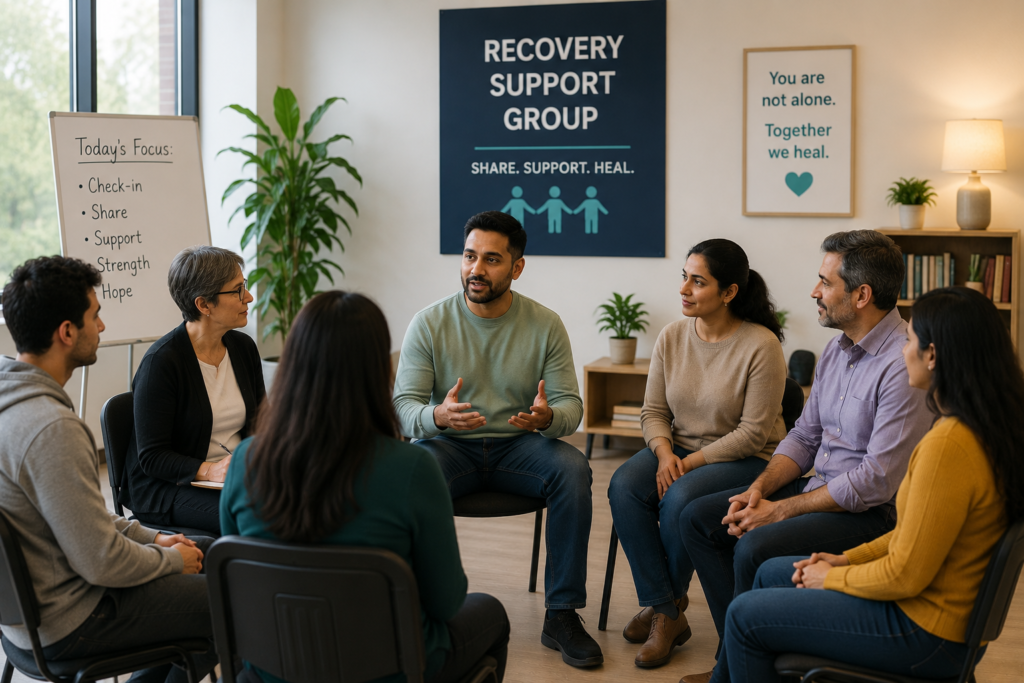
“Together on the Path to Recovery”
Why Every Stage Matters
Each phase of rehabilitation serves a specific purpose. Skipping or rushing through any stage can weaken the recovery process.
The benefits of a structured rehabilitation program include:
- Safer detoxification
- Better emotional healing
- Stronger coping mechanisms
- Improved mental health
- Reduced relapse risk
- Stronger family relationships
- Sustainable recovery outcomes
A comprehensive approach ensures that patients receive the support they need at every step of their journey.
Conclusion
The Stages of Drug Rehabilitation provide a clear pathway from addiction to recovery. From acceptance and detoxification to therapy, relapse prevention, and aftercare, each stage contributes to lasting change.
Recovery is not an overnight process. It requires patience, dedication, and professional support. With the right guidance from organizations such as Aarogya Rehab, Aarogya Sewa Samiti, and Aarogya Sewa Samiti Dehradun, individuals can overcome addiction and create a healthier, more fulfilling future.
Every step taken toward recovery is a step toward renewed hope, improved health, and a better quality of life.