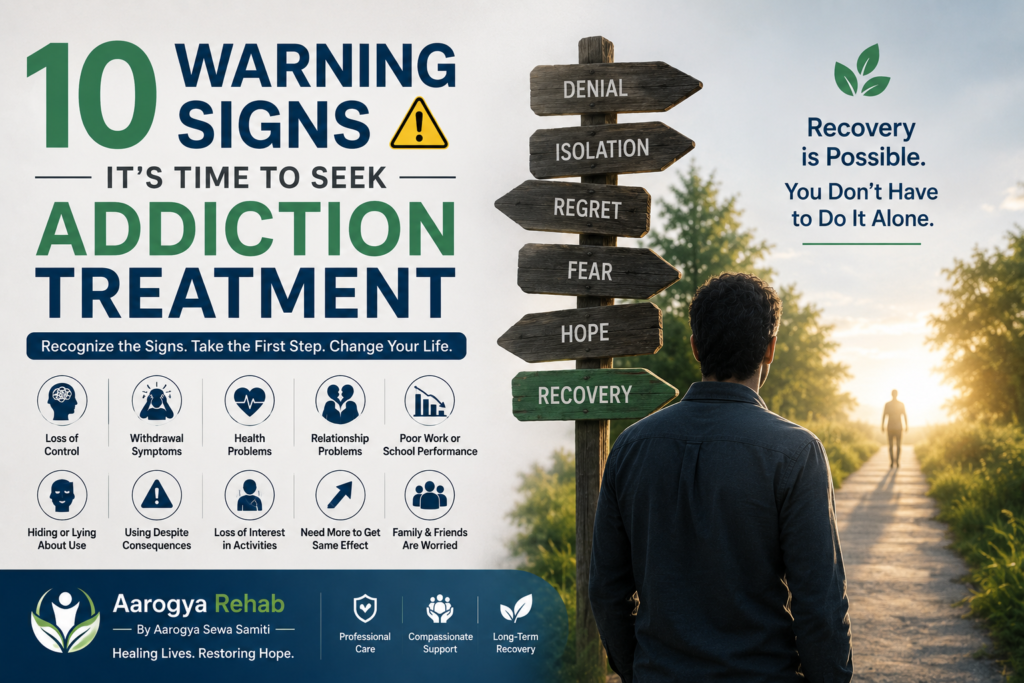
Addiction is a serious health condition that affects millions of individuals and families around the world. Whether it involves alcohol, drugs, or other harmful substances, addiction can gradually take control of a person’s physical health, mental well-being, relationships, and career. Recognizing the early signs can help prevent severe complications and improve the chances of long-term recovery.
Seeking professional treatment is not a sign of weakness. It is a positive step toward a healthier and happier life. At Aarogya Rehab, operated by Aarogya Sewa Samiti, individuals receive compassionate care, medical support, counselling, and rehabilitation services that help them overcome addiction safely and confidently.
If you or someone close to you is struggling, understanding these warning signs of addiction can help you decide when it is time to seek professional treatment.
Why Early Addiction Treatment Matters
Many people ignore the early symptoms of addiction because they believe they have control over their substance use. Unfortunately, addiction usually becomes worse over time if left untreated.
Early intervention offers many benefits:
- Prevents serious health complications.
- Improves mental well-being.
- Reduces the risk of overdose.
- Protects family relationships.
- Increases the chances of successful recovery.
- Helps individuals return to normal life sooner.
The earlier treatment begins, the easier it is to manage addiction and rebuild a healthy lifestyle.
1. You Cannot Control Your Substance Use
One of the biggest warning signs of addiction is losing control over alcohol or drug use.
You may promise yourself that you will stop after one drink or one dose but continue using much more than planned. Despite repeated attempts, quitting feels impossible.
Many people believe they can stop whenever they choose, but addiction changes brain function and makes self-control extremely difficult.
If you repeatedly fail to cut back, professional treatment should be considered immediately.
2. You Experience Withdrawal Symptoms
Withdrawal occurs when the body has become dependent on alcohol or drugs.
Common withdrawal symptoms include:
- Sweating
- Shaking
- Anxiety
- Irritability
- Nausea
- Headaches
- Difficulty sleeping
- Strong cravings
These symptoms often indicate physical dependence.
Medical detox under professional supervision is much safer than attempting to quit alone.

“Continuous monitoring helps prevent complications during alcohol withdrawal”
3. Your Health Is Getting Worse
Long-term substance abuse can damage nearly every organ in the body.
Common health problems include:
- Frequent illness
- Weight loss
- Poor nutrition
- Liver damage
- Heart problems
- Poor sleep
- Constant fatigue
- Weak immune system
Mental health may also decline, causing anxiety, depression, panic attacks, or emotional instability.
Ignoring these symptoms may lead to serious medical complications.
4. Your Relationships Are Suffering
Addiction often damages relationships with family, friends, and colleagues.
People struggling with addiction may:
- Lie about substance use.
- Break promises.
- Become emotionally distant.
- Argue frequently.
- Lose trust within the family.
- Isolate themselves from loved ones.
Healthy relationships are essential for recovery.
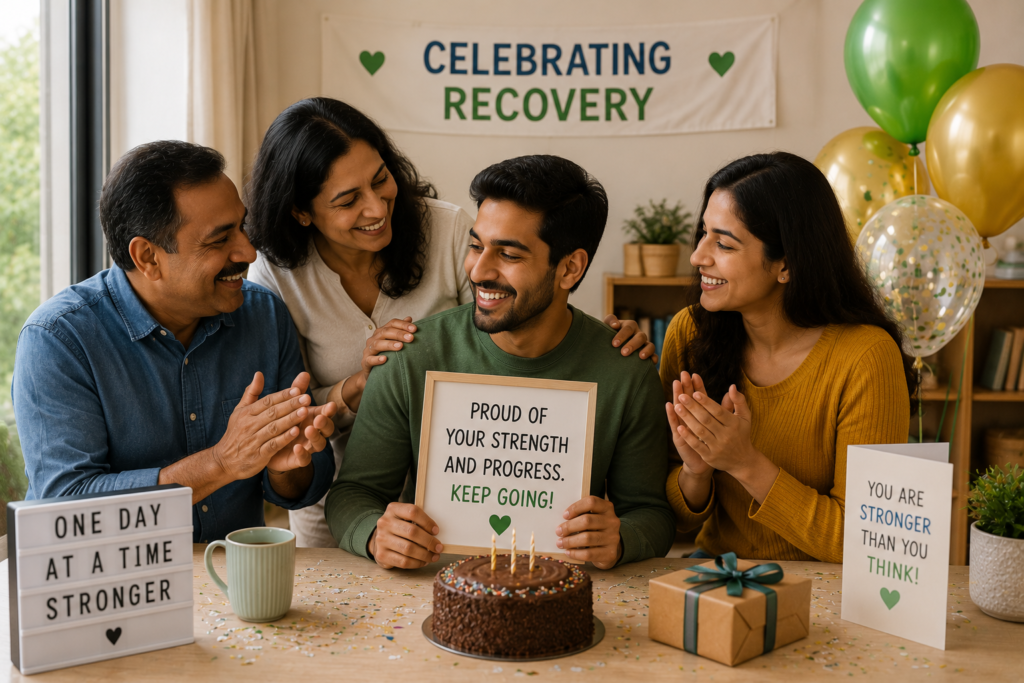
Professional counselling helps rebuild communication and restore trust between family members.
5. Your Work or Studies Are Being Affected
Substance abuse often reduces productivity and concentration.
Warning signs include:
- Poor work performance
- Frequent absenteeism
- Missed deadlines
- Difficulty concentrating
- Falling academic performance
- Lack of motivation
Many individuals lose employment or struggle in school because addiction gradually becomes their highest priority.
Professional rehabilitation can help individuals regain focus and rebuild their future.
6. You Hide Your Addiction from Others
People with addiction often begin hiding their behavior.
They may:
- Secretly consume alcohol or drugs.
- Make excuses for substance use.
- Avoid family gatherings.
- Become defensive when questioned.
- Hide bottles, medications, or drug-related items.
Secrecy usually indicates that the person knows substance use has become unhealthy.
Acknowledging the problem is the first step toward recovery.
How Professional Treatment Can Help
Recovery involves much more than simply stopping alcohol or drug use.
Professional rehabilitation addresses both physical dependence and emotional challenges.
At Aarogya Rehab, operated by Aarogya Sewa Samiti, treatment programs are designed according to each person’s individual needs.
Services include:
- Medical detoxification
- Individual counselling
- Group therapy
- Family counselling
- Yoga and meditation
- Wellness activities
- Relapse prevention planning
- Aftercare support
This holistic approach helps individuals achieve lasting recovery while improving their overall quality of life.
7. You Continue Using Despite Serious Consequences
One of the strongest warning signs of addiction is continuing to use alcohol or drugs even when they create major problems.
These consequences may include:
- Financial difficulties
- Health complications
- Legal issues
- Family conflicts
- Relationship breakdowns
- Job loss
- Poor academic performance
Many individuals recognize these problems but still feel unable to stop. Addiction changes the brain’s reward system, making it difficult to make healthy decisions without professional support.
Seeking treatment at this stage can prevent further damage and help individuals regain control of their lives.
8. You Have Lost Interest in Activities You Once Enjoyed
People experiencing addiction often stop participating in hobbies and activities that once brought happiness.
They may lose interest in:
- Sports
- Reading
- Music
- Family gatherings
- Social events
- Exercise
- Traveling
- Personal goals
Instead, most of their time becomes focused on obtaining or using alcohol or drugs.
Losing interest in enjoyable activities is an important sign that addiction is affecting emotional well-being and overall quality of life.

“Addiction often causes people to withdraw from family, hobbies, and meaningful activities”
9. You Need More Alcohol or Drugs to Feel the Same Effect
Over time, the body develops tolerance.
This means the same amount of alcohol or drugs no longer produces the desired effect.
As tolerance increases, people often:
- Consume larger quantities.
- Use substances more frequently.
- Mix different substances.
- Take greater health risks.
Higher tolerance significantly increases the risk of overdose and severe health complications.
Professional treatment helps individuals safely break this cycle through medically supervised detox and rehabilitation.
10. Your Family and Friends Are Worried About You
Loved ones often notice addiction before the individual does.
If multiple people have expressed concern about your behavior, it is important to listen carefully instead of becoming defensive.
Family members may notice:
- Personality changes
- Mood swings
- Isolation
- Aggressive behavior
- Poor self-care
- Financial problems
- Secretive habits
These observations are often genuine attempts to help.
Accepting support from family and healthcare professionals is an important step toward recovery.
What Happens During Addiction Treatment?
Many people hesitate to seek help because they are unsure what rehabilitation involves.
Professional addiction treatment follows a structured process that focuses on healing both the body and the mind.
Treatment commonly includes:
Medical Assessment
Healthcare professionals evaluate physical health, substance use history, and mental well-being before creating a personalized treatment plan.
Medical Detoxification
Detox safely removes harmful substances from the body while managing withdrawal symptoms under medical supervision.
Individual Counselling
Private therapy sessions help individuals understand emotional triggers and develop healthier coping strategies.
Group Therapy
Patients share experiences, encourage one another, and build confidence in a supportive environment.
Family Counselling
Families learn how to support recovery while rebuilding healthy communication and trust.
Wellness Activities
Yoga, meditation, relaxation exercises, and healthy lifestyle practices improve physical and emotional well-being.
Relapse Prevention
Patients learn practical strategies to recognize triggers, manage cravings, and maintain long-term sobriety.
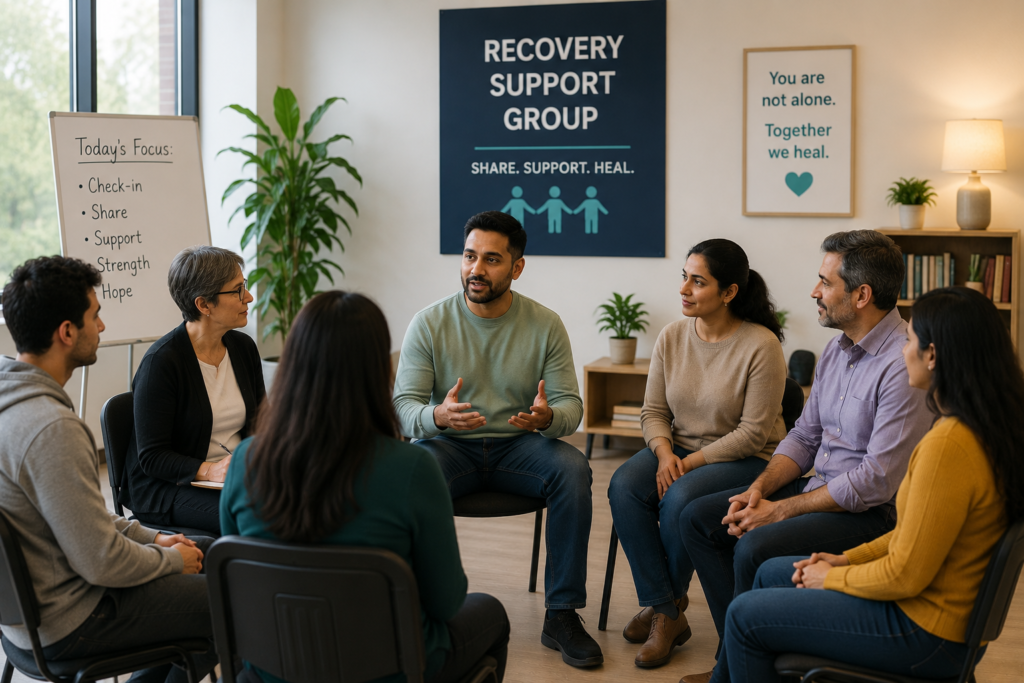
“Together on the Path to Recovery”
Why Choose Aarogya Rehab?
Choosing the right rehabilitation centre is one of the most important decisions in the recovery journey.
Aarogya Rehab, managed by Aarogya Sewa Samiti, provides compassionate, evidence-based treatment designed to help individuals recover safely and confidently.
The rehabilitation programs focus on the complete well-being of every patient through:
- Safe medical detox
- Professional counselling
- Family support programs
- Group therapy
- Yoga and meditation
- Mental wellness activities
- Relapse prevention
- Long-term aftercare
Every individual receives personalized care in a supportive and respectful environment that promotes healing, dignity, and hope.
Conclusion
Recognizing the warning signs of addiction early can make a life-changing difference. Addiction is a medical condition that becomes more difficult to manage when ignored, but timely professional treatment offers hope for lasting recovery.
If you notice loss of control, withdrawal symptoms, declining health, damaged relationships, poor work performance, secrecy, increased tolerance, or concerns expressed by loved ones, it is time to seek professional help.
At Aarogya Rehab, operated by Aarogya Sewa Samiti, experienced healthcare professionals provide comprehensive addiction treatment that includes medical detox, counselling, therapy, wellness programs, and relapse prevention. Every recovery journey begins with one decision—to ask for help.
Recovery is possible, and a healthier, addiction-free future is within reach.
Frequently Asked Questions (FAQs)
1. What are the earliest warning signs of addiction?
Early signs include loss of control over substance use, cravings, withdrawal symptoms, mood changes, secrecy, and declining performance at work or school.
2. When should someone seek addiction treatment?
Professional treatment should be considered as soon as addiction begins affecting health, relationships, work, finances, or daily life.
3. Can addiction be treated successfully?
Yes. With medical care, counselling, behavioral therapy, family support, and aftercare, many people achieve long-term recovery.
4. Is medical detox necessary for everyone?
Not everyone requires medical detox, but individuals with moderate to severe alcohol or drug dependence should undergo detox under professional supervision for safety.
5. What services does Aarogya Rehab provide?
Aarogya Rehab, operated by Aarogya Sewa Samiti, offers medical detoxification, individual counselling, group therapy, family counselling, yoga, meditation, relapse prevention, wellness programs, and personalized rehabilitation plans.