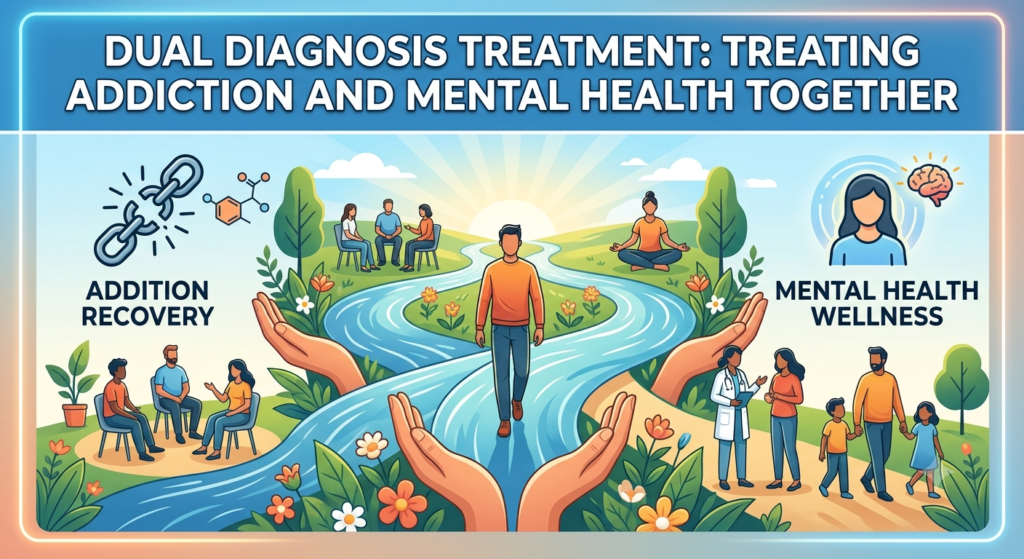
Substance addiction and mental health disorders often occur together, creating complex challenges that require specialized care. Many individuals who struggle with alcohol or drug addiction also experience conditions such as anxiety, depression, trauma, or bipolar disorder. Treating only one condition while ignoring the other can make recovery more difficult. Dual Diagnosis Treatment: Treating Addiction and Mental Health Together focuses on addressing both issues at the same time, giving individuals the best opportunity for lasting recovery. At Aarogya Rehab, a unit of Aarogya Sewa Samiti, comprehensive rehabilitation programs are designed to support both mental wellness and addiction recovery through compassionate, personalized care.
What Is Dual Diagnosis?
Dual diagnosis, also known as co-occurring disorders, refers to a condition where a person experiences both substance use disorder and a mental health disorder at the same time. These conditions influence one another, making treatment more challenging if they are not addressed together.
For example, someone living with depression may begin using alcohol to temporarily reduce emotional pain. Over time, alcohol dependence develops while depression becomes more severe. Similarly, anxiety or trauma may lead an individual to misuse drugs in an attempt to cope with overwhelming emotions.
Because both conditions are closely connected, successful treatment focuses on healing the mind and body together rather than treating them separately.
Why Dual Diagnosis Requires Specialized Care
Traditional addiction treatment alone may not fully address the emotional and psychological challenges contributing to substance abuse. Likewise, treating mental health conditions without addressing addiction may limit long-term improvement.
Dual diagnosis treatment combines medical care, counseling, behavioral therapy, psychiatric support, and lifestyle changes into one coordinated recovery plan.
At Aarogya Rehab, healthcare professionals understand that every patient’s experience is unique. Personalized treatment plans help individuals receive the right combination of therapies based on their specific medical, emotional, and recovery needs.
The Link Between Mental Health and Addiction
Mental health disorders and addiction often develop together because each condition can influence the other. Emotional distress may increase substance use, while long-term substance abuse can worsen mental health symptoms.
Common mental health conditions associated with addiction include:
- Anxiety disorders
- Depression
- Post-traumatic stress disorder (PTSD)
- Bipolar disorder
- Obsessive-compulsive disorder (OCD)
- Personality disorders
- Chronic stress
- Grief and emotional trauma
Understanding this relationship helps healthcare professionals design effective treatment programs that address the complete recovery journey.
Common Signs of Dual Diagnosis
Recognizing dual diagnosis early allows individuals to receive appropriate treatment before the conditions become more severe.
Some warning signs include:
- Frequent mood swings
- Persistent sadness or hopelessness
- Excessive anxiety
- Social withdrawal
- Difficulty concentrating
- Changes in sleep patterns
- Sudden weight changes
- Increased dependence on alcohol or drugs
- Poor work or academic performance
- Loss of interest in hobbies
If several of these symptoms occur together with substance abuse, professional assessment is strongly recommended.
Causes of Co-Occurring Disorders
There is no single cause of dual diagnosis. Instead, multiple biological, psychological, and environmental factors often contribute to both addiction and mental health disorders.
Some common risk factors include:
- Childhood trauma
- Family history of addiction
- Genetic predisposition
- Chronic stress
- Physical or emotional abuse
- Social isolation
- Peer pressure
- Long-term exposure to substance use
Understanding these contributing factors helps professionals create personalized rehabilitation programs that focus on lasting recovery instead of temporary symptom relief.
Why Early Diagnosis Improves Recovery
Early diagnosis is one of the most important steps in successful rehabilitation. Identifying both addiction and mental health conditions allows healthcare professionals to begin integrated treatment before complications become more serious.
Comprehensive assessments usually include medical evaluations, psychological screenings, substance use history, and discussions about emotional well-being. This complete understanding helps professionals develop individualized treatment plans that support every aspect of recovery.
At Aarogya Sewa Samiti, early intervention is encouraged because timely treatment often improves emotional stability, physical health, family relationships, and long-term recovery success.
Benefits of Integrated Treatment
Integrated treatment addresses addiction and mental health simultaneously, allowing individuals to heal more effectively.
Some important benefits include:
- Better emotional stability
- Reduced relapse risk
- Improved physical health
- Stronger coping skills
- Healthier relationships
- Greater self-confidence
- Better stress management
- Long-term recovery support
Rather than focusing on only one condition, integrated care helps individuals rebuild every area of their lives with confidence.
Therapies Used in Dual Diagnosis Treatment
Successful recovery requires more than simply stopping alcohol or drug use. Individuals also need support to understand emotional triggers, manage mental health symptoms, and develop healthier coping skills. This is why dual diagnosis treatment combines several evidence-based therapies into one personalized rehabilitation program.
At Aarogya Rehab, treatment plans are designed according to each individual’s medical condition, psychological needs, and recovery goals. The combination of therapies helps patients recover physically while strengthening emotional resilience and improving overall well-being.
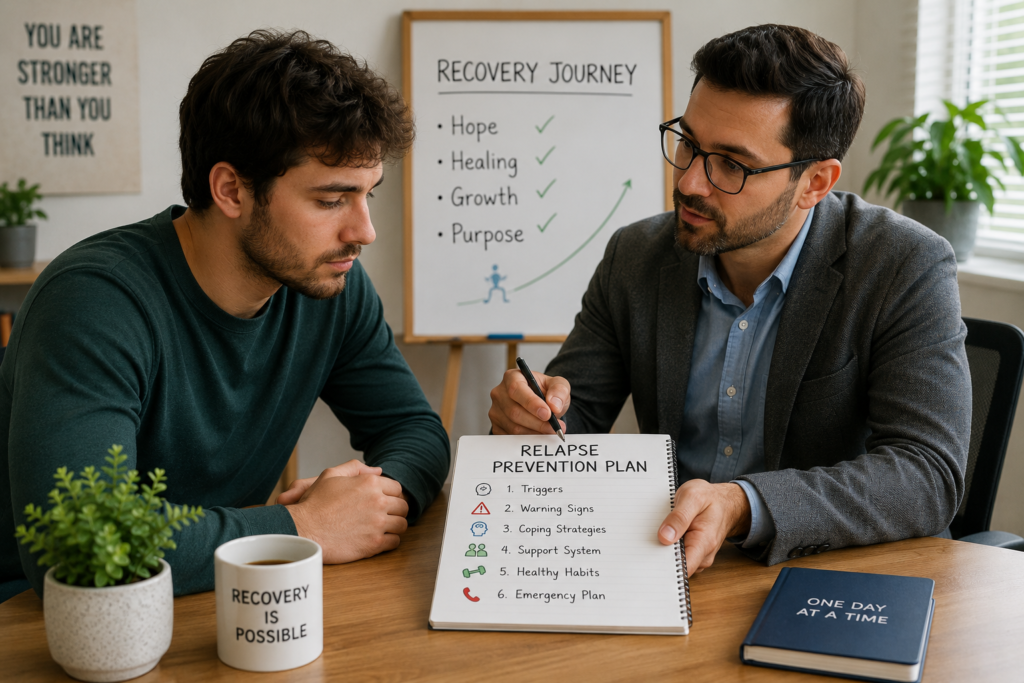
“Early support and relapse prevention planning help individuals stay focused on recovery”
Individual Counseling Builds Emotional Strength
Individual counseling allows patients to work closely with experienced mental health professionals in a private and supportive environment. During these sessions, individuals explore the thoughts, emotions, and life experiences that contribute to both addiction and mental health challenges.
Counseling helps patients:
- Understand emotional triggers.
- Replace unhealthy thought patterns.
- Build self-confidence.
- Develop healthier coping skills.
- Improve decision-making abilities.
- Set realistic recovery goals.
Regular counseling sessions encourage personal growth while providing continuous motivation throughout the recovery journey.
Cognitive Behavioral Therapy (CBT)
One of the most widely used therapies in dual diagnosis treatment is Cognitive Behavioral Therapy (CBT). This approach helps individuals recognize how negative thoughts influence emotions and behaviors.
CBT teaches patients practical techniques to:
- Identify harmful thinking patterns.
- Respond positively to stress.
- Control cravings.
- Reduce anxiety and depression.
- Improve emotional regulation.
- Build healthy daily habits.
Learning these skills helps individuals respond to difficult situations without depending on addictive substances.
Group Therapy Encourages Shared Recovery
Recovery becomes easier when individuals realize they are not facing their challenges alone. Group therapy creates a safe environment where participants share experiences, celebrate progress, and encourage one another.
Some advantages of group therapy include:
- Emotional support from peers.
- Increased confidence.
- Better communication skills.
- Shared recovery experiences.
- Reduced feelings of loneliness.
- Greater accountability.
Professional facilitators ensure every participant feels respected while maintaining a positive and confidential atmosphere.
Family Therapy Strengthens Long-Term Recovery
Addiction and mental health disorders affect every member of the family. Misunderstandings, broken trust, and emotional stress often develop during active addiction. Family therapy helps loved ones heal together while learning how to support recovery in healthy ways.
Family counseling focuses on:
- Improving communication.
- Rebuilding trust.
- Setting healthy boundaries.
- Understanding addiction as a medical condition.
- Supporting long-term recovery.
- Reducing conflict within the home.
At Aarogya Sewa Samiti, family participation is encouraged because recovery is stronger when loved ones work together.
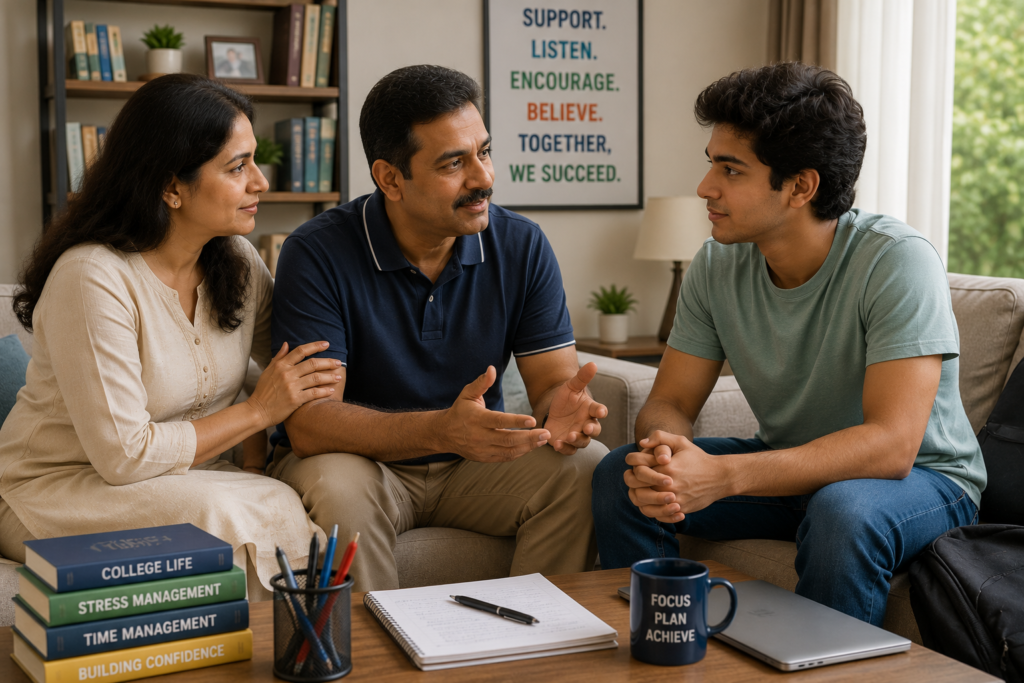
“Open communication between parents and students strengthens prevention efforts”
Medication Management When Necessary
Some individuals with dual diagnosis benefit from carefully prescribed medications that help manage mental health symptoms while participating in rehabilitation. Medication may support treatment for conditions such as depression, anxiety, bipolar disorder, or severe mood disorders.
Medication management is always supervised by qualified healthcare professionals who regularly monitor progress and make adjustments when needed. Medication works best when combined with counseling, behavioral therapy, and healthy lifestyle changes.
Building Healthy Daily Habits
Healthy routines support both mental wellness and addiction recovery. Small positive habits practiced consistently create long-term improvements in physical and emotional health.
Patients are encouraged to:
- Exercise regularly.
- Eat balanced meals.
- Stay hydrated.
- Sleep adequately.
- Practice meditation or yoga.
- Spend time outdoors.
- Develop positive hobbies.
- Maintain supportive friendships.
These daily habits improve emotional balance while reducing stress and cravings.
Managing Stress Without Substance Use
Stress is one of the most common reasons people return to alcohol or drugs after treatment. Learning healthy stress-management techniques helps individuals remain emotionally stable during everyday challenges.
Helpful strategies include:
- Deep breathing exercises.
- Mindfulness meditation.
- Journaling thoughts and emotions.
- Listening to calming music.
- Walking in nature.
- Creative hobbies such as painting or writing.
- Speaking with a trusted counselor.
Developing these healthy coping methods reduces dependence on substances and supports lasting recovery.
The Importance of Personalized Treatment
Every person’s recovery journey is unique. Factors such as medical history, emotional health, family background, substance use patterns, and personal goals all influence treatment decisions.
Rather than using the same approach for everyone, Aarogya Rehab develops individualized treatment plans that combine medical care, counseling, therapy, wellness activities, and aftercare support. This personalized approach improves engagement, strengthens recovery, and increases the likelihood of long-term success.
Preventing Relapse Through Ongoing Support
Recovery does not end when a rehabilitation program is completed. Individuals recovering from dual diagnosis continue to face emotional challenges, life changes, and situations that may increase the risk of relapse. Ongoing support helps them apply the skills learned during treatment and maintain long-term progress.
Relapse prevention focuses on recognizing early warning signs and responding with healthy coping strategies instead of returning to substance use. With regular guidance and encouragement, individuals become more confident in handling everyday situations.
“Early support and relapse prevention planning help individuals stay focused on recovery”
Practical Relapse Prevention Strategies
A well-planned recovery routine reduces the chances of relapse and supports emotional well-being.
Helpful strategies include:
- Attending follow-up counseling sessions.
- Participating in recovery support groups.
- Following a structured daily routine.
- Identifying personal triggers.
- Practicing mindfulness and relaxation techniques.
- Staying physically active.
- Maintaining healthy sleep habits.
- Reaching out for professional help whenever needed.
These habits encourage stability and help individuals remain focused on their recovery goals.
The Importance of Aftercare Programs
Aftercare is an essential part of dual diagnosis treatment because recovery is a continuous process. Regular follow-up care helps individuals maintain motivation while addressing new challenges that may arise after leaving residential treatment.
Aftercare services may include:
- Individual counseling.
- Group therapy sessions.
- Family counseling.
- Wellness and fitness activities.
- Mental health monitoring.
- Lifestyle coaching.
- Peer support meetings.
At Aarogya Rehab, aftercare programs are designed to help individuals transition confidently into everyday life while maintaining the progress achieved during rehabilitation.
Why Choose Aarogya Rehab?
Selecting the right rehabilitation centre plays a significant role in successful recovery. Aarogya Rehab, operated by Aarogya Sewa Samiti, is dedicated to providing compassionate, evidence-based care for individuals experiencing addiction and co-occurring mental health conditions.
The rehabilitation programs focus on treating the whole person through integrated medical care, psychological counseling, behavioral therapies, wellness activities, family involvement, and continuous aftercare support. Every patient receives a personalized treatment plan that respects their unique needs and recovery goals.
The caring environment encourages hope, dignity, and confidence while helping individuals build healthier lives free from addiction.
Building a Better Future
Recovery from dual diagnosis is not simply about overcoming addiction. It is about improving mental wellness, restoring relationships, rebuilding self-confidence, and creating a meaningful future. Every positive decision strengthens emotional resilience and supports long-term healing.
With professional guidance, consistent effort, and family support, individuals can successfully manage both addiction and mental health challenges while enjoying healthier and more fulfilling lives.
Frequently Asked Questions
What is dual diagnosis treatment?
Dual diagnosis treatment is an integrated approach that treats substance addiction and mental health disorders at the same time, improving long-term recovery outcomes.
Can both conditions be treated successfully?
Yes. With personalized rehabilitation, counseling, appropriate medical care, and ongoing support, many individuals successfully manage both conditions and maintain lasting recovery.
Why is mental health treatment important during addiction recovery?
Untreated mental health conditions can increase cravings and relapse risk. Treating emotional health alongside addiction creates a stronger foundation for recovery.
Does family participation improve recovery?
Yes. Family counseling improves communication, strengthens relationships, and provides a supportive environment that encourages long-term success.
Conclusion
Dual Diagnosis Treatment: Treating Addiction and Mental Health Together recognizes that lasting recovery requires more than overcoming substance dependence. Addressing emotional well-being, psychological challenges, and behavioral patterns alongside addiction gives individuals the best opportunity to build healthier, more balanced lives.
At Aarogya Rehab, a unit of Aarogya Sewa Samiti, experienced professionals provide compassionate, personalized care that supports every stage of recovery. Through integrated treatment plans, counseling, family involvement, wellness activities, and aftercare programs, individuals receive the guidance they need to achieve sustainable recovery. Taking the first step toward professional help today can open the door to renewed confidence, stronger relationships, improved mental health, and a future filled with hope.