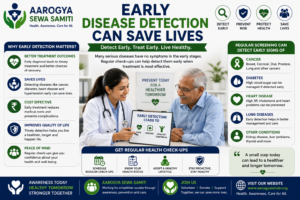
Early disease detection is an important part of maintaining good health. Many health conditions may develop without showing clear symptoms in their early stages. Regular health check-ups, appropriate screenings, and health awareness can help individuals understand their health and seek timely medical advice when necessary.
Preventive healthcare encourages people to take proactive steps toward their well-being instead of waiting for health problems to become serious. Aarogya Sewa Samiti promotes health awareness and encourages individuals and communities to understand the importance of early disease detection and regular healthcare.
Table of Contents
ToggleWhat Is Early Disease Detection?
Early disease detection means identifying a health condition at an early stage, sometimes before noticeable symptoms appear. Healthcare professionals may use medical examinations, screenings, or diagnostic tests to identify potential health concerns.
Early detection can help individuals:
- Understand potential health risks
- Seek timely medical advice
- Monitor changes in their health
- Make informed healthcare decisions
- Take appropriate preventive measures
Early detection does not guarantee prevention or cure, but it can provide an opportunity for timely evaluation and appropriate care.
Why Early Disease Detection Is Important
Some health conditions can become more difficult to manage when diagnosis is delayed. Identifying potential health concerns early may allow individuals to receive medical guidance sooner.
Early detection can help:
- Support timely medical intervention
- Identify potential health risks
- Encourage better health management
- Promote preventive care
- Reduce the possibility of delayed treatment
- Increase awareness of personal health needs
Regular healthcare and timely medical attention can play an important role in supporting long-term well-being.
How Early Detection Can Save Lives
Early detection can be especially important for certain serious health conditions. When a disease is identified at an earlier stage, healthcare professionals may have more opportunities to evaluate the condition and recommend suitable treatment or management.
For some diseases, early diagnosis may:
- Provide more treatment options
- Help prevent certain complications
- Support better disease management
- Improve the chances of successful treatment
- Help individuals make timely healthcare decisions
The benefits of early detection vary depending on the disease and individual circumstances. Therefore, people should consult qualified healthcare professionals for appropriate medical advice.
The Importance of Regular Health Check-ups
Regular health check-ups are an important part of preventive healthcare. A routine health check-up is an important part of preventive healthcare, and Aarogya Sewa Samiti encourages individuals to discuss their health with qualified healthcare professionals and take timely medical guidance.
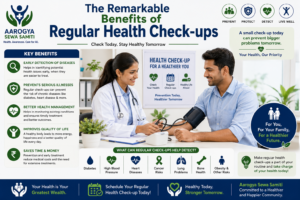
Depending on individual needs, a check-up may include:
- Blood pressure monitoring
- Blood sugar testing
- Cholesterol assessment
- Weight and BMI evaluation
- General physical examination
- Vision and dental assessments
- Recommended health screenings
The frequency and type of check-ups can vary based on age, family history, lifestyle, and individual health needs.
The Role of Health Screenings
Health screenings can help identify certain health risks or conditions before symptoms become noticeable. However, not every screening is suitable for everyone.
Healthcare professionals may recommend screenings based on:
- Age
- Family medical history
- Personal health history
- Lifestyle
- Existing health conditions
- Individual risk factors
Following appropriate screening recommendations can help individuals become more aware of their health and seek further evaluation when required.
Common Diseases That Need Early Detection
Early detection can be important for various health conditions, particularly those that may not show obvious symptoms in their early stages.
These may include:
- Diabetes
- High blood pressure
- High cholesterol
- Heart disease
- Certain types of cancer
- Thyroid disorders
- Kidney problems
- Osteoporosis
The need for specific screenings depends on individual health circumstances. A qualified healthcare professional can recommend appropriate tests and screenings.
Understanding Personal Health Risks
Every person has different health needs and risk factors. Age, genetics, family history, lifestyle, and existing medical conditions can all influence an individual’s health.
Understanding personal health risks can help people:
- Discuss concerns with healthcare professionals
- Follow suitable screening recommendations
- Adopt healthier lifestyle habits
- Monitor important health indicators
- Take appropriate preventive measures
Being aware of personal health risks can encourage a more proactive approach to healthcare.
Recognizing Early Warning Signs
Although some diseases may not show symptoms in their early stages, certain health conditions can cause noticeable changes. Paying attention to unusual or persistent changes in the body is important.
Possible warning signs may include:
- Unexplained weight changes
- Persistent tiredness
- Ongoing pain
- Unusual swelling or lumps
- Changes in vision
- Persistent digestive problems
- Difficulty breathing
- Unusual bleeding
- Significant changes in mood
These symptoms can have many possible causes. However, persistent or unusual symptoms should be discussed with a qualified healthcare professional.
Signs and Symptoms You Should Never Ignore
People should pay attention to significant changes in their health. Ignoring persistent symptoms may delay proper medical evaluation.
It is important to seek professional medical advice if you notice:
- Sudden or persistent changes in your health
- Unexplained pain
- Long-lasting fatigue
- Unusual bleeding
- Difficulty breathing
- Sudden changes in vision
- Unexplained lumps or swelling
Seeking medical advice does not necessarily mean that a serious condition is present. A healthcare professional can evaluate the symptoms and provide appropriate guidance.
The Role of Preventive Healthcare
Preventive healthcare focuses on protecting health and reducing potential risks before serious problems develop. It includes regular check-ups, appropriate screenings, vaccinations, healthy habits, and health education.
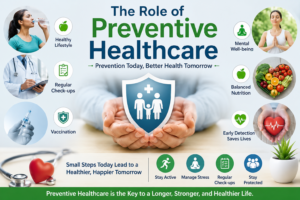
Preventive healthcare encourages individuals to:
- Attend regular health check-ups
- Follow recommended screenings
- Maintain a balanced diet
- Stay physically active
- Get adequate sleep
- Manage stress
- Avoid tobacco and harmful substances
Aarogya Sewa Samiti promotes preventive healthcare to encourage individuals and communities to become more aware of their health and adopt healthier habits.
How Health Awareness Supports Early Detection
Health awareness helps people understand the importance of taking care of their health. Awareness programs can educate communities about disease prevention, warning signs, healthy lifestyles, and timely medical care.
Aarogya Sewa Samiti promotes health awareness by encouraging individuals and communities to understand the importance of preventive healthcare and early disease detection.
When people have access to reliable health information, they may become more aware of potential health risks and more willing to seek appropriate medical advice.
Importance of Knowing Your Family Health History
Family health history can provide useful information about certain health risks. Some health conditions may be more common among family members, making it important to share relevant medical history with healthcare professionals.
Knowing your family health history can help you:
- Understand potential health risks
- Discuss appropriate screenings
- Make informed lifestyle choices
- Share important information with your healthcare provider
Keeping a record of significant health conditions in your family can be helpful during medical consultations.
Healthy Habits That Support Disease Prevention
Healthy lifestyle habits can contribute to overall well-being and support preventive healthcare.
Some healthy habits include:
- Eating a balanced and nutritious diet
- Staying physically active
- Maintaining a healthy weight
- Getting enough quality sleep
- Drinking adequate water
- Managing stress
- Practicing good hygiene
- Avoiding tobacco
- Limiting alcohol consumption
- Following professional healthcare advice
Small, consistent changes can help individuals develop healthier routines and support long-term wellness.
How Aarogya Sewa Samiti Promotes Health Awareness
Aarogya Sewa Samiti is committed to promoting health awareness and preventive healthcare within communities. Through community-focused initiatives, the organization encourages individuals and families to become more informed about their health.
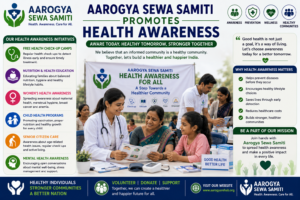
Its health awareness efforts can focus on:
- Preventive healthcare education
- Regular health check-up awareness
- Disease prevention
- Early detection awareness
- Healthy lifestyle guidance
- Nutrition awareness
- Mental health awareness
- Community wellness
Through these initiatives, Aarogya Sewa Samiti aims to encourage people to take proactive steps toward better health and informed healthcare decisions.
Simple Steps for Better Preventive Healthcare
Everyone can take simple steps to become more proactive about their health.
- Schedule regular health check-ups as recommended.
- Follow appropriate health screening guidelines.
- Know your family medical history.
- Maintain a balanced diet.
- Stay physically active.
- Get enough quality sleep.
- Manage stress in healthy ways.
- Avoid tobacco and harmful substances.
- Pay attention to unusual changes in your health.
- Seek professional medical advice when necessary.
These habits can support overall well-being and encourage a proactive approach to healthcare.
Conclusion
Early disease detection can play an important role in supporting better health outcomes. Regular health check-ups, preventive healthcare, and health awareness can help individuals understand their health and identify potential concerns at an earlier stage.
Through its focus on health awareness and preventive healthcare, Aarogya Sewa Samiti encourages individuals and communities to prioritize their well-being. By spreading awareness and promoting timely healthcare, we can work together toward healthier families, a healthier future.