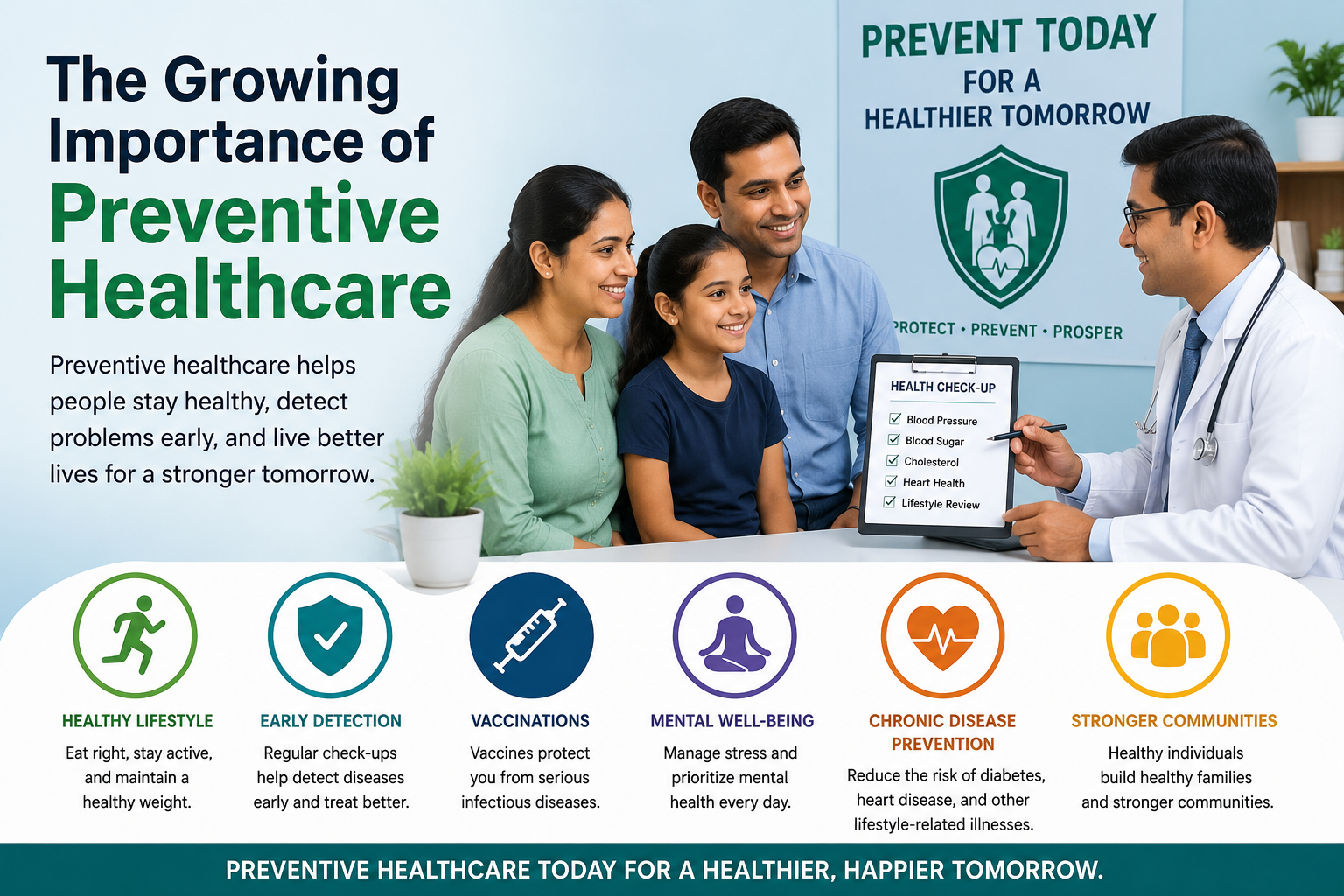
Preventive healthcare has become one of the most effective ways to improve public health and reduce the burden of diseases. Instead of waiting for an illness to develop, preventive healthcare focuses on maintaining good health through regular check-ups, vaccinations, healthy lifestyle choices, early screenings, and health education. As lifestyle-related diseases continue to rise, preventive healthcare is no longer an option—it is a necessity. Organizations like Aarogya Sewa Samiti are helping communities understand the importance of prevention through health awareness programs, free medical camps, rehabilitation services, and community wellness initiatives.
What Is Preventive Healthcare?
Preventive healthcare refers to medical care and healthy practices that help prevent diseases before they occur. It focuses on protecting physical, mental, and emotional well-being through regular monitoring, education, and healthy habits.
Preventive healthcare includes:
- Regular health check-ups
- Vaccinations and immunization
- Health screenings
- Healthy eating habits
- Daily physical activity
- Mental health support
- Good hygiene practices
- Health awareness and education
These simple yet effective measures can significantly reduce the chances of developing serious illnesses.
Why Preventive Healthcare Is More Important Than Ever
Modern lifestyles have increased the risk of several health conditions such as diabetes, hypertension, obesity, heart disease, and stress-related disorders. Many of these diseases develop slowly and may not show symptoms during the early stages. Preventive healthcare initiatives by Aarogya Sewa Samiti help individuals understand the importance of early detection, regular health check-ups, healthy lifestyle choices, and disease prevention.
Preventive healthcare helps people:
- Detect diseases at an early stage.
- Reduce healthcare expenses.
- Improve life expectancy.
- Maintain physical and mental fitness.
- Prevent complications through timely treatment.
Early prevention not only benefits individuals but also reduces pressure on healthcare systems and creates healthier communities.
Key Benefits of Preventive Healthcare
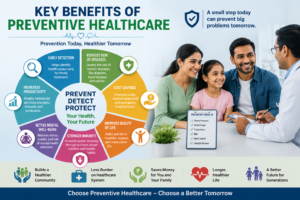
1. Early Detection of Diseases
Routine health screenings help identify health issues before they become serious. Early diagnosis often leads to more effective treatment and better recovery outcomes.
2. Reduced Medical Expenses
Preventing illness is generally more affordable than treating advanced diseases. Regular check-ups and healthy habits can help avoid expensive hospitalizations and long-term treatments.
3. Better Quality of Life
People who adopt preventive healthcare practices often experience higher energy levels, better physical fitness, improved mental health, and greater overall well-being.
4. Increased Life Expectancy
Healthy lifestyle choices and timely medical care can lower the risk of chronic diseases and contribute to a longer, healthier life.
5. Stronger Families and Communities
When individuals prioritize prevention, they inspire healthier habits within their families and communities, creating a positive ripple effect.
Essential Preventive Healthcare Practices
Regular Health Check-ups
Routine medical examinations help monitor blood pressure, blood sugar, cholesterol levels, and overall health. Regular check-ups enable doctors to identify potential health concerns before they become severe.
Healthy Nutrition
A balanced diet rich in fruits, vegetables, whole grains, lean proteins, and healthy fats supports immunity and reduces the risk of chronic diseases.
Daily Physical Activity
Engaging in at least 30 minutes of moderate exercise each day improves heart health, strengthens muscles, boosts mental well-being, and helps maintain a healthy weight.
Vaccination
Vaccines protect children and adults from infectious diseases and remain one of the most successful preventive healthcare measures worldwide.
Mental Health Care
Managing stress, getting adequate sleep, practicing mindfulness, and seeking professional support when needed are essential parts of preventive healthcare.
Good Personal Hygiene
Simple habits like regular handwashing, safe food preparation, oral hygiene, and maintaining clean surroundings reduce the spread of infections.
The Role of Health Awareness in Disease Prevention
Health awareness encourages people to make informed decisions about their well-being. Health awareness encourages people to make informed decisions about their well-being by providing accurate information about healthy lifestyles, disease prevention, and the importance of early medical care. When individuals understand the causes, symptoms, and risk factors of common diseases, they are more likely to adopt healthy habits that reduce their chances of becoming ill.
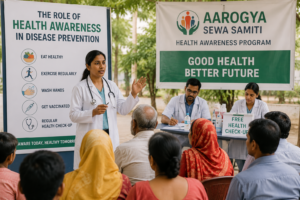
Educational campaigns help individuals understand:
- Common disease risk factors
- Healthy lifestyle choices
- Importance of regular screenings
- Benefits of vaccination
- Mental health awareness
- Nutrition and fitness
Communities that receive continuous health education are more likely to adopt healthier lifestyles and seek timely medical care.
How Preventive Healthcare Benefits Communities
Preventive healthcare plays a crucial role in building healthier, safer, and more resilient communities. By focusing on disease prevention rather than treatment, communities can reduce the spread of illnesses, improve overall well-being, and create a healthier environment for people of all ages.
Community-wide benefits include:
- Lower healthcare costs
- Reduced spread of infectious diseases
- Improved maternal and child health
- Increased workplace productivity
- Better quality of life
- Stronger public health systems
Investing in prevention today leads to healthier generations tomorrow.
How Aarogya Sewa Samiti Promotes Preventive Healthcare
Aarogya Sewa Samiti believes that awareness and early intervention are the foundations of a healthy society. Through its community-focused initiatives, the organization works to improve public health and encourage preventive healthcare practices across different communities.
Its key initiatives include:
- Organizing free medical and health screening camps.
- Conducting health awareness and education programs.
- Promoting nutrition and healthy lifestyle practices.
- Supporting mental health awareness initiatives.
- Encouraging regular health check-ups and early diagnosis.
- Providing rehabilitation and wellness support for individuals in need.
- Collaborating with healthcare professionals to improve community well-being.
By empowering people with knowledge and access to healthcare services, Aarogya Sewa Samiti helps individuals make healthier choices and prevent diseases before they become serious.
Simple Tips to Practice Preventive Healthcare Every Day
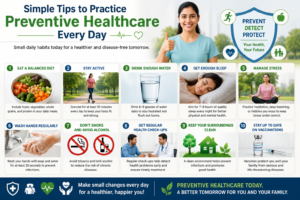
You don’t need major lifestyle changes to improve your health. Start with these simple habits:
- Eat nutritious, home-cooked meals.
- Exercise for at least 30 minutes daily.
- Drink enough water throughout the day.
- Sleep 7–8 hours every night.
- Avoid tobacco, alcohol, and substance abuse.
- Manage stress through yoga or meditation.
- Wash your hands regularly.
- Schedule annual health check-ups.
- Stay up to date with recommended vaccinations.
- Encourage your family to adopt healthy habits together.
Small daily actions can lead to lifelong health benefits.
Conclusion
The growing importance of preventive healthcare highlights the need to focus on prevention rather than treatment. Regular health check-ups, healthy lifestyle choices, vaccinations, mental wellness, and health awareness are essential for reducing the risk of disease and improving overall quality of life.
By working together, individuals, healthcare professionals, and organizations can create healthier communities where prevention becomes a way of life. Aarogya Sewa Samiti remains committed to promoting preventive healthcare through awareness, education, community outreach, and accessible healthcare initiatives. Together, we can build a healthier future for everyone.