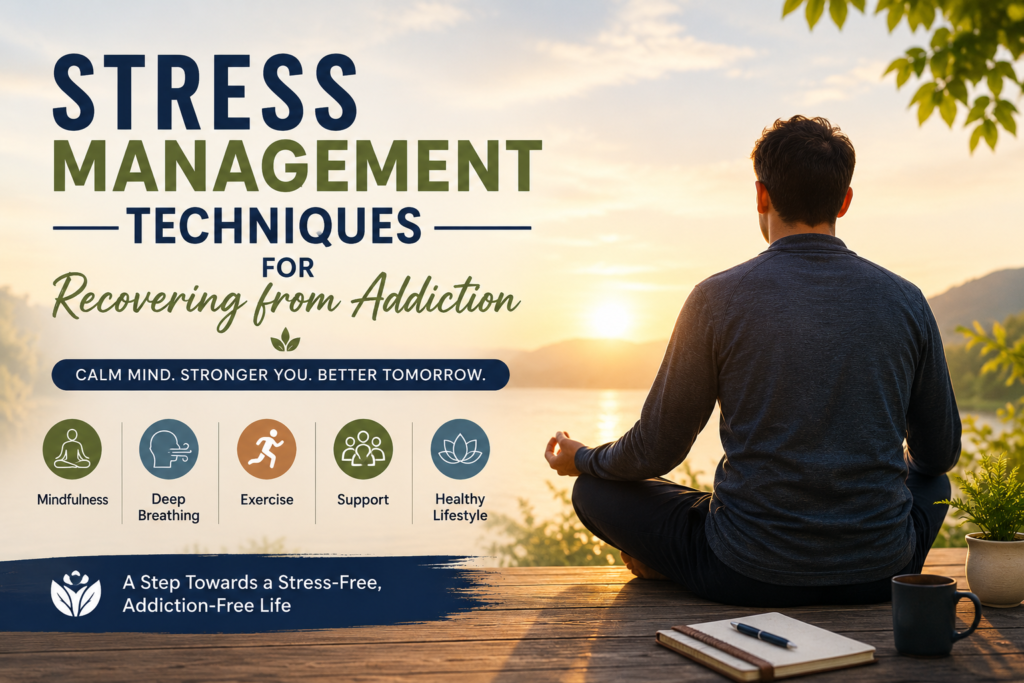
Recovering from addiction is a journey of healing that involves rebuilding both physical and emotional health. One of the biggest challenges during this process is learning how to manage stress without relying on alcohol or drugs. Stress is a natural part of life, but if it is not handled in healthy ways, it can increase cravings and the risk of relapse. Understanding Stress Management Techniques for Recovering from Addiction helps individuals stay focused on recovery, improve emotional well-being, and build a healthier future. At Aarogya Rehab, operated by Aarogya Sewa Samiti, stress management is an important part of personalized rehabilitation programs that support long-term recovery.
Why Stress Management Is Important During Recovery
Stress affects both the mind and body. During addiction recovery, emotional pressure can feel stronger because individuals are learning to cope without substances. If stress is ignored, it may lead to anxiety, depression, poor decision-making, and relapse.
Learning Stress Management Techniques for Recovering from Addiction helps individuals remain emotionally balanced and confident while facing daily challenges.
Benefits of effective stress management include:
- Reduced cravings.
- Better emotional health.
- Improved concentration.
- Stronger self-confidence.
- Healthier relationships.
- Better sleep quality.
- Lower relapse risk.
At Aarogya Rehab, patients are encouraged to develop healthy coping strategies that support lifelong recovery.
Common Sources of Stress During Addiction Recovery
Stress can come from many different situations during recovery. Identifying these sources helps individuals prepare healthy responses before stress becomes overwhelming.
Common stress triggers include:
- Financial difficulties.
- Family conflicts.
- Workplace pressure.
- Relationship challenges.
- Fear of relapse.
- Social expectations.
- Health concerns.
- Lifestyle changes.
Recognizing personal stress triggers is the first step toward managing them successfully.
Understanding the Connection Between Stress and Relapse
Stress is one of the leading causes of relapse because emotional discomfort may trigger memories of past substance use. Without healthy coping skills, individuals may feel tempted to return to alcohol or drugs for temporary relief.
Professional rehabilitation teaches patients how to respond differently by replacing harmful habits with positive coping techniques. Learning to manage stress effectively strengthens emotional resilience and supports long-term sobriety.
Professional Assessment Creates a Personalized Plan
Every individual experiences stress differently. Before beginning treatment, healthcare professionals perform a detailed assessment to understand each person’s physical health, emotional well-being, addiction history, and recovery goals.
The assessment may include:
- Medical evaluation.
- Mental health screening.
- Substance use history.
- Emotional wellness assessment.
- Lifestyle evaluation.
- Recovery planning.
At Aarogya Rehab, personalized treatment plans help individuals develop practical stress-management strategies that fit their unique needs.
Counseling Helps Reduce Emotional Pressure
Professional counseling provides a safe and supportive environment where individuals can openly discuss their fears, worries, and emotional challenges. Talking with a trained therapist helps patients understand their thoughts while learning healthier ways to respond to stressful situations.
Counseling helps individuals:
- Identify emotional triggers.
- Build healthy coping skills.
- Improve self-confidence.
- Strengthen communication.
- Develop problem-solving abilities.
- Stay motivated throughout recovery.
These skills make everyday challenges easier to manage without turning to addictive substances.

“Professional Counselor Supporting a Recovering Patient During Therapy”
Building a Strong Foundation for Recovery
Recovery is not about avoiding stress completely—it is about learning how to handle stress in healthy and positive ways. Every new coping skill strengthens emotional resilience and reduces the risk of relapse.
At Aarogya Rehab, managed by Aarogya Sewa Samiti, compassionate professionals guide patients through every stage of recovery by providing counseling, emotional support, wellness activities, and practical stress-management techniques that encourage lifelong healing.
Practicing Relaxation Techniques Every Day
Relaxation techniques help calm the mind and reduce physical tension. They are simple to practice and can be used whenever stress begins to build. Making these techniques part of a daily routine improves emotional balance and supports long-term recovery.
Helpful relaxation methods include:
- Deep breathing exercises.
- Progressive muscle relaxation.
- Guided meditation.
- Gentle stretching.
- Listening to calming music.
- Spending quiet time in nature.
These activities lower stress levels and help individuals respond to difficult situations with greater confidence.
Exercise Improves Mental and Physical Health
Regular physical activity is one of the most effective ways to reduce stress during addiction recovery. Exercise releases natural chemicals in the brain that improve mood, reduce anxiety, and increase energy levels.
Simple forms of exercise include:
- Walking.
- Jogging.
- Cycling.
- Swimming.
- Yoga.
- Light strength training.
Even 30 minutes of daily physical activity can improve emotional well-being while helping individuals maintain a healthy lifestyle throughout recovery.
Mindfulness Helps Control Stress
Mindfulness teaches individuals to focus on the present moment instead of worrying about the past or future. This practice reduces anxiety, improves concentration, and helps people respond calmly to emotional challenges.
Mindfulness activities include:
- Meditation.
- Guided breathing.
- Mindful walking.
- Gratitude journaling.
- Quiet reflection.
At Aarogya Rehab, mindfulness practices are included in rehabilitation programs to help patients strengthen emotional resilience and improve overall mental wellness.
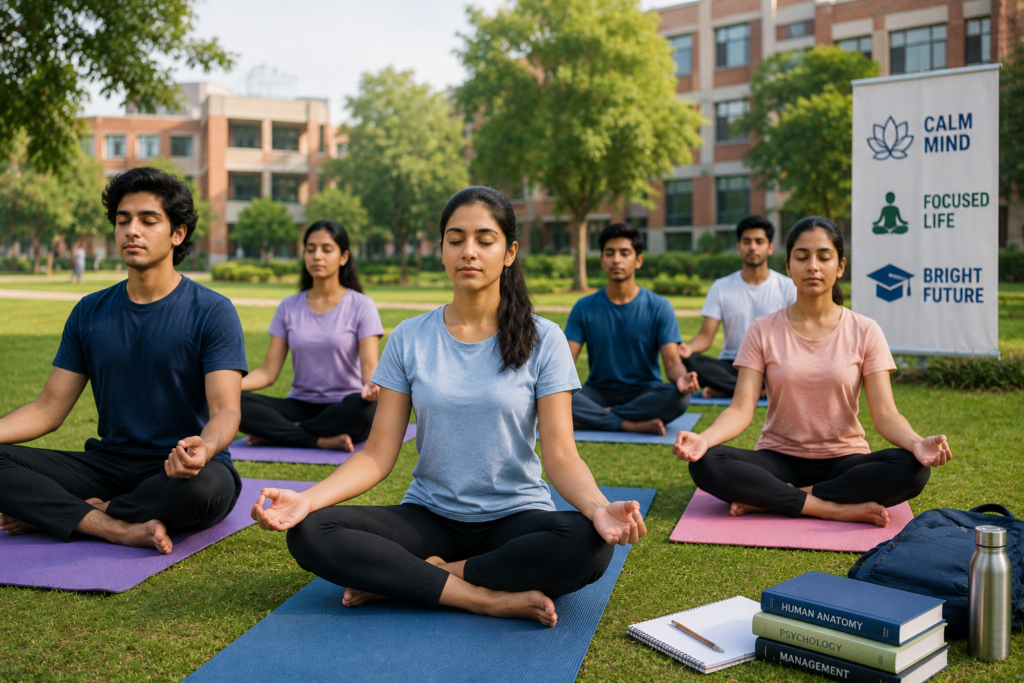
“Healthy stress management reduces the risk of substance abuse”
Healthy Lifestyle Habits Reduce Daily Stress
A healthy routine plays a major role in managing stress and maintaining recovery. Positive daily habits improve physical health, support emotional stability, and reduce the likelihood of relapse.
Healthy lifestyle practices include:
- Eating nutritious meals.
- Drinking enough water.
- Maintaining regular sleep schedules.
- Limiting caffeine intake.
- Spending time outdoors.
- Building supportive friendships.
- Avoiding unhealthy environments.
These habits create a strong foundation for lasting recovery.
Family Support Makes Recovery Stronger
Recovering from addiction becomes easier when family members provide encouragement and understanding. Open communication helps reduce emotional pressure while creating a safe and supportive home environment.
Family counseling helps:
- Rebuild trust.
- Improve communication.
- Resolve misunderstandings.
- Encourage healthy boundaries.
- Strengthen emotional support.
At Aarogya Rehab, operated by Aarogya Sewa Samiti, family participation is encouraged because supportive relationships play an important role in reducing stress and promoting long-term recovery.
Time Management Reduces Overwhelming Feelings
Poor time management often increases stress and frustration. Learning to organize daily responsibilities helps individuals feel more confident and in control.
Helpful time-management strategies include:
- Setting realistic daily goals.
- Following a structured routine.
- Prioritizing important tasks.
- Taking regular breaks.
- Avoiding unnecessary pressure.
- Celebrating small achievements.
A balanced routine helps individuals stay focused on recovery while reducing emotional exhaustion.
Preventing Relapse Through Healthy Coping Skills
Stress cannot always be avoided, but healthy coping skills make it easier to face life’s challenges without returning to alcohol or drugs. Patients learn how to recognize early warning signs, manage cravings, and seek support before stress becomes overwhelming.
At Aarogya Rehab, rehabilitation programs include relapse prevention education that teaches practical coping strategies, emotional awareness, and confidence-building techniques for lifelong recovery.
Every Healthy Choice Builds a Better Future
Managing stress is a lifelong skill that grows stronger with practice. Every positive habit, counseling session, mindfulness exercise, and supportive relationship helps individuals become more resilient. With professional guidance and compassionate care from Aarogya Rehab and Aarogya Sewa Samiti, patients gain the confidence to manage stress effectively and continue moving toward a healthier, addiction-free future.
The Importance of Aftercare
Recovery is an ongoing journey that continues after completing a rehabilitation program. Long-term success depends on continued guidance, emotional support, and healthy daily habits. Aftercare helps individuals maintain the progress achieved during treatment while reducing the risk of relapse.
Common aftercare services include:
- Regular counseling sessions.
- Recovery support groups.
- Family follow-up meetings.
- Mental health monitoring.
- Wellness programs.
- Lifestyle coaching.
- Relapse prevention reviews.
At Aarogya Rehab, aftercare is an important part of rehabilitation because consistent support helps individuals stay motivated, emotionally balanced, and committed to lifelong recovery.
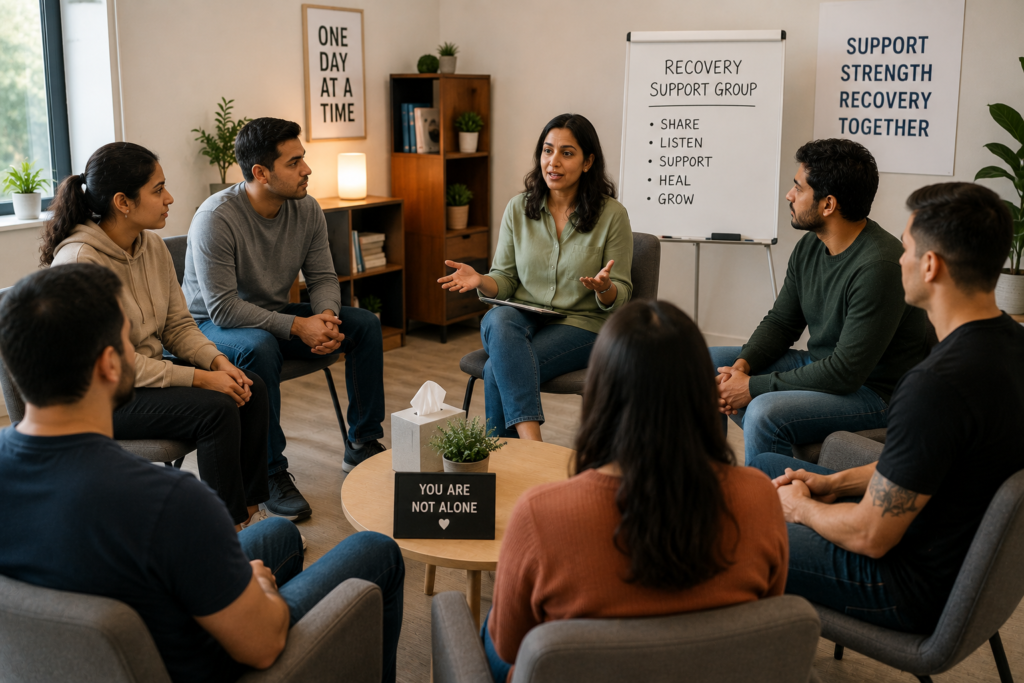
“Healing is easier when no one walks the journey alone. Group counseling encourages connection, resilience, and lasting recovery”
Choosing the Right Rehabilitation Centre
Selecting the right rehabilitation centre is one of the most important decisions in the recovery journey. A trusted centre should provide comprehensive care that focuses on addiction recovery, mental wellness, and overall personal growth.
When choosing a rehabilitation centre, consider:
- Experienced doctors and therapists.
- Safe medical detoxification.
- Personalized treatment plans.
- Mental health care.
- Family counseling programs.
- Wellness and holistic therapies.
- Relapse prevention education.
- Long-term aftercare support.
Aarogya Rehab, operated by Aarogya Sewa Samiti, provides compassionate and evidence-based rehabilitation services designed to help individuals recover safely while building healthier lifestyles. Every treatment plan is personalized to support lasting physical, emotional, and mental well-being.
Building a Stress-Free Lifestyle After Recovery
Managing stress does not end when rehabilitation is completed. Continuing healthy routines allows individuals to handle everyday challenges with confidence instead of returning to substance use.
Helpful long-term habits include:
- Maintaining a daily routine.
- Practicing mindfulness regularly.
- Exercising consistently.
- Staying connected with supportive family and friends.
- Attending follow-up counseling sessions.
- Setting realistic personal goals.
- Celebrating recovery milestones.
These habits strengthen emotional resilience while promoting lifelong recovery and improved quality of life.
Conclusion
Stress Management Techniques for Recovering from Addiction are essential for achieving lasting recovery and maintaining emotional well-being. While stress is a natural part of life, learning healthy ways to manage it reduces the risk of relapse and helps individuals respond positively to challenges. Professional counseling, mindfulness, physical activity, healthy routines, family support, and aftercare all contribute to building emotional strength and confidence.
At Aarogya Rehab, operated by Aarogya Sewa Samiti, patients receive compassionate, personalized rehabilitation that focuses on both addiction recovery and mental wellness. Through evidence-based treatment, stress management education, wellness activities, and ongoing support, individuals are empowered to rebuild their lives and enjoy a healthier future.
Recovery is not about avoiding life’s challenges—it is about developing the strength, knowledge, and resilience to overcome them. With professional guidance and personal commitment, every individual has the opportunity to achieve a happy, healthy, and addiction-free life.