
The field of Drug Rehabilitation, has changed significantly over the past few decades. What was once viewed as a simple process of helping individuals stop using drugs has evolved into a comprehensive system that addresses physical health, mental well-being, emotional healing, family relationships, and long-term recovery.
As society gains a deeper understanding of addiction, the future of Drug Rehabilitation, continues to move toward more personalized, compassionate, and effective treatment methods. Modern recovery programs are focusing not only on helping people overcome substance abuse but also on empowering them to build healthier and more meaningful lives.
At Aarogya Sewa Samiti in Dehradun, we believe that the future of Drug Rehabilitation, lies in combining evidence-based treatment, holistic wellness, family support, and ongoing recovery care. By embracing innovative approaches while maintaining a human-centered focus, rehabilitation services can help individuals achieve lasting recovery and renewed hope.
Understanding the Evolution of Drug Rehabilitation
How Drug Rehabilitation Has Changed Over Time
In the past, addiction was often misunderstood. Many people believed substance abuse was simply a matter of poor choices or lack of willpower.
Today, research shows that addiction is a complex condition involving changes in brain function, behavior, emotional health, and social environments. As a result, modern Drug Rehabilitation, focuses on treating the whole person rather than just the addiction itself.
This shift has improved treatment outcomes and opened new opportunities for recovery.
Why the Future of Drug Rehabilitation Looks Promising
The future of Drug Rehabilitation, is promising because treatment approaches continue to become more individualized and comprehensive.
Future rehabilitation programs are expected to provide:
- Greater personalization
- Improved mental health support
- Better family involvement
- Enhanced relapse prevention
- Holistic wellness therapies
- Stronger aftercare programs
These developments can help individuals achieve sustainable recovery and improved quality of life.
Personalized Drug Rehabilitation Programs
Individualized Treatment Plans
One of the most important trends in Drug Rehabilitation, is personalization.
Every individual experiences addiction differently. Factors such as age, health, addiction history, mental health conditions, and personal goals influence treatment needs.
Future rehabilitation programs will continue to focus on creating customized treatment plans that address each person’s unique circumstances.
Flexible Recovery Pathways
Modern Drug Rehabilitation, recognizes that recovery is not the same for everyone.
Flexible treatment options may include:
- Inpatient care
- Outpatient services
- Family-based programs
- Long-term recovery support
- Specialized counseling
Personalized care increases engagement and improves recovery outcomes.
Drug Detoxification in the Future of Drug Rehabilitation
Improving Drug Detoxification Services
Drug Detoxification, remains the first step in many treatment programs.
As addiction treatment advances, Drug Detoxification services are becoming safer, more comfortable, and more effective.
Future improvements may include:
- Enhanced medical monitoring
- Better withdrawal management
- Personalized detox protocols
- Greater emotional support during detox
These advancements help individuals begin recovery with greater confidence.
Integrating Detox With Ongoing Care
The future of Drug Rehabilitation, emphasizes seamless transitions from detoxification into counseling, therapy, and rehabilitation programs.
This integrated approach reduces treatment gaps and supports long-term success.
Mental Health and the Future of Drug Rehabilitation
Addressing Co-Occurring Conditions
Many people seeking Drug Rehabilitation also struggle with:
- Anxiety
- Depression
- Trauma
- Stress-related disorders
Future rehabilitation programs will continue integrating mental health care into addiction treatment.
By addressing both addiction and mental health concerns simultaneously, recovery outcomes can improve significantly.
Emotional Wellness as a Core Treatment Goal
The future of Drug Rehabilitation, places greater emphasis on emotional well-being.
Individuals will receive support to:
- Build self-confidence
- Improve emotional regulation
- Develop healthy coping skills
- Strengthen resilience
Emotional healing plays a critical role in preventing relapse and promoting long-term recovery.
Technology and Drug Rehabilitation
Digital Support Tools
Technology is becoming an important component of modern Drug Rehabilitation.
Digital tools may include:
- Recovery tracking applications
- Virtual counseling sessions
- Online support groups
- Educational resources
- Progress monitoring systems
These tools can improve accessibility and help individuals stay connected to recovery support.
Telehealth Services
Telehealth has expanded access to addiction treatment.
Future Drug Rehabilitation, programs may increasingly offer virtual counseling and recovery support services for individuals who cannot attend in-person sessions regularly.

Holistic Approaches in Drug Rehabilitation
Treating the Whole Person
Holistic care is becoming a key feature of modern Drug Rehabilitation.
Future programs will likely continue incorporating:
- Yoga
- Meditation
- Mindfulness
- Physical fitness
- Nutritional guidance
- Stress management techniques
These approaches support both physical and emotional wellness.
Wellness-Focused Recovery
The future of Drug Rehabilitation,goes beyond avoiding substance use.
Treatment programs increasingly focus on helping individuals create fulfilling lifestyles that support long-term health and happiness.
Family Involvement in Drug Rehabilitation
Stronger Family Participation
Family support remains one of the most important factors in successful recovery.
Future Drug Rehabilitation, programs will continue emphasizing:
- Family counseling
- Addiction education
- Communication skills training
- Relationship rebuilding
Families play a valuable role in helping individuals maintain recovery.
Creating Supportive Environments
Rehabilitation professionals increasingly recognize the importance of supportive home environments.
Healthy family relationships can improve treatment outcomes and reduce relapse risks.
Relapse Prevention in the Future of Drug Rehabilitation
Advanced Recovery Planning
Relapse prevention is a critical part of Drug Rehabilitation.
Future treatment programs will continue developing personalized strategies that help individuals:
- Identify triggers
- Manage cravings
- Handle stress effectively
- Maintain healthy routines
These strategies strengthen recovery and improve long-term success.
Continuous Recovery Support
The future of Drug Rehabilitation, involves ongoing support beyond initial treatment.
Recovery services may include:
- Aftercare counseling
- Peer support groups
- Recovery coaching
- Wellness check-ins
Long-term support helps individuals stay focused on recovery goals.
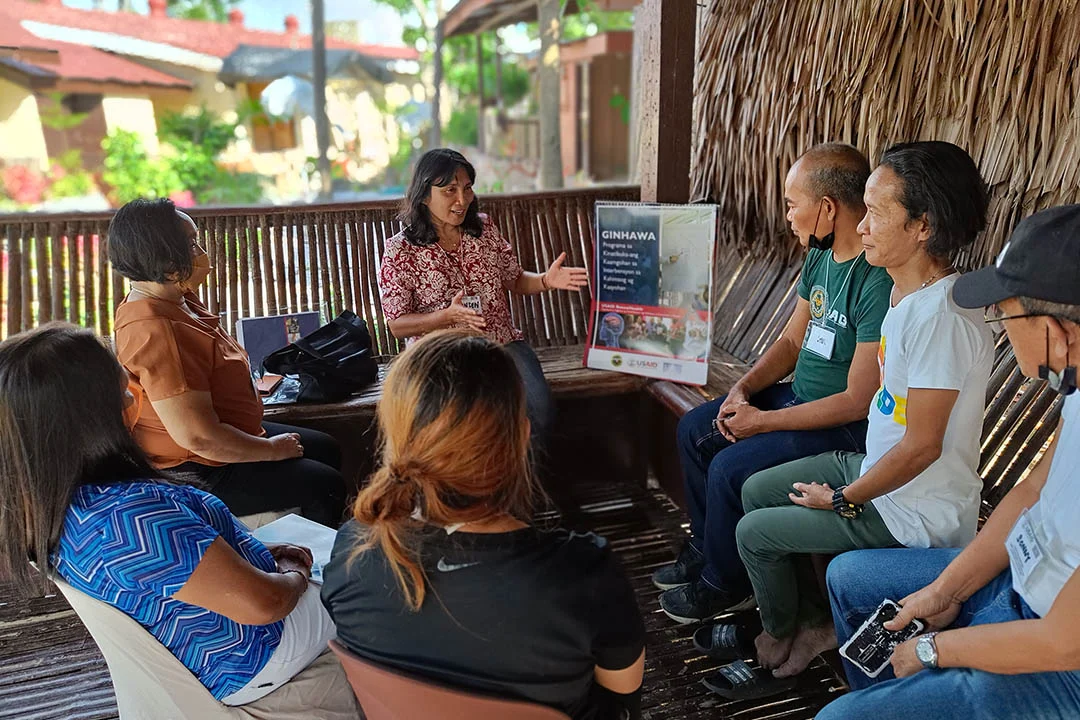
Community-Based Drug Rehabilitation
Building Recovery-Friendly Communities
Communities play an important role in addiction recovery.
Future Drug Rehabilitation, efforts may involve greater collaboration between healthcare providers, families, schools, workplaces, and community organizations.
These partnerships can create supportive environments that encourage recovery.
Reducing Stigma Around Addiction
As awareness grows, society is becoming more accepting of addiction as a treatable condition.
Reducing stigma encourages more individuals to seek professional help and participate in Drug Rehabilitation, programs.
A Message for Drug Rehabilitation
Recovery is not defined by the challenges of the past but by the possibilities of the future.
Choosing Drug Rehabilitation, is an investment in health, relationships, personal growth, and long-term well-being. Every step toward treatment demonstrates courage and determination.
No matter how difficult addiction may seem, recovery is possible with professional guidance, family support, and a commitment to change.
A Message for Drug Detoxification
Drug Detoxification often represents the beginning of a new chapter.
While the process may feel overwhelming, professional detoxification services provide safety, support, and medical care during withdrawal. Completing detox creates a strong foundation for ongoing treatment and lasting recovery.
Seeking help is one of the strongest decisions a person can make.
How Aarogya Sewa Samiti Supports the Future of Drug Rehabilitation
At Aarogya Sewa Samiti in Dehradun, we are committed to providing modern, compassionate, and comprehensive Drug Rehabilitation, services.
Our approach includes:
- Drug Detoxification Programs
- Personalized Treatment Plans
- Counseling and Therapy
- Mental Health Support
- Family Counseling
- Relapse Prevention Strategies
- Holistic Wellness Programs
- Long-Term Recovery Support
Frequently Asked Questions (FAQs)
What is Drug Rehabilitation?
Drug Rehabilitation, is a structured treatment process that helps individuals recover from addiction through counseling, therapy, detoxification, and long-term support.
Why is Drug Detoxification important?
Drug Detoxification removes harmful substances from the body and prepares individuals for further treatment and recovery.
What makes modern Drug Rehabilitation different?
Modern Drug Rehabilitation, focuses on personalized care, mental health support, family involvement, and holistic recovery methods.
Can technology improve addiction treatment?
Yes. Digital tools, telehealth services, and virtual support programs can improve access to recovery resources and ongoing care.
Why is mental health support important in rehabilitation?
Many individuals struggling with addiction also experience anxiety, depression, or trauma. Addressing mental health improves recovery outcomes.
Is family involvement beneficial?
Yes. Family participation often strengthens recovery, improves communication, and helps create supportive environments.
What role does relapse prevention play?
Relapse prevention helps individuals identify triggers, manage cravings, and maintain healthy habits that support long-term recovery.
Helpful Resources
For additional information about addiction treatment and recovery:
- World Health Organization (WHO): https://www.who.int/health-topics/substance-abuse
- National Institute on Drug Abuse (NIDA): https://nida.nih.gov
- United Nations Office on Drugs and Crime (UNODC): https://www.unodc.org
“The future of Drug Rehabilitation, is being shaped by ongoing research and evidence-based treatment approaches. According to the World Health Organization (WHO), substance use disorders require comprehensive treatment strategies that address physical, psychological, and social factors.”
Adding these external links near the middle or end of your article will strengthen credibility, improve user experience, and help meet SEO best practices.
Conclusion
The future of Drug Rehabilitation, is moving toward more personalized, compassionate, and comprehensive care. By combining Drug Detoxification, mental health support, family involvement, holistic wellness practices, and long-term recovery planning, treatment providers can help individuals achieve lasting success.
As addiction treatment continues to evolve, the focus remains clear: supporting individuals as they heal, grow, and rebuild their lives. At Aarogya Sewa Samiti in Dehradun, we remain the Best Rehab Centre in Dehradun, dedicated to providing forward-thinking Drug Rehabilitation, services that empower individuals to embrace recovery and create a brighter future.