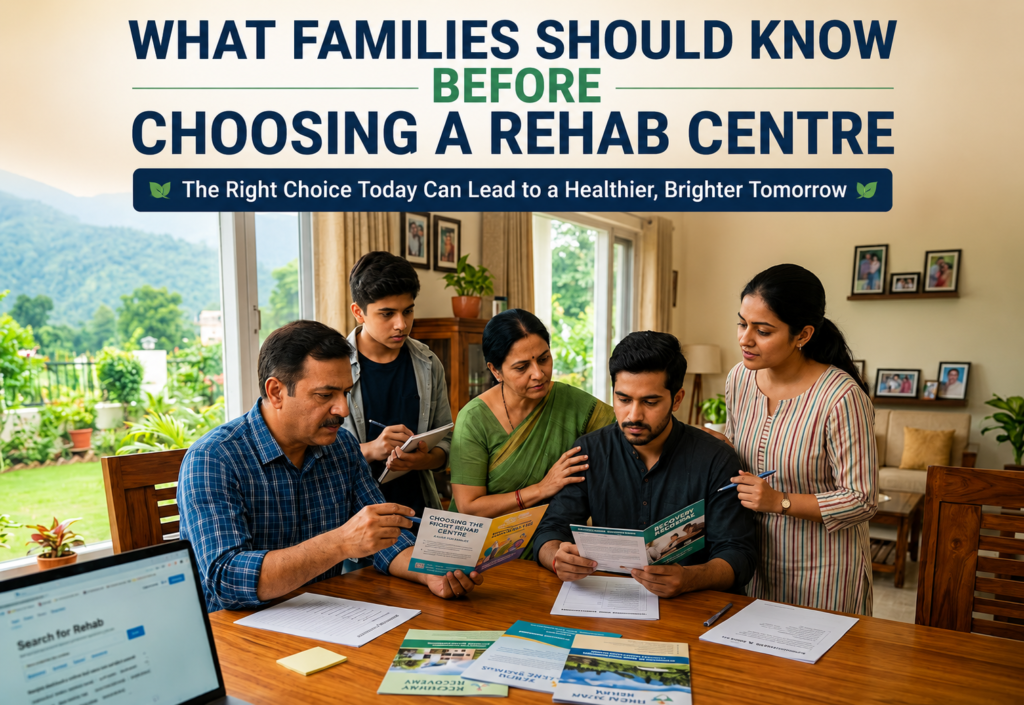
Choosing the right rehabilitation centre is one of the most important decisions a family can make when a loved one is struggling with addiction. The quality of treatment, level of care, and support provided by the facility can significantly influence the recovery journey.
Many families feel overwhelmed when searching for treatment options. With numerous rehabilitation centres available, understanding what to look for can help families make informed decisions that support long-term recovery.
Organizations such as Aarogya Rehab, operating under Aarogya Sewa Samiti Dehradun, emphasize comprehensive treatment, professional care, and family involvement throughout the recovery process.
Why Choosing the Right Rehab Centre Matters
Addiction affects physical health, mental well-being, relationships, and daily functioning. Effective treatment requires more than simply stopping substance use.
A professional rehabilitation centre provides a structured environment where individuals can receive medical care, counseling, therapy, and ongoing support.
The right facility helps patients:
- Overcome physical dependence
- Address emotional challenges
- Learn healthy coping skills
- Prevent relapse
- Rebuild confidence and self-esteem
Selecting a centre carefully can improve the chances of successful long-term recovery.
Understand the Individual’s Treatment Needs
Every person experiences addiction differently. Some individuals may require medical detoxification, while others need intensive counseling or mental health support.
Before selecting a rehabilitation centre, families should consider:
- Type of addiction
- Severity of substance use
- Mental health conditions
- Medical history
- Previous treatment experiences
A personalized treatment plan often produces better outcomes than a one-size-fits-all approach.
Check for Professional Medical Supervision
One of the most important factors when choosing a rehab centre is medical supervision. Withdrawal symptoms can sometimes be physically and emotionally challenging.
Professional medical support helps ensure safety during detoxification and early recovery.
Families should ask whether the facility provides:
- Medical monitoring
- Detoxification services
- Emergency care support
- Qualified healthcare professionals
- Medication management when required
Proper medical supervision helps reduce complications and improves patient comfort.
Look for Evidence-Based Treatment Methods
Modern addiction treatment is most effective when based on scientific research and proven therapeutic approaches.
Families should look for centres that provide evidence-based therapies such as:
- Cognitive Behavioral Therapy (CBT)
- Individual counseling
- Group therapy
- Family therapy
- Relapse prevention programs
- Life skills training
These approaches help individuals understand addiction, develop coping strategies, and maintain long-term recovery.
The Importance of Mental Health Support
Addiction and mental health often go hand in hand. Conditions such as anxiety, depression, trauma, and stress can contribute to substance abuse.
An effective rehabilitation centre should address both addiction and mental health concerns.
Key mental health services may include:
- Psychological assessments
- Individual therapy sessions
- Emotional support programs
- Stress management training
- Dual diagnosis treatment
Addressing underlying mental health challenges can improve treatment outcomes and reduce relapse risks.
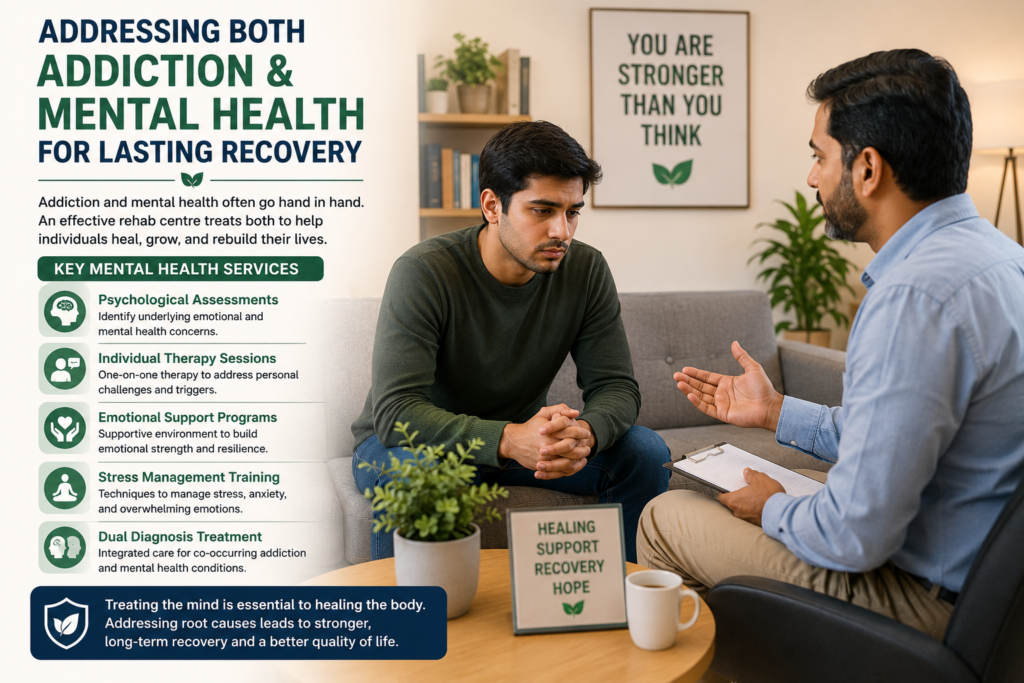
“Professional therapy sessions help individuals address emotional challenges, develop coping skills, and strengthen recovery outcomes”
Evaluate the Treatment Environment
The treatment environment plays an important role in recovery. A calm, safe, and supportive setting allows individuals to focus fully on healing.
When evaluating a rehabilitation centre, families should consider:
- Cleanliness
- Safety measures
- Comfortable accommodations
- Privacy
- Peaceful surroundings
A positive environment can enhance motivation and create a stronger sense of stability during treatment.
Family Involvement Is Essential
Addiction affects the entire family, not just the individual seeking treatment. Family participation often improves recovery outcomes and strengthens support systems.
Many successful rehabilitation programs encourage family involvement through counseling and education.
Benefits of family participation include:
- Better communication
- Rebuilding trust
- Understanding addiction
- Creating healthy boundaries
- Strengthening support networks
At Aarogya Rehab, family engagement is considered an important part of the recovery process.
Ask About Individualized Treatment Plans
No two individuals have the same recovery journey. Effective rehabilitation centres recognize this and create customized treatment plans.
Personalized care may include:
- Individual therapy goals
- Customized counseling schedules
- Specialized support services
- Mental health interventions
- Relapse prevention planning
Tailored treatment allows patients to receive support that addresses their specific needs and challenges.
Understand the Importance of Detoxification
For many individuals, detoxification is the first step toward recovery. Detox helps remove harmful substances from the body while managing withdrawal symptoms.
Families should understand that detox alone is not enough to achieve long-term recovery.
A complete rehabilitation program combines detoxification with:
- Counseling
- Therapy
- Behavioral treatment
- Recovery education
- Aftercare planning
This comprehensive approach supports lasting recovery.
Check Staff Qualifications and Experience
Qualified professionals are a critical component of successful addiction treatment.
Families should inquire about the credentials and experience of:
- Doctors
- Psychologists
- Counselors
- Therapists
- Support staff
Experienced professionals can better identify challenges, develop treatment strategies, and guide patients through recovery.
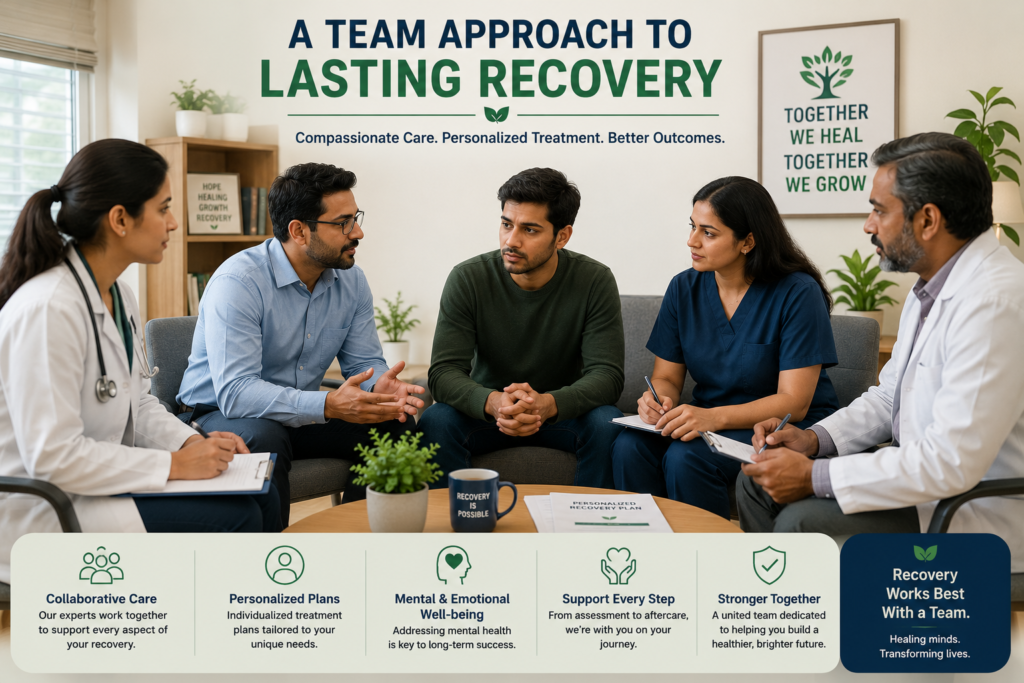
“Counselor Supporting a Patient During Therapy”
Learn About Relapse Prevention Programs
Recovery continues even after formal treatment ends. Relapse prevention programs help individuals maintain sobriety and handle challenges effectively.
Effective relapse prevention strategies often include:
- Trigger identification
- Stress management techniques
- Coping skill development
- Support group participation
- Ongoing counseling
Families should ensure that relapse prevention is included in the treatment plan.
Importance of Aftercare Services
Recovery is a lifelong process that requires continued support. Aftercare programs help individuals transition back into daily life while maintaining recovery goals.
Common aftercare services include:
- Follow-up counseling
- Support groups
- Recovery coaching
- Family support programs
- Continued therapy sessions
Strong aftercare programs significantly improve long-term recovery outcomes.
Ask Questions Before Making a Decision
Families should never hesitate to ask detailed questions before choosing a rehabilitation centre.
Important questions include:
- What treatment methods are used?
- Is detoxification available?
- How is family involvement encouraged?
- What qualifications do staff members have?
- Are mental health services provided?
- What aftercare programs are available?
Gathering information helps families compare facilities and choose the most appropriate option.
Counselor Supporting a Patient During Therapy
Consider the Centre’s Recovery Philosophy
Different rehabilitation centres may follow different treatment approaches. Families should understand the facility’s philosophy and ensure it aligns with their expectations.
A comprehensive recovery philosophy often focuses on:
- Physical healing
- Emotional well-being
- Mental health support
- Personal development
- Long-term recovery planning
Organizations such as Aarogya Sewa Samiti emphasize holistic rehabilitation approaches that address the whole person rather than only the addiction.
The Role of Compassionate Care
Compassion and respect are essential elements of successful addiction treatment. Individuals entering rehabilitation may feel fear, shame, or uncertainty.
A supportive treatment team helps create trust and encourages participation in recovery activities.
Compassionate care can:
- Improve treatment engagement
- Increase motivation
- Reduce emotional distress
- Build confidence
- Support positive behavioral change
Patients often respond more positively when they feel respected and understood.
Why Reputation and Trust Matter
Families should also research the reputation of a rehabilitation centre before making a decision.
Consider factors such as:
- Treatment approach
- Professional staff
- Family support services
- Recovery programs
- Commitment to patient care
A trusted rehabilitation centre often demonstrates transparency, professionalism, and dedication to recovery success.
Conclusion
Choosing a rehabilitation centre is a significant decision that can influence a loved one’s future. Families should carefully evaluate treatment programs, professional support, mental health services, detoxification options, and aftercare planning before making a choice.
The best rehabilitation centres focus on individualized treatment, evidence-based care, family involvement, and long-term recovery support. Facilities associated with Aarogya Rehab, Aarogya Sewa Samiti, and Aarogya Sewa Samiti Dehradun emphasize comprehensive rehabilitation services designed to help individuals achieve lasting recovery and rebuild meaningful lives.
By asking the right questions and understanding what quality treatment involves, families can confidently choose a rehab centre that provides hope, healing, and a path toward a healthier future.