
Recovery from addiction is about much more than simply stopping the use of drugs or alcohol. It is a journey of rebuilding physical health, emotional strength, mental well-being, and healthy relationships. Modern rehabilitation programs now recognize that lasting recovery requires caring for the whole person rather than focusing only on the addiction.
This approach is known as holistic healing. It combines medical treatment with therapies that improve the mind, body, and spirit. As a result, many rehabilitation centres across India have started including holistic practices in their recovery programs. Understanding Why Holistic Healing Is Becoming an Important Part of Rehabilitation can help individuals and families appreciate the benefits of comprehensive addiction treatment.
Organizations such as Aarogya Rehab, operating under Aarogya Sewa Samiti, believe that recovery is most successful when medical care is combined with emotional support, counseling, healthy lifestyle changes, and wellness activities.
What Is Holistic Healing?
Holistic healing is an approach that treats the entire individual rather than only addressing the symptoms of addiction. It recognizes that physical health, emotional well-being, mental health, and social relationships are closely connected.
Instead of focusing solely on substance withdrawal, holistic rehabilitation helps individuals build healthier habits and improve their overall quality of life. This balanced approach encourages long-term recovery and personal growth.
Holistic healing often works alongside medical treatment rather than replacing it. Doctors, counselors, therapists, and wellness professionals work together to create a recovery plan tailored to each individual’s needs.
Why Modern Rehabilitation Is Changing
Traditional addiction treatment focused mainly on detoxification and medication. While these remain essential components of recovery, healthcare professionals now understand that addiction affects many areas of life.
Substance abuse can influence:
- Physical health
- Mental well-being
- Emotional stability
- Family relationships
- Career and education
- Social confidence
Treating only physical dependence may not address the emotional and behavioral factors that contribute to addiction. Holistic healing helps individuals understand these deeper challenges while developing healthier coping strategies.
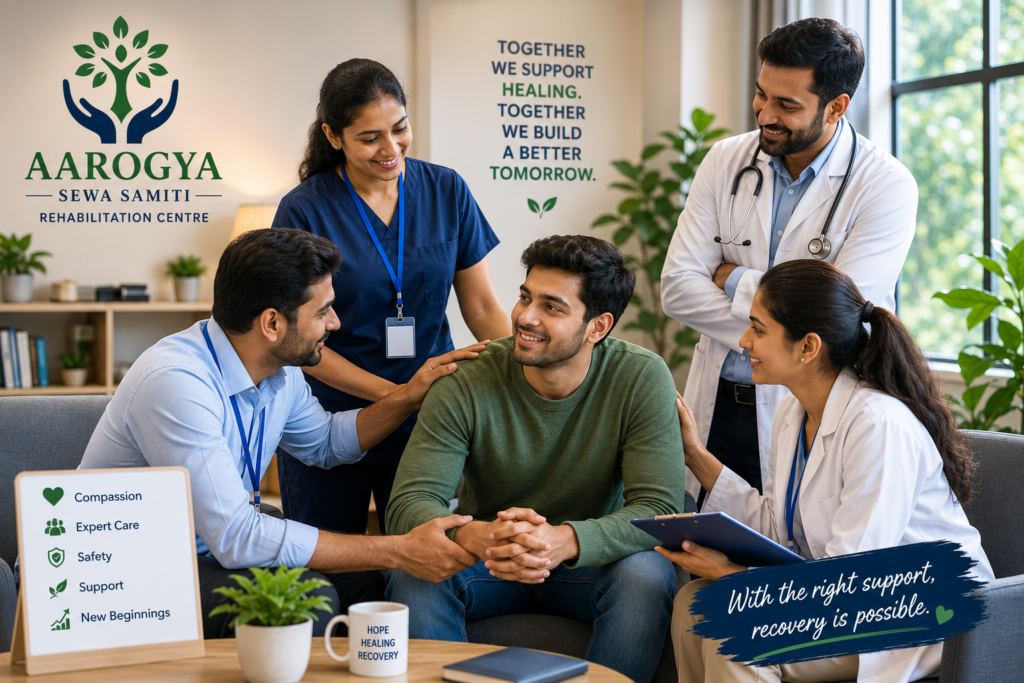
“Every successful recovery journey is built on trust, support, and professional care”
The Connection Between Mind and Body
The human mind and body constantly influence one another. Emotional stress can cause physical symptoms, while poor physical health can negatively affect emotional well-being.
Many individuals struggling with addiction experience anxiety, depression, sleep problems, stress, and low self-esteem. These challenges may continue even after substance use has stopped.
Holistic therapies aim to restore balance by improving both physical and emotional health simultaneously. As overall wellness improves, individuals often become more confident and motivated during recovery.
This integrated approach supports healthier decision-making and reduces the likelihood of returning to substance use.
Benefits of Holistic Healing During Rehabilitation
There are many reasons Why Holistic Healing Is Becoming an Important Part of Rehabilitation programs around the world.
Some of the most important benefits include:
- Better emotional balance
- Reduced stress and anxiety
- Improved physical health
- Better sleep quality
- Increased self-confidence
- Healthier coping skills
- Greater motivation during recovery
- Enhanced overall quality of life
When individuals feel healthier in both mind and body, they are often more prepared to maintain long-term recovery.
Yoga as Part of Addiction Recovery
Yoga has become one of the most widely used holistic therapies in rehabilitation centres.
Yoga combines gentle physical movement, breathing exercises, and relaxation techniques that help reduce stress while improving flexibility and strength.
Regular yoga practice may help individuals:
- Improve concentration
- Reduce anxiety
- Enhance emotional stability
- Increase body awareness
- Support healthy sleep
For many people, yoga becomes a healthy routine that replaces harmful habits developed during addiction.
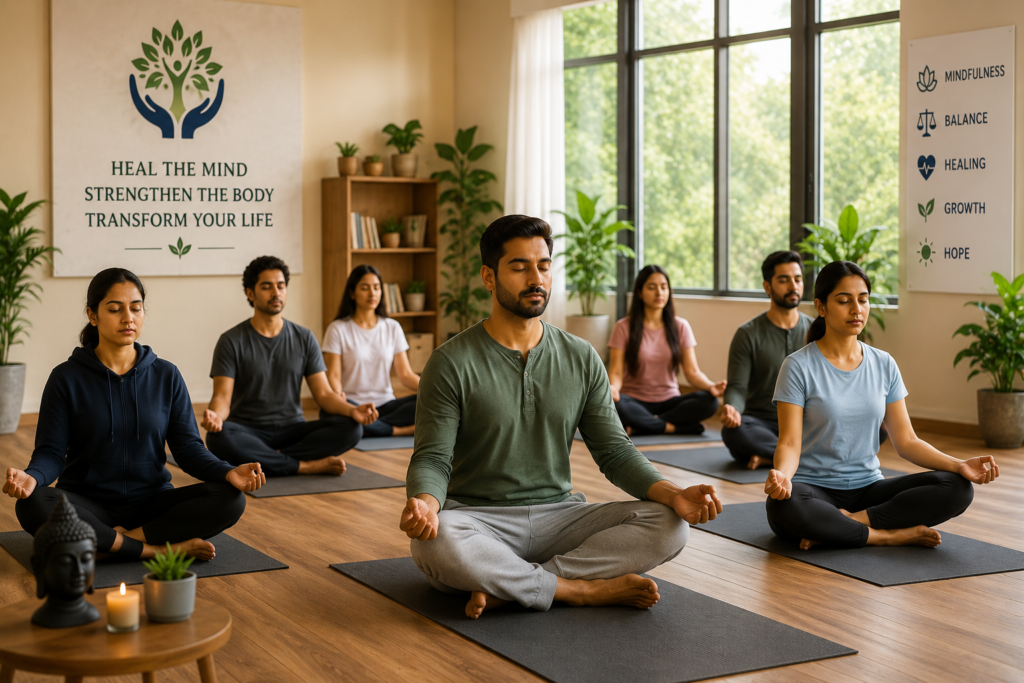
“Mental wellness is an essential part of recovery, helping individuals find balance, clarity, and inner strength”
Meditation and Mindfulness
Meditation encourages individuals to focus their attention on the present moment without judgment. This simple practice can help reduce racing thoughts and improve emotional control.
Mindfulness teaches people to observe cravings and difficult emotions without immediately reacting to them.
Some benefits of meditation include:
- Lower stress levels
- Better emotional regulation
- Improved concentration
- Reduced impulsive behavior
- Greater inner calm
These skills are particularly valuable for people recovering from addiction because they help manage triggers more effectively.
Nutrition and Healthy Eating
Addiction often affects appetite, digestion, and overall nutrition. Many individuals entering rehabilitation have nutritional deficiencies caused by prolonged substance use.
A balanced diet provides the body with essential nutrients needed for recovery.
Healthy eating supports:
- Improved energy levels
- Better brain function
- Stronger immune system
- Faster physical recovery
- Better mood stability
Nutrition counseling helps individuals develop healthier eating habits that continue after rehabilitation ends.
Physical Exercise and Recovery
Exercise plays an important role in holistic rehabilitation.
Physical activity naturally releases chemicals that improve mood and reduce stress. Regular exercise also helps rebuild strength and confidence after addiction.
Common rehabilitation fitness activities include:
- Walking
- Stretching
- Light strength training
- Cycling
- Outdoor activities
Exercise also provides a healthy way to manage boredom and emotional stress without relying on substances.
Counseling Remains an Essential Component
Holistic healing does not replace professional counseling. Instead, both approaches work together to support lasting recovery.
Individual counseling helps patients understand the emotional causes of addiction, while group therapy provides encouragement through shared experiences.
Family counseling also strengthens communication and rebuilds trust between loved ones.
At Aarogya Rehab, holistic therapies are most effective when combined with evidence-based counseling and personalized treatment plans provided through Aarogya Sewa Samiti.
Managing Stress Without Substance Use
Stress is one of the most common triggers for relapse.
Many individuals previously relied on alcohol or drugs to cope with difficult emotions or daily challenges.
Holistic rehabilitation teaches healthier stress-management techniques, including:
- Deep breathing exercises
- Meditation
- Yoga
- Journaling
- Nature walks
- Creative activities
These positive coping methods help individuals respond to stress in healthier and more productive ways.
Art and Music Therapy in Rehabilitation
Creative therapies have become valuable additions to modern rehabilitation programs. Many individuals find it difficult to express emotions through words alone. Art and music therapy provide safe and healthy ways to communicate feelings, reduce stress, and improve emotional well-being.
Art activities such as painting, drawing, or crafting encourage creativity while helping individuals process difficult experiences. Music therapy can improve mood, reduce anxiety, and create a sense of relaxation during recovery.
These therapies also promote self-expression, build confidence, and encourage positive emotional healing. When combined with counseling and medical care, creative therapies support a more balanced recovery journey.
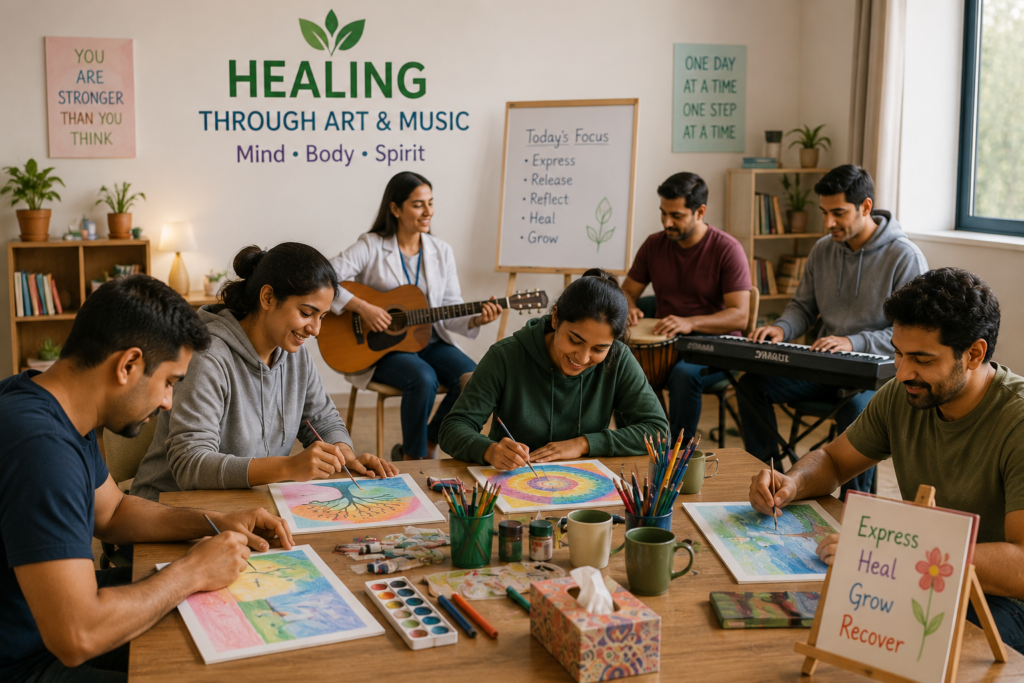
“Creative healing through art and music”
The Importance of Family Support
Addiction affects not only the individual but also family members and close relationships. For this reason, family involvement has become an important part of holistic rehabilitation.
Family counseling helps rebuild trust, improve communication, and educate loved ones about addiction and recovery. A supportive home environment can make a significant difference in maintaining long-term sobriety.
Families can support recovery by:
- Encouraging healthy routines.
- Listening without judgment.
- Participating in counseling sessions.
- Celebrating recovery milestones.
- Creating a positive home environment.
When families work together, individuals often feel more motivated and confident throughout their recovery.
Improving Emotional Resilience
Recovery is a lifelong process, and emotional resilience helps individuals face challenges without returning to substance use.
Holistic rehabilitation teaches practical skills for managing emotions, solving problems, and responding to setbacks in healthy ways.
Some resilience-building practices include:
- Positive thinking exercises.
- Goal setting.
- Gratitude journaling.
- Relaxation techniques.
- Mindfulness practices.
These habits strengthen emotional well-being and help individuals develop greater confidence in handling everyday life.

“Supportive friends encourage healthy habits, confidence, and a lifestyle free from substance abuse”
Preventing Relapse Through Holistic Care
Relapse prevention is one of the primary goals of rehabilitation. While detoxification removes harmful substances from the body, maintaining recovery requires ongoing lifestyle changes.
Holistic therapies help reduce common relapse triggers such as stress, anxiety, boredom, and negative thinking.
Effective relapse prevention strategies include:
- Continuing yoga or meditation.
- Staying physically active.
- Following a healthy diet.
- Attending counseling sessions.
- Maintaining supportive friendships.
- Participating in recovery support groups.
Developing these healthy habits allows individuals to replace substance use with positive daily routines.
Personalized Treatment for Every Individual
No two people experience addiction in the same way. Each individual has unique physical, emotional, and social needs.
Modern rehabilitation centers recognize the importance of personalized treatment plans that combine medical care with holistic therapies.
Treatment plans may include:
- Medical detoxification.
- Individual counseling.
- Group therapy.
- Family counseling.
- Yoga and meditation.
- Nutritional guidance.
- Fitness activities.
- Stress management training.
Personalized care increases engagement and improves the chances of long-term recovery.
How Aarogya Rehab Supports Holistic Recovery
Aarogya Rehab, under the guidance of Aarogya Sewa Samiti, believes that successful rehabilitation requires a comprehensive approach that addresses every aspect of a person’s well-being.
The rehabilitation programs focus on helping individuals recover physically while also strengthening emotional health, mental wellness, and social relationships. By combining professional counseling, medical care, wellness activities, and compassionate support, the organization creates an environment where lasting recovery becomes achievable.
Patients are encouraged to build healthy routines, develop life skills, and regain confidence so they can successfully reintegrate into their families and communities.
Long-Term Benefits of Holistic Rehabilitation
Individuals who participate in holistic rehabilitation often experience improvements that extend well beyond addiction recovery.
Some long-term benefits include:
Physical Benefits
- Improved overall health.
- Better sleep quality.
- Increased energy.
- Stronger immune system.
Mental and Emotional Benefits
- Reduced stress and anxiety.
- Improved emotional stability.
- Better concentration.
- Increased self-confidence.
Social Benefits
- Stronger family relationships.
- Better communication skills.
- Improved workplace performance.
- Healthier social interactions.
These improvements contribute to a more balanced and fulfilling life after rehabilitation.
Frequently Asked Questions
What is holistic healing in rehabilitation?
Holistic healing is an approach that combines medical treatment with therapies that improve physical, mental, emotional, and social well-being during recovery.
Does holistic healing replace medical treatment?
No. Holistic therapies work alongside medical detoxification, counseling, and professional rehabilitation to provide comprehensive care.
Can yoga and meditation really help during recovery?
Yes. Yoga and meditation may help reduce stress, improve emotional control, enhance focus, and support healthier coping strategies.
Why is nutrition important in addiction recovery?
A balanced diet helps restore physical health, improves energy levels, supports brain function, and promotes overall healing after substance abuse.
How does family support improve recovery?
Supportive families encourage accountability, strengthen communication, and provide emotional encouragement that helps individuals maintain long-term recovery.
Conclusion
Understanding Why Holistic Healing Is Becoming an Important Part of Rehabilitation helps individuals recognize that lasting recovery involves much more than overcoming physical dependence. Addiction affects the mind, body, emotions, relationships, and overall quality of life, making a comprehensive approach essential.
Holistic therapies such as yoga, meditation, nutrition, physical exercise, counseling, family involvement, and stress management complement traditional medical treatment by addressing the whole person. These practices help individuals develop healthier habits, improve emotional resilience, and reduce the risk of relapse.
Through compassionate care and integrated rehabilitation programs, Aarogya Rehab and Aarogya Sewa Samiti support individuals on their journey toward lasting recovery. By combining professional treatment with holistic healing, they empower people to rebuild their health, restore confidence, strengthen relationships, and create a healthier future free from addiction.