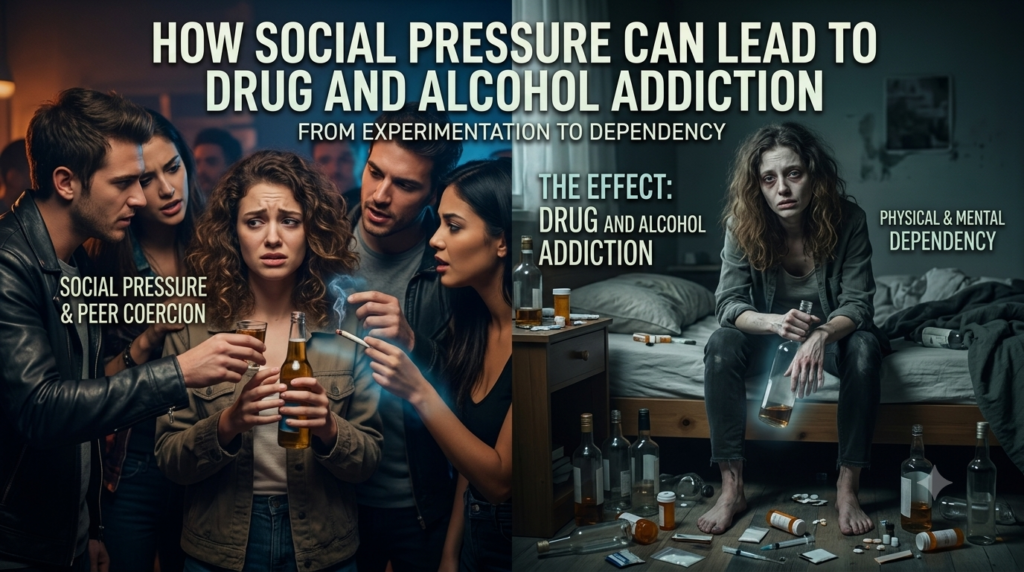
Social relationships play an important role in shaping our behavior to reduce social pressure . Friends, family members, classmates, colleagues, and social groups influence many decisions that people make every day. While positive social influence can encourage healthy habits and personal growth, negative influence can sometimes lead individuals toward risky behaviors .
One of the most serious consequences of negative influence is substance abuse. Many people who struggle with addiction report that their first experience with alcohol or drugs happened because of pressure from friends, social circles, or the desire to fit in. Understanding how social pressure can lead to drug and alcohol addiction is essential for prevention and early intervention.
In communities across India, including urban and rural areas, social pressure continues to be a significant factor behind substance use among teenagers, young adults, and even working professionals. Awareness and education can help individuals recognize these influences before they lead to addiction.
Organizations such as Aarogya Sewa Samiti and Aarogya Rehab work to educate communities about addiction risks while providing support and rehabilitation services for individuals seeking recovery.
Understanding Social Pressure
Social pressure refers to the influence that other people have on an individual’s thoughts, attitudes, and actions. Humans naturally seek acceptance and belonging. As a result, many people adjust their behavior to match the expectations of their social group.
In some situations, this influence is beneficial. Friends may encourage healthy habits such as exercising, studying, or pursuing career goals. However, social pressure becomes harmful when it promotes dangerous behaviors such as drug use or excessive alcohol consumption.
People often fear rejection, isolation, or criticism. This fear can cause them to participate in activities they would normally avoid. Over time, repeated exposure to these situations can increase the likelihood of substance dependence.
Understanding the different forms of social pressure helps individuals recognize when their decisions are being influenced by others.
Types of Social Pressure That Can Lead to Addiction
Not all social pressure looks the same. Sometimes it is direct and obvious, while in other cases it is subtle and difficult to recognize.
Direct Pressure
Direct pressure occurs when someone openly encourages another person to use drugs or alcohol.
Examples include:
- Friends offering alcohol repeatedly.
- Classmates encouraging drug experimentation.
- Colleagues pressuring others to drink at parties.
- Social groups mocking those who refuse substances.
In these situations, individuals may feel uncomfortable saying no because they want to avoid conflict or rejection.
Indirect Pressure
Indirect pressure is often more difficult to identify.
It occurs when people observe others engaging in substance use and feel compelled to do the same to fit in.
Examples include:
- Seeing friends drink regularly.
- Attending parties where substance use is common.
- Observing celebrities promoting alcohol-related lifestyles.
- Following social media trends involving substance use.
Although nobody explicitly encourages participation, the desire to belong can create powerful pressure.
Why People Give In to Social Pressure
The desire for social acceptance is a normal human need. People naturally seek approval from peers and social groups.
Several psychological factors make individuals vulnerable to social pressure.
Desire to Fit In
Most people want to feel accepted by their peers. When substance use becomes part of a group’s culture, refusing participation may feel uncomfortable.
Individuals may fear being excluded from social activities or friendships. To avoid isolation, they may choose to engage in behaviors they would otherwise reject.
Over time, occasional participation can develop into regular use and eventually addiction.
Fear of Rejection
Fear of rejection is particularly strong among adolescents and young adults.
Many teenagers worry about being labeled as different, boring, or overly cautious. As a result, they may experiment with alcohol or drugs despite understanding the risks.
The need for approval can sometimes outweigh concerns about personal health and safety.
Curiosity and Experimentation
Social pressure often sparks curiosity.
When individuals hear friends discussing the pleasurable effects of drugs or alcohol, they may become interested in trying these substances themselves.
Statements such as:
- “Everyone does it.”
- “Just try it once.”
- “You won’t get addicted.”
can create a false sense of safety.
Unfortunately, even experimental use can lead to serious consequences, particularly when highly addictive substances are involved.
Low Self-Confidence
Individuals with low self-esteem may be more susceptible to social pressure.
People who struggle with confidence often seek validation from others. They may believe that participating in substance use will improve social acceptance or make them appear more mature.
Instead of building genuine confidence, substance use often creates additional emotional and psychological challenges.
The Role of Peer Pressure in Substance Abuse
Peer pressure is one of the most commonly discussed factors in addiction prevention.
Peers influence behavior through shared experiences, social expectations, and group norms.
When a friend group regularly consumes alcohol or drugs, members may begin viewing substance use as normal behavior. This normalization reduces perceived risk and increases participation.
For adolescents and young adults, peer influence can be particularly powerful because friendships often become central to identity formation during these years.
Research consistently shows that individuals are more likely to experiment with substances when close friends are already using them.
Social Media and Modern-Day Social Pressure
The rise of social media has introduced new forms of social influence.
Platforms often showcase carefully selected moments that portray substance use as glamorous, exciting, or socially rewarding.
Photos and videos may depict:
- Party culture.
- Heavy drinking.
- Recreational drug use.
- Risk-taking behavior.
Young people who repeatedly view this content may begin believing that substance use is necessary for popularity or social success.
Social media can create unrealistic expectations about lifestyle and acceptance, increasing vulnerability to addiction-related behaviors.
Family Influence and Social Expectations
While peer pressure receives significant attention, family influence can also contribute to substance use.
Children often learn behaviors by observing adults around them.
When alcohol misuse or drug use is normalized within the household, young individuals may develop unhealthy attitudes toward substances.
Family-related pressures may include:
- Expectations to participate in drinking traditions.
- Exposure to substance use at home.
- Lack of supervision.
- Family conflict and stress.
A supportive family environment can serve as a protective factor against addiction, while unhealthy dynamics may increase risk.

“Open communication and family support play a vital role in preventing substance abuse and helping young people make healthier life choices”
How Social Pressure Gradually Leads to Addiction
Addiction rarely develops overnight.
The process often begins with occasional use influenced by social situations.
A typical progression may look like this:
- Exposure to social pressure.
- Initial experimentation.
- Occasional use during gatherings.
- Increased frequency of use.
- Development of tolerance.
- Emotional reliance on substances.
- Physical dependence.
- Addiction.
At first, the individual may believe they have complete control over their substance use. However, repeated exposure can alter brain chemistry and behavior patterns.
As dependence grows, stopping becomes increasingly difficult without professional help.
Warning Signs That Social Pressure Is Affecting Decisions
Recognizing early warning signs can prevent long-term problems.
Some indicators include:
- Feeling uncomfortable refusing substances.
- Using alcohol or drugs only in social settings.
- Changing behavior to gain approval.
- Hiding substance use from family members.
- Spending more time with substance-using friends.
- Feeling anxious about social rejection.
- Ignoring personal values to fit in.
Identifying these patterns early allows individuals to make healthier choices before addiction develops.
Mental Health and Social Pressure
Mental health challenges can increase vulnerability to social pressure.
Individuals experiencing anxiety, depression, loneliness, or emotional stress may seek acceptance through social groups that engage in substance use.
Some people use alcohol or drugs to:
- Reduce anxiety.
- Escape emotional pain.
- Feel more confident socially.
- Cope with loneliness.
Unfortunately, substances often worsen mental health problems over time.
Instead of solving emotional difficulties, addiction creates additional psychological and physical complications.
The Impact on Academic and Professional Life
Substance abuse influenced by social pressure can significantly affect education and careers.
Students may experience:
- Poor academic performance.
- Reduced concentration.
- Increased absenteeism.
- Declining motivation.
Working professionals may face:
- Reduced productivity.
- Workplace conflicts.
- Financial difficulties.
- Career setbacks.
What begins as occasional social drinking or drug experimentation can eventually interfere with long-term goals and personal success.

“Substance abuse can silently affect academic performance, career growth, mental health, and personal relationships, making early intervention essential”
Health Consequences of Drug and Alcohol Addiction
Drug and alcohol addiction affects nearly every aspect of physical and mental health.
Common health consequences include:
Physical Effects
- Liver damage.
- Heart disease.
- Respiratory problems.
- Sleep disturbances.
- Weakened immune system.
- Nutritional deficiencies.
Mental and Emotional Effects
- Anxiety disorders.
- Depression.
- Mood instability.
- Memory problems.
- Impaired judgment.
- Increased stress levels.
The longer addiction continues, the greater the risk of severe health complications.
Social Consequences of Addiction
Addiction affects relationships as well as individual health.
Common social consequences include:
- Family conflicts.
- Loss of trust.
- Social isolation.
- Financial difficulties.
- Legal issues.
- Relationship breakdowns.
Many individuals find themselves increasingly disconnected from supportive relationships as addiction progresses.
This isolation can further reinforce dependence on substances.
Why Some People Become Addicted While Others Do Not
Not everyone who experiences social pressure develops an addiction. Several factors influence how vulnerable a person may be to substance dependence.
Genetics play an important role. Individuals with a family history of addiction may have a higher risk of developing substance use disorders.
Environmental conditions also matter. People exposed to chronic stress, trauma, abuse, or unstable living conditions often face greater challenges in resisting harmful influences.
Mental health conditions such as anxiety, depression, and low self-esteem can further increase susceptibility to addiction.
The combination of social pressure and personal risk factors often determines whether occasional substance use progresses into addiction.
How to Resist Social Pressure Effectively
Learning to resist social pressure is one of the most important addiction prevention skills.
Many people assume they must choose between fitting in and protecting their well-being. In reality, healthy boundaries can help individuals maintain both self-respect and positive relationships.
Practical ways to resist social pressure include:
- Practicing confident refusal skills.
- Spending time with supportive friends.
- Avoiding high-risk situations.
- Building self-confidence.
- Setting personal goals.
- Seeking guidance from trusted adults.
The ability to say “no” becomes stronger with practice and experience.
Develop Strong Personal Values
People with clear values often find it easier to resist unhealthy influences.
Understanding personal priorities helps individuals make decisions based on long-term goals rather than temporary social acceptance.
Examples of healthy priorities include:
- Education.
- Career growth.
- Physical health.
- Mental well-being.
- Family relationships.
- Financial stability.
When these priorities remain clear, harmful social pressure loses much of its influence.
The Importance of Choosing Positive Friendships
Friendships have a powerful impact on behavior.
Supportive friends encourage healthy habits, responsible decision-making, and personal growth. In contrast, unhealthy friendships may normalize substance abuse and risky behavior.
Positive friends often:
- Respect personal boundaries.
- Support healthy choices.
- Encourage personal goals.
- Offer emotional support.
- Promote responsibility.
Choosing friendships carefully can significantly reduce the risk of substance abuse.
People are often influenced by those they spend the most time with, making social circles an important factor in addiction prevention.

“Supportive friends encourage healthy habits, confidence, and a lifestyle free from substance abuse”
Building Self-Confidence as a Protective Factor
Self-confidence helps individuals make independent decisions without relying heavily on external approval.
People who value themselves are generally more comfortable refusing activities that conflict with their beliefs.
Confidence can be developed through:
- Learning new skills.
- Setting achievable goals.
- Participating in sports.
- Volunteering.
- Practicing self-care.
- Celebrating personal achievements.
As confidence grows, the need for social validation often decreases.
This makes it easier to resist pressure related to drugs and alcohol.
The Role of Schools and Educational Institutions
Schools play an essential role in preventing addiction.
Educational programs help students understand the dangers associated with substance abuse and teach practical refusal skills.
Effective school-based prevention programs often focus on:
- Peer pressure awareness.
- Mental health education.
- Communication skills.
- Decision-making abilities.
- Emotional resilience.
Students who receive accurate information are better equipped to make informed choices.
Teachers and counselors can also identify early warning signs and provide timely support.
Community Awareness and Prevention
Communities can significantly reduce addiction rates through education and awareness initiatives.
When communities openly discuss substance abuse, stigma decreases and support becomes more accessible.
Community prevention efforts may include:
- Awareness campaigns.
- Youth programs.
- Counseling services.
- Parent education workshops.
- Mental health support initiatives.
These efforts help create environments where healthy choices are encouraged and supported.
Organizations such as Aarogya Sewa Samiti actively contribute to addiction awareness and recovery support through community-focused initiatives.
The Importance of Family Support
Families play a critical role in preventing and overcoming addiction.
Strong family relationships provide emotional security, guidance, and accountability.
Parents and caregivers can reduce addiction risks by:
- Maintaining open communication.
- Monitoring behavioral changes.
- Encouraging healthy activities.
- Setting clear expectations.
- Providing emotional support.
When family members create a supportive environment, individuals are often better prepared to handle social pressure.
Family involvement is also a key component of successful addiction recovery.
Recognizing When Professional Help Is Needed
Many individuals delay treatment because they believe they can overcome addiction on their own.
While personal determination is important, addiction often requires professional intervention.
Warning signs that indicate a need for treatment include:
- Repeated unsuccessful attempts to quit.
- Increased tolerance to substances.
- Withdrawal symptoms.
- Neglecting responsibilities.
- Relationship conflicts.
- Declining physical health.
- Emotional instability.
Seeking help early can prevent addiction from becoming more severe.
Professional treatment provides structure, guidance, and support throughout the recovery process.
Treatment Options for Drug and Alcohol Addiction
Modern addiction treatment focuses on addressing both physical dependence and underlying emotional factors.
Recovery is most effective when treatment plans are personalized to meet individual needs.
Common treatment approaches include:
Medical Detoxification
Detoxification helps remove harmful substances from the body under medical supervision.
This stage is particularly important for individuals experiencing severe withdrawal symptoms.
Individual Counseling
Therapy helps individuals understand the root causes of substance use and develop healthier coping mechanisms.
Counselors work with patients to identify triggers and create relapse-prevention strategies.
Group Therapy
Group sessions provide peer support and reduce feelings of isolation.
Participants learn from shared experiences while building accountability and motivation.
Family Therapy
Family involvement often improves treatment outcomes by strengthening communication and rebuilding trust.
Holistic Therapies
Many rehabilitation programs include:
- Yoga.
- Meditation.
- Mindfulness training.
- Stress management techniques.
- Physical fitness activities.
These therapies support overall wellness and long-term recovery.

“Together on the Path to Recovery”
How Aarogya Rehab Supports Recovery
Recovery requires more than simply stopping substance use. It involves rebuilding physical health, emotional well-being, and healthy life habits.
Aarogya Rehab, operating under Aarogya Sewa Samiti, focuses on comprehensive rehabilitation and recovery support.
Treatment programs are designed to help individuals:
- Overcome substance dependence.
- Address emotional challenges.
- Develop healthy coping skills.
- Strengthen family relationships.
- Build confidence and resilience.
The goal is not only sobriety but also long-term personal growth and improved quality of life.
Through professional care and compassionate support, many individuals successfully begin their recovery journey.
Preventing Relapse After Recovery
Recovery is an ongoing process that continues long after treatment ends.
Preventing relapse requires awareness, preparation, and continued support.
Effective relapse prevention strategies include:
- Avoiding high-risk social situations.
- Maintaining healthy friendships.
- Attending support groups.
- Practicing stress management.
- Following treatment recommendations.
- Seeking help when challenges arise.
Individuals who remain connected to supportive networks often achieve better long-term outcomes.
Recovery becomes stronger when healthy habits replace substance-related behaviors.
The Long-Term Benefits of Recovery
Choosing recovery offers benefits that extend far beyond physical health.
Individuals who overcome addiction often experience improvements in multiple areas of life.
Common benefits include:
Physical Benefits
- Better overall health.
- Increased energy levels.
- Improved sleep quality.
- Stronger immune function.
Emotional Benefits
- Reduced anxiety.
- Improved mood stability.
- Greater self-confidence.
- Increased emotional resilience.
Social Benefits
- Stronger family relationships.
- Improved friendships.
- Better workplace performance.
- Enhanced community involvement.
Recovery allows individuals to regain control of their lives and pursue meaningful goals.
Frequently Asked Questions
Can peer pressure alone cause addiction?
Peer pressure may not be the only cause, but it is a major risk factor. Combined with other vulnerabilities, it can contribute significantly to addiction development.
Are teenagers more vulnerable to social pressure?
Yes. Teenagers are often more influenced by peers because they are developing their identities and seeking social acceptance.
Can social media increase addiction risk?
Social media can normalize substance use and create unrealistic expectations about social behavior, increasing the risk of experimentation.
Is recovery possible after addiction?
Yes. With proper treatment, counseling, and support, many individuals successfully achieve long-term recovery.
When should someone seek professional help?
Professional help should be considered whenever substance use begins affecting health, relationships, education, work, or daily responsibilities.
Conclusion
Understanding how social pressure can lead to drug and alcohol addiction is essential for prevention and recovery. Social influences affect people of all ages, but teenagers and young adults are often particularly vulnerable.
The desire to fit in, fear of rejection, low self-confidence, and exposure to substance-using social groups can all increase the risk of addiction. What may begin as occasional experimentation can gradually develop into dependence and long-term substance abuse.
Fortunately, addiction is preventable and treatable. Strong family support, healthy friendships, education, self-confidence, and early intervention can significantly reduce risk.
For individuals already struggling with addiction, professional treatment provides a path toward recovery. Through counseling, rehabilitation, family support, and holistic care, organizations such as Aarogya Rehab and Aarogya Sewa Samiti help individuals reclaim their lives and build a healthier future.
Recovery is possible, and every step toward positive change matters.