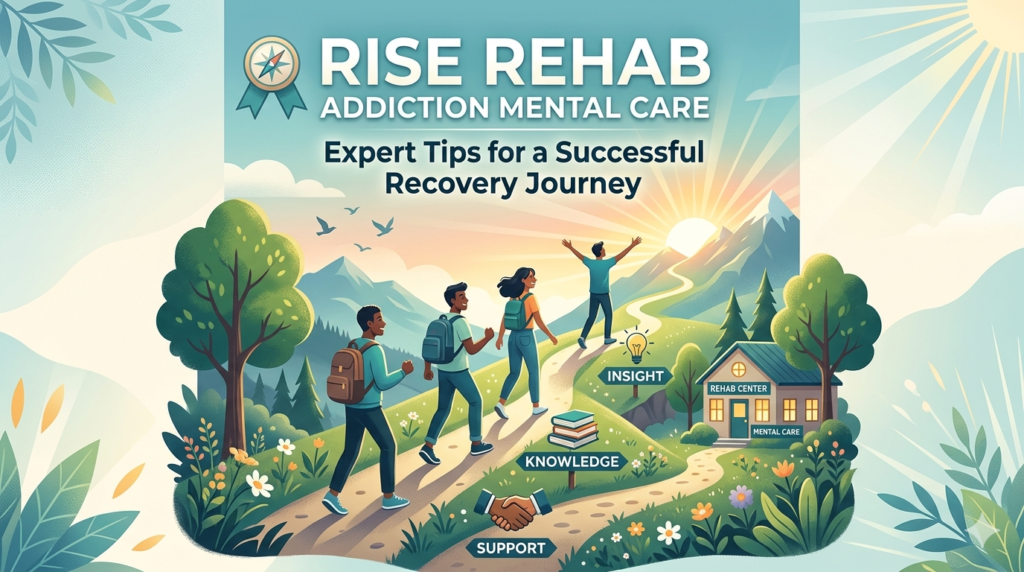
Recovery from addiction is one of the most meaningful journeys a person can take. Although overcoming substance abuse is challenging, it is possible with the right guidance, professional treatment, and emotional support. Rise Rehab Addiction Mental Care focuses on helping individuals recover physically, emotionally, and mentally through structured rehabilitation and compassionate care. At Aarogya Rehab, operated by Aarogya Sewa Samiti, every recovery journey is approached with dignity, personalized attention, and evidence-based treatment strategies that encourage lasting transformation.
Understanding Addiction Beyond Substance Use
Addiction is not simply a habit that someone can stop through willpower alone. It is a complex medical condition that affects brain function, emotions, decision-making, and behavior. Over time, repeated use of alcohol or drugs changes the brain’s reward system, making it difficult for individuals to quit without professional support.
Many people who experience addiction are also dealing with stress, anxiety, depression, trauma, or emotional pain. Because of this connection, successful rehabilitation focuses on treating both addiction and mental health together rather than addressing only the physical symptoms.
This holistic approach forms the foundation of Rise Rehab Addiction Mental Care, helping individuals rebuild healthier lives while reducing the chances of relapse.
Why Professional Rehabilitation Matters
Attempting recovery without guidance can be extremely difficult. Withdrawal symptoms, emotional struggles, and social pressures often make people return to substance use before achieving long-term recovery.
Professional rehabilitation provides a safe environment where individuals receive medical care, counseling, emotional support, and personalized treatment plans designed specifically for their needs.
At Aarogya Rehab, experienced healthcare professionals work together to support each patient throughout every stage of recovery.
Professional rehabilitation offers several advantages:
- Safe medical supervision during detoxification
- Individualized treatment plans
- Professional psychological counseling
- Behavioral therapy sessions
- Family counseling programs
- Relapse prevention education
- Wellness and lifestyle improvement activities
- Ongoing aftercare support
These services help individuals recover with confidence while preparing them for healthier independent living.
The Connection Between Mental Health and Addiction
Mental health plays an important role in both developing and overcoming addiction. Emotional distress often encourages unhealthy coping mechanisms such as alcohol or drug use. Unfortunately, these substances usually make psychological problems even worse over time.
Some of the most common mental health conditions linked with addiction include:
- Depression
- Anxiety disorders
- Post-traumatic stress disorder (PTSD)
- Bipolar disorder
- Chronic stress
- Grief and emotional trauma
- Low self-esteem
Treating these conditions alongside addiction improves recovery outcomes and gives individuals healthier ways to manage life’s challenges.
At Aarogya Sewa Samiti, rehabilitation programs recognize the importance of integrated care that supports both emotional wellness and physical recovery.
Expert Tip 1: Accept That Recovery Requires Professional Support
The first and most important step toward recovery is accepting that help is needed. Many individuals delay treatment because of fear, embarrassment, or social stigma. However, seeking professional assistance demonstrates strength rather than weakness.
Professional rehabilitation offers expert guidance, emotional encouragement, and evidence-based therapies that make recovery safer and more successful.
Recovery begins with a single decision—to ask for help.
Expert Tip 2: Choose a Personalized Treatment Plan
Every individual’s addiction story is different. The substances used, duration of addiction, physical health, emotional condition, and family circumstances all influence the recovery process.
For this reason, personalized treatment plans produce better results than generalized programs.
A customized rehabilitation plan may include:
- Medical detoxification
- Individual counseling
- Group therapy
- Family therapy
- Mental health treatment
- Recreational activities
- Nutritional guidance
- Relapse prevention training
At Aarogya Rehab, treatment plans are designed according to each patient’s recovery goals and specific healthcare needs.
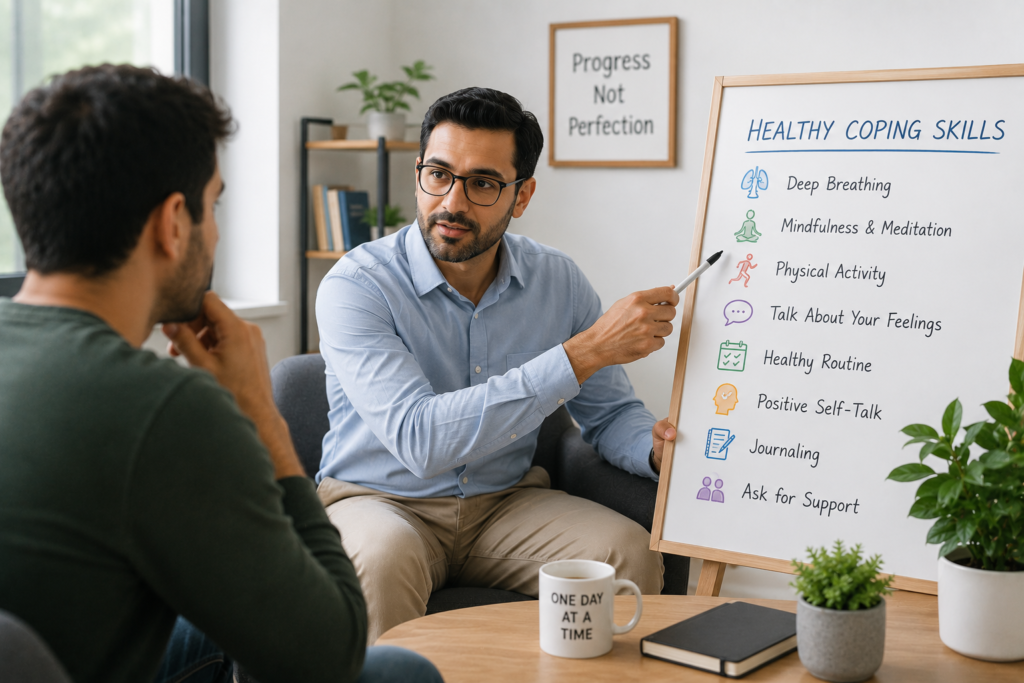
“Every coping skill learned in therapy is another step toward a healthier, addiction-free future”
Expert Tip 3: Focus on Mental Wellness Every Day
Recovery is about much more than avoiding drugs or alcohol. Emotional healing is equally important because unresolved mental health challenges often contribute to addiction.
Daily mental wellness practices strengthen emotional resilience and improve overall quality of life.
Healthy habits include:
- Practicing mindfulness
- Maintaining regular sleep
- Journaling emotions
- Exercising regularly
- Following a balanced diet
- Spending time with supportive people
- Learning stress management techniques
These simple activities gradually improve confidence and reduce emotional triggers that may lead to relapse.
The Importance of Early Intervention
Many people wait until addiction has severely affected their health, career, or relationships before seeking treatment. Early intervention allows professionals to address substance abuse before long-term complications develop.
Common warning signs include mood changes, declining performance at work or school, financial difficulties, secretive behavior, relationship problems, sleep disturbances, and increased dependence on alcohol or drugs.
Recognizing these signs early and contacting a trusted rehabilitation centre like Aarogya Rehab can significantly improve recovery outcomes.
Expert Tip 4: Build a Strong Support System
No one should face addiction recovery alone. A strong support system provides encouragement during difficult times and celebrates progress along the way. Family members, trusted friends, counselors, and recovery groups all play an important role in helping individuals stay committed to sobriety.
Supportive relationships reduce feelings of isolation and remind individuals that they are not alone in their journey. At Aarogya Rehab, patients are encouraged to involve their loved ones in the recovery process whenever possible.
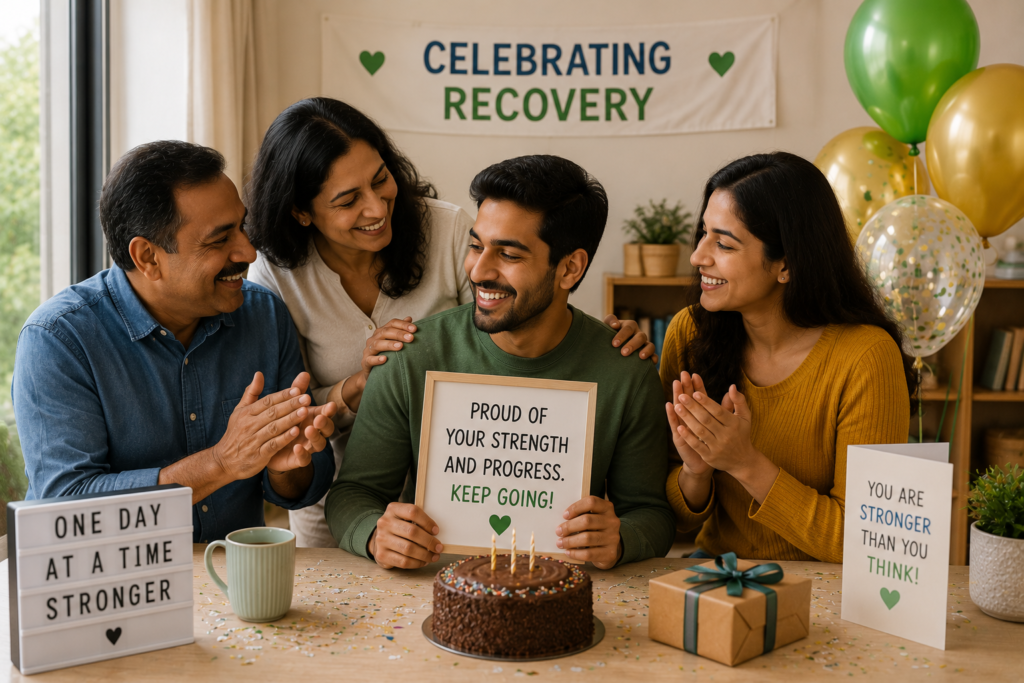
The Role of Family in Addiction Recovery
Addiction affects the entire family, not just the person using substances. Loved ones often experience stress, fear, frustration, and emotional pain while watching someone struggle with addiction.
Family therapy helps everyone understand addiction as a medical condition rather than a personal failure. It also teaches healthy communication, conflict resolution, and ways to provide support without enabling harmful behaviors.
Some benefits of family counseling include:
- Better communication between family members
- Rebuilding trust after addiction
- Learning healthy boundaries
- Reducing stress within the household
- Encouraging long-term recovery
- Creating a positive home environment
At Aarogya Sewa Samiti, family involvement is considered an essential part of successful rehabilitation because recovery becomes stronger when loved ones heal together.
Expert Tip 5: Participate Actively in Therapy
Therapy is one of the most effective tools for overcoming addiction. It helps individuals understand why addiction developed and teaches practical skills for handling life’s challenges without relying on alcohol or drugs.
During therapy, patients learn to:
- Identify emotional triggers
- Manage stress effectively
- Replace negative thinking with healthy habits
- Improve communication skills
- Build self-confidence
- Set realistic recovery goals
Counseling also provides a safe place where individuals can openly discuss their fears, struggles, and achievements without judgment.
Group Therapy Creates Motivation
Many people believe they are alone in their struggles until they attend group therapy. Listening to others who have experienced similar challenges creates hope and motivation for recovery.
Group sessions encourage participants to share experiences, celebrate progress, and learn from one another. This supportive environment reduces loneliness while building confidence and accountability.
Benefits of group therapy include:
- Emotional encouragement
- Peer support
- Improved social skills
- Greater confidence
- Shared learning experiences
- Increased motivation
Professional facilitators at Aarogya Rehab ensure every participant feels respected and supported throughout each session.
Expert Tip 6: Develop Healthy Daily Habits
Recovery becomes stronger when healthy routines replace destructive behaviors. Small positive changes practiced consistently can produce significant improvements in both physical and mental health.
Healthy lifestyle habits include:
- Exercising regularly
- Eating nutritious meals
- Drinking enough water
- Following a consistent sleep schedule
- Practicing meditation or yoga
- Reading inspirational books
- Spending time outdoors
- Avoiding negative influences
These habits improve mood, increase energy levels, and reduce the risk of relapse.
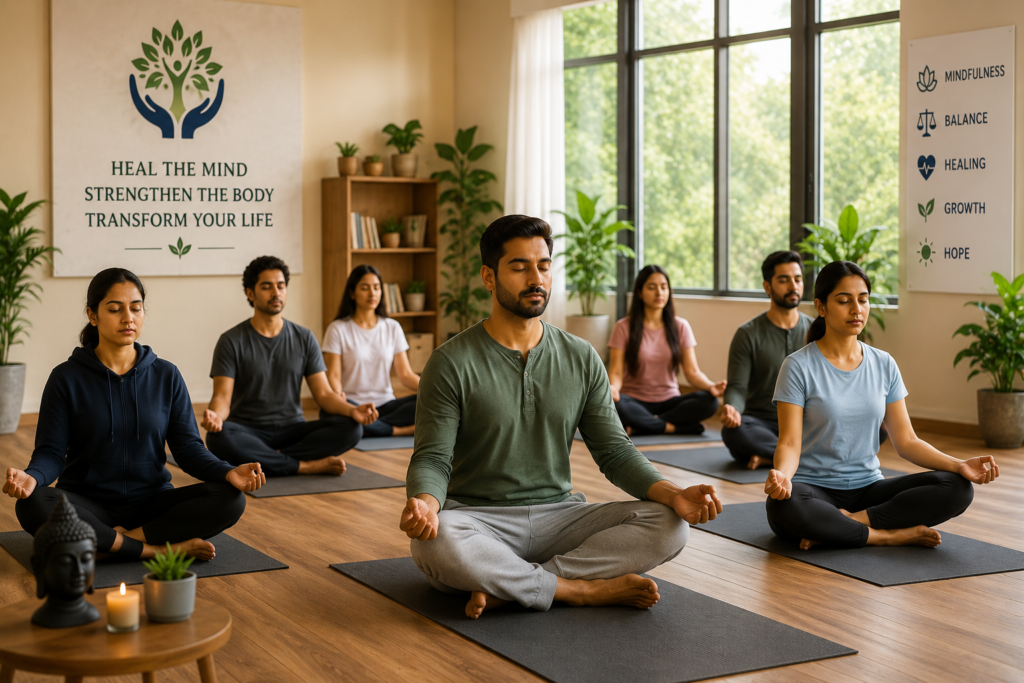
“Mental wellness is an essential part of recovery, helping individuals find balance, clarity, and inner strength”
Nutrition and Physical Wellness Matter
Addiction often affects the body’s ability to absorb nutrients and maintain good health. During rehabilitation, balanced nutrition helps restore energy, strengthen the immune system, and improve brain function.
A healthy recovery diet generally includes:
- Fresh fruits and vegetables
- Whole grains
- Lean proteins
- Healthy fats
- Plenty of water
- Limited processed foods
- Reduced sugar intake
Regular physical activity also supports emotional healing by reducing stress and improving sleep quality. Together, proper nutrition and exercise help individuals feel stronger throughout the recovery journey.
Expert Tip 7: Learn to Manage Stress Effectively
Stress is one of the most common triggers for relapse. Learning healthy ways to respond to pressure helps individuals maintain emotional balance without returning to substance use.
Effective stress-management techniques include deep breathing exercises, mindfulness meditation, journaling, creative hobbies, walking, listening to calming music, and speaking with a trusted counselor.
At Aarogya Sewa Samiti, patients are encouraged to practice these techniques regularly so they become natural responses to life’s challenges rather than turning to addictive substances.
Building Confidence Throughout Recovery
Many individuals lose confidence because of addiction. Professional rehabilitation focuses on rebuilding self-esteem through counseling, skill development, healthy relationships, and personal achievements.
Every small success—whether completing therapy sessions, maintaining sobriety, improving physical health, or repairing family relationships—helps strengthen confidence and motivates individuals to continue moving forward.
Recovery is a gradual journey, and celebrating progress at every stage encourages lasting positive change.
Expert Tip 8: Understand That Relapse Prevention Is Part of Recovery
Recovery does not end after completing a rehabilitation program. It is a lifelong commitment to making healthy choices every day. While many people achieve long-term sobriety, challenges such as stress, negative influences, or emotional struggles may increase the risk of relapse. Learning how to manage these situations is an essential part of Rise Rehab Addiction Mental Care.
Relapse prevention begins with understanding personal triggers and developing practical strategies to respond to them in healthy ways. Instead of feeling discouraged by challenges, individuals learn to view them as opportunities to strengthen their recovery.
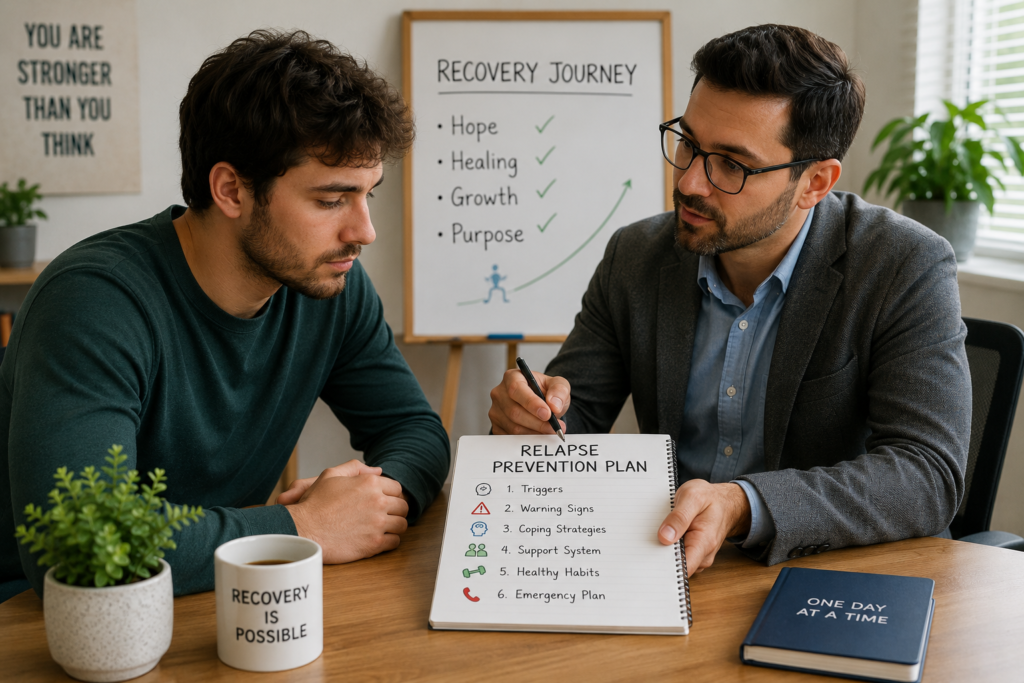
“Early support and relapse prevention planning help individuals stay focused on recovery”
Common Relapse Triggers
Every person’s recovery journey is different, but certain situations commonly increase the risk of returning to substance use. Identifying these triggers early helps individuals stay prepared and confident.
Some common relapse triggers include:
- Emotional stress
- Anxiety or depression
- Negative peer pressure
- Family conflicts
- Financial difficulties
- Loneliness or isolation
- Celebrations involving alcohol
- Lack of sleep
- Poor self-care habits
Recognizing these triggers allows individuals to create healthier responses before they become overwhelming.
Expert Tip 9: Create a Personal Relapse Prevention Plan
A structured relapse prevention plan provides clear guidance during difficult moments. Instead of reacting impulsively, individuals follow practical steps that keep them focused on recovery goals.
A good prevention plan should include:
- Daily wellness routines
- Emergency support contacts
- Scheduled counseling sessions
- Relaxation techniques
- Positive recreational activities
- Recovery group participation
- Healthy coping strategies
- Personal recovery goals
At Aarogya Rehab, patients are encouraged to develop individualized relapse prevention plans before completing their rehabilitation program.
The Importance of Aftercare Programs
Completing residential rehabilitation is a major achievement, but ongoing support remains essential. Aftercare programs help individuals transition smoothly into everyday life while maintaining the progress they have achieved during treatment.
Aftercare services may include:
- Follow-up counseling
- Recovery support groups
- Regular health assessments
- Family counseling
- Wellness activities
- Lifestyle coaching
- Emotional support sessions
These services provide continuous encouragement and help individuals overcome new challenges with confidence.
At Aarogya Sewa Samiti, recovery is viewed as a continuous journey rather than a single event.
Expert Tip 10: Rebuild Relationships with Patience
Addiction often damages relationships with family members, friends, and colleagues. Rebuilding trust takes time, honesty, and consistent positive actions.
Open communication, taking responsibility for past mistakes, and respecting healthy boundaries help restore meaningful relationships. Family counseling also creates opportunities for forgiveness, understanding, and emotional healing.
Every positive conversation and responsible decision strengthens the foundation for healthier relationships in the future.
Returning to Work and Daily Responsibilities
Many individuals worry about returning to work, education, or daily responsibilities after rehabilitation. Building confidence gradually makes this transition much easier.
Professional rehabilitation programs often help patients develop practical life skills such as:
- Time management
- Goal setting
- Financial planning
- Communication skills
- Stress management
- Problem-solving
- Decision-making
- Workplace confidence
These skills prepare individuals for independent living while supporting long-term recovery and personal growth.
Expert Tip 11: Celebrate Every Achievement
Recovery is made up of many small victories. Every day without substance use is an important accomplishment worth recognizing. Celebrating progress increases motivation and reminds individuals how far they have come.
Achievements may include:
- Completing detoxification
- Attending counseling regularly
- Rebuilding family relationships
- Finding employment
- Improving physical health
- Reaching sobriety milestones
- Learning new coping skills
Positive reinforcement builds confidence and encourages continued commitment to recovery.
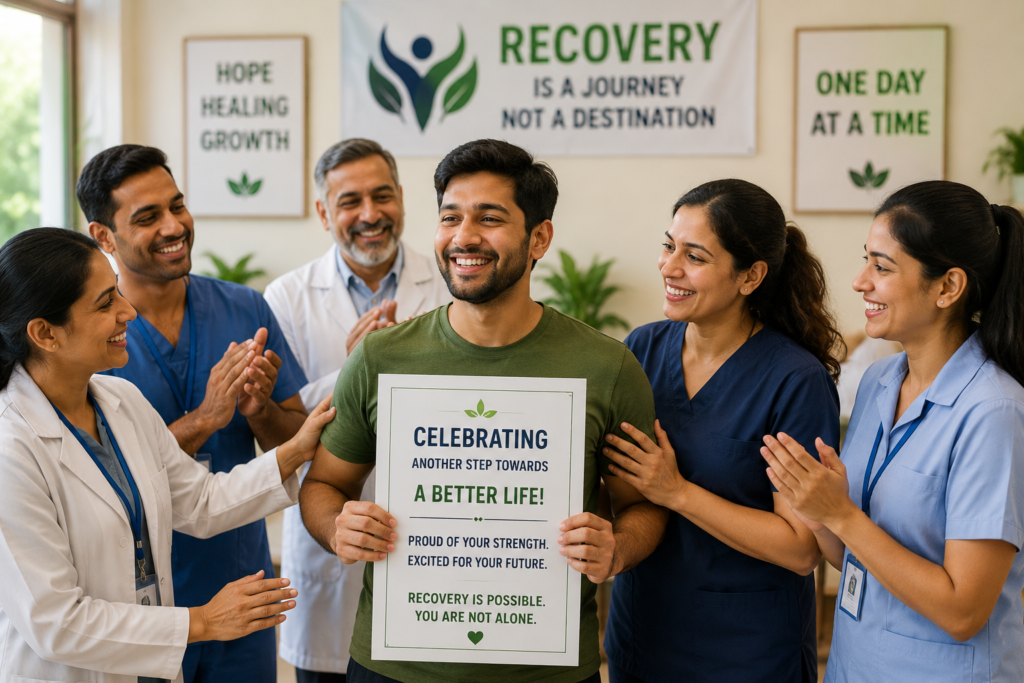
“Patient Celebrating Recovery Milestone with Rehabilitation Team”
Choosing the Right Rehabilitation Centre
Selecting a trusted rehabilitation centre is one of the most important decisions in the recovery journey. A quality centre provides compassionate care, experienced professionals, personalized treatment plans, and ongoing support after rehabilitation.
When choosing a rehabilitation centre, consider:
- Qualified healthcare professionals
- Individualized treatment programs
- Mental health services
- Family counseling
- Safe and supportive environment
- Aftercare support
- Wellness-focused activities
- Ethical and patient-centered care
Aarogya Rehab, operated by Aarogya Sewa Samiti, is committed to helping individuals overcome addiction through comprehensive care that supports physical, emotional, and mental well-being.
Hope Is the Foundation of Recovery
No matter how difficult addiction may seem, recovery is always possible with determination and professional guidance. Every step forward, no matter how small, brings individuals closer to a healthier and more meaningful life.
By combining medical treatment, counseling, emotional support, family involvement, and healthy lifestyle changes, Rise Rehab Addiction Mental Care empowers people to rediscover hope and create a brighter future.